
BNHS to Release Critically Endangered Vultures in Assam
- 08 Dec 2025
In News:
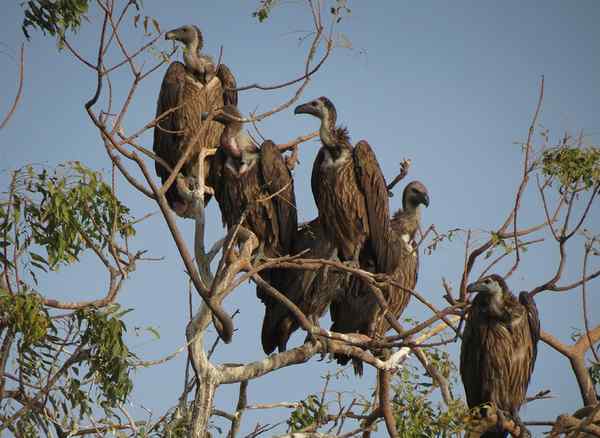
The Bombay Natural History Society (BNHS) is set to release six captive-bred vultures-three males and three females-into the wild in Assam in January 2026. The birds belong to two critically endangered species: the Slender-billed Vulture and the White-rumped Vulture. The release will take place in Kamrup and Biswanath districts, areas within the natural range of these species and close to Kaziranga National Park.
This initiative is part of India’s long-term vulture recovery programme, supported by the Assam Forest Department and the Royal Society for the Protection of Birds (RSPB). BNHS has bred over 800 vulturesacross its conservation breeding centres and has worked for more than 15 years to prepare suitable habitats and community awareness for reintroduction.
Before release, the vultures will undergo a soft-release acclimatisation period of at least three months, allowing them to adapt to natural surroundings and observe other scavengers. Vultures are social birds, mature after about five years, and can live up to 50–60 years.
Slender-billed Vulture (Gyps tenuirostris)
- IUCN Status: Critically Endangered
- Distribution: Assam, Gangetic plains, Nepal, Bangladesh, Myanmar, Cambodia
- Habitat: Open landscapes, riverine areas, tall trees near human settlements
- Identification: Slender narrow bill, dark head, long bare neck, grey plumage
- Breeding: Slow breeder; lays one egg per clutch
- Diet: Carrion, often feeds with other vultures
- Threats: Veterinary drug poisoning (especially diclofenac), habitat loss
Population estimates suggest fewer than 1,000 mature individuals remain globally.
White-rumped Vulture (Gyps bengalensis)
- IUCN Status: Critically Endangered
- Distribution: Indian subcontinent, often near villages and towns
- Habitat: Plains, open country, nesting on tall trees
- Identification: Dark body, distinct white rump patch, white neck ruff
- Breeding: October–March season, one egg
- Diet: Carrion; commonly feeds in mixed-species groups
This species has suffered one of the fastest bird population crashes in history, primarily due to diclofenac, a veterinary anti-inflammatory drug toxic to vultures.
Vultures in India - Key Facts
India hosts 9 vulture species, including:
- Critically Endangered: White-rumped, Slender-billed, Indian (Long-billed), Red-headed Vulture
- Endangered: Egyptian Vulture, Himalayan Griffon (status often regionally assessed)
- Others: Griffon Vulture, Bearded Vulture, Cinereous Vulture
Why Vultures Matter
Vultures are vital scavengers that prevent the spread of diseases by rapidly disposing of carcasses. Their decline has led to ecological imbalance and increased feral dog populations, raising risks of rabies and other zoonotic diseases.
Conservation Measures in India
- Ban on veterinary diclofenac (2006)
- Vulture Safe Zones across several states
- Captive breeding programmes led by BNHS and state forest departments
- Community awareness and monitoring
The 2026 release in Assam marks an important step toward restoring these keystone scavengers to India’s ecosystems.