
RK-251 Drug
- 24 Aug 2026
In News:
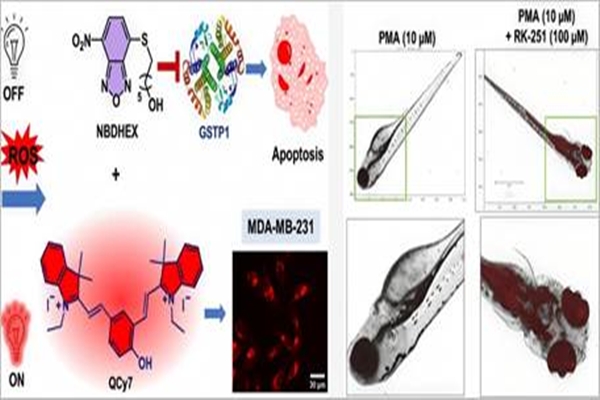
The Ministry of Science and Technology recently highlighted RK-251, an indigenous “smart” cancer drug candidate designed to selectively activate inside cancer cells, potentially reducing the damage to healthy cells associated with conventional chemotherapy.
About RK-251:
- RK-251 has been developed in collaboration with Dr. Asis Bala of the Institute of Advanced Study in Science and Technology (IASST) and Dr. K.P. Bhabak of IIT Guwahati.
- Its key feature is cancer-cell-selective activation based on the higher levels of Reactive Oxygen Species (ROS) found in many cancer cells.
How does RK-251 work?
- When RK-251 enters a cancer cell with elevated ROS levels, ROS molecules trigger the drug and cause it to release the active anticancer compound NBDHEX.
- NBDHEX targets proteins that cancer cells depend upon for survival and resistance to treatment.
- Thus, the drug is designed to remain relatively inactive in normal tissues while becoming pharmacologically active within the ROS-rich environment of cancer cells.
- The drug has shown strong activity against aggressive triple-negative breast cancer cells, while having substantially less effect on healthy cells. RK-251 also exhibits fluorescence in the presence of ROS. This fluorescence can serve as an indicator that the drug is being activated in a ROS-rich cellular environment, thereby providing evidence supporting its targeted mechanism.
Why is it significant?
Conventional chemotherapy can affect both cancerous and rapidly dividing healthy cells, resulting in significant side effects. A stimulus-responsive drug such as RK-251 aims to improve selectivity by exploiting a biochemical difference between cancerous and normal cells.