
Isobutanol
- 08 Jun 2026
In News:
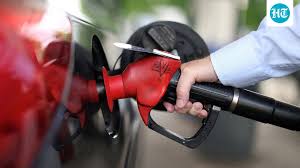
Following the success of E20 petrol (20% ethanol blending), the Government of India is likely to introduce a mandate for blending isobutanol with diesel by the end of 2026. Since diesel consumption in India is nearly twice that of petrol, the move is expected to significantly enhance energy security, reduce crude oil imports, lower the import bill, and support transport-sector decarbonisation.
What is Isobutanol?
Isobutanol (Isobutyl Alcohol) is an alcohol with the chemical formula C?H??O and one of the four isomers of butanol.
Key Properties
- Colourless, flammable liquid with a characteristic odour.
- Moderately soluble in water.
- Can be produced from biomass through fermentation.
- Less corrosive and less hygroscopic than ethanol.
- Compatible with existing fuel transport and storage infrastructure.
- Suitable as a biofuel for internal combustion engines.
Uses
- Solvent in flavour, fragrance, pharmaceutical, and pesticide industries.
- Used in paints, lacquers, primers, and chemical manufacturing.
- Approved food additive.
- Renewable biofuel derived from plant sources.
Significance of Diesel–Isobutanol Blending
- Reduces dependence on imported crude oil.
- Strengthens India's energy security.
- Supports decarbonisation of the transport sector.
- Promotes biofuel production and rural economic opportunities.
- Expected to have a greater impact than petrol blending due to higher diesel consumption.
Link with Ethanol Blending Programme
India’s ethanol blending programme has expanded from about 1% a decade ago to nearly 20% (E20) today.
Key developments:
- Helped reduce crude oil imports significantly.
- Government has proposed standards for E85 (85% ethanol) and E100 (near-pure ethanol) vehicles.
- Vehicle emission norms are being amended to facilitate higher ethanol blends and alternative fuels.
Related Transport Sector Reforms
The government is simultaneously promoting:
- Electric heavy-duty vehicles through truck-trailer interchangeability and battery-swapping ecosystems.
- Hydrogen mobility, including hydrogen bus services on Delhi–Noida and Delhi–Faridabad routes.
- Multi-Lane Free Flow (MLFF) barrier-free tolling systems.
- Advanced traffic management systems to improve highway efficiency.
Isobutanol
- 13 Sep 2025
In News:
- The Government of India is exploring the possibility of blending isobutanol with diesel, following the limited success of earlier attempts at blending ethanol with diesel.
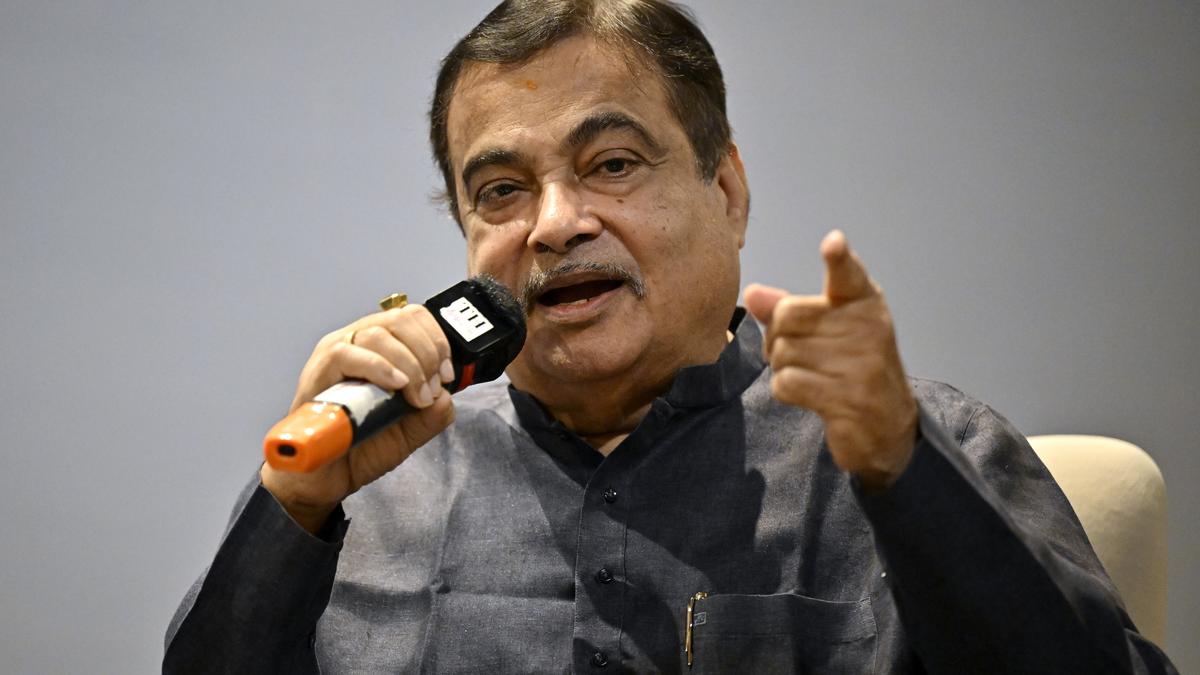
- At the annual conclave of the India Sugar and Bio-Energy Manufacturers Association (ISMA), Union Minister for Road Transport and Highways, Nitin Gadkari, announced that the Automotive Research Association of India (ARAI) is conducting trials to test the feasibility of 10% isobutanol–diesel blends. Alongside blending, isobutanol is also being considered for standalone fuel applications.
- This development comes at a time when India has been pushing for higher ethanol blending with petrol (20%), but challenges remain in extending the same success to diesel, which accounts for the bulk of transport fuel consumption.
About Isobutanol
- Chemical Nature: An alcohol with the chemical formula C?H??O and one of the four isomers of butanol.
- Physical Properties:
- Clear, colorless liquid with a distinct odor.
- Moderately soluble in water.
- Highly flammable with a flash point just above room temperature.
- Vapors are heavier than air, making handling risky.
- Health Hazards: Prolonged exposure can cause skin irritation, eye damage (including vision loss), and respiratory issues.
Applications of Isobutanol
- Industrial Uses: Widely used as a solvent in paints, coatings, lacquers, flavor and fragrance industries, pharmaceuticals, and pesticides.
- Food Additive: Approved for limited use; also found naturally in some foods and alcoholic beverages.
- Biofuel Potential:
- Can be manufactured from plant-based sources using fermentation, often derived from ethanol.
- Higher energy density (heating value) compared to ethanol.
- Less corrosive and less hygroscopic than ethanol, enabling easier storage and transport in existing infrastructure.
- High octane rating, making it suitable for internal combustion engines.
- Unlike ethanol, it does not significantly distort vapor pressure when blended with gasoline.
Significance for India
- Energy Security: Diversifying biofuel options can reduce reliance on crude oil imports.
- Environmental Benefits: Biofuel adoption helps lower greenhouse gas emissions.
- Industrial Opportunities: Opens new avenues for sugar and bio-energy industries, which are central to India’s ethanol economy.
- Policy Alignment: Supports the government’s push towards alternative fuels and cleaner mobility under initiatives like the National Bio-Energy Mission.