
Digital India BHASHINI Division (DIBD)

- 10 Jun 2026
In News:
Recently, the Digital India BHASHINI Division (DIBD) signed a Memorandum of Understanding (MoU) with Kathmandu University Centre for Digital Public Infrastructure and Artificial Intelligence to strengthen cooperation in multilingual AI, Digital Public Infrastructure (DPI), and language technologies. The partnership reflects India's growing role in promoting digital public goods and AI-driven governance beyond its borders.
What is the Digital India BHASHINI Division?
- The Digital India BHASHINI Division (DIBD) functions under the Digital India Corporation, which operates under the Ministry of Electronics and Information Technology (MeitY).
- It serves as India's flagship initiative for AI-driven multilingual digital inclusion and language technology development.
- At its core is the BHASHINI platform (BHASHaINterface for India), which seeks to bridge India's linguistic diversity by making digital services accessible in multiple Indian languages through Artificial Intelligence and Natural Language Processing (NLP).
Key Features
- Through the National Hub for Language Technology (NHLT), BHASHINI provides scalable speech and text-based AI solutions for governance, public service delivery, education, and digital platforms.
- The initiative promotes open-source innovation, multilingual AI research, dataset creation, startup support, and academic collaboration.
- The platform has emerged as a critical component of India's Digital Public Infrastructure ecosystem by enabling seamless communication across languages and improving digital accessibility.
Scale and Reach
BHASHINI has witnessed significant adoption across government platforms and digital services:
- Powers more than 800 government websites.
- Processes over 15 million AI inferences daily.
- Supports 36 Indian text languages.
- Supports 23 Indian voice languages.
- Provides capabilities in 35 international languages.
The platform also makes AI and NLP resources available in the public domain for MSMEs, startups, researchers, and innovators, fostering the development of indigenous language technologies.
Inflammatory bowel disease (IBD)
- 26 Apr 2024
Why is it in the News?
The rising incidence of Inflammatory Bowel Disease (IBD) across the globe has become a concern for doctors, while early diagnosis is lacking, diagnosis in itself is challenging considering that other conditions could mimic IBD.
What is IBD?
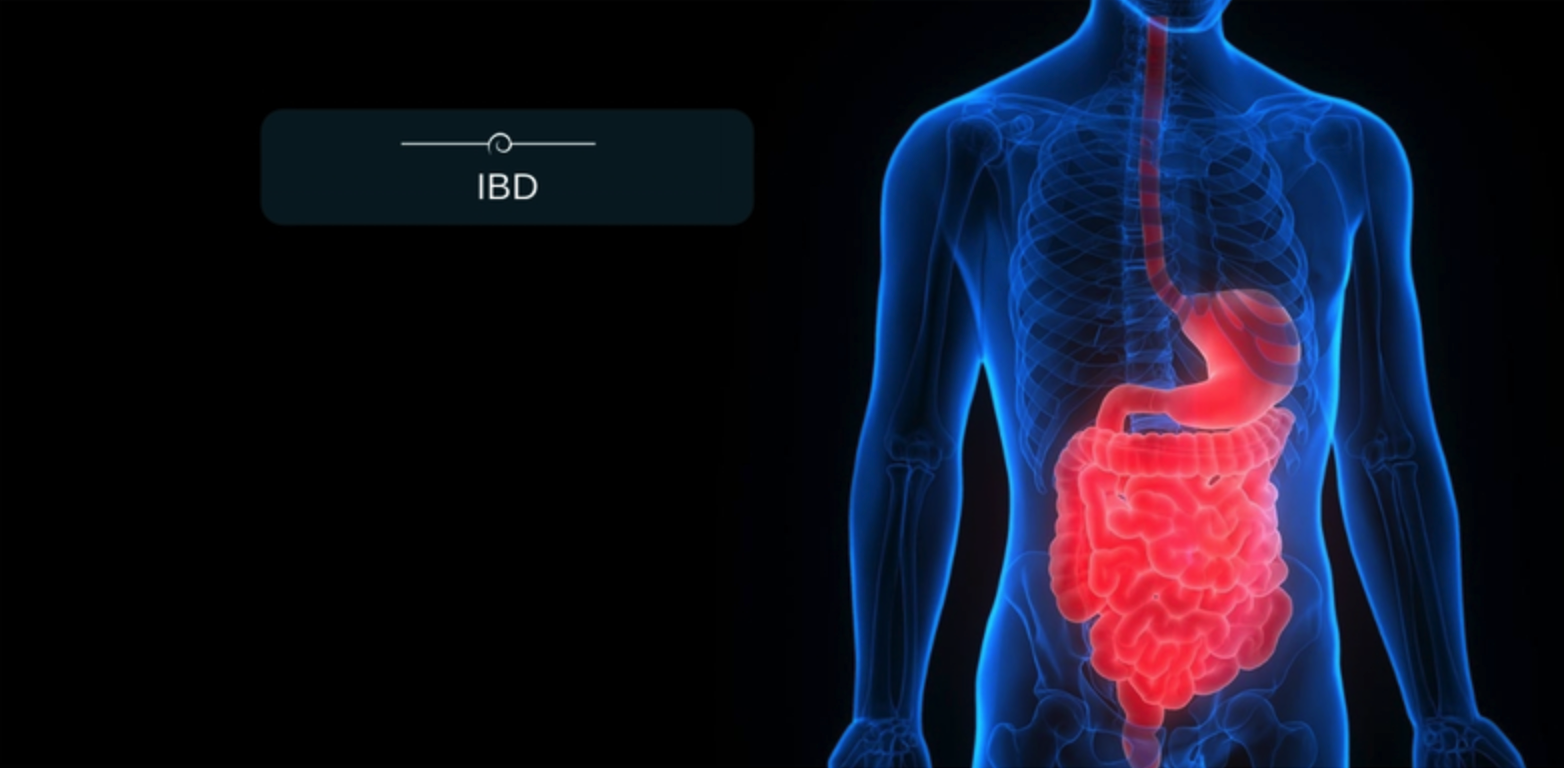
- Inflammatory bowel disease (IBD) is a recurring and long-term (chronic) condition that affects the digestive tract.
- IBD causes inflammation of the stomach, small intestine, and colon.
- IBD is a progressive disease that can become worse over time and cause other damage if not properly diagnosed and treated.
- There are two types of IBD: Crohn’s disease and ulcerative colitis.
- Crohn’s disease: leads to inflammation anywhere in the gastrointestinal tract, however, it commonly affects the end of the small intestine (the ileum) and the beginning of the large intestine (the right colon).
- Crohn’s disease can also affect the entire thickness or alternating areas of the bowel wall.
- Ulcerative colitis: causes inflammation in the large intestine or colon.
- This form of IBD inflames the innermost lining of the colon and creates tiny open sores (ulcers).
- Crohn’s disease: leads to inflammation anywhere in the gastrointestinal tract, however, it commonly affects the end of the small intestine (the ileum) and the beginning of the large intestine (the right colon).
What causes IBD?
- The exact cause of IBD is unknown, but IBD is the result of a weakened immune system. Possible causes are:
- The immune system responds incorrectly to environmental triggers, such as a virus or bacteria, which causes inflammation of the gastrointestinal tract.
- There also appears to be a genetic component.
- Someone with a family history of IBD is more likely to develop this inappropriate immune response.
Symptoms of IBD:
- Although Crohn's disease and ulcerative colitis are different conditions, IBD conditions have similar symptoms, such as:
- Abdominal pain
- Diarrhea
- Rectal bleeding
- Vomiting
- Weight loss
How Is Inflammatory Bowel Disease (IBD) Treated?
- While there is no curative treatment for IBD, it is managed through medication, dietary changes, and occasionally surgery.
- The treatment aims to alleviate symptoms, mitigate complications, prevent future flare-ups, and potentially promote the healing of inflamed intestines.