
Humboldtianairiana
- 29 May 2026
In News:
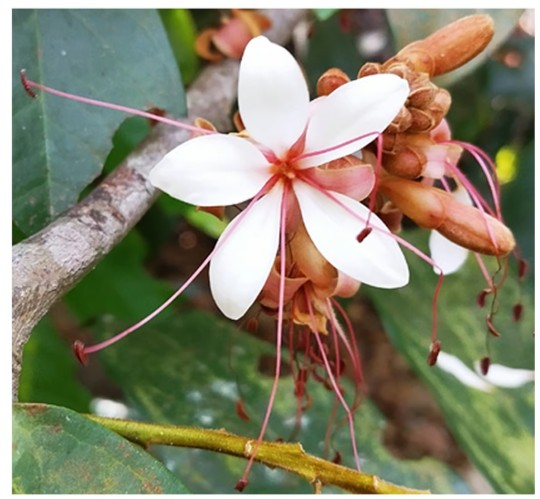
In a significant contribution to India's biodiversity documentation, researchers have discovered a new evergreen tree species in the southern Western Ghats of Kerala and named it Humboldtianairiana in honour of noted scientist Prof. G. Madhavan Nair.
The discovery highlights the immense biological richness of the Western Ghats, one of the world's eight “hottest hotspots” of biodiversity, and reinforces the need for continued taxonomic research and conservation of endemic flora.
About Humboldtianairiana
Humboldtianairiana belongs to the genus Humboldtia, a group of flowering plants largely restricted to the Western Ghats and known for their high levels of endemism. The newly discovered species is a medium-sized evergreen tree growing between 5 and 8 metres in height.
Researchers identified several distinctive morphological features that differentiate it from other members of the genus. These include:
- A unique warty pale-brown bark with a creamy-white blaze.
- Angled and glabrous branchlets.
- Distinctly shorter and sparsely hairy stipules and appendages.
- Larger flowers with comparatively longer pedicels.
- Elliptic-oblong fruits possessing a shorter beak.
These stable and distinguishing characteristics enabled scientists to classify it as a new species.
Endemism and Conservation Significance
One of the most important aspects of Humboldtianairiana is its highly restricted distribution. The species is strictly endemic to Kerala and is currently known only from the Agasthyamala Biosphere Reserve, where it occurs at an elevation of approximately 300 metres.
Such narrow endemism makes newly discovered species particularly vulnerable to habitat degradation, climate change, invasive species, and anthropogenic disturbances. The discovery therefore highlights the need for detailed population assessments, ecological studies, and conservation planning to ensure the long-term survival of the species.
The finding also underscores the importance of taxonomic research in identifying and documenting India's biological wealth, which forms the basis for effective conservation policies.
Shendurney Wildlife Sanctuary: A Biodiversity Hotspot
The discovery site, Shendurney Wildlife Sanctuary, is located in the southern part of the Western Ghats in Kerala and forms an integral component of the Agasthyamala Biosphere Reserve, recognized for its exceptional levels of biodiversity and endemism.
The sanctuary is characterized by rugged hilly terrain interspersed with ravines and supports diverse ecosystems. Its major rivers include the Shendurney, Kazhuthuruthy, and Kulathupuzha, which eventually merge to form the Kallada River.
The region supports a variety of vegetation types, including:
- Tropical evergreen forests
- Semi-evergreen forests
- Moist deciduous forests
These ecosystems provide habitat for numerous endemic and threatened plant and animal species, making the sanctuary an important centre for conservation and ecological research.