
Green Hydrogen Certification Portal (GHCI)
- 24 Jun 2026
In News:
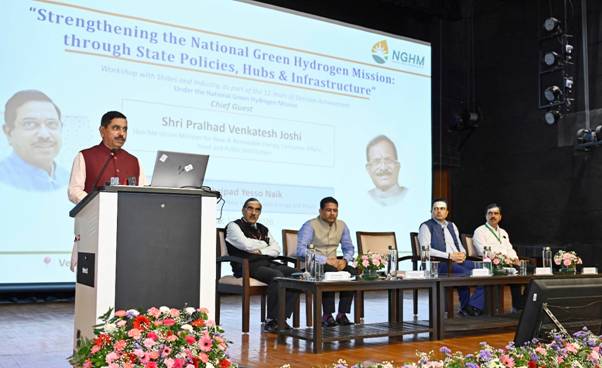
The Union Ministry of New and Renewable Energy (MNRE) launched the Green Hydrogen Certification Portal of India (GHCI) during a national workshop on the National Green Hydrogen Mission (NGHM). The portal will facilitate transparent certification and regulatory compliance under the Green Hydrogen Certification Scheme of India (GHCI Scheme).
Green Hydrogen Certification Portal (GHCI)
The Green Hydrogen Certification Portal is a digital platform developed by the Ministry of New and Renewable Energy (MNRE) to implement the Green Hydrogen Certification Scheme of India.
The portal aims to:
- Ensure transparent certification of Green Hydrogen.
- Facilitate regulatory compliance for producers.
- Standardize certification to build domestic and international market confidence.
- Promote traceability and credibility of India's green hydrogen ecosystem.
National Green Hydrogen Mission (NGHM)
Launched in January 2023, the National Green Hydrogen Mission seeks to establish India as a global hub for the production, utilization, and export of Green Hydrogen and its derivatives. The mission aims to reduce dependence on fossil fuels, strengthen energy security, promote indigenous manufacturing, and accelerate India's transition towards a low-carbon economy.
Three Pillars of the Mission
The mission is built around three strategic pillars:
- Demand Creation: Development of domestic and export markets for green hydrogen.
- Supply-side Incentives: Incentives for green hydrogen production and electrolyser manufacturing.
- Enabling Ecosystem: Development of infrastructure, R&D, standards, certification, and supportive policy frameworks.
Targets by 2030
|
Target |
Details |
|
Green Hydrogen Production |
5 Million Metric Tonnes (MMT) annually |
|
Renewable Energy Capacity |
125 GW |
|
Investment Mobilisation |
?8 lakh crore |
|
CO? Emission Reduction |
50 MMT annually |
|
Objective |
Enhance energy security and reduce fossil fuel imports |
Major Components
Key initiatives under the mission include:
- Strategic Interventions for Green Hydrogen Transition (SIGHT) Programme
- Incentives for electrolyser manufacturing and hydrogen production
- Green Hydrogen Certification Framework
- Research & Development (R&D) Roadmap
- Development of standards, testing and certification infrastructure
- Creation of hydrogen hubs and supporting infrastructure
State-Level Progress
To support implementation:
- 6 States have notified dedicated Green Hydrogen Policies.
- 7 States have incorporated hydrogen into existing energy/industrial policies.
- 4 States are in the process of formulating dedicated policies.
Kudankulam Nuclear Power Project (KKNPP)
- 23 Jun 2026
In News:
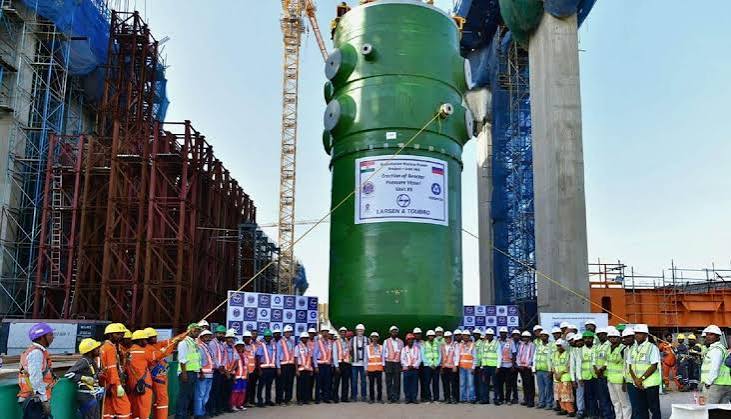
The Nuclear Power Corporation of India Limited (NPCIL) successfully installed the Reactor Pressure Vessel (RPV) at Unit-5 of the Kudankulam Nuclear Power Project (KKNPP) in Tamil Nadu, marking a major milestone in India's nuclear energy expansion. The installation followed clearance from the Atomic Energy Regulatory Board (AERB) and was carried out with technical support from Russia's Rosatom.
About Kudankulam Nuclear Power Project (KKNPP)
- The Kudankulam Nuclear Power Project (KKNPP) is India's largest nuclear power project, located in Tirunelveli district, Tamil Nadu.
- It is being developed by the Nuclear Power Corporation of India Limited (NPCIL) under a long-standing India–Russia Intergovernmental Agreement signed in 1988.
- The project is being constructed in phases with six units, each employing Russian-designed VVER-1000 (Water-Water Energetic Reactor) technology—a type of Pressurized Water Reactor (PWR) that uses light water as both coolant and neutron moderator.
Recent Development
- NPCIL completed the installation of the Reactor Pressure Vessel (RPV) at Unit-5, one of the most critical milestones in reactor construction.
- The installation was executed using the 'open-top' installation method, where heavy reactor equipment is lowered into the reactor building before the containment dome is installed.
- The activity was undertaken with technical assistance from Rosatom and its engineering arm Atomstroyexport (ASE) after obtaining the necessary approvals from the Atomic Energy Regulatory Board (AERB).
Reactor Pressure Vessel (RPV)
- The Reactor Pressure Vessel (RPV) is the core component of a nuclear reactor, often referred to as its "heart." It is a massive steel vessel weighing around 320 tonnes and houses the reactor core, where controlled nuclear fission takes place to generate heat for electricity production.
Significance
The operational Units 1 and 2 of Kudankulam have already generated over 127 billion kWh of electricity, avoiding more than 112 million tonnes of CO? emissions while reducing dependence on coal-based power generation.
Once all six units become operational, the project will achieve a total installed capacity of 6,000 MWe, making Kudankulam one of India's largest nuclear power hubs. The project will play a crucial role in enhancing energy security, expanding the share of clean baseload power, and supporting India's target of achieving 100 GW of nuclear power capacity by 2047 under the Nuclear Energy Mission for Viksit Bharat.
The project also exemplifies the strategic depth of India–Russia cooperation in the field of civilian nuclear energy.
Energy Transition Index (ETI) 2026

- 21 Jun 2026
In News:
India improved its position by two places to rank 70th in the Energy Transition Index (ETI) 2026, released by the World Economic Forum (WEF), reflecting progress in balancing energy security, sustainability, and affordability while advancing towards a cleaner energy system.
What is the Energy Transition Index (ETI)?
The Energy Transition Index (ETI) is an annual global assessment published by the World Economic Forum (WEF) to evaluate how effectively countries are progressing towards secure, sustainable, equitable, and resilient energy systems. Besides measuring the current performance of a country's energy system, the index also assesses the readiness of its policy, financial, institutional, and infrastructure ecosystem to support the energy transition.
The ETI score is calculated on a 0–100 scale, where 100 represents the highest level of performance.
Methodology
The index is based on two broad sub-indices:
- System Performance (60%), which assesses the current energy system across three equally weighted dimensions:
- Energy Security
- Environmental Sustainability
- Energy Equity (Affordability and Access)
- Transition Readiness (40%), which evaluates a country's preparedness to accelerate the energy transition through:
- Core Enablers: Regulation, political commitment, finance and investment.
- Enabling Factors: Innovation, infrastructure, education, and human capital.
Key Findings of ETI 2026
The Nordic countries continued to dominate the rankings, with Sweden, Finland, and Denmark retaining the top three positions globally owing to their advanced clean energy systems and supportive policy frameworks.
Among major economies, Singapore registered one of the largest improvements by climbing 10 places to 42nd, driven by stronger regulatory reforms and political commitment towards clean energy.
Six G20 economies featured among the global top twenty:
- Germany – 9th
- France – 10th
- United Kingdom – 11th
- China – 14th
- Brazil – 17th
- United States – 19th
India improved its ranking from 72nd to 70th, reflecting gradual progress in expanding renewable energy, improving energy access, and strengthening the policy framework supporting the clean energy transition.
Wind Turbine Supply Chain Management Portal
- 18 Jun 2026
In News:
The Ministry of New and Renewable Energy (MNRE) has launched India's first Wind Turbine Supply Chain Management Portal to strengthen the domestic wind energy manufacturing ecosystem, improve supply chain transparency, and support India's clean energy transition.
About the Wind Turbine Supply Chain Management Portal
The Wind Turbine Supply Chain Management Portal is India's first dedicated digital platform developed to streamline the wind energy supply chain by connecting manufacturers, suppliers, and other stakeholders on a common platform. It has been developed under the aegis of the Ministry of New and Renewable Energy (MNRE) with the support of the Indian Wind Turbine Manufacturers Association (IWTMA).
The portal aims to improve supply chain efficiency, enhance domestic manufacturing capabilities, reduce import dependence, and strengthen India's position as a global hub for wind energy equipment.
Key Features
- Supply Chain Visibility: Provides end-to-end visibility across the wind energy manufacturing ecosystem.
- ALMM Integration: Facilitates compliance with the Approved List of Models and Manufacturers (ALMM) framework, promoting domestic sourcing.
- Supplier Discovery: Enables identification and qualification of component suppliers.
- Stakeholder Collaboration: Improves coordination among manufacturers, suppliers, developers, and policymakers.
- Export Readiness: Enhances the competitiveness of Indian manufacturers in global markets by strengthening supply chain resilience.
What is Wind Energy?
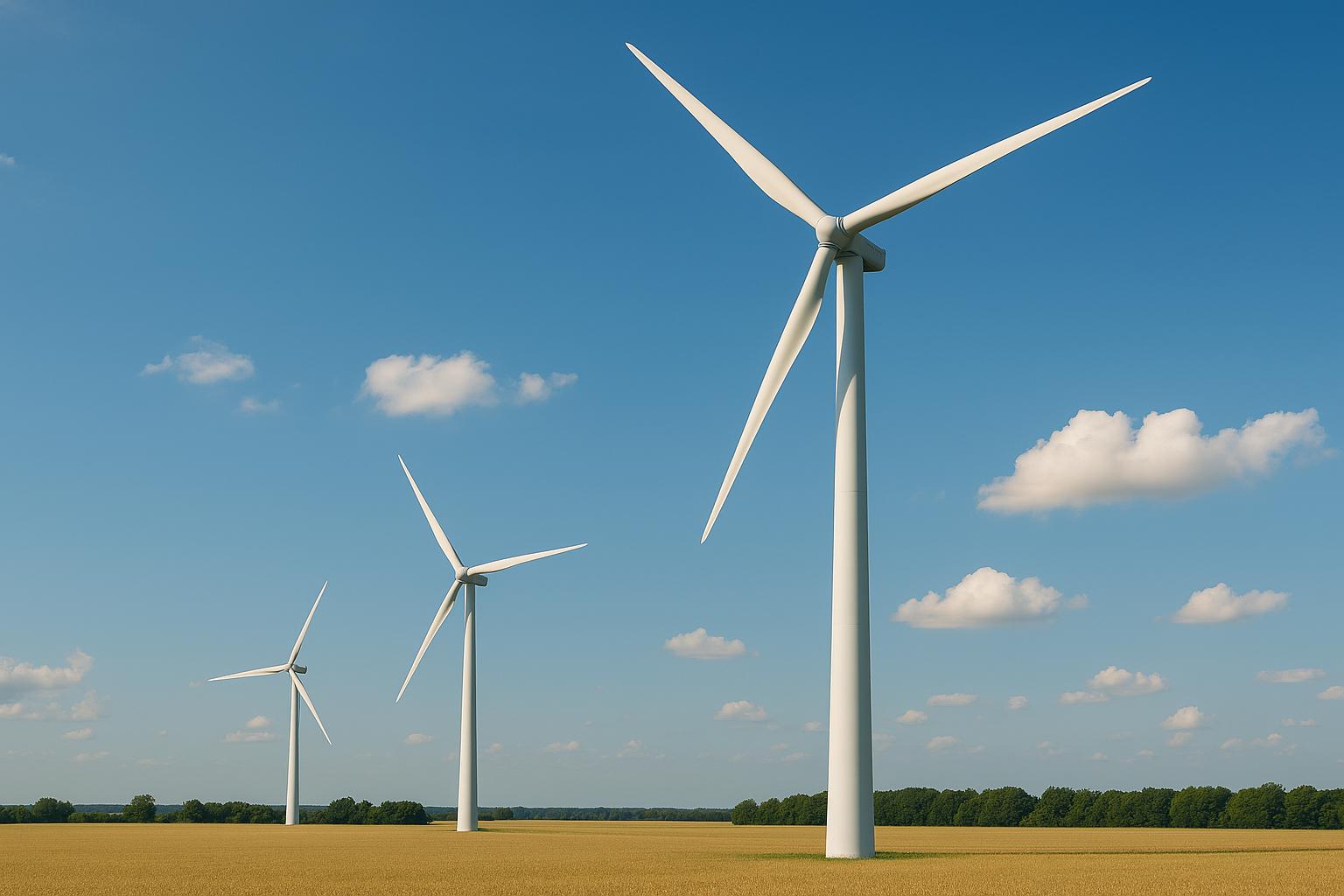
Wind energy is a renewable source of energy that converts the kinetic energy of moving air into electricity using wind turbines. The rotating blades of a wind turbine drive a generator, which produces electrical energy without emitting greenhouse gases during operation.
Wind Energy Potential in India
India possesses significant wind energy potential, particularly along its western and southern coasts.
Major wind energy-producing and high-potential States include:
- Gujarat (highest estimated potential)
- Tamil Nadu
- Karnataka
- Rajasthan
- Maharashtra
- Telangana
- Madhya Pradesh
Visakhapatnam selected for High-Energy Proton Accelerator
- 13 Mar 2026
In News:
- India has selected Visakhapatnam, Andhra Pradesh, as the site for establishing a high-energy proton accelerator system to support its long-term nuclear energy strategy.
- The project will play a crucial role in advancing the Accelerator-Driven System (ADS) technology, which is central to India’s effort to utilise its vast thorium reserves and enhance nuclear safety.
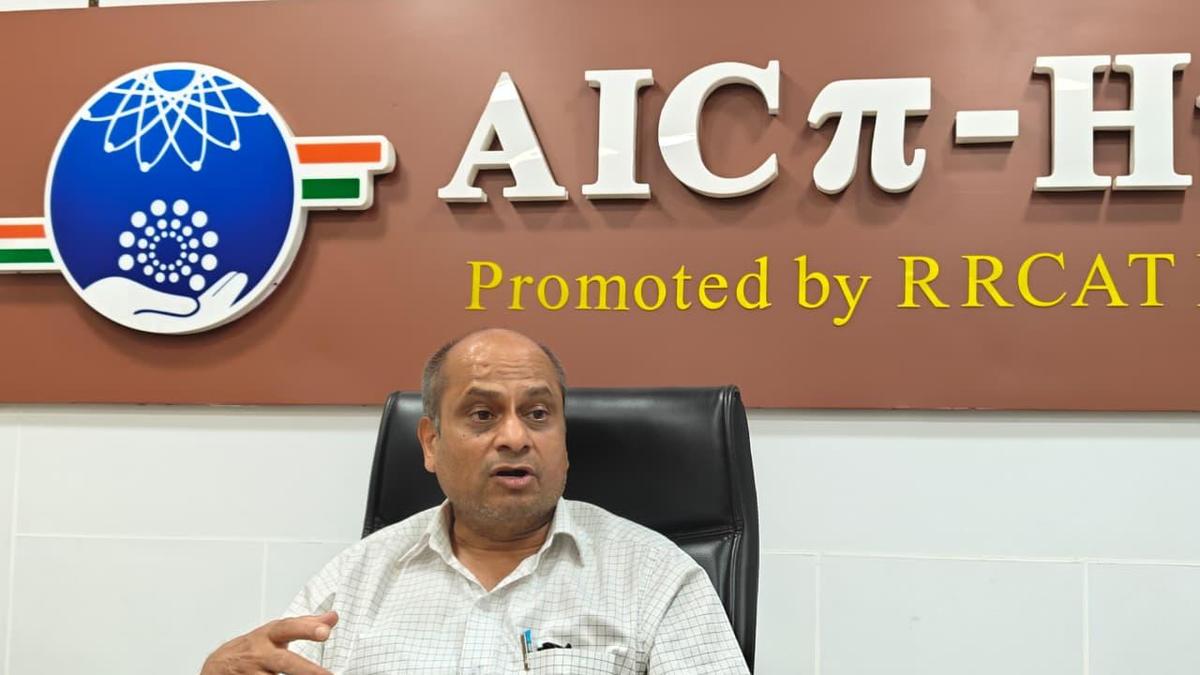
- The initiative is being developed by the Raja Ramanna Centre for Advanced Technology (RRCAT) located in Indore, Madhya Pradesh.
- Visakhapatnam was chosen because of its strong technological ecosystem, availability of research infrastructure, and proximity to the sea, which ensures sufficient cooling water for operating high-energy accelerator systems.
High-Energy Proton Accelerator System
A high-energy proton accelerator is a scientific device that uses electromagnetic fields to accelerate protons (positively charged particles from ionised hydrogen) to extremely high speeds. The accelerated protons form a powerful proton beam that is directed toward a heavy metal target such as lead or bismuth.
When the high-speed protons collide with the heavy metal nucleus, a process known as spallation occurs. In this reaction:
- The heavy nucleus breaks apart due to the impact.
- A large number of high-energy neutrons are released.
- These neutrons can then be used to initiate nuclear fission reactions in a reactor system.
Thus, the proton accelerator becomes an external source of neutrons required for controlled nuclear reactions.
Accelerator-Driven System (ADS)
The Accelerator-Driven System is a nuclear reactor concept in which the neutron supply required for fission is provided externally by a proton accelerator.
Key features of ADS include:
- The reactor core remains sub-critical, meaning it cannot sustain a chain reaction independently.
- The spallation neutrons generated by the proton accelerator are injected into the reactor core to maintain fission.
- If the accelerator stops functioning due to a power outage or malfunction, the neutron supply ceases immediately.
This design provides high inherent safety, as the nuclear reaction automatically stops without external intervention, significantly reducing the risk of reactor meltdown.
Role of ADS in India’s Three-Stage Nuclear Programme
- India’s nuclear energy strategy follows a three-stage programme aimed at maximising the utilisation of its limited uranium resources and abundant thorium deposits.
- ADS technology supports the third stage of this programme, which focuses on thorium-based nuclear energy.
Harnessing Thorium Resources
India possesses around 25% of the world’s thorium reserves, primarily in monazite sands along its coastal regions. However, naturally occurring Thorium-232 is fertile rather than fissile, meaning it cannot directly sustain a nuclear chain reaction.
For thorium to become a usable nuclear fuel:
- Thorium-232 must absorb a neutron.
- It undergoes nuclear transformation (transmutation).
- It converts into Uranium-233, which is a highly fissile material capable of sustaining nuclear reactions.
The high-energy neutrons generated by the ADS system are particularly effective in facilitating this conversion, enabling thorium to become a viable fuel for large-scale electricity generation.
Nuclear Waste Management
Another major advantage of ADS technology lies in nuclear waste transmutation.
Conventional nuclear reactors generate long-lived radioactive waste, including minor actinides, which remain hazardous for thousands of years. ADS systems can use high-energy neutrons to:
- Break down long-lived radioactive isotopes
- Convert them into shorter-lived or stable elements
This process significantly reduces the toxicity and storage duration of nuclear waste, thereby addressing one of the major environmental concerns associated with nuclear power.
LaBL 2.0 (Lighting a Billion Lives 2.0)
- 11 Mar 2026
In News:
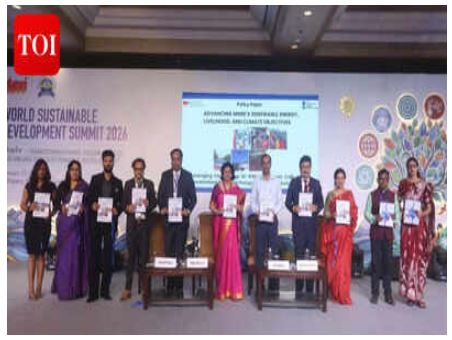
India’s transition to clean energy increasingly emphasizes decentralised renewable energy (DRE) solutions to address energy poverty and support sustainable development in rural areas. In this context, The Energy and Resources Institute (TERI) launched LaBL 2.0 (Lighting a Billion Lives 2.0) in New Delhi. The initiative seeks to scale up clean energy access while promoting rural livelihoods, women’s entrepreneurship, and climate action. It represents the next phase of the earlier Lighting a Billion Lives programme launched in 2008, which provided solar lighting solutions to off-grid communities across India.
About LaBL 2.0
LaBL 2.0 is a next-generation decentralised renewable energy programme aimed at expanding clean energy access while enabling productive economic activities in rural and underserved regions. Unlike the earlier initiative that mainly focused on household lighting, LaBL 2.0 emphasizes energy for livelihoods, climate finance integration, and sustainable development.
Objectives
The programme aims to:
- Expand clean and decentralised renewable energy access in remote and underserved areas.
- Promote green livelihoods and rural enterprises powered by renewable energy.
- Encourage women-led entrepreneurship in the clean energy sector.
- Integrate climate finance mechanisms and carbon markets with grassroots energy initiatives.
- Contribute to broader sustainable development and climate mitigation goals.
Key Features
- Expansion of Decentralised Renewable Energy (DRE)
- Promotes solar and other renewable technologies in off-grid and energy-deficit rural areas.
- Encourages distributed energy solutions such as solar micro-grids and clean energy appliances.
- Productive Use of Energy for Livelihoods: Focuses on using renewable energy for income-generating activities, including rural enterprises, small industries, and agricultural processing.
- Women-led Clean Energy Entrepreneurship: Encourages women entrepreneurs to manage renewable energy enterprises, enhancing both economic empowerment and energy access.
- Climate Impact Measurement: Introduces Monitoring, Reporting and Verification (MRV) frameworks to track carbon reduction and climate benefits.
- Integration with Climate Finance: Develops finance-ready project models linking decentralised energy initiatives with carbon markets and climate finance mechanisms to attract investments.
- Flagship Demonstration Projects
- Includes initiatives such as:
- Hastinapur Model City
- HUDCO Model Solar Village
- GCC DRE Carbon Credit Programme
- Solar technology partnerships for rural energy solutions.
- Includes initiatives such as:
Grid Oscillations
- 01 Mar 2026
In News:
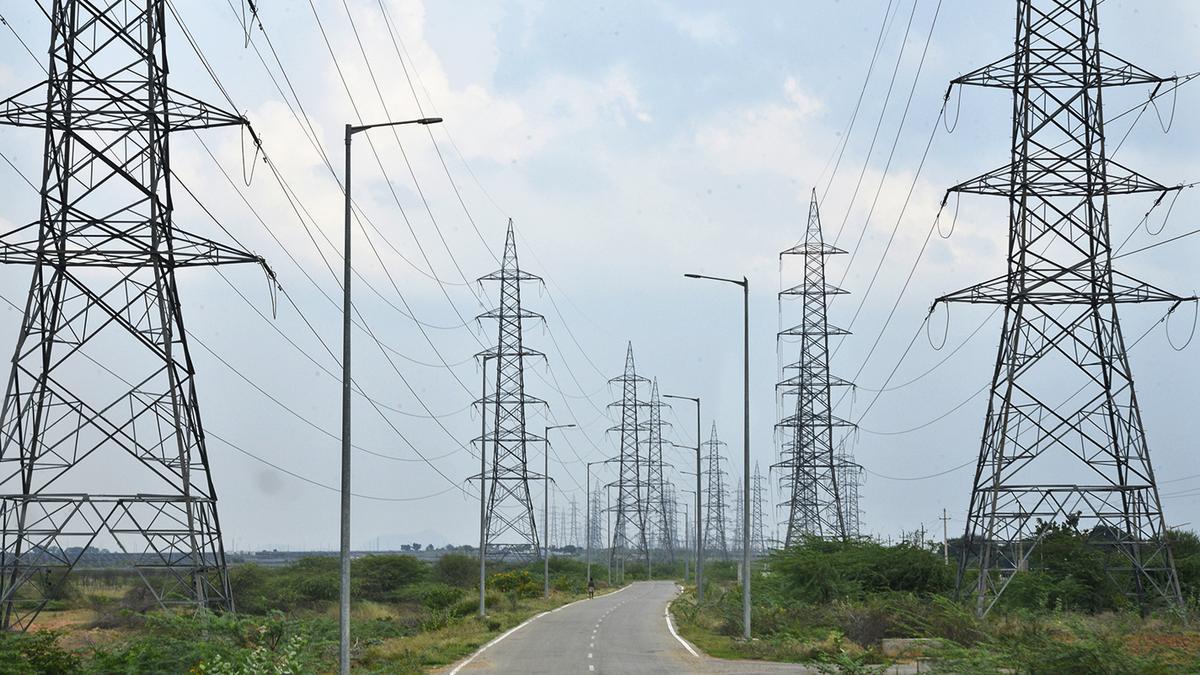
A recent grid oscillation recorded in Rajasthan was reportedly felt as far as Kudankulam, Tamil Nadu, highlighting the growing stress within India’s national electricity grid. The incident has drawn attention to structural challenges in managing the rapid expansion of renewable energy while ensuring grid stability.
What are Grid Oscillations?
Grid oscillations refer to rapid fluctuations in voltage and frequency within the power transmission network. These fluctuations typically arise when there is a sudden mismatch between electricity generation and demand.
With increasing penetration of solar and wind energy, which are inherently variable and weather-dependent, the grid faces intermittent supply conditions. When not balanced properly, such variations can:
- Destabilise transmission voltage and frequency
- Damage equipment
- Trigger cascading failures
- Lead to large-scale blackouts
The recent oscillation event underscores the sensitivity of interconnected grids across long distances in India’s unified national grid.
Key Reasons for Grid Instability
- Limited Grid Flexibility and Automation: India’s grid is not yet sufficiently “smart” to seamlessly switch between conventional (coal-based) and renewable sources. Inadequate automation, limited real-time balancing mechanisms, and weak forecasting systems restrict efficient load management.
- Coal Plant Inflexibility: Coal-fired power plants are designed primarily for baseload supply, operating at steady output levels. They cannot ramp up or down rapidly to compensate for sudden drops or surges in renewable generation. This structural rigidity makes balancing intermittent sources difficult.
- Inadequate Energy Storage Infrastructure: Large-scale battery storage and pumped hydro facilities remain limited. Without sufficient storage:
- Surplus renewable energy cannot be stored for later use.
- Sudden drops in renewable output create supply gaps.
- Grid stability becomes vulnerable during peak fluctuations.
India’s Renewable Energy Expansion
India has made significant strides in renewable energy capacity:
- 48 GW of renewable capacity was added in 2025, the highest-ever annual addition.
- Non-fossil sources now account for approximately 52% of installed capacity (around 264 GW).
However, a critical structural gap remains:
- Despite the large installed renewable capacity, nearly 75% of actual electricity generation still comes from coal because it provides reliable, on-demand power.
This highlights the distinction between installed capacity and actual generation share, an important concept for energy policy analysis.
Structural and Policy Implications
- Need for Smart Grid Modernisation: Deployment of advanced forecasting tools, AI-based load management, and automated switching systems is essential to manage renewable variability.
- Flexible Thermal Operations: Retrofitting coal plants for flexible operations can improve ramping capability and support renewable balancing.
- Energy Storage Expansion: Investment in:
- Grid-scale battery storage
- Pumped hydro storage
- Green hydrogen-based storage is critical for long-term stability.
- Grid Infrastructure Strengthening: Transmission upgrades under initiatives like the Green Energy Corridors must be accelerated to integrate renewable-rich regions with demand centres.
India’s Energy Transition through the Green Ammonia Route
- 25 Feb 2026
In News:
At India Energy Week (January 2026), the Prime Minister highlighted investment opportunities worth $500 billion in India’s energy sector, signalling a shift from energy security to energy independence. A central pillar of this transition is green hydrogen and its derivative-green ammonia, which is emerging as a strategic fuel for agriculture, industry, shipping, and global trade.
India’s recent landmark auction through the Solar Energy Corporation of India (SECI) has positioned the country as a serious player in the global green ammonia market.
What is Green Ammonia?
Green ammonia is produced by combining:
- Nitrogen (from air)
- Green hydrogen (generated via electrolysis using renewable energy)
Unlike grey ammonia, which uses natural gas and emits significant CO?, green ammonia has a near-zero carbon footprint.
SECI’s Landmark Green Ammonia Auction
Under the Strategic Interventions for Green Hydrogen Transition (SIGHT) programme of the National Green Hydrogen Mission, SECI floated a tender in June 2024 to aggregate demand across fertilizer plants.
Key Features:
- Target Demand: 7,24,000 tonnes per annum (TPA)
- Coverage: 13 fertilizer plants
- Bidders: 15 participants
- Successful Awardees: 7 companies
- Contracts Awarded: 13 delivery contracts
- One company secured 6 contracts (3,70,000 TPA)
- 10-year fixed-price offtake agreements
Discovered Prices:
- ?49.75–?64.74/kg
- $572–$744 per tonne
- Nearly 40–50% lower than EU’s H2Global auction (~$1,153/tonne)
By comparison: Grey ammonia in India ≈ $515/tonne
The price gap has narrowed substantially, especially with production subsidies:
- ?8.82/kg (Year 1)
- ?7.06/kg (Year 2)
- ?5.3/kg (Year 3)
This model created price certainty, payment security, and balanced risk allocation—boosting investor confidence.
Strategic Significance for India
1. Import Substitution and Energy Security
- Contracted volumes account for ~30% of India’s ammonia imports.
- Reduces exposure to global gas price volatility, currency risks, and geopolitical disruptions.
2. Decarbonising Agriculture
- Fertilizer sector is the largest ammonia consumer.
- Example: 75,000 tonnes supply to Paradeep Phosphates marks early transition.
- Supports sustainable food supply chains.
3. Maritime Decarbonisation
- Ammonia is easier to store than hydrogen.
- Can replace heavy fuel oil in shipping.
- Linked to Rotterdam–India–Singapore Green Shipping Corridor initiative.
4. Hydrogen Carrier for Exports
- Acts as a stable medium to transport hydrogen over long distances.
- Ports like Kandla, Paradip, and Tuticorin (VOC) designated as hydrogen hubs.
- Potential exports to Japan and South Korea.
5. Grid Stability & Energy Storage
- Enables long-duration energy storage.
- Hybrid systems (solar wind storage) being piloted for round-the-clock production.
Policy Framework
National Green Hydrogen Mission (2023)
- Target: 5 MMTPA production capacity by 2030
- Investment Potential: ?8 lakh crore
- CO? Reduction Target: ~50 MMT annually by 2030
SIGHT Programme
- Outlay: ?17,490 crore
- Production-linked incentives (PLI) for green hydrogen and derivatives.
Global Context
Other procurement mechanisms:
- EU’s H2Global import tender
- South Korea’s Clean Hydrogen Portfolio Standard (CHPS)
National Energy Conservation Awards
- 19 Dec 2025
In News:
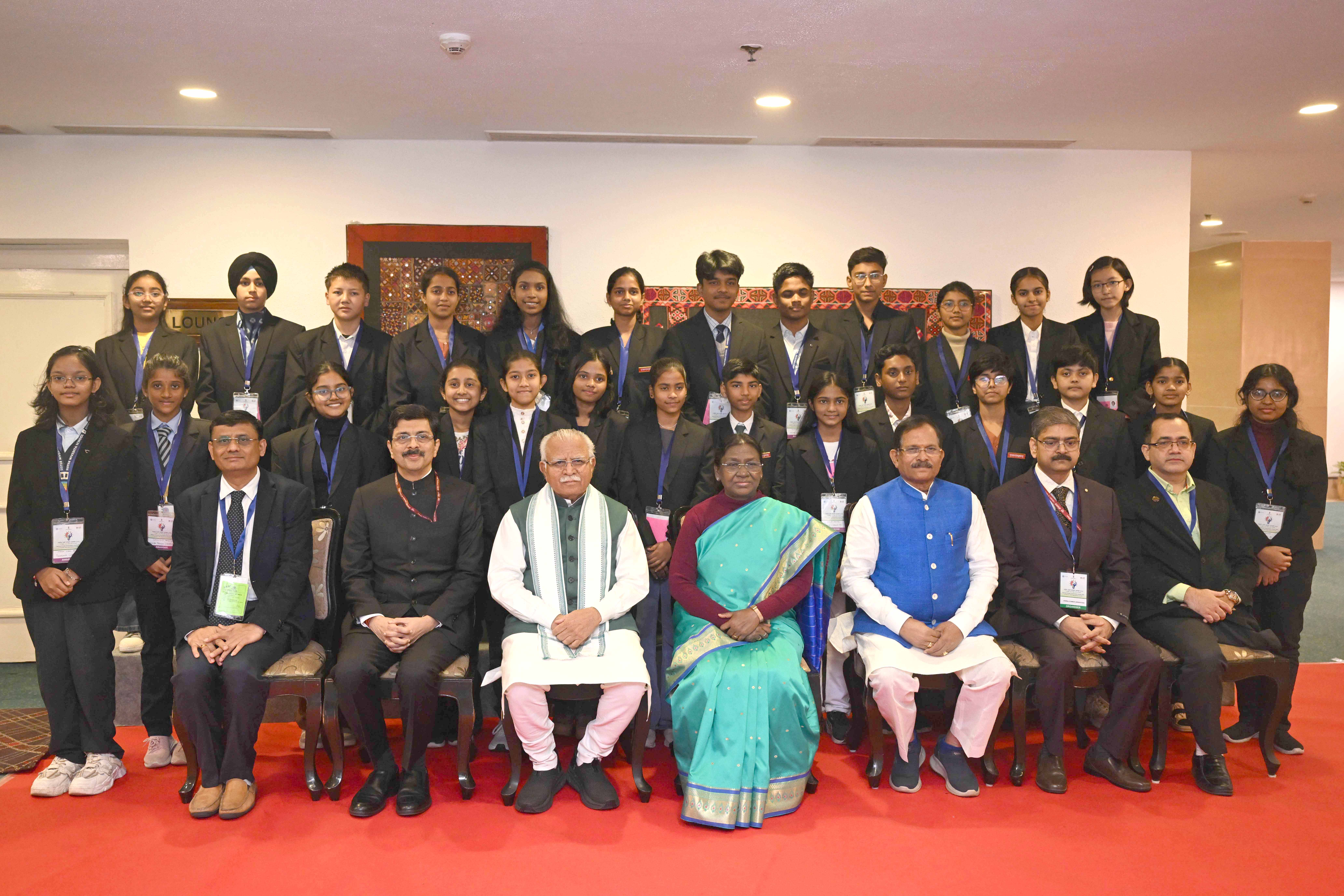
On 14 December 2025 (National Energy Conservation Day), the President of India presented the National Energy Conservation Awards 2025 in New Delhi.
National Energy Conservation Awards (NECA)
- Instituted by: Bureau of Energy Efficiency
- Started: 1991
- Purpose: To recogniseorganisations and institutions that achieve significant energy savings while maintaining or improving productivity.
Sectors Covered
- Industries
- Commercial buildings
- Transport sector
- Institutions
- Energy-efficient appliances
Objectives of the Awards
- Promote adoption of energy-efficient technologies
- Encourage best practices in energy management
- Raise awareness about the role of energy efficiency in sustainable development
- Support India’s commitments toward climate mitigation
Bureau of Energy Efficiency (BEE)
About
- A statutory body under the Energy Conservation Act
- Established on 1 March 2002
- Functions under the Ministry of Power
Major Functions
BEE promotes energy efficiency through national programmes such as:
- Standards & Labelling (S&L) Programme: Introduces star ratings for appliances to guide consumers toward energy-efficient products.
- Demand Side Management (DSM): Encourages efficient energy use across sectors including agriculture, industry, and households.
- Carbon Credit Trading Scheme (CCTS), 2023: Replaces the earlier Perform, Achieve and Trade (PAT) scheme, promoting market-based mechanisms for emission reduction.
- Public Awareness & Capacity Building: Campaigns, training programmes, and competitions (like NECA and painting contests for students)
India’s energy efficiency efforts in 2023–24 reportedly led to savings of 53.60 million tonnes of oil equivalent (MTOE), along with substantial reductions in CO? emissions.
Related National Initiatives
Energy conservation aligns with broader programmes such as:
- Pradhan Mantri Surya Ghar Muft Bijli Yojana (rooftop solar adoption)
- National Green Hydrogen Mission
- Renewable Consumption Obligations and Production Linked Incentive schemes
It also supports India’s global message of Lifestyle for Environment, encouraging sustainable consumption patterns.
Sustainable Harnessing of Advancement of Nuclear Energy for Transforming India (Shanti Bill)
- 16 Dec 2025
In News:
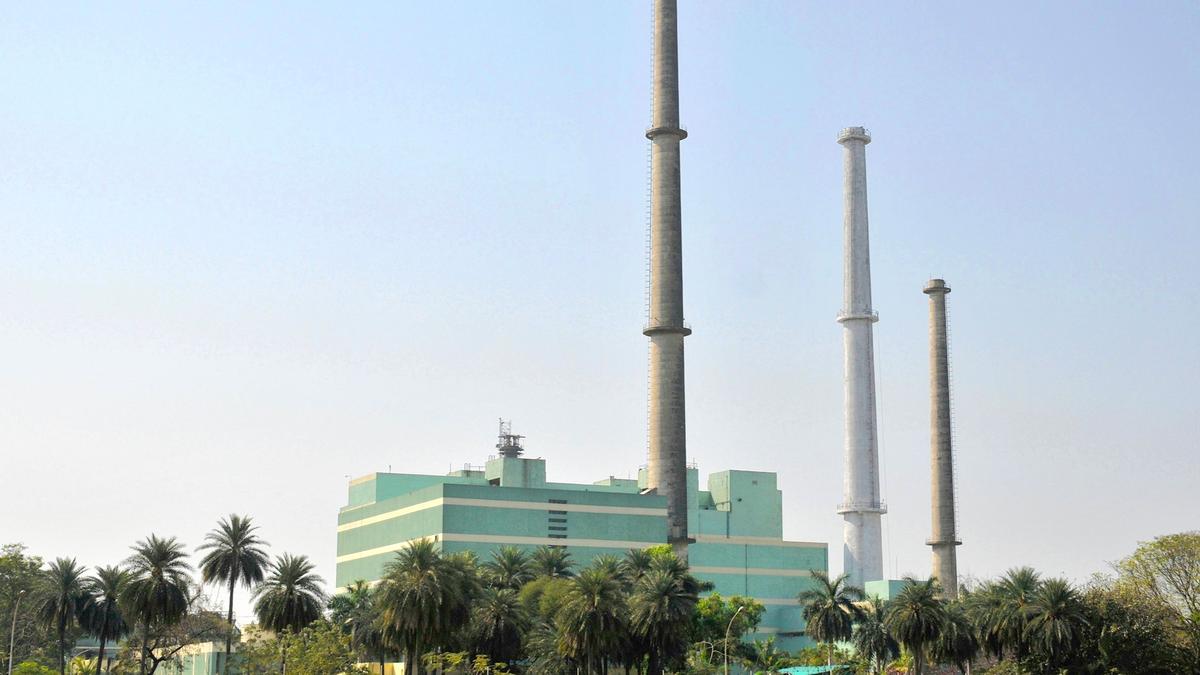
The Union Cabinet has approved the Atomic Energy Bill, 2025, also called the SHANTI Bill (Sustainable Harnessing of Advancement of Nuclear Technology for India). It represents the biggest reform in India’s nuclear energy governance since the Atomic Energy Act of 1962.
Background of India’s Nuclear Sector
- India’s civilian nuclear power sector has traditionally been under complete government control. Nuclear power plants are operated only by public sector entities such as Nuclear Power Corporation of India Limited (NPCIL) and BharatiyaNabhikiya Vidyut Nigam Limited (BHAVINI).
- Private participation has remained restricted mainly due to the Atomic Energy Act, 1962 and the Civil Liability for Nuclear Damage Act, 2010 (CLND Act), which created legal and liability-related uncertainties for suppliers and investors.
Need for the SHANTI Bill
India has set a target of 100 GW of nuclear power capacity by 2047. Achieving this requires massive investment, advanced technology, and faster project execution. Existing laws were considered outdated, fragmented, and restrictive for modern nuclear expansion, especially with regard to private and foreign participation.
Scope and Nature of the Bill
The SHANTI Bill seeks to create a single, modern legal framework governing nuclear energy in India. It replaces the earlier fragmented legal structure with a unified system covering licensing, safety regulation, liability, and industry participation.
Opening of the Nuclear Value Chain
- The Bill allows private and foreign companies to participate in selected non-strategic areas of the nuclear sector. These include atomic mineral exploration, nuclear fuel fabrication, and the manufacturing of nuclear equipment and components.
- However, sensitive and strategic domains such as nuclear weapons-related activities and certain categories of reactor operations will continue to remain under strict government control.
Reform of the Nuclear Liability Regime
- A key feature of the Bill is the restructuring of the nuclear liability framework. The law aims to clearly define the responsibilities of plant operators, equipment suppliers, and the government in case of a nuclear incident.
- It proposes insurance-backed liability caps to reduce financial uncertainty for private players. Beyond a certain damage threshold, the government will step in to provide additional financial support. This brings India’s framework closer to global nuclear liability practices and addresses long-standing investor concerns under the CLND Act.
Independent Nuclear Safety Authority
- The Bill proposes the establishment of an independent nuclear safety authority. This body will be separate from agencies that promote nuclear energy, ensuring a clear distinction between promotional and regulatory roles. The aim is to enhance transparency, credibility, and adherence to international best practices in nuclear safety.
Dedicated Nuclear Tribunal
A specialised nuclear tribunal will be set up to handle disputes related to nuclear liability, contracts, and compensation. This is expected to ensure faster resolution of cases and reduce legal uncertainty in the sector.
Focus on Advanced Technologies and SMRs
The legislation supports research, development, and deployment of Small Modular Reactors (SMRs). SMRs are considered suitable for industrial decarbonisation, remote regions, and flexible grid integration, and are seen as a key part of the future nuclear expansion strategy.
Strategic Significance
Nuclear energy provides clean and reliable baseload power, which complements intermittent renewable sources like solar and wind. Expansion of nuclear power will help India reduce its dependence on coal and imported fossil fuels, thereby strengthening energy security.
The reform also supports India’s long-term climate commitments, including its net-zero emissions target by 2070, while breaking more than six decades of exclusive state monopoly in the sector.
India Energy Week (IEW) 2026
- 01 Feb 2026
In News:
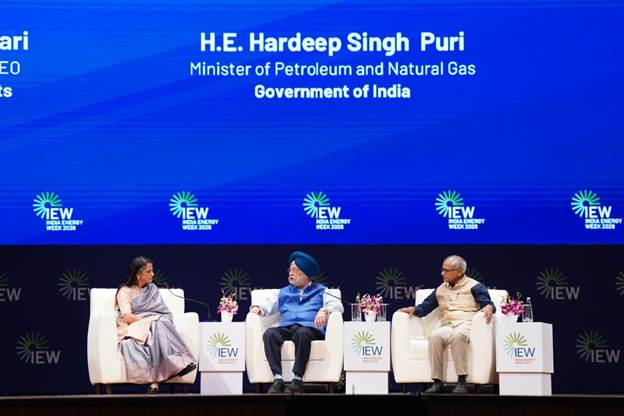
India Energy Week (IEW) 2026, held in Goa, concluded with India reaffirming its position as a resilient and credible energy leader amid global geopolitical volatility. The event highlighted India’s dual strategy: ensuring energy security through diversified conventional supplies while accelerating the transition toward cleaner fuels.
India’s Energy Strategy: Resilience in a Volatile World
Union Petroleum and Natural Gas Minister Hardeep Singh Puri emphasised that India has successfully navigated successive global disruptions by:
- Diversifying crude oil and gas import sources
- Strengthening domestic exploration
- Expanding clean energy adoption
India today ranks as:
- 3rd-largest energy consumer
- 4th-largest refining hub
- Among the top exporters of petroleum products
Despite global price shocks, India maintained stable domestic fuel and LPG prices, shielding consumers through policy and Oil Marketing Company (OMC) interventions.
Paradigm Shift: From Energy Transition to “Energy Addition”
A key theme at IEW 2026 was that the global transition is not about replacing fossil fuels overnight but about “energy addition”:
- Continued investment in oil and gas for stability
- Rapid scale-up of biofuels, LNG, green hydrogen, and renewables
This balanced approach recognises developmental realities while pursuing climate goals.
Domestic Exploration & Upstream Reforms
India aims to reduce import dependence by boosting domestic production through:
- Hydrocarbon Exploration Licensing Policy (HELP)
- Open Acreage Licensing Policy (OALP)
- Discovered Small Fields (DSF) rounds
- Oilfields (Regulation & Development) Amendment Act, 2025
- Petroleum and Natural Gas Rules, 2025
These reforms aim to improve ease of doing business and attract global investment into India’s sedimentary basins.
Downstream and Infrastructure Reforms
- Unified Pipeline Tariff (UPT) under One Nation, One Gas Grid to reduce regional disparities
- Integration of refining and petrochemicals to enhance value addition
- Digitalisation and AI-driven optimisation to improve logistics and operational resilience
Clean Energy Acceleration
India’s energy transition efforts include:
- 20% ethanol blending achieved in 2025
- Expansion of Compressed Biogas (CBG) with a 5% blending target by 2030
- Scaling Green Hydrogen under the National Green Hydrogen Mission
- Growth in solar and wind capacity, with India ranking among the top global producers
India has already achieved 50% of its installed electricity capacity from non-fossil sources, five years ahead of its 2030 target.
Global Partnerships: India–UAE Energy Ties
At IEW 2026, the United Arab Emirates reaffirmed its role as a reliable energy partner:
- 4th-largest source of India’s oil imports
- Key LPG supplier
- Bilateral trade target: USD 200 billion by 2032
The UAE highlighted underinvestment in energy as a global risk, echoing India’s call for balanced investment across energy types.
Role of States: Goa’s Renewable Vision
As host, Goa presented a roadmap to achieve 100% renewable energy by 2050, linking:
- Green Economy (clean energy growth)
- Blue Economy (sustainable ocean resource use)
This reflects sub-national participation in India’s climate strategy.
Energy Security: India’s Current Status
Achievements:
- 3rd globally in solar capacity
- 4th in wind and overall renewable capacity
- Strong refining and export capabilities
Challenges:
- Still the 3rd-largest net energy importer
- Ranking drop in the World Economic Forum Energy Transition Index
India’s Energy Policy in the Age of AI and Climate Change
- 02 Dec 2025
In News:
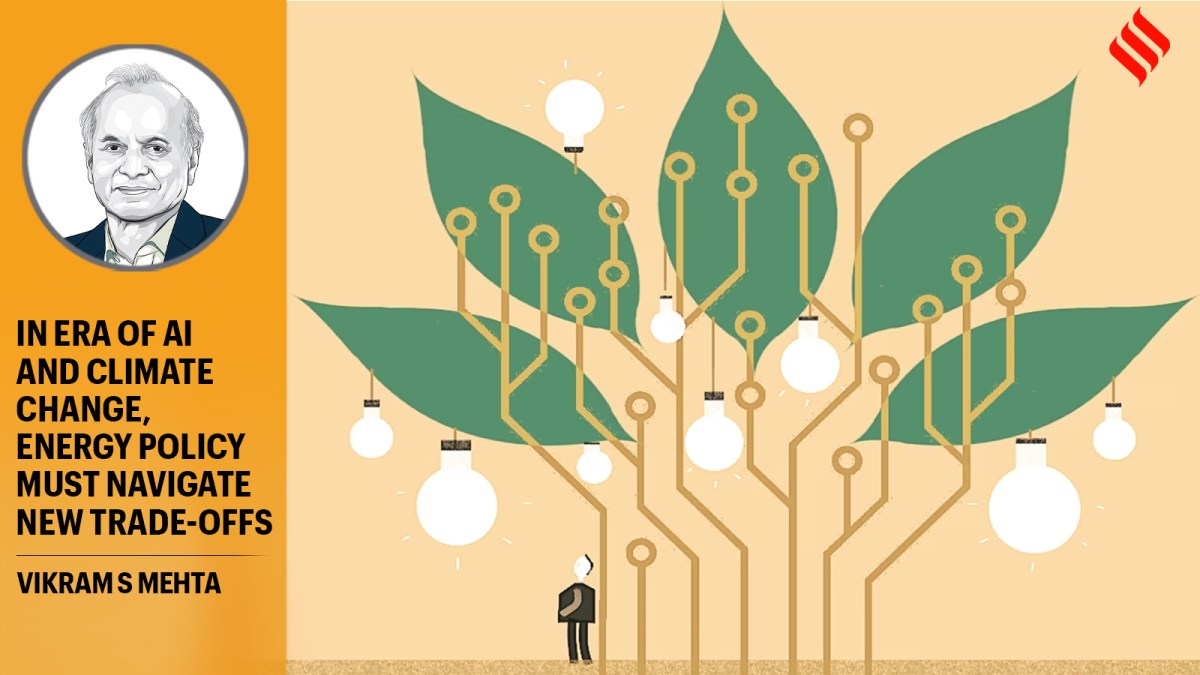
India’s energy policy is undergoing a structural transition as the rapid expansion of Artificial Intelligence (AI) and accelerating climate change reshape electricity demand, supply chains, and governance priorities. The traditional focus on access, affordability, and energy security is expanding to include decarbonisation, climate resilience, digital-era demand, and strategic autonomy, reflecting the changing contours of economic growth and technological transformation.
Key Trends Shaping India’s Energy Policy
- AI-Driven Electricity Demand: The rapid growth of AI and data centres is generating round-the-clock, gigawatt-scale electricity demand, compelling both Union and State governments to rethink renewable capacity addition, grid modernisation, and large-scale energy storage planning.
- Climate Change Pressures:Increasing heatwaves, floods, and extreme weather events are pushing policymakers to decouple GDP growth from carbon-intensive energy, aligning energy policy with India’s 2070 Net Zero commitment.
- Global Green Transition Dynamics:Rising dependence on critical minerals, concentration of renewable manufacturing, and friend-shoring strategies are influencing India’s industrial and strategic energy choices.
- Shift in Energy Governance:Energy governance is moving from a resource-centric approach to a systemic, multi-sectoral framework integrating climate policy, digital infrastructure, industrial strategy, and geopolitics.
Major Emerging Trade-offs
- Coal Economy vs Clean Energy Transition: Coal continues to support livelihoods of nearly 3.5 lakh workers, contributes significantly to state revenues in Jharkhand, Odisha, and Chhattisgarh, and underpins railway freight earnings. Simultaneously, India hosts six of the world’s ten most polluted cities (2024), creating a sharp tension between employment security and climate commitments.
- China-Dominated Green Supply Chains vs Strategic Autonomy:China controls around 80% of global solar module production, 95% of polysilicon and wafers, and 80% of lithium-ion battery processing. While imports from China enable rapid and low-cost renewable deployment, they increase strategic vulnerability, tariff exposure, and supply-chain risks.
- AI Data Centres vs Renewable Infrastructure Constraints:Proposed AI hubs by global and Indian firms demand 24×7 clean power. However, India’s grid-scale storage, pumped hydro capacity, and inter-state transmission networks remain inadequate, pushing some states to extend thermal power generation, thereby undermining decarbonisation goals.
Structural Governance Challenges
- Fragmented Institutional Framework:Energy governance is dispersed across multiple ministries—Power, New and Renewable Energy, Coal, Mines, and Commerce—with no single coordinating authority.
- Policy Incoherence:Industrial incentives promote data-centre expansion, while grid reforms and storage deployment lag behind, creating mismatches in policy objectives.
- Centre–State Divergences:Differences over coal phase-down, land acquisition, renewable corridors, and tariff structures slow capacity addition and infrastructure rollout.
- Inadequate Financing and R&D Models:Public sector–led approaches are insufficient for capital-intensive and R&D-driven sectors such as battery storage, offshore wind, and green hydrogen.
- Weak Policy Alignment:Poor alignment persists between climate commitments, PLI schemes, and technology missions related to AI and semiconductors.
Implications for India
India faces the risk of new energy insecurity if renewable and battery supply chains remain import-dependent. Rising AI-driven electricity demand may increase reliance on fossil fuels, undermining India’s Nationally Determined Contributions (NDCs). Slow expansion of grids and storage could deter investments in AI, electric vehicles, semiconductors, and aerospace, while a poorly managed coal transition may trigger regional unemployment, fiscal stress, and political resistance. Fragmented governance could delay India’s ambition to become a global AI and advanced-technology hub.
Gravity Energy Storage
- 08 Nov 2025
In News:
As climate change intensifies and the global transition towards low-carbon energy accelerates, the integration of renewable energy into power grids has become a major policy and technological challenge. Solar and wind energy, though abundant and clean, are intermittent in nature, creating mismatches between electricity generation and demand. In this context, Gravity Energy Storage (GES) is emerging as a promising long-duration, grid-scale energy storage technology, offering a viable alternative to conventional battery-based systems.
What is Gravity Energy Storage?
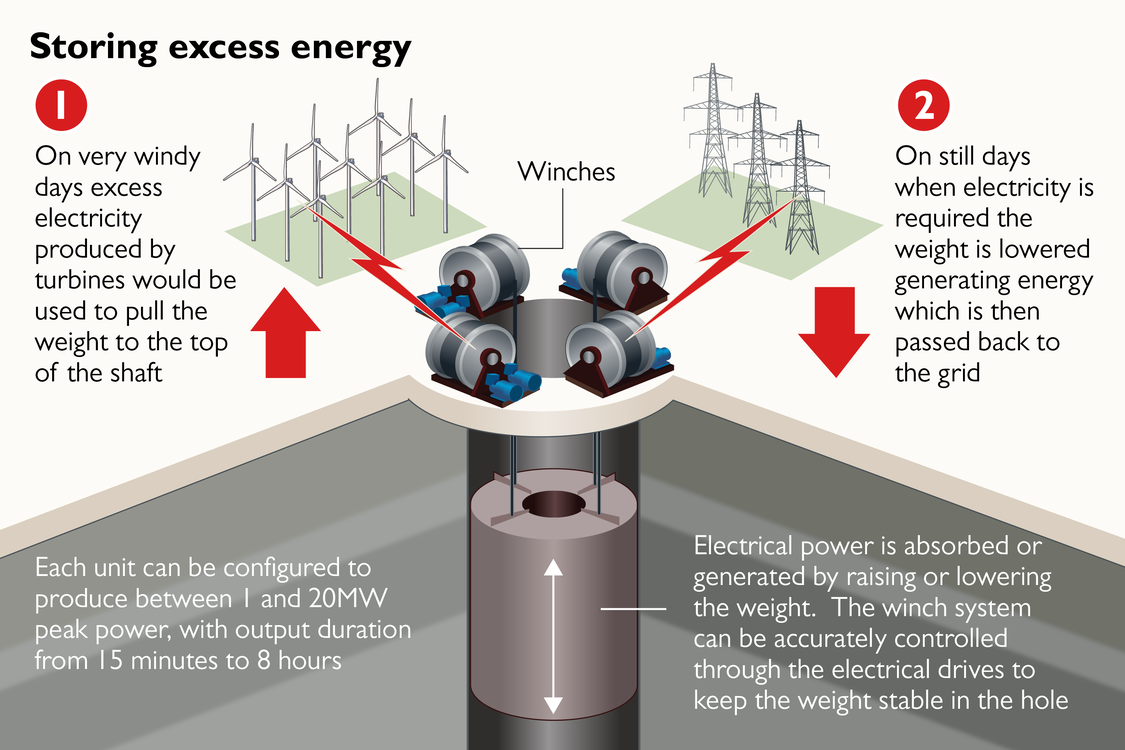
Gravity Energy Storage is an innovative energy storage technology that harnesses gravitational potential energy to store and release electricity. It involves lifting a heavy mass during periods of surplus electricity generation and allowing it to descend when demand rises, thereby converting stored energy back into electricity. The technology is particularly suited for renewable-dominated power systems, where supply fluctuations are frequent.
Working Mechanism
The basic principle of gravity energy storage is simple yet effective:
- During periods of excess renewable energy generation, such as peak solar output, surplus electricity is used to lift a heavy mass—commonly water, concrete blocks, or compressed earth blocks.
- This process converts electrical energy into stored gravitational potential energy.
- When electricity demand exceeds supply or renewable generation falls, the mass is released to descend under gravity.
- The downward motion drives water or mechanical systems through a turbine, generating electricity that is fed back into the grid.
A typical configuration may involve a heavy piston within a fluid-filled cylindrical container, where the piston’s vertical movement enables controlled energy storage and release. Unlike pumped-hydro storage, gravity energy storage systems offer greater flexibility in site selection and do not require large reservoirs or specific topographical features.
Advantages of Gravity Energy Storage
Gravity energy storage offers several strategic advantages that make it attractive for long-term energy planning:
- Long operational life: These systems can operate for several decades with minimal maintenance, unlike batteries which degrade chemically over time.
- Environmentally benign: The absence of toxic chemicals eliminates risks related to pollution, recycling, and disposal, aligning with sustainability goals.
- Cost-effective at scale: Lower lifetime costs of energy and storage make it suitable for large-scale grid applications.
- Flexible deployment: Can be installed in urban, space-constrained, or environmentally sensitive areas where pumped-hydro or large battery systems are not feasible.
- Grid stability: Provides reliable energy during peak demand and enhances grid resilience in renewable-heavy energy systems.
Limitations and Challenges
Despite its potential, gravity energy storage faces certain constraints:
- Early stage of development: High initial capital costs and limited commercial deployment pose adoption challenges.
- Regulatory and infrastructure hurdles: Large-scale installations require regulatory approvals and long-term planning.
- Geographical constraints: Although more flexible than pumped hydro, suitable locations are still required for large infrastructure.
- Lower energy density: Compared to batteries, gravity energy storage is less suitable for compact or small-scale applications.
Significance for Energy Transition
Gravity energy storage represents an important step towards clean, reliable, and sustainable energy systems. By addressing the intermittency of renewable sources, it supports grid stability, energy security, and decarbonisation goals. For countries like India, which are rapidly expanding solar and wind capacity, such storage technologies can play a vital role in achieving energy transition targets, reducing dependence on fossil-fuel-based peaking power, and strengthening climate resilience.
India’s Fusion Energy Roadmap
- 28 Sep 2025
In News:
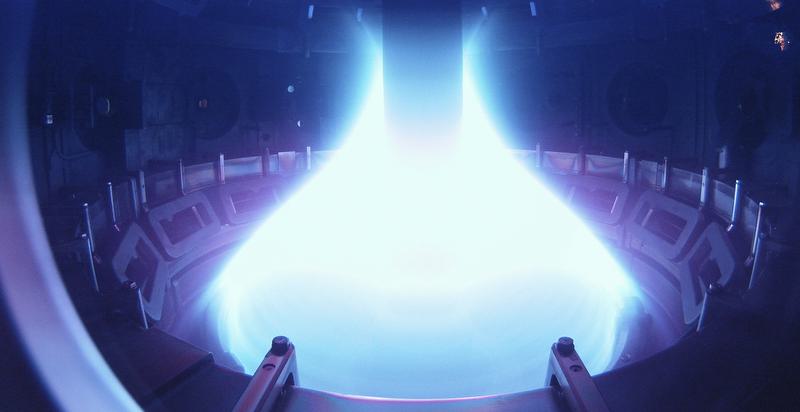
- Researchers at the Institute for Plasma Research (IPR), Gandhinagar, have unveiled a comprehensive roadmap for India’s fusion energy programme.
- This initiative aims to develop the country’s first fusion electricity generator, Steady-state Superconducting Tokamak–Bharat (SST-Bharat), and ultimately commission a demonstration reactor by 2060.
- The roadmap signifies a major step in India’s pursuit of sustainable, high-yield, and low-waste energy alternatives.
Understanding Nuclear Fusion
Nuclear fusion is the process where two light atomic nuclei (like isotopes of hydrogen) merge to form a heavier nucleus, releasing immense energy—similar to the reactions that power the Sun.
It differs from nuclear fission, where heavy atoms split apart to release energy.
Advantages of Fusion over Fission
- Minimal radioactive waste and no long-term storage challenges.
- Abundant fuel sources (deuterium from water, tritium from lithium).
- No greenhouse gas emissions and no meltdown risk.
- High energy density, offering a virtually limitless energy source.
India’s Current Fusion Research Base
- SST-1 Tokamak (IPR, Gandhinagar): India’s first steady-state superconducting tokamak, designed for plasma research. It has achieved plasma duration of ~650 milliseconds, with potential to reach 16 minutes.
- Participation in ITER (France): India contributes technology, components, and funding to the International Thermonuclear Experimental Reactor (ITER), the world’s largest magnetic confinement experiment aimed at demonstrating a Q-value (output/input ratio) of 10.
India’s Fusion Power Roadmap
1. The SST-Bharat Project
- A fusion-fission hybrid reactor proposed as India’s next major milestone.
- Expected output: 130 MW (100 MW from fission, 30 MW from fusion).
- Estimated cost: ?25,000 crore.
- Efficiency target: Five times the input power.
- Acts as a bridge technology toward achieving pure fusion energy.
2. Demonstration Reactor (By 2060)
- Planned 250 MW full-scale reactor.
- Target Q-value: 20 (i.e., producing 20 times more energy than input).
- Will use magnetic confinement, heating plasma to over 100 million°C — much hotter than the Sun’s core (15 million°C).
Technological Innovations Proposed
- Digital Twinning: Creating virtual replicas of tokamak systems to test and optimise operations before physical construction.
- Machine Learning-Assisted Plasma Control: Using AI for real-time monitoring and stability of plasma.
- Radiation-Resistant Materials: Essential for reactor longevity and safety.
- Superconducting Magnet Development: To maintain continuous plasma confinement efficiently.
Global Benchmarks and India’s Position
|
Country/Programme |
Reactor/Initiative |
Target Year |
Notable Achievement |
|
UK |
STEP Programme |
2040 |
Prototype fusion power plant planned |
|
USA |
Private Start-ups |
2030s |
Early grid-connected fusion target |
|
China |
EAST Tokamak |
Ongoing |
Record plasma duration |
|
France |
WEST Tokamak |
2025 |
Maintained plasma for 22 minutes |
|
India |
SST-Bharat & Demo Reactor |
2060 |
Gradual, state-led development path |
While global players pursue faster timelines, India’s approach is cautious but strategic, focused on self-reliance and steady technological progress.
Challenges in India’s Fusion Path
Technological
- Sustaining stable plasma for long durations.
- Achieving Q > 1 (self-sustaining fusion).
- Developing durable superconducting magnets and radiation-resistant materials.
Financial
- High costs: SST-Bharat alone costs ?25,000 crore.
- Competing priorities: Solar, wind, and fission projects receive higher funding.
- Limited private-sector participation compared to global trends.
Policy and Governance
- Absence of a dedicated fusion energy regulatory framework.
- Need for integrated policy support under India’s Net Zero 2070 commitments.
Economic Viability
Experts like M.V. Ramana (University of British Columbia) caution that commercial fusion power remains economically unproven, and timelines are often optimistic. High R&D and construction costs could make fusion electricity expensive compared to renewables.
Strategic and Technological Significance
Even if commercial viability takes time, fusion R&D brings collateral benefits:
- Advances in plasma physics, superconducting technology, and high-temperature materials.
- Development of radiation-hardened components for defence, space, and nuclear industries.
- Strengthened technological autonomy and enhanced participation in global research networks.
India Green Energy Paradox
- 07 Sep 2025
In News:
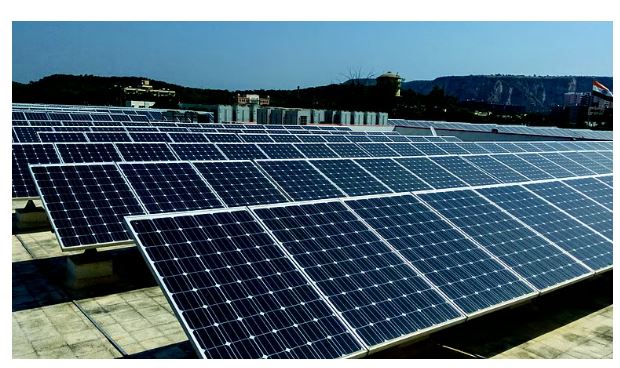
India’s energy sector is witnessing a paradoxical challenge: while 44 GW of renewable energy (RE) capacity is ready for deployment, it remains stranded due to lack of Power Purchase Agreements (PPAs), weak demand absorption, and systemic barriers. This “green energy paradox” highlights the tension between India’s global climate commitments and its domestic energy realities.
Current Energy Landscape
Despite global recognition for its renewable push, India’s energy mix remains heavily dependent on coal:
- Coal & lignite: ~79% of domestic energy (FY23).
- Renewables (excluding large hydro): Only 3.8% of domestic production.
- Oil & gas imports: Over 85% oil and 50% gas, making India highly import-dependent.
While renewable capacity is expanding, India continues to lock itself into long-term coal PPAs, raising both environmental and economic concerns.
Green Energy Paradox: Two Dimensions
1. Supply-Side Readiness
- 44 GW of RE projects are deployment-ready but idle without PPAs.
- Tariff challenges: Solar power in India remains costlier than global benchmarks due to high cost of capital, GST, duties, and import taxes.
- Storage costs: Storage-backed renewables (battery/pumped hydro) raise tariffs to ?6.6–?9/unit, making them uncompetitive against coal.
- Government interventions: Initiatives like the National Solar Mission, Hybrid Policy, Production-Linked Incentive (PLI) for batteries, and Viability Gap Funding (VGF) aim to reduce costs and promote adoption.
2. Demand-Side Weaknesses
- Discom reluctance: Financially stressed state distribution companies (discoms) prefer coal PPAs due to predictable pricing.
- Grid inflexibility: Poor transmission capacity, absence of smart meters, and weak demand-response systems hinder RE integration.
- Slow electrification: With electricity accounting for just 20% of India’s total energy consumption (vs. 28% in China), limited adoption of EVs, electric cooking, and industrial heating suppresses RE demand.
- Reliability deficit: India’s System Average Interruption Duration Index (SAIDI) stands at 600 minutes/year, compared to 35 minutes in Thailand and 46 in Malaysia, deterring energy-intensive industries.
Barriers to Integration
- Structural: Debt-ridden discoms, weak cross-subsidy frameworks, and lack of flexible grids.
- Economic: High capital costs, expensive borrowing, and unviable storage solutions.
- Environmental: Long-term coal lock-ins undermine India’s Net Zero 2070 goals, while idle RE capacity delays emissions reduction.
Initiatives Taken
- Renewable Purchase Obligations (RPOs): Mandate states to procure RE, though targets often clash with local grid capability.
- Green Open Access Rules (2022): Allow industries to directly purchase renewable power, bypassing discoms.
- National Green Hydrogen Mission: Positions hydrogen as a long-term storage solution and clean fuel.
- PLI for batteries and India Semiconductor Mission: Support indigenous storage manufacturing.
TRISO Nuclear Fuel
- 11 Aug 2025
In News:
The United States Department of Energy (DOE) has selected Standard Nuclear as the first company to establish a domestic supply chain for TRi-structural ISOtropic (TRISO) nuclear fuel, marking a major step toward reducing dependence on Russian uranium and advancing nuclear innovation. The initiative, part of DOE’s Fuel Line Pilot Program (2025), is designed to strengthen US energy security, promote private sector participation, and accelerate the deployment of advanced nuclear reactors.
Why TRISO Matters
TRISO is a next-generation nuclear fuel specifically engineered for high-temperature gas-cooled reactors (HTGRs) and molten salt-cooled reactors, both of which fall under Generation IV (Gen-IV) advanced reactor designs.
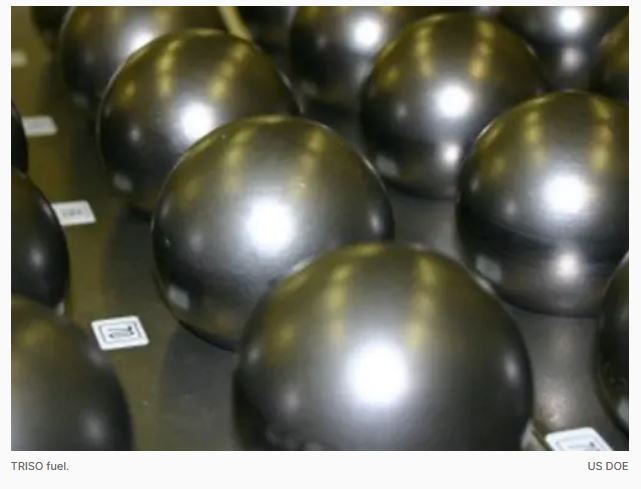
- Composition: TRISO fuel consists of a uranium–carbon–oxygen fuel kernel encapsulated by three protective layers of carbon and ceramic materials.
- Form: The particles are extremely small—seed-sized—and can be fabricated into cylindrical pellets or “pebbles.”
- Key Features:
- Extreme durability: Resistant to neutron irradiation, corrosion, oxidation, and very high temperatures.
- Self-containment: Each particle acts as its own containment system, preventing radiation leakage even under extreme reactor conditions.
- Versatility: Compatible with multiple advanced reactor designs, including small modular reactors (SMRs).
This makes TRISO structurally and functionally superior to conventional nuclear fuels, ensuring safer, more reliable, and more efficient reactor performance.
Strategic Implications
- Energy Security & Supply Chains
- The US has historically relied on imports of enriched uranium, particularly from Russia.
- By developing domestic TRISO production in Tennessee and Idaho, the DOE seeks to build a resilient nuclear fuel ecosystem independent of geopolitical disruptions.
- Advanced Reactor Deployment
- DOE’s Advanced Reactor Demonstration Program targets at least three new advanced reactor designs to achieve criticality by July 4, 2026.
- TRISO fuel is central to this push, enabling safer operation of SMRs and Gen-IV reactors, both of which are crucial to America’s clean energy transition.
- Private–Public Partnership
- Standard Nuclear will finance construction, operation, and decommissioning of TRISO fabrication facilities.
- Reactor developers will source nuclear material feedstock, partly through DOE’s high-assay low-enriched uranium (HALEU) allocation program.
- Technological Momentum
- Other firms, such as BWX Technologies (BWXT), have also developed TRISO production lines, including uranium nitride TRISO, in collaboration with Idaho and Oak Ridge National Laboratories.
- These advancements reinforce US leadership in nuclear innovation while supporting its broader climate and national security goals.
Biochar in India
- 10 Aug 2025
In News:
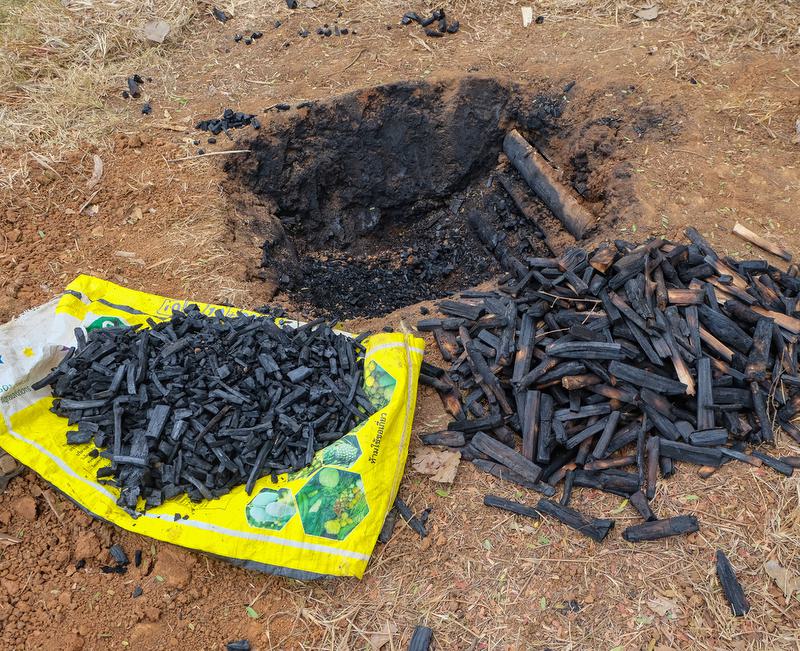
India is set to launch its carbon credit trading market in 2026, with biochar emerging as a promising carbon dioxide removal (CDR) technology. Biochar is a carbon-rich, porous, and stable substance produced through pyrolysis (burning biomass without oxygen) ofagricultural residue and municipal solid waste. It offers multiple co-benefits spanning climate mitigation, agriculture, energy, construction, and wastewater treatment.
India’s Untapped Biochar Potential
- Resource base: India generates 600+ million tonnes of agricultural residue and 60+ million tonnes of municipal solid waste annually, much of which is burnt or dumped, causing air pollution and GHG emissions.
- Carbon removal: Converting 30–50% of surplus biomass can yield 15–26 million tonnes of biochar, sequestering ~0.1 gigatonne of CO?-eq annually.
- Byproducts:
- Syngas (20–30 MT): Can generate 8–13 TWh electricity, replacing 0.4–0.7 MT coal/year.
- Bio-oil (24–40 MT): Can offset 8% of diesel/kerosene demand, reducing >2% of India’s fossil-fuel-based emissions.
- Employment: Village-level pyrolysis units could create 5.2 lakh rural jobs, linking waste management with livelihoods.
Multi-Sectoral Applications
1.Agriculture and Soil Health
- Enhances soil organic carbon and fertility.
- Improves water retention, critical for semi-arid regions.
- Reduces fertilizer needs by 10–20% and increases crop yields by 10–25%.
- Cuts N?O emissions by 30–50% (273× more potent than CO?).
- Example: Andhra Pradesh’s Community Managed Natural Farming has piloted biochar to improve soil quality.
2. Energy and Fuel Substitution
- Syngas and bio-oil provide renewable energy for rural micro-grids and transport.
- Example: Maharashtra pilot projects use pyrolysis gas to replace diesel generators.
3. Construction Sector
- Adding 2–5% biochar to concrete:
- Increases mechanical strength and heat resistance (+20%).
- Sequesters ~115 kg CO? per cubic metre.
- Offers a green alternative to cement, key for India’s infrastructure push.
- Example: IIT-Madras research shows biochar-concrete mix lowers embodied carbon in buildings.
4. Wastewater Treatment
- 1 kg biochar can treat 200–500 litres of wastewater.
- With India producing 70 billion litres/day (72% untreated), biochar offers low-cost, decentralised treatment solutions for rural and urban areas.
Atomic Energy Regulatory Board (AERB)
- 08 Jul 2025
In News:
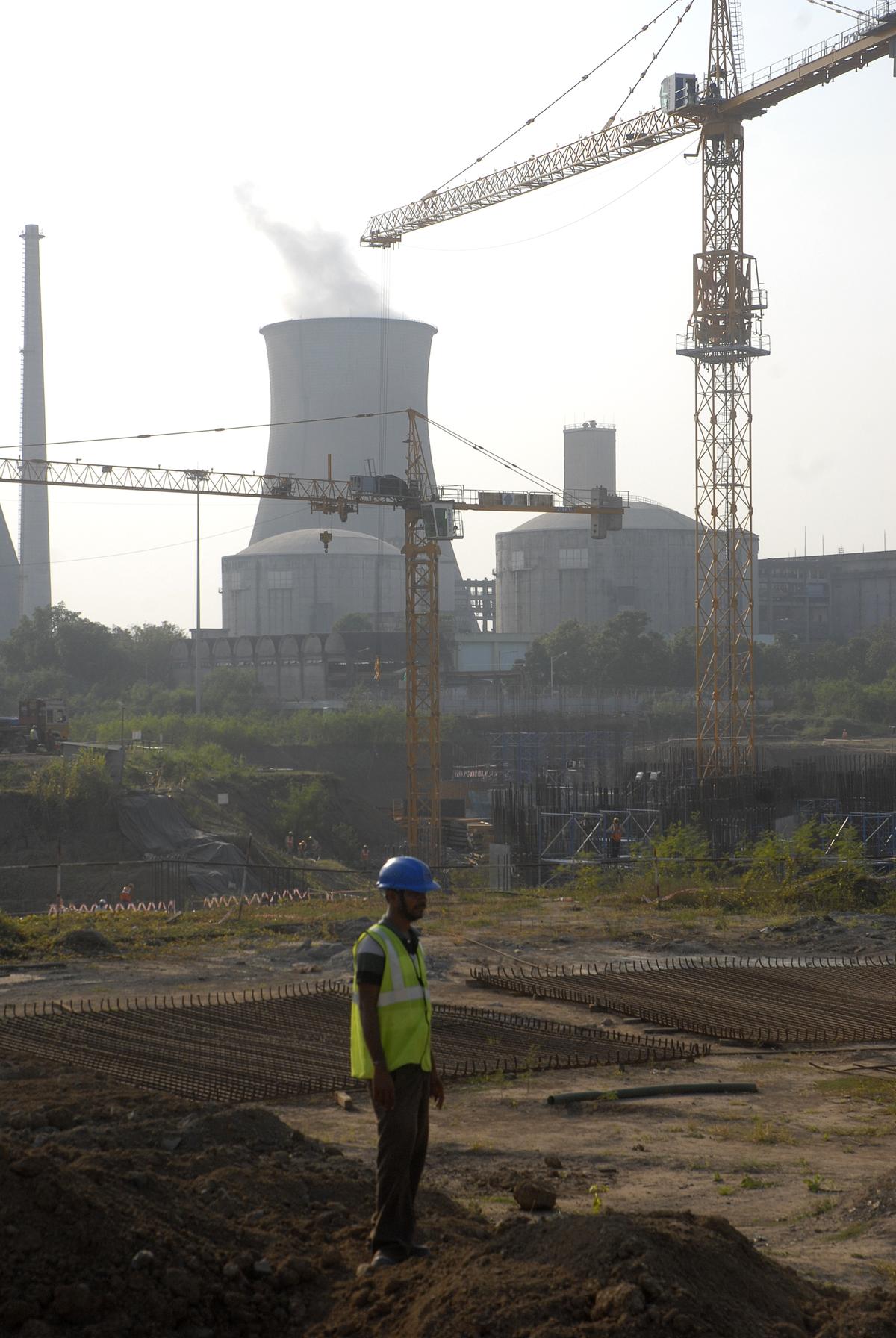
India’s nuclear regulator, the Atomic Energy Regulatory Board (AERB), has granted the Licence for Operation of Units 3 and 4 of the Kakrapar Atomic Power Station (KAPS) in Gujarat — India’s first indigenously developed 700 MWe Pressurised Heavy Water Reactors (PHWRs).
Key Highlights:
- Operational Approval: The AERB concluded multi-stage design and commissioning safety reviews before granting the licence for both reactors.
- KAPS-3: Achieved full-power commissioning in August 2023.
- KAPS-4: Achieved full-power commissioning in August 2024.
- Licence Details:
- Issued on July 3, 2025.
- Valid for a period of five years.
- Granted to the Nuclear Power Corporation of India Limited (NPCIL).
Significance of the Development:
- These reactors are part of India’s first fleet of 700 MWe PHWRs, marking a major milestone in the country’s indigenous nuclear energy capabilities.
- The licensing process involved rigorous multi-tiered safety assessments spanning the full lifecycle:
- Siting
- Construction
- Commissioning
- Full-power operation
- Review was conducted with contributions from AERB and technical support organisations, involving over 15 years of evaluation.
India’s PHWR Progression:
|
Design |
Capacity |
Number |
Remarks |
|
PHWR |
220 MWe |
15 |
Operational |
|
PHWR |
540 MWe |
2 |
Operational |
|
PHWR |
700 MWe |
2 (KAPS-3 & 4) |
Now Licensed |
- The 700 MWe PHWR design is an upgraded version of the 540 MWe model.
- A similar 700 MWe reactor began commercial operation at Rawatbhata (Rajasthan) in March 2025.
Broader Impact:
- The licence is a boost to NPCIL’s fleet-mode approach, which involves building 10 such 700 MWe PHWRs across India.
- It reinforces India’s commitment to self-reliance in nuclear technology under the broader Atmanirbhar Bharat initiative.
- It enhances the nation's ability to meet low-carbon energy targets through domestic nuclear capacity.
India Energy Stack (IES)
- 02 Jul 2025
In News:
In a transformative move aimed at digitising India’s power sector, the Ministry of Power has announced the conception of the India Energy Stack (IES) — a Digital Public Infrastructure (DPI) initiative designed to build a unified, secure, and interoperable digital ecosystem across the energy value chain.
This effort aligns with India’s goals of achieving a $5 trillion economy and meeting its Net Zero commitments, while addressing the growing complexities of a rapidly evolving energy landscape marked by renewables, electric vehicles, and consumer-centric markets.
What is India Energy Stack (IES)?
The India Energy Stack is envisioned as a standardised, open, and secure digital infrastructure to:
- Streamline operations in the power sector
- Empower consumers with access to real-time, consent-based data
- Integrate renewable energy into the national grid
- Enhance the efficiency of Distribution Companies (DISCOMs)
The initiative is spearheaded by the Ministry of Power, drawing inspiration from successful DPI models like Aadhaar (identity) and UPI (digital payments).
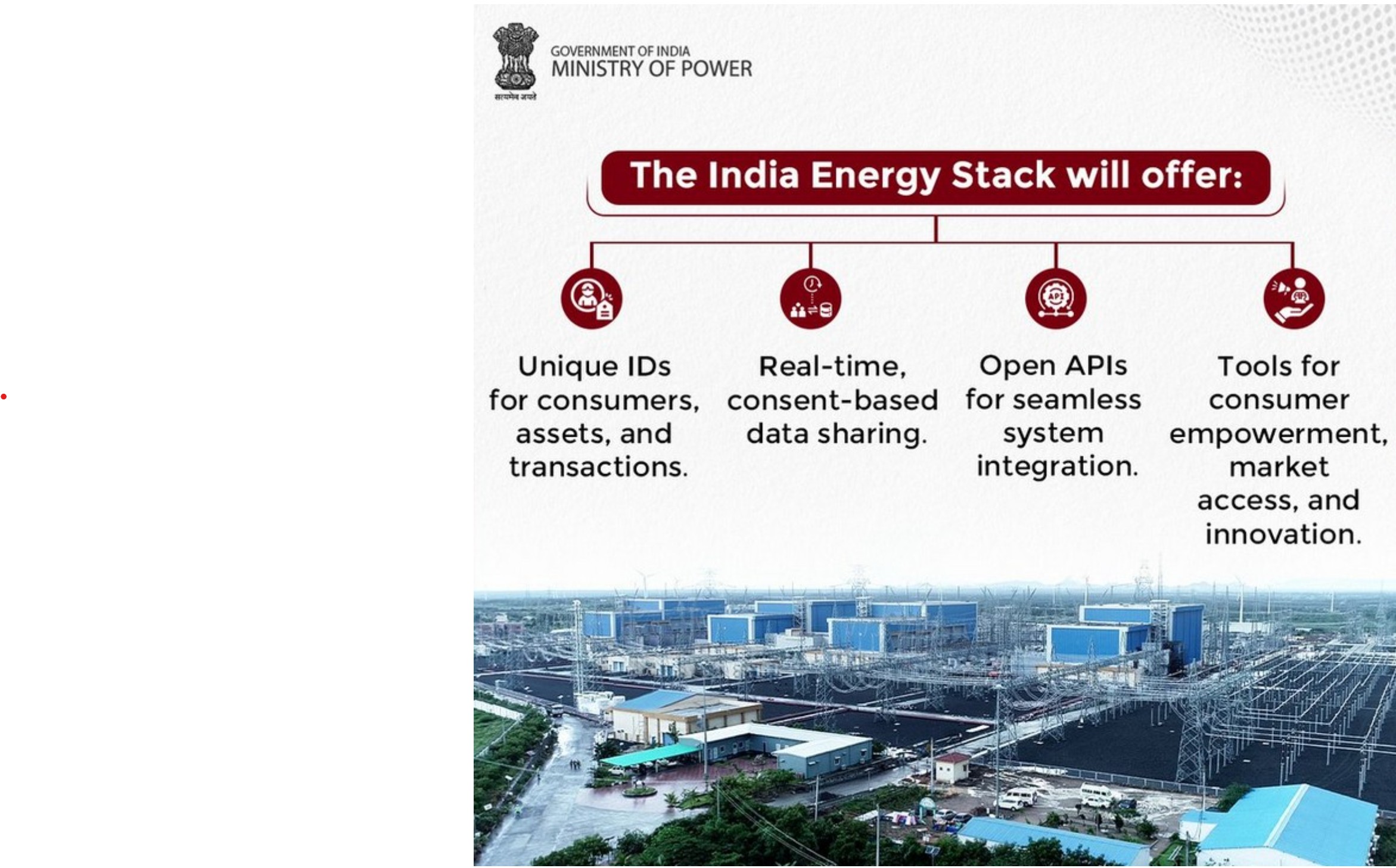
Core Features of IES
- Unique IDs: Assigned to consumers, assets, and energy transactions
- Real-time Data Sharing: Consent-based access for secure and accountable data exchange
- Open APIs: Enabling seamless integration across utility systems and third-party applications
- Consumer Empowerment Tools: Market access platforms, billing transparency, demand response options, and innovation support
- Interoperability: Standardised protocols for all stakeholders in the electricity ecosystem
Implementation Strategy
1. Proof of Concept (PoC) – 12 Months
A year-long pilot phase will test the India Energy Stack using real-world scenarios in partnership with selected utilities and DISCOMs.
2. Utility Intelligence Platform (UIP)
The UIP is a modular, analytics-driven application built on the India Energy Stack. It aims to:
- Provide real-time insights to utilities, policymakers, and regulators
- Enable smart energy management
- Enhance decision-making for grid operations and consumer services
3. Pilot Regions
The PoC will be conducted in collaboration with DISCOMs in:
- Mumbai
- Gujarat
- Delhi
Institutional Framework
- A dedicated Task Force has been established by the Ministry of Power.
- It includes experts from:
- Technology domain
- Power sector operations
- Regulatory bodies
- The Task Force will guide:
- System architecture design
- Pilot implementation
- National scale-up strategy
Expected Outcomes
- India Energy Stack White Paper for public consultation
- UIP deployment in pilot cities
- National roadmap for phased rollout of IES across all states and UTs
- Improved grid stability, energy access, and transparency in service delivery
- Enhanced integration of renewable energy sources into the mainstream grid
Significance for India’s Power Sector
The India Energy Stack has the potential to be a game-changer for the power sector, enabling:
- Modernisation of legacy systems
- Digital empowerment of consumers
- Efficient energy trading and billing
- Decentralised and democratised power governance
As India undergoes its green energy transition, IES will serve as the digital spine supporting clean, accountable, and consumer-centric power distribution.
Ghatampur Thermal Power Project
- 02 Jun 2025
In News:
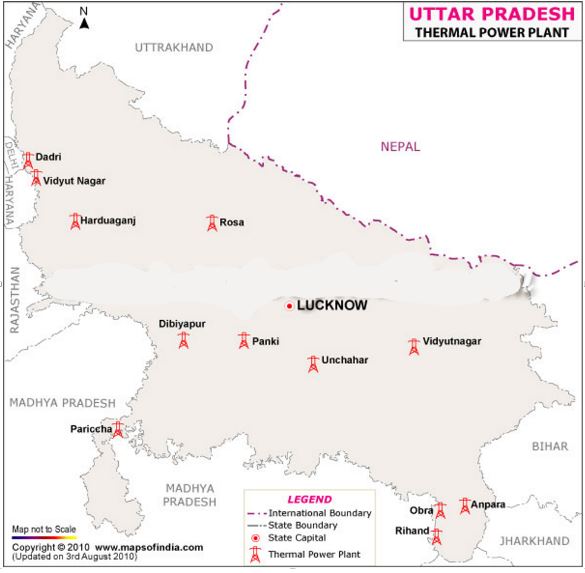
Prime Minister Narendra Modi recently dedicated Unit-1 (660 MW) of the Ghatampur Thermal Power Project, located in Kanpur Nagar, Uttar Pradesh, marking a major step forward in India’s thermal power capacity and energy security goals.
Project Overview
- Location: Ghatampur, Kanpur Nagar District, Uttar Pradesh
- Implementing Agency: Neyveli Uttar Pradesh Power Ltd (NUPPL) — a joint venture between
- NLC India Ltd (51% share)
- Uttar Pradesh Rajya Vidyut Utpadan Nigam Ltd (UPRVUNL) (49% share)
- Total Capacity: 3 units × 660 MW = 1,980 MW
- Project Cost: ?21,780.94 crore
Commissioning Timeline
- Unit-1 (660 MW): Commissioned in December 2024, dedicated in May 2025
- Remaining Units: Expected to be operational by December 2025
Power Distribution Agreement
- Uttar Pradesh: Receives 75.12% (1,487.28 MW) of the total power
- Assam: Allocated 24.88% (492.72 MW), subject to transfer of 20% equity from UPRVUNL to Assam Government
Technological and Environmental Features
- Efficient Supercritical Technology:Utilizes supercritical boilers with 88.81% efficiency, reducing fuel usage and emissions.
- Zero Liquid Discharge (ZLD):Ensures no industrial wastewater release, protecting surrounding land and water bodies.
- Air Pollution Control:Equipped with modern pollution mitigation systems:
- Selective Catalytic Reduction (SCR) – Controls NOx emissions
- Flue Gas Desulphurization (FGD) – Reduces SOx emissions
- Continuous Emission Monitoring System (CEMS) and Ambient Air Quality Monitoring Stations (AAQMS) – Ensure real-time pollution tracking
- Water Conservation Measures:
- 288 km of canal lining saves approx. 195 million litres/day
- Raw water storage capacity of 46 lakh cubic meters
Fuel Security
- The plant sources coal from its own captive mine, producing 9 million tonnes annually.
- It maintains a 30-day coal stockpile, equivalent to 10.165 lakh tonnes, ensuring uninterrupted operation.
India–U.S. Energy Cooperation
- 09 May 2025
In News:
U.S. Vice-President J.D. Vance recently reaffirmed strong bilateral engagement with India in the domains of energy and defence. In parallel, India underscored the need to prioritiseenergy security, technology transfer, and collaboration on critical minerals as pillars of this strategic partnership.
Major India–U.S. Energy Initiatives
- Strategic Clean Energy Partnership (SCEP):Facilitates cooperation across bioenergy, solar power, hydrogen fuels, and energy efficiency measures.
- Initiative on Critical and Emerging Technology (iCET):Focused on advanced technologies such as clean energy, Artificial Intelligence (AI), quantum computing, and Small Modular Reactors (SMRs).
- Civil Nuclear Cooperation:Aims to enhance technology exchange and investments aligned with India’s goal of achieving 100 GW of nuclear capacity by 2047.
- Critical Minerals MoU (2024):Establishes a framework for resilient and transparent supply chains for rare earth elements and critical minerals, along with potential third-country investment opportunities.
Rationale for Strengthening the Energy Partnership
- Energy Security:India’s transition to a $5 trillion economy requires uninterrupted, affordable energy access.
?Example: India's energy import bill reached $153 billion in FY 2023–24, highlighting the need for long-term partnerships. - Climate Commitments:To achieve net-zero emissions by 2070, India must scale up investments in low-carbon technologies, including nuclear, renewables, and green hydrogen.
- Mineral Supply Chain Diversification:With China dominating over 90% of rare earth processing, India seeks reliable and democratic supply partnerships to support its clean energy transition.
- Infrastructure and Financing Needs:Developing nuclear energy infrastructure alone could demand over $180 billion by 2047, requiring foreign capital, joint ventures, and technology collaboration.
Proposed Roadmap for Enhancing Bilateral Energy Ties
- Legal Reform:Revisit the Civil Liability Act to facilitate private sector participation in India's nuclear sector.
?Example: Proposed transfer of SMR technology from Holtec to Indian companies (e.g., L&T, Tata Consulting) requires legal assurances. - Strategic Mineral Reserves Collaboration:Joint stockpiling via India’s Strategic Petroleum Reserves and the U.S. National Defense Stockpile can buffer supply shocks.
- India–U.S. Mineral Exchange Platform:Launch a digital trade and traceability platform using blockchain technology to enhance transparency and co-investment.
- Leverage the Quad Partnership:Deepen trilateral mineral partnerships with Australia and Japan, focusing on processing facilities, R&D hubs, and outreach to resource-rich African nations.
- Accelerate Nuclear Rollout:Standardise nuclear reactor designs, streamline regulatory approvals, and aim to install 5–6 GW of new nuclear capacity annually by the early 2030s.
- Green Financing Mechanisms:Develop innovative funding frameworks such as green bonds, blended finance, and leverage multilateral funding for clean energy and mineral projects.
Global Wind Energy Report 2025
- 05 May 2025
In News:
The Global Wind Energy Council (GWEC), in its Global Wind Report 2025, has warned that current global wind energy growth is insufficient to meet the targets aligned with the Paris Agreement and net-zero emissions by 2050. As per the report, at current trends, only 77% of the wind capacity required by 2030 will be achieved — putting the 1.5°C global warming limit at serious risk.
Global Wind Energy Landscape (as of 2024)
- New Capacity Added: 117 GW (up from 116.6 GW in 2023)
- Total Global Capacity: 1,136 GW
- Leading Countries:
- China: 70% of new installations
- USA, Brazil, India, and Germany followed.
- Emerging Markets: Uzbekistan, Egypt, and Saudi Arabia showed significant growth.
- Regional Progress:
- Africa and Middle East: Onshore wind capacity doubled compared to previous years.
- Offshore Wind: Only 8 GW added (down 26% from 2023), the lowest since 2021.
Key Challenges Identified by GWEC
- Policy Uncertainty: Regulatory delays and instability in key markets.
- Grid Infrastructure Deficits: Underinvestment in transmission and distribution systems.
- Financial Constraints: Inflation, high interest rates, trade protectionism.
- Market Inefficiencies: Weak renewable energy auction systems.
Global Commitments & Urgency
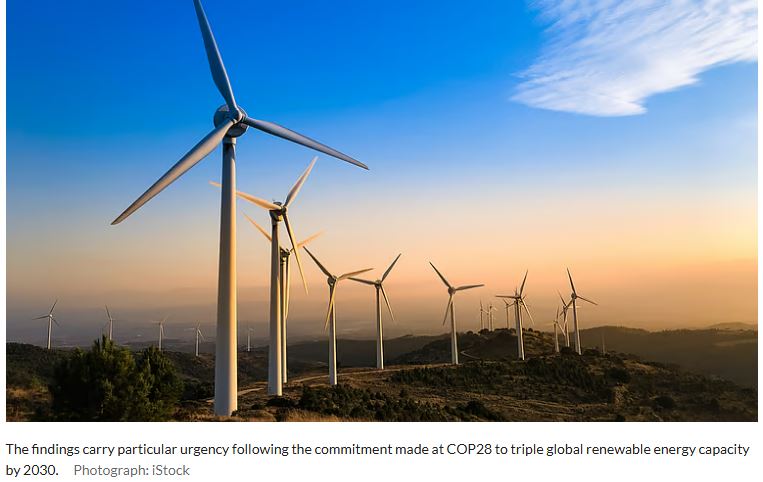
- At COP28 (Dubai), countries pledged to triple renewable energy capacity by 2030.
- To align with this goal, annual wind installations must rise to 320 GW by 2030.
- Failure to scale up urgently risks missing a vital climate mitigation window.
Wind Energy in India – Status and Prospects (as of March 2025)
- Total Installed Capacity: 50.04 GW
- Capacity Added (FY 2024–25): 4.15 GW
- (Up from 3.25 GW in FY 2023–24)
- Global Rank: 4th largest wind power producer (after China, USA, Germany)
- Top States:
- Gujarat
- Tamil Nadu
- Karnataka
- Manufacturing Strength: Domestic wind turbine manufacturing capacity is ~18,000 MW/year.
- Offshore Wind Potential:
- Gujarat: 36 GW
- Tamil Nadu: 35 GW
IEA Global Energy Review 2025
- 28 Mar 2025
In News:
The world's energy demand grew at 2.2% in 2024, a pace described as "faster than average" by the International Energy Agency (IEA) in its Global Energy Review.
Key Highlights:
Global Energy Demand
- Global energy demand grew by 2.2% in 2024, faster than the average of the past decade.
- Emerging and developing economies accounted for over 80% of the increase, with Asia leading the growth.
- Electricity demand rose 4.3%, nearly double the past decade's average.
Rise of Renewables
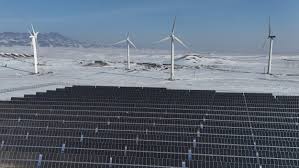
- Renewables were the fastest-growing energy source, contributing 38% of global energy growth.
- A record 700 GW of renewable power capacity was added globally in 2024 (22nd consecutive annual record).
- Low-emission sources (renewables + nuclear) accounted for 80% of the increase in electricity generation.
Key Country Contributions:
- China added:340 GW solar and 80 GW wind (≈ two-thirds of global additions).
- India added:30 GW solar, triple the previous year's addition.
Global Renewable Generation (2024):
- Solar: +480 TWh
- Wind: +180 TWh
- Hydropower: +190 TWh (mainly due to favorable weather, not capacity increase)
Coal Trends:
- Coal demand rose 1%, reaching a record high in 2024.
- China derives 60% of its electricity from coal; India, about 75%.
- Coal’s global electricity share dropped to 35% – the lowest since the IEA's inception in 1974.
- The seaborne coal market is shrinking as top consumers are also top producers with domestic-use policies.
Natural Gas Outlook
- Natural gas demand rose 2.7%, hitting a record 115 billion cubic metres in 2024.
- Driven by:
- China's adoption of LNG trucks
- Heatwaves increasing power demand
- However, demand fell in late 2024 due to rising LNG spot prices, indicating price sensitivity in Asia.
Crude Oil Demand Slows
- Oil demand grew just 0.8%, mainly from the petrochemical sector.
- Transport-related oil use declined due to:
- Growth in electric vehicles (EVs) (especially in China)
- Expansion of LNG trucks and high-speed rail networks
About the International Energy Agency (IEA)
- Founded: 1974 (post-1973 oil crisis) by OECD nations.
- HQ: Paris, France.
- Members: 31 countries (only OECD nations can be full members); India is an association country.
- Mandate: Energy security, sustainability, and global cooperation.
- Key Reports: World Energy Outlook, India Energy Outlook, World Energy Investment Report, Global Energy Review.
GEAPP and ISA Sign $100 Million Agreement for Solar Projects
- 12 Jan 2025
In News:
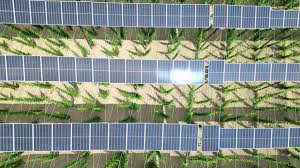
The Global Energy Alliance for People and Planet (GEAPP) signed a Multi-Donor Trust Fund (MDTF) agreement with the International Solar Alliance (ISA) to mobilize $100 million for funding high-impact solar energy projects. This collaboration is part of a wider effort to accelerate India's clean energy transition, bridge financing gaps, and enhance the country's energy systems. Along with this agreement, two other key initiatives were announced:
- DUET (Digitalization of Utilities for Energy Transition)
- ENTICE 2.0 (Energy Transitions Innovation Challenge)
These programs aim to address energy transition challenges by fostering scalable, cost-efficient solutions, digitalizing utilities, and supporting innovations for sustainable energy.
Key Features:
- Multi-Donor Trust Fund (MDTF):
- The MDTF aims to raise and deploy $100 million to finance impactful solar energy projects, with ISA driving the strategic direction.
- GEAPP’s Project Management Unit will provide governance, fundraising, and technical expertise to ensure project success.
- The collaboration emphasizes the importance of solar energy in achieving India's clean energy goals.
- DUET (Digitalization of Utilities for Energy Transition):
- Focuses on transforming grid systems by digitalizing grid assets and integrating them with smart sensors.
- Real-time data will help reduce transmission losses and facilitate Battery Energy Storage Systems (BESS) deployment, assisting in the integration of Distributed Renewable Energy (DRE) into the grid.
- ENTICE 2.0 (Energy Transitions Innovation Challenge):
- A platform for identifying and scaling innovative solutions to accelerate the clean energy transition, especially within India's growing startup ecosystem.
- Focuses on supporting investable opportunities for energy transition solutions, building on the earlier success of ENTICE 1.0.
Global Impact of GEAPP:
GEAPP, launched with an initial commitment of $464 million, has already funded 130 projects across 40 countries. These projects have impacted over 50 million people, helping reduce 43 million tons of CO2 emissions. The collaboration with ISA is expected to deepen GEAPP's efforts in mobilizing capital to foster clean energy access and tackle climate change.
India’s Clean Energy Transition:
India has already extended electricity access to over 800 million people, but about 2.5% of households still remain unelectrified. Distributed renewable energy, especially solar energy, will play a pivotal role in reaching these underserved populations. India aims for 47 GW of battery energy storage systems by 2032, which will support grid stability and energy access.
Additional Initiatives and Impact:
- Battery Energy Storage Systems (BESS):
- GEAPP has also supported India’s first commercial standalone BESS project, which will provide 24/7 power to over 12,000 low-income customers.
- The project is set to lower electricity tariffs by 55%, benefiting economically disadvantaged communities.
- Strategic Alliances:
- The partnership with ISA and the strategic initiatives like DUET and ENTICE 2.0 aim to further India’s climate and energy goals, bringing renewable energy solutions to underserved regions, and supporting the country's energy security.
Role of GEAPP and ISA:
- GEAPP works to mobilize financing, provide technical expertise, and ensure effective implementation of renewable energy projects globally.
- ISA focuses on solar energy solutions, and with this agreement, it seeks to enhance the solar energy capacity in its member countries, aligning with climate targets.
About GEAPP:
GEAPP is a multi-stakeholder alliance comprising governments, philanthropy, technology partners, and financial institutions. Its goal is to transition developing economies to clean energy while enhancing economic growth. It aims to:
- Reduce 4 gigatons of carbon emissions.
- Provide clean energy access to 1 billion people.
- Create 150 million new jobs globally.
New Method to Improve Nitrogen Use Efficiency (NUE)
- 10 Jan 2025
In News:
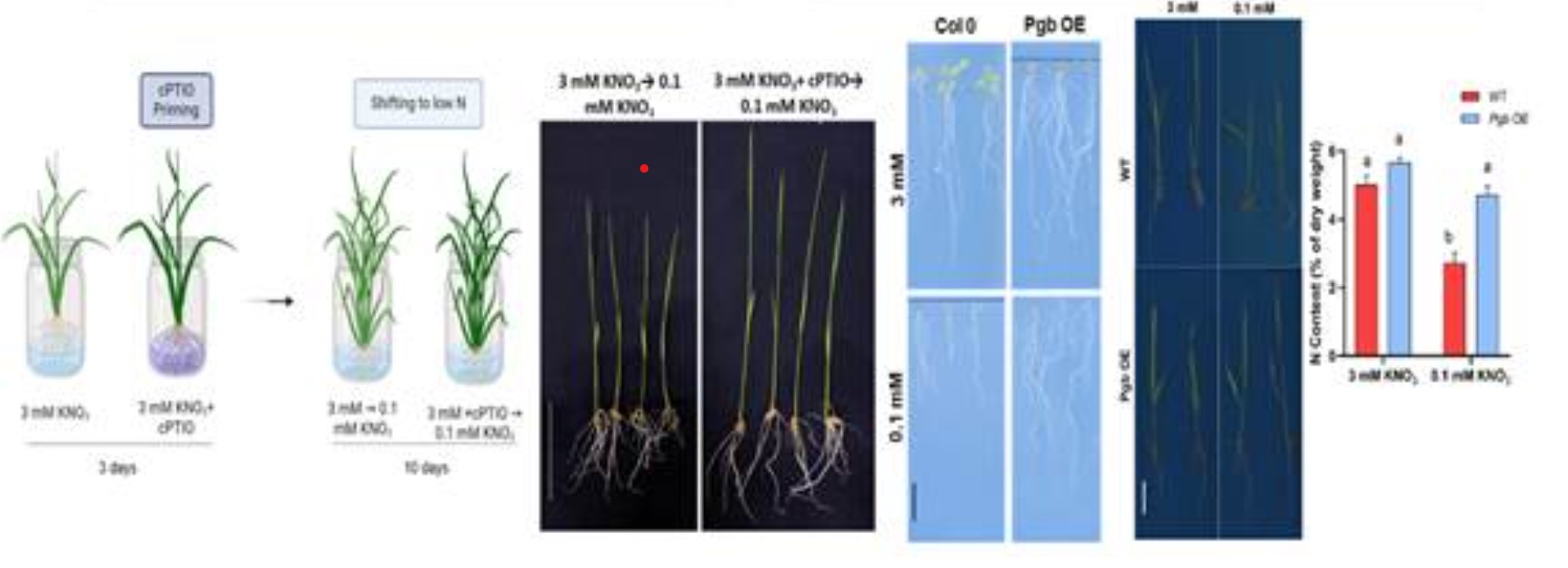
A recent breakthrough in agricultural research offers a promising solution to improve Nitrogen Use Efficiency (NUE) in crops, particularly in rice and Arabidopsis, by reducing nitric oxide (NO) levels in plants. This innovative approach provides an environmentally sustainable way to enhance crop yields while minimizing the need for synthetic nitrogen fertilizers, which have significant ecological and economic drawbacks.
Key Findings and Research Overview:
- Reducing NO Levels: The study, conducted by researchers at the National Institute of Plant Genome Research (NIPGR), demonstrated that by reducing nitric oxide (NO) levels in plants, nitrogen uptake could be significantly improved. This leads to a better NUE, a crucial factor for enhancing crop yield sustainably.
- NUE and Its Importance: NUE refers to the efficiency with which plants use nitrogen for biomass production. Improving NUE allows for higher crop yields with less fertilizer input, reducing costs and minimizing nitrogen-related environmental pollution.
- Traditional Approaches and Their Limitations: Current techniques to improve NUE primarily rely on the use of inorganic nitrogen fertilizers. These methods, though effective, have several downsides:
- They involve high operational costs for farmers.
- Excessive fertilizer use contributes to the emission of nitrogen oxides (NOx) and other pollutants.
- The production of these fertilizers also contributes to greenhouse gas emissions.
In contrast, the new study proposes a genetic and pharmacological manipulation of NO levels, offering a sustainable alternative to these traditional, resource-heavy methods.
Study Methodology:
The research team employed both genetic and pharmacological approaches to regulate NO levels in plants:
- Phytoglobin Overexpression: By overexpressing phytoglobin (a natural NO scavenger), the researchers increased the expression of high-affinity nitrate transporters (HATs) like NRT2.1 and NRT2.4. These transporters are essential for efficient nitrogen uptake.
- NO Donor and Scavenger Treatments: Plants were treated with NO donor (SNAP) and NO scavenger (cPTIO) to monitor the effects on NUE.
- Results: The treatment led to more efficient nitrogen uptake, especially under low NO conditions, by enhancing the expression of HATs. This method could increase plant growth and nitrogen utilization without relying on excessive fertilizer use.
Significance and Impact:
This research provides a pathway to enhance crop yield sustainably by addressing one of the most critical challenges in modern agriculture—reducing the reliance on nitrogen fertilizers. By modulating NO levels to regulate nitrogen uptake, this approach offers:
- Reduced need for synthetic fertilizers, lowering farmers' operational costs.
- Minimized environmental impact, including lower nitrogen oxide emissions and less nitrogen runoff.
- Improved nitrogen uptake efficiency, ensuring better crop yields, especially under conditions with limited nitrogen availability.
Broader Implications:
- Global Nitrogen Challenges:
- The overuse of nitrogen fertilizers has been a major driver of nitrogen pollution, leading to issues like eutrophication, biodiversity loss, and climate change.
- According to the Food and Agriculture Organization (FAO), excessive nitrogen use has worsened environmental conditions globally, while many regions, particularly in low-income countries, suffer from nitrogen depletion, which reduces crop productivity.
- Health and Environmental Risks:
- Nitrogen pollution contributes to health issues like methemoglobinemia (blue baby syndrome) and various long-term diseases.
- Nitrogen compounds also play a role in greenhouse gas emissions, further exacerbating climate change.
- Future Directions for Sustainable Agriculture:
- This study highlights the need for innovative nitrogen management strategies, integrating both biological and genetic approaches to optimize nitrogen use.
- Research is underway to develop NO scavenging formulations and identify bacteria that could be used in soil to enhance NUE in plants.
- Policy Recommendations:
- Governments should focus on reducing the environmental and health impacts of nitrogen fertilizer production and usage by promoting sustainable farming practices.
- Encouraging biological nitrogen fixation through crops like soybeans and alfalfa, and investing in low-emission fertilizers, can help mitigate nitrogen pollution.
Masali Village in Gujarat
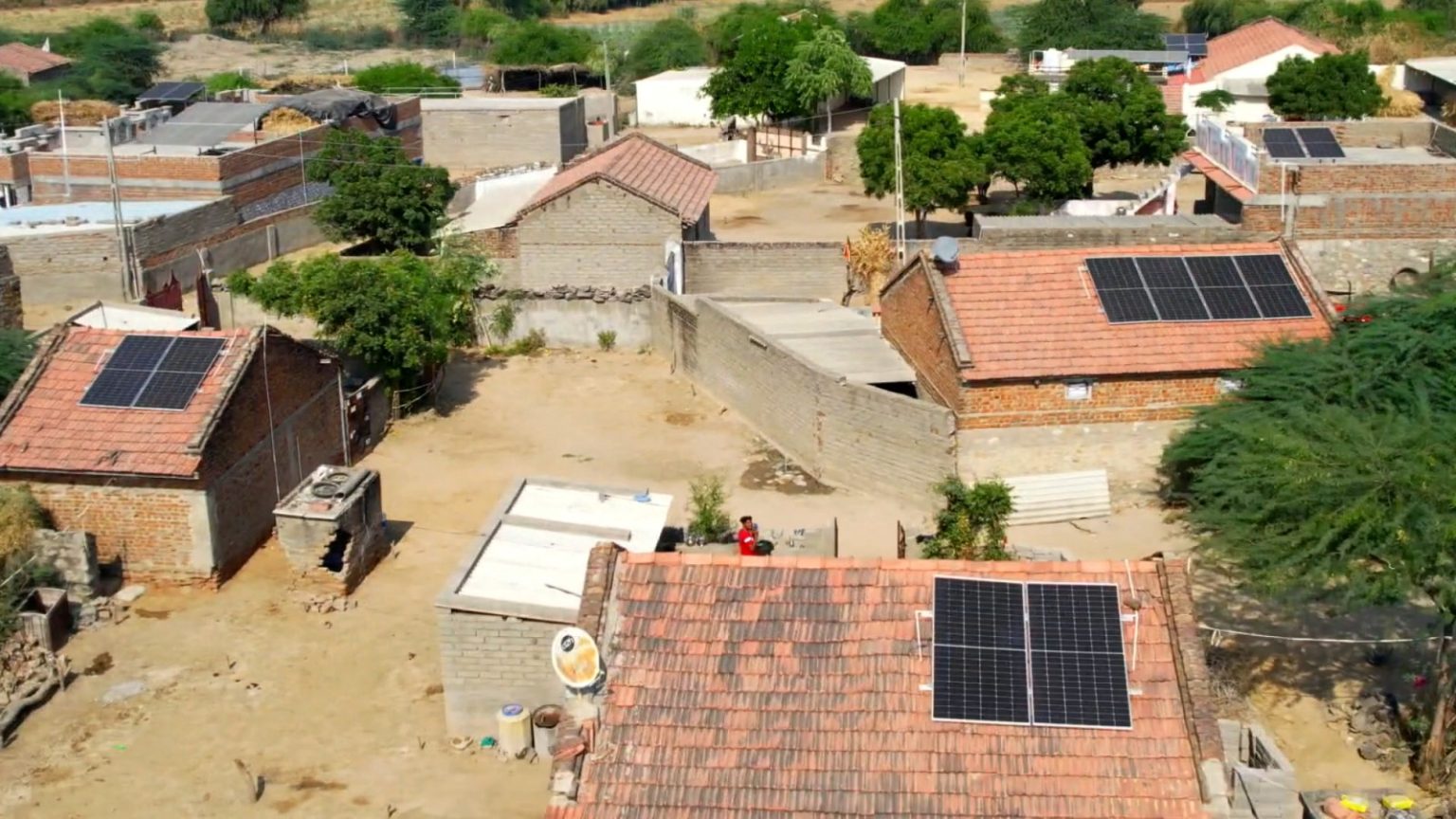
- 20 Dec 2024
In News:
In Gujarat, Masali village in Banaskantha district has become country’s first solar border village.
Key Highlights:
Location:
Masali village is located in Banaskantha district, Gujarat, approximately 40 kilometers from the Pakistan border. The village, with a population of around 800 people, has recently achieved a significant milestone by becoming India’s first fully solar-powered border village.
Solarization Initiative:
Under the PM Suryaghar Yojana, the village has installed solar rooftops on 119 houses. These solar installations collectively generate over 225 kilowatts of electricity, which is more than sufficient to meet the village’s energy needs. This initiative marks a step forward in solarizing border areas of India, promoting sustainability and reducing dependency on conventional energy sources.
Significance of the Initiative:
- India's First Solar-Powered Border Village: Masali village is the first of its kind in India, making it a model for other border regions to adopt renewable energy solutions.
- Promotes Renewable Energy: The transition to solar power encourages sustainability, reduces dependence on traditional fossil fuels, and supports India's renewable energy goals.
- Part of the Border Development Project: Masali is part of a broader government plan that aims to solarize 11 villages in Vav taluka and 6 villages in Suigam taluka, strengthening energy access in these strategically vital areas.
- Energy Security: By harnessing solar energy, the village enhances its energy reliability and self-sufficiency, especially in remote areas with limited access to the national grid.
PM Suryaghar Yojana: Launched in 2024, the PM Suryaghar Yojana aims to provide free electricity to eligible Indian households by subsidizing the installation of rooftop solar panels. Key features of the scheme include:
- A subsidy covering up to 40% of the installation cost of solar panels.
- Eligible families receive 300 free electricity units per month, saving up to Rs. 18,000 annually.
- The scheme is expected to save the government approximately Rs. 75,000 crore annually on electricity costs.
- It encourages the use of renewable energy, lowers carbon emissions, and reduces the electricity expenses for the government.
Eligibility for the Scheme:
- Indian citizens who own a house with a suitable roof for installing solar panels.
- Households must have a valid electricity connection and should not have received any prior subsidy for solar panels.
Broader Implications:
The successful solarization of Masali village is not just an energy achievement but also a significant step toward promoting renewable energy usage, enhancing energy security, and fostering sustainable development in India’s border regions. It is expected that other regions in Gujarat and across the country will follow this example, improving both local living conditions and national energy resilience.
PM Surya Ghar: Muft Bijli Yojana
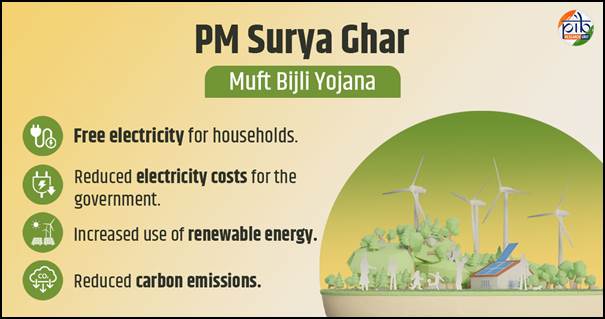
- 06 Dec 2024
In News:
The PM Surya Ghar: Muft Bijli Yojana, the world’s largest domestic rooftop solar initiative, is transforming India’s energy landscape with a bold vision to supply solar power to one crore households by March 2027.
Key Details:
Targeted Installations:
- 10 lakh installations by March 2025.
- 1 crore installations by March 2027.
Subsidy and Financing:
- Offers up to 40% subsidy for rooftop solar installations based on household electricity consumption.
- Collateral-free loans available for up to 3 kW solar systems at a 7% interest rate.
Key Benefits:
The PM Surya Ghar: Muft Bijli Yojana offers several significant benefits to participating households:
- Free Electricity for Households: The scheme provides households with free electricity through the installation of subsidized rooftop solar panels, significantly reducing their energy costs.
- Reduced Electricity Costs for the Government: By promoting the widespread use of solar power, the scheme is expected to save the government an estimated ?75,000 crore annually in electricity costs.
- Increased Use of Renewable Energy: The scheme encourages the adoption of renewable energy sources, contributing to a more sustainable and environmentally friendly energy mix in India.
- Reduced Carbon Emissions: The transition to solar energy under this scheme will help lower carbon emissions, supporting India's commitment to reducing its carbon footprint.
Eligibility Criteria:
1. The applicant must be an Indian citizen.
2. Must own a house with a roof that is suitable for installing solar panels.
3. The household must have a valid electricity connection.
4. The household must not have availed of any other subsidy for solar panels.
Impact
The PM Surya Ghar: Muft Bijli Yojana is expected to have far-reaching outcomes, both for individual households and the nation as a whole:
- Household Savings and Income Generation: Households will benefit from significant savings on their electricity bills. Additionally, they will have the opportunity to earn extra income by selling surplus power generated by their rooftop solar systems to DISCOMs. For instance, a 3-kW system can generate over 300 units per month on average, providing a reliable source of energy and potential revenue.
- Expansion of Solar Capacity: The scheme is projected to add 30 GW of solar capacity through rooftop installations in the residential sector, significantly contributing to India's renewable energy goals.
- Environmental Benefits: Over the 25-year lifetime of these rooftop systems, it is estimated that the scheme will generate 1000 BUs of electricity while reducing CO2 emissions by 720 million tonnes, making a substantial positive impact on the environment.
- Job Creation: The scheme is also expected to create approximately 17 lakh direct jobs across various sectors, including manufacturing, logistics, supply chain, sales, installation, operations and maintenance (O&M), and other services, thereby boosting employment and economic growth in the country.
Model Solar Village
- Under the "Model Solar Village" component of the scheme, the focus is on establishing one Model Solar Village per district throughout India.
- This initiative aims to promote solar energy adoption and empower village communities to achieve energy self-reliance.
- An allocation of ?800 crore has been designated for this component, with ?1 crore provided to each selected Model Solar Village.
- To qualify as a candidate village, it must be a revenue village with a population of over 5,000 (or 2,000 in special category states). Villages are selected through a competitive process, evaluated on their overall distributed renewable energy (RE) capacity six months after being identified by the District Level Committee (DLC).
- The village in each district with the highest RE capacity will receive a central financial assistance grant of ?1 crore.
- The State/UT Renewable Energy Development Agency, under the supervision of the DLC, will oversee the implementation, ensuring these model villages successfully transition to solar energy and set a benchmark for others across the country.
World’s First CO? to Methanol Plant
- 10 Nov 2024
In News:
- NTPC has achieved the first-ever synthesis of CO? (captured from flue gas) and hydrogen (produced via a PEM electrolyzer) into methanol at its Vindhyachal plant.
- This marks a significant step in carbon management technology, aimed at advancing sustainable fuel production.
About CO?-to-Methanol Conversion:
- Carbon Dioxide Capture:
- CO? is captured from industrial sources, such as power plants, or directly from the atmosphere.
- Hydrogen Production:
- Renewable energy sources like solar or wind power are used to produce hydrogen through water electrolysis.
- Methanol Synthesis:
- The captured CO? is combined with hydrogen in the presence of a catalyst to produce methanol, typically under high pressure and temperature conditions.
Benefits of CO?-to-Methanol Conversion:
- Carbon Capture and Utilization (CCU):
- This technology reduces the impact of CO? on the atmosphere by converting it into useful products.
- Renewable Fuel Source:
- Methanol produced through this process can be used as a fuel for transportation, power generation, or as a feedstock for chemicals.
- Energy Storage:
- Methanol offers a more practical storage and transportation option than hydrogen, making it a potential energy storage solution and aiding the transition to hydrogen-based energy systems.
- Versatile Feedstock:
- Methanol is widely used in producing chemicals, solvents, and plastics, supporting various industrial applications.
What is Methanol?
- Brief: Methanol, also known as methyl alcohol or wood alcohol, is the simplest form of alcohol. It is a clear, colorless, and flammable liquid with a distinctive odor.
- Key Properties:
- Colorless, miscible with water, toxic if ingested, flammable.
One Sun One World One Grid (OSOWOG) Initiative
- 10 Nov 2024
In News:
- India is in talks with Oman, UAE, Saudi Arabia, Maldives, and Singapore to establish cross-border electricity transmission lines.
- This is part of the ambitious OSOWOG initiative to create a global renewable energy grid.
Key Points:
- Proposed by the Prime Minister of India at the 2018 International Solar Alliance (ISA) Assembly.
- Aims to create a transnational electricity grid that delivers power worldwide.
- Led by India and the UK, in collaboration with ISA and the World Bank Group.
Vision of OSOWOG:
- Connect regional grids through a common infrastructure for the transfer of renewable energy, focusing on solar power.
- Harness solar and other renewable energy from regions where the sun is shining and efficiently transmit it to areas of need.
- Aim to provide power to 140 countries using clean and efficient solar energy.
Phases of OSOWOG:
- Phase 1:
- Connect the Indian grid with grids in the Middle East, South Asia, and South-East Asia.
- Share solar and other renewable energy resources.
- Phase 2:
- Expand the interconnected grid to include renewable resources from Africa.
- Phase 3:
- Achieve a global interconnection aiming for 2,600 GW by 2050.
- Integrate as many countries as possible into a single renewable energy grid.
Global Collaboration:
- Involves national governments, international organizations, legislators, power operators, and experts.
- Focus on accelerating infrastructure development for a clean energy-powered world.
India's Green Leap
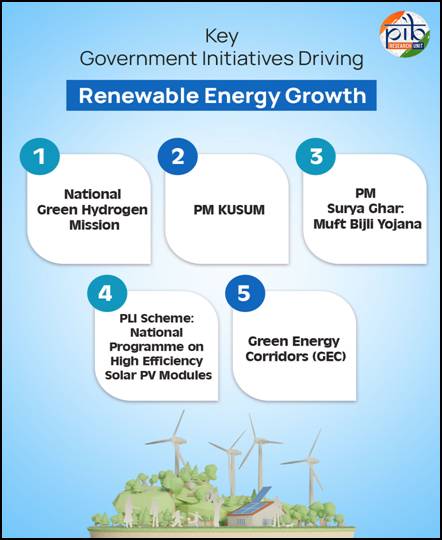
- 05 Nov 2024
In News:
India's journey toward a sustainable energy future has gained significant momentum with a series of policy reforms designed to reduce reliance on fossil fuels and accelerate the shift to clean energy. The recent Asia-Pacific Climate Report from the Asian Development Bank (ADB) highlights India's remarkable progress in reforming its fossil fuel subsidy system and its efforts to foster renewable energy, positioning the country as a leader in the region's green transformation.
Key Highlights from the Report:
India's Fossil Fuel Subsidy Reform
- India has successfully reduced fossil fuel subsidies by 85%, from a peak of $25 billion in 2013 to just $3.5 billion by 2023.
- The reform strategy is built on a "remove, target, and shift" approach, which involved phasing out subsidies on petrol and diesel from 2010 to 2014, followed by incremental tax hikes on these fuels through 2017.
- These fiscal changes created space for funding renewable energy projects, such as solar parks, electric vehicle initiatives, and infrastructure improvements.
Role of Taxation in Supporting Clean Energy
- Between 2010 and 2017, India introduced a cess on coal production and imports, which contributed significantly to funding clean energy projects. Approximately 30% of the cess was directed to the National Clean Energy and Environment Fund.
- This funding supported major renewable energy initiatives, including the National Solar Mission and Green Energy Corridor project, helping reduce the cost of utility-scale solar energy and expand off-grid renewable energy solutions.
- The introduction of the Goods and Services Tax (GST) in 2017 altered the financial landscape, redirecting the cess funds to GST compensation rather than directly to clean energy.
Government Schemes and Initiatives
- India is advancing its clean energy agenda through several key government schemes:
- National Green Hydrogen Mission: Aimed at establishing India as a leader in green hydrogen production.
- PM-KUSUM Scheme: Focused on promoting solar energy among farmers, allowing them to produce renewable power.
- PM Surya Ghar: Muft Bijli Yojana: A program designed to provide solar energy access to rural communities, reducing dependency on fossil fuels.
A Strategic Shift: From Subsidies to Clean Energy
- India’s subsidy reforms are an important part of its strategy to transition from a reliance on fossil fuels to a focus on renewable energy investments.
- These changes reflect India’s long-term goal of achieving net-zero emissions by 2070, as outlined in its climate action plans.
Global Significance of India’s Efforts
- The reduction in fossil fuel subsidies and the surge in clean energy investment serve as a model for other nations seeking to balance economic development with climate action.
- India’s approach demonstrates that policy reforms and innovative financing mechanisms can be used to accelerate the transition to a cleaner, greener economy while creating job opportunities and fostering economic growth.
World Energy Outlook 2024
- 17 Oct 2024
In News:
The International Energy Agency's (IEA) World Energy Outlook 2024 offers an in-depth analysis of global energy trends, emphasizing the shift towards clean energy, growing energy demand, and the effects of geopolitical conflicts.
Key Highlights:
- Economic Growth:
- India was the fastest-growing major economy in 2023 with a 7.8% growth rate.
- On track to become the world’s third-largest economy by 2028.
- Surpassed China in 2023 to become the most populous country globally, despite a fertility rate below replacement level.
- Energy Demand Surge:
- India is projected to experience the highest increase in energy demand over the next decade.
- By 2035, India’s total energy demand is expected to rise by 35%, driven by rapid industrialization, urbanization, and increased living standards.
- Urbanization and Infrastructure Growth:
- Over 12,000 cars are expected to be added to Indian roads daily by 2035.
- Built-up space is set to increase by over 1 billion square meters annually, surpassing the total built space of South Africa.
- Industrial Expansion:
- Iron and steel production is expected to grow by 70% by 2035.
- Cement output is set to increase by 55%.
- Air conditioner stock to grow more than 4.5 times, with electricity demand from cooling expected to exceed Mexico’s total consumption in 2035.
- Energy Supply & Coal:
- India’s electricity generation capacity is projected to nearly triple to 1,400 GW by 2035.
- Coal remains a dominant energy source despite growth in renewables:
- Coal-fired power capacity will increase by 60 GW by 2030.
- Coal will continue to account for over 30% of electricity generation even as solar PV expands.
- By 2035, coal use in industries like steel and cement will grow by 50%.
- Renewable Energy & Clean Tech:
- India is on track to become a global leader in renewable energy, with a nearly 3x increase in electricity generation capacity.
- The country is expected to have the world’s third-largest installed battery storage capacity by 2030.
- By 2030, low-emission energy sources (solar, wind, nuclear) are expected to generate over 50% of India’s electricity.
- Electric Vehicles & Oil Demand:
- The rapid adoption of electric vehicles (EVs) is expected to peak India’s oil demand by the 2030s, reducing reliance on oil for transportation.
- Oil demand for transport will decline as EVs proliferate, though demand for oil in other sectors (e.g., petrochemicals) will continue.
- Net Zero Target:
- India aims to achieve net-zero emissions by 2070.
- By 2035, clean energy generation could be 20% higher than current policy projections, thanks to electric mobility, hydrogen use, and improved energy efficiency.
- CO2 emissions are projected to be 25% lower than under the Stated Policies Scenario (STEPS).
- Policy Support:
- India’s clean energy goals are backed by government initiatives, such as:
- PM-KUSUM scheme for solar energy in agriculture.
- National Solar Mission.
- Production Linked Incentive (PLI) Scheme to boost domestic solar PV manufacturing.
- India’s clean energy goals are backed by government initiatives, such as:
- Global Energy Trends:
- Geopolitical Risks: Global energy security remains affected by geopolitical tensions (e.g., Russia-Ukraine conflict, Middle East tensions).
- Energy Transition: Global shift toward clean energy, with solar and wind power investments accelerating.
- Oil & Gas Surplus: Oil and LNG supply expected to increase, putting downward pressure on prices by the late 2020s.
- Electric Mobility: EVs projected to account for 50% of new car sales by 2030.
- Energy Efficiency: Despite efforts, global targets for doubling energy efficiency by 2030 are unlikely to be met with current policies.
IEA Overview:
- The International Energy Agency (IEA) provides analysis and policy advice on energy security, economic development, and environmental sustainability.
- Established in 1974, it now includes 31 member countries and 13 association countries, including India.
- Major publications: World Energy Outlook, India Energy Outlook, World Energy Investment Report.
India's Renewable Energy Capacity Hits 200 GW Milestone
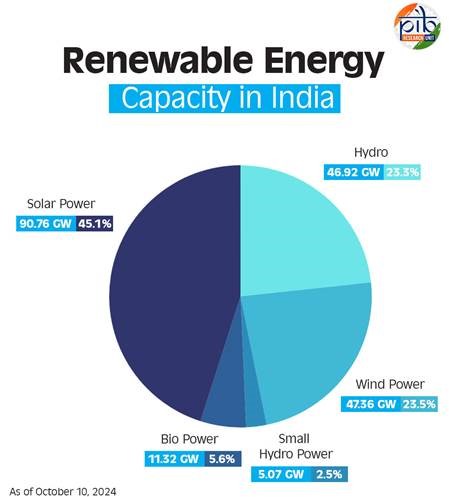
- 15 Oct 2024
In News:
India has recently celebrated a landmark achievement in its renewable energy sector, with its total renewable energy capacity surpassing 200 GW as of October 10, 2024. This milestone, reported by the Central Electricity Authority, showcases the country’s growing commitment to clean energy and its strategic shift towards a more sustainable future.
Overview of India’s Renewable Energy Landscape
As of October 2024, India's total electricity generation capacity stands at 452.69 GW, with renewable sources contributing a substantial 201.45 GW, representing 46.3% of the overall capacity. This shift highlights India’s increasing reliance on cleaner, non-fossil fuel energy.
Key contributors to this capacity include:
- Solar Power: Leading with 90.76 GW, capitalizing on India's abundant sunlight.
- Wind Power: Following closely at 47.36 GW, leveraging the country’s vast wind corridors.
- Hydropower: Large hydro projects add 46.92 GW, while small hydro contributes an additional 5.07 GW.
- Biopower: Incorporating biomass and biogas energy, contributing 11.32 GW.
Together, these resources are pivotal in reducing dependence on fossil fuels and enhancing energy security.
Leading States in Renewable Energy Capacity
Certain states are at the forefront of this renewable energy expansion:
- Rajasthan: 29.98 GW, benefiting from ample land and sunlight.
- Gujarat: 29.52 GW, driven by robust solar and wind initiatives.
- Tamil Nadu: 23.70 GW, utilizing favorable wind conditions.
- Karnataka: 22.37 GW, supported by a mix of solar and wind projects.
Key Schemes and Programs
The Indian government has introduced numerous initiatives to accelerate renewable energy capacity, aiming for 500 GW from non-fossil sources by 2030. Notable programs include:
- National Green Hydrogen Mission
- PM-KUSUM Scheme
- PM Surya Ghar Scheme
- Production-Linked Incentive (PLI) for solar PV modules
These efforts reflect the government's commitment to fostering a sustainable energy future while addressing the challenges posed by climate change and energy security. Here are some other ongoing key initiatives:
- Notification of a trajectory for renewable energy power bids of 50 GW per annum by Renewable Energy Implementation Agencies (REIAs) from FY 2023-24 to FY 2027-28.
- Foreign Direct Investment permitted up to 100 percent under the automatic route to attract investments.
- Waiver of Inter-State Transmission System charges for solar and wind power projects commissioned by June 30, 2025; green hydrogen projects until December 2030; and offshore wind projects until December 2032.
- Announced Renewable Purchase Obligation trajectory until 2029-30, including separate RPO for Decentralized Renewable Energy.
- A Project Development Cell has been established to attract and facilitate investments in the renewable sector.
- Standard Bidding Guidelines issued for tariff-based competitive bidding for procurement of power from grid-connected solar, wind, and wind-solar projects.
- Ultra Mega Renewable Energy Parks are being set up to provide land and transmission for large-scale renewable energy projects.
- Cabinet approval for a Viability Gap Funding scheme for offshore wind energy projects, facilitating the installation and commissioning of 1 GW of offshore wind energy capacity along the coasts of Gujarat and Tamil Nadu.
- Issued Electricity (Rights of Consumers) Rules, 2020, for net-metering up to 500 kilowatts or the electrical sanctioned load, whichever is lower.
- The “National Repowering and Life Extension Policy for Wind Power Projects, 2023” has been released.
- “Strategy for Establishment of Offshore Wind Energy Projects” outlines a bidding trajectory of 37 GW by 2030.
- Offshore Wind Energy Lease Rules, 2023, notified to regulate the grant of leases for offshore wind energy development.
- Procedure for Uniform Renewable Energy Tariff (URET) has been established.
- Standard & Labelling (S&L) programs for Solar Photovoltaic modules and grid-connected solar inverters have been launched.
- A transmission plan has been prepared to augment transmission infrastructure until 2030.
- The Electricity (Late Payment Surcharge and Related Matters) Rules have been notified.
- Green Energy Open Access Rules 2022 have been issued to promote renewable energy.
- Launched the Green Term Ahead Market (GTAM) to facilitate the sale of renewable energy power through exchanges.
- Orders issued to ensure that power is dispatched against Letters of Credit or advance payment for timely payments to renewable energy generators.
Strategic Clean Energy Partnership (SCEP)

- 18 Sep 2024
In News
The recent Strategic Clean Energy Partnership (SCEP) Ministerial between the United States and India aimed to enhance collaboration in clean energy innovation, energy security, and the transition to clean energy.
About the Partnership
The meeting reviewed significant achievements and future initiatives across five core pillars:
- Power and Energy Efficiency
- Responsible Oil and Gas
- Renewable Energy
- Emerging Fuels & Technologies
- Sustainable Growth
The SCEP facilitates bilateral cooperation on clean energy, focusing on power, efficiency, renewable resources, emerging technologies, and sustainable practices.
Key Highlights of SCEP
Renewable Energy Technology Action Platform (RETAP)
Launched in August 2023, RETAP aims to create actionable roadmaps for:
- Hydrogen
- Long-duration energy storage
- Offshore wind
- Geothermal technologies
Energy Storage Task Force
This public-private initiative seeks to address:
- Policy
- Safety
- Regulatory challenges
It explores alternatives to lithium-ion technologies, with projects like Battery Energy Storage Systems (BESS) in Assam and Haryana focusing on grid integration and renewable energy storage.
Modernization of Power Distribution
The meeting underscored India’s advancements in:
- Smart metering
- Power market reforms
- The Indian Railways’ goal of achieving net-zero emissions by 2030
India has successfully procured 1.5 GW of round-the-clock renewable energy.
Sustainable Aviation Fuel (SAF) & Transport Electrification
A comprehensive workshop was launched to enhance R&D, certification, and partnerships for SAF. India’s PM eBus Sewa scheme aims to deploy 10,000 electric buses, promoting electrification in medium and heavy-duty transport.
Carbon Capture, Utilization, and Storage (CCUS) & Methane Abatement
Cooperation on CCUS technologies and regulatory frameworks has increased, alongside efforts to reduce methane emissions in the oil and gas sector through collaboration with India’s Directorate General of Hydrocarbons.
Public-Private Collaborations
The importance of public-private dialogues in shaping policies and reducing the costs of clean energy technologies was emphasized.
Initiatives Supporting Clean Energy
- International Solar Alliance (ISA): A global coalition led by India, promoting solar energy collaboration among solar-rich countries.
- Renewable Energy Technology Action Platform (RETAP): A US-India initiative focusing on hydrogen, energy storage, offshore wind, and geothermal technologies.
- Green Hydrogen Mission (India): Promotes green hydrogen as a clean energy alternative, especially in heavy industries and transportation.
- EU’s Green Deal: A European strategy aimed at achieving climate neutrality by 2050 through clean energy investments and policies.
- PM KUSUM Scheme (India): Supports solar power generation for irrigation, reducing fossil fuel reliance in agriculture.
Barakah Nuclear Energy Plant
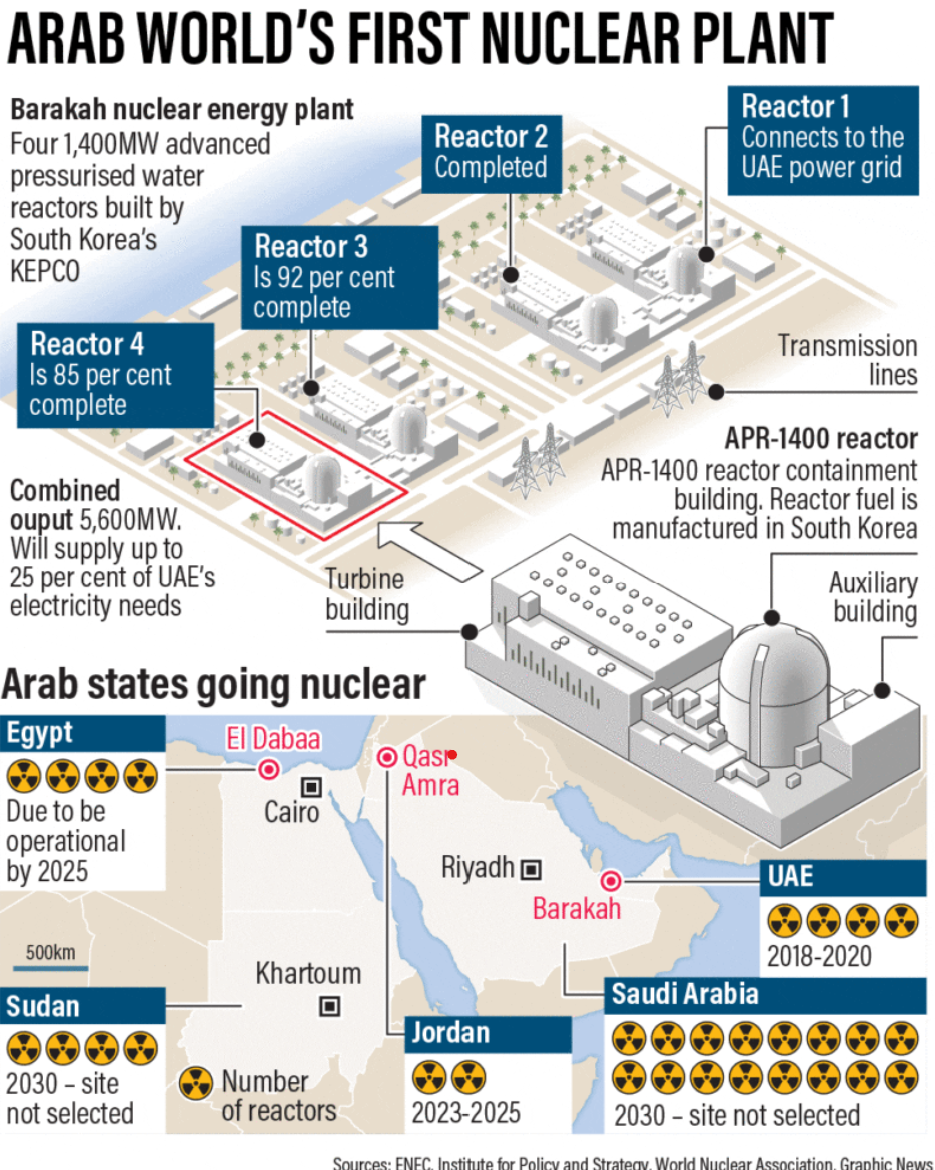
- 08 Sep 2024
Location: Situated in Al Dhafra, Emirate of Abu Dhabi.
Specifications:
- Reactor Count: Four nuclear reactors.
- Annual Output: 40 terawatt-hours (TWh) of electricity.
Objective and Significance:
- Energy Diversification: The plant is a key component of the UAE’s energy diversification efforts, providing clean and efficient power.
- Environmental Impact: It is projected to reduce carbon emissions by up to 22 million tons annually, equivalent to removing 4.8 million cars from the roads.
International Nuclear Energy Agreements
Purpose: Nuclear energy agreements are bilateral or multilateral treaties focused on the peaceful use of nuclear energy. They facilitate international cooperation in areas such as technology transfer, fuel supply, safety standards, and non-proliferation.
India’s Nuclear Energy Agreements:
- General Overview: India has established civil nuclear cooperation agreements with various countries including France, the United States, Russia, Namibia, Canada, Argentina, Kazakhstan, South Korea, Australia, Sri Lanka, and the United Kingdom.
Key Agreements:
- India-Russia: A longstanding partnership since the Cold War, with Russia significantly contributing to the construction of the Kudankulam Nuclear Power Plant in Tamil Nadu.
- India-US Civil Nuclear Agreement (2008): Known as the 123 Agreement, it marked India’s entry into the global nuclear market despite its non-signatory status to the Nuclear Non-Proliferation Treaty (NPT). This agreement enabled India to engage in nuclear trade with the US and other Nuclear Suppliers Group (NSG) members.
- India-France Civil Nuclear Agreement (2008): This agreement allows France to supply nuclear technology and fuel to India, including involvement in the proposed Jaitapur Nuclear Power Project in Maharashtra.
- India-Canada Nuclear Cooperation Agreement (2010): This historic deal marked a return to cooperation after a hiatus following Canada's sanctions in 1974, allowing uranium supply for India’s civilian reactors.
- India-Japan Nuclear Agreement (2016): This agreement facilitates the export of nuclear technology from Japan to India, reflecting Japan’s confidence in India's non-proliferation commitments.
- India-Kazakhstan: Agreements with Kazakhstan for uranium supply, given Kazakhstan’s status as a major uranium producer.
- India-Australia Civil Nuclear Cooperation Agreement: Permits Australia to export uranium for India’s civilian nuclear program. Notably, Australia typically exports uranium only to NPT signatories.
- India-United Kingdom Nuclear Agreement (2015): This agreement promotes collaboration on nuclear technology and research between India and the UK.
- India-UAE Civil Nuclear Energy Cooperation: Recently, India and the United Arab Emirates (UAE) formalized their collaboration in civil nuclear energy through an MoU.
PREFIRE (Polar Radiant Energy in the Far-InfraRed Experiment) Mission
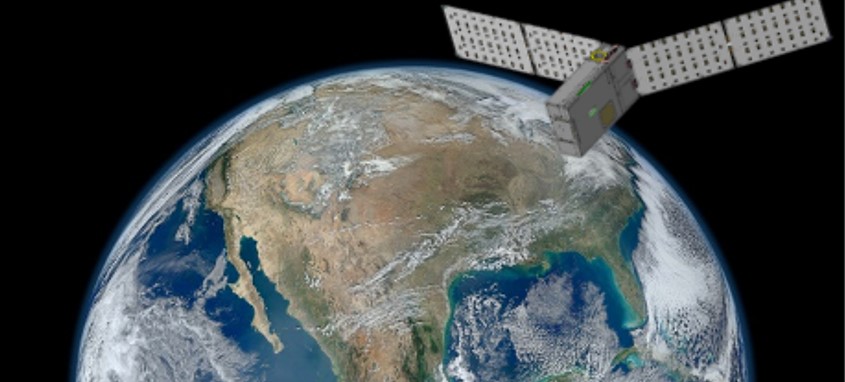
- 17 May 2024
Why is it in the News?
NASA is set to launch the two small satellites of the PREFIRE mission from New Zealand on May 22 aimed at filling in critical gaps in data from Earth's polar regions.
What is the PREFIRE Mission?
- PREFIRE (Polar Radiant Energy in the Far-InfraRed Experiment) is a NASA mission that involves sending two tiny twin spacecraft, known as CubeSats, to the Earth's polar regions to gather data on the heat energy radiated out to space and its impact on our climate.
- PREFIRE consists of two, 6U CubeSats with a baseline mission length of 10 months.
- These shoebox-sized satellites will orbit at altitudes between 292 and 403 miles, crossing paths in the atmosphere.
Objectives:
- The mission will help close a gap in understanding how much of Earth’s heat is lost to space, especially from the Arctic and Antarctica.
- Analysis of PREFIRE’s measurements will inform climate and ice models, providing better projections of how a warming world will affect sea ice loss, ice sheet melt, and sea level rise.
- Improving climate models can ultimately help to provide more accurate projections on the impacts of storm severity and frequency, as well as coastal erosion and flooding.
- By studying the far-infrared radiation emitted from these regions, PREFIRE will help improve the accuracy of climate models, enhancing our understanding of phenomena such as Arctic warming, sea ice loss, and ice-sheet melting.
The mission will help in:
- Uncover the reasons behind the Arctic warming more than 2½ times faster than the global average since the 1970s.
- Provide scientists with a clearer understanding of how efficiently far-infrared heat is emitted by materials such as snow and sea ice, and how clouds affect the amount of far-infrared radiation that escapes to space.
- Enhance predictions about future changes in the heat exchange between Earth and space, and how these changes will impact phenomena like ice sheet melting, atmospheric temperatures, and global weather patterns.
How will the Satellites Work?
- The mission with cube satellites about the size of a shoebox will be launched aboard an Electron launch vehicle.
- It is equipped with technology proven on Mars and will measure a “little-studied portion” of the radiant energy emitted by Earth.
- Two satellites carrying a thermal infrared spectrometer will be in asynchronous near-polar orbits and will be passing over a given spot on Earth at different times. To maximize coverage, they will be overlapping every few hours near the poles.
- The instruments weighing less than 6 pounds (3 kilograms) each will make readings using a device called a thermocouple, similar to the sensors found in many household thermostats.
Why is it Important to Study the Polar Regions?
- According to NASA, Earth's climate balance hinges on the equilibrium between the heat energy the planet receives from the Sun and the amount it radiates back into space.
- The difference between incoming and outgoing energy determines Earth's temperature and climate.
- The polar regions are crucial in this balance.
- Changes in the polar regions can significantly impact global weather patterns.
- Extreme storms, flooding, coastal erosion – all of these phenomena are influenced by what’s happening in the Arctic and Antarctic.
- This underscores the importance of understanding polar dynamics to predict and mitigate global climate effects.
3D Cosmic Map May Open Window To Dark Energy

- 05 Apr 2024
Why is it in the News?
An international team of researchers has just released the most comprehensive “three-dimensional” map of the universe, which, scientists hope, could reveal some clues about dark energy, the mysterious force that is believed to be causing the universe to expand uncontrollably.
Context:
- An international team of researchers has unveiled an extensive 3D map of the universe, aiming to unlock secrets about dark energy, the enigmatic force thought to be driving the universe's rapid expansion.
- Led by Shadab Alam from the Tata Institute of Fundamental Research in Mumbai, the team collaborated on this groundbreaking project, utilizing the Dark Energy Spectroscopic Instrument (DESI), a specialized tool capable of simultaneously gathering light from 5,000 galaxies when attached to a telescope.
- The DESI collaboration has measured that the expansion rate of the universe was increasing by 68.5 km per second after every 3.26 million light-years of distance, a unit astronomers define as megaparsec.
About Dark Energy Spectroscopic Instrument (DESI):
- The Dark Energy Spectroscopic Instrument (DESI) is a remarkable tool designed to capture light from an impressive 5,000 galaxies simultaneously when attached to a telescope.
- This collaborative effort involves over 900 researchers from institutions worldwide, with the Tata Institute of Fundamental Research (TIFR) representing India's sole participating institution.
- DESI, stationed atop the Mayall 4-Meter Telescope in Arizona, United States, has enabled researchers to analyze light emissions from an astounding six million galaxies, some dating as far back as 11 billion years ago.
- This wealth of data has facilitated the creation of the most intricate map of the universe to date.
Dark Energy Vs Dark Matter:
- Dark energy and dark matter are two distinct yet mysterious components of the universe, with vastly different properties and effects on cosmic structures.
Nature and Composition:
- Dark Energy: Dark energy is a hypothetical form of energy that permeates all of space and is responsible for the accelerated expansion of the universe.
- It is often associated with a cosmological constant or Einstein's "cosmological antigravity."
- Dark energy is thought to exert a repulsive force that counteracts gravity on cosmic scales, driving galaxies away from each other at an accelerating rate.
- However, its precise nature remains one of the greatest mysteries in modern physics.
- It's important to note that dark energy does not matter; rather, it's an energy density inherent in space itself.
- Dark Matter: Dark matter is a form of matter that does not emit, absorb, or reflect electromagnetic radiation, making it invisible and detectable only through its gravitational effects.
- Unlike dark energy, dark matter exerts an attractive gravitational force, influencing the motion of galaxies and other cosmic structures.
- It interacts with ordinary matter and with itself only through gravity and possibly through weak nuclear force, but not through electromagnetic forces like photons.
- Various astrophysical observations strongly suggest the existence of dark matter, but its precise composition and particle nature are still unknown.
Effects on the Universe:
- Dark Energy: The primary effect of dark energy is to drive the accelerated expansion of the universe.
- This expansion results in the increasing separation between galaxies over time. Dark energy is thought to dominate the energy density of the universe, comprising approximately 68% of the total mass-energy content.
- Dark Matter: Dark matter plays a crucial role in the formation and structure of galaxies and larger cosmic structures.
- Its gravitational influence binds galaxies together and provides the framework for the large-scale cosmic web.
- While dark matter does not emit or interact with light, its presence can be inferred from gravitational lensing, galaxy rotation curves, and the large-scale distribution of matter in the universe.
- Dark matter is estimated to constitute about 27% of the total mass-energy content of the universe.
Detectability:
- Dark Energy: Dark energy is challenging to detect directly because it does not interact with electromagnetic radiation.
- Its existence is inferred from the observational data related to the accelerating expansion of the universe, such as measurements of distant supernovae and the cosmic microwave background radiation.
- Dark Matter: Dark matter is also challenging to detect directly due to its non-interaction with light.
- However, its gravitational effects on visible matter and radiation allow astronomers to indirectly infer its presence.
- Various experimental efforts, such as those involving particle accelerators and underground detectors, aim to detect dark matter particles directly, though success has not yet been achieved.
Methane emissions from fossil fuels remain high despite progress, US tops list of emitters: IEA
- 14 Mar 2024
Why is it in the News?
As per the International Energy Agency’s (IEA) Global Methane Tracker 2024, methane emissions from fuel consumption in 2023 approached record levels, nearing their highest point in history.
About the Global Methane Tracker:
- The Global Methane Tracker is an annual publication issued by the International Energy Agency (IEA), presenting the latest data on methane emissions primarily from the energy sector. It integrates recent scientific research, measurement campaigns, and satellite data.
Key Highlights from the Global Methane Tracker 2024:
- Methane emissions from fuel usage in 2023 approached record levels, reaching approximately 120 million tonnes (Mt), marking a slight increase from the previous year.
- Bioenergy, derived from plant and animal waste, contributed an additional 10 million tons of emissions.
- Out of the total methane emissions, around 80 million tons originated from ten countries, with the United States and Russia leading in emissions from oil and gas operations, and China leading in emissions from coal operations.
- Despite indications of declining emissions in certain regions, the overall methane emissions remain alarmingly high, posing a significant challenge to achieving global climate objectives.
- To align with the Paris Agreement goal of limiting warming to 1.5°C, there is a critical need to reduce methane emissions from fossil fuels by 75 percent by 2030.
- Achieving this target would require an estimated investment of approximately $170 billion, representing less than 5 percent of the revenue generated by the fossil fuel industry in 2023.
About the International Energy Agency (IEA):
- The International Energy Agency is an intergovernmental organization headquartered in Paris, established in 1974.
- Its primary mandate is to ensure stability in the international oil supply, a response to the oil crisis of 1973, which led to temporary disruptions in the global oil supply chain.
- Operational Framework: The IEA functions within the broader scope of the Organization for Economic Co-Operation and Development (OECD).
- Membership: As of 2022, the IEA comprises 31 member nations, with India joining as an associate member in 2017.
- Key Requirement: Member countries are obligated to maintain reserves equivalent to 90 days of the previous year's net oil imports.
- These reserves must be readily accessible by the government to address potential disruptions in the global oil supply chain, even if the reserves are not owned directly by the government.
Kiru Hydropower Corruption Case: CBI Searches J&K Ex-Governor Satya Pal Malik’s Premises
- 23 Feb 2024
Why is it in the News?
The CBI conducted searches at the premises of former Jammu and Kashmir governor Satya Pal Malik and 29 other locations recently in connection with alleged corruption in the Rs 2,200-crore Kiru Hydropower project.
What are the Corruption Allegations Surrounding the Kiru Hydel Project?
- During his tenure as the governor of Jammu and Kashmir from August 23, 2018, to October 30, 2019, Satya Pal Malik claimed that he was offered a Rs 300-crore bribe to approve two files, one of which pertained to the project.
- In 2022, the J&K government requested a CBI investigation into alleged misconduct, previously highlighted by Satya Pal Malik, in the awarding of two government contracts.
- Concerns have been raised regarding the award of civil works, particularly to Patel Engineering Ltd, a prominent infrastructure and construction company established in 1949.
- The CBI has initiated action against the former CVPPPL chairman, MD, and Directors, as well as Patel Engineering.
- According to the FIR, an inquiry by the J&K Anti-Corruption Bureau and the Power Department had been conducted.
- The FIR alleges non-compliance with e-tendering guidelines in the awarding of civil works for the project.
- Additionally, accusations of substandard work and failure to employ local youth have been levelled against the hydel project.
What is the Kiru Hydel Power Project?
- The 624MW Kiru hydroelectric project is being developed as a run-of-river scheme in the Kishtwar district of Jammu and Kashmir, a union territory in India.
- Location of the Kiru project: The Kiru hydropower project is being built along the Chenab River near the villages of Patharnakki and Kiru, approximately 42 km from Kishtwar.
- It will be located between the Kirthai II hydroelectric project to its upstream and the Kwar hydroelectric project to its downstream.
- The project is being developed by the Chenab Valley Power Projects (CVPPPL) joint venture (JV) between:
- National Hydroelectric Power (NHPC, 49%)
- Jammu & Kashmir State Power Development (JKSPDC, 49%) and
- The Power Trading Corporation (PTC, 2%)
- The Ministry of Environment Forests and Climate Change (MoEF&CC) awarded environmental clearance for the hydroelectric project in 2016 while the foundation stone was laid in February 2019.
- The project is being constructed at an estimated cost of Rs 4,287 crore and is expected to start commercial operations in July 2025.
- The Cabinet Committee on Economic Affairs (CCEA) approved the investment in the project in March 2019.
- Apart from helping address the energy demand across northern India and the state’s rural areas, it could aid small-scale and cottage industries.
Advantages of the Kiru Hydroelectric Power Project:
- This project aims to alleviate the energy shortage in Northern India while also enhancing the transportation, education, healthcare, and road infrastructure in the area.
- By bringing electricity to rural communities, the project will lessen the reliance of residents on alternative energy sources.
- The heightened power availability will foster the growth of small-scale and cottage industries, generating employment opportunities and revenue for the local populace.
What is a Run-of-river Project?
- Run-of-river hydropower is a facility that channels flowing water from a river through a canal or penstock to spin a turbine.
- Typically a run-of-river project will have little or no storage facility.
- Run-of-river provides a continuous supply of electricity (base load), with some flexibility of operation for daily fluctuations in demand through water flow that is regulated by the facility.
High-energy Particle "Amaterasu" (Indian Express)
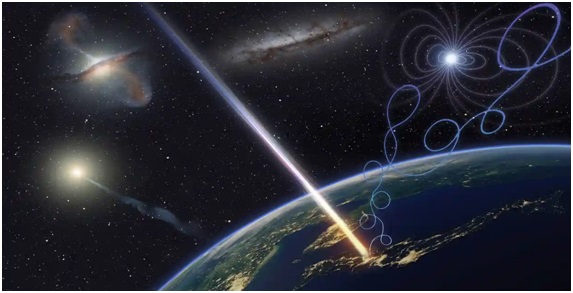
- 27 Nov 2023
Why is it in the News?
Scientists have detected one of the most powerful cosmic rays ever slamming into Earth but they have no idea what caused it or where it came from.
What is Amaterasu?
- The particle, named Amaterasu after the sun goddess in Japanese mythology, is one of the highest-energy cosmic rays ever detected.
- The Amaterasu particle has an energy exceeding 240 exa-electron volts (EeV).
- It is millions of times more than particles produced in the Large Hadron Collider, the most powerful accelerator ever built, and equivalent to the energy of a golf ball traveling at 95mph.
- It comes only second to the Oh-My-God particle, another ultra-high-energy cosmic ray that came in at 320 EeV, detected in 1991.
- Amaterasu appears to have emerged from the Local Void, an empty area of space bordering the Milky Way galaxy.
What are Cosmic Rays?
- Cosmic rays are high-energy particles, primarily protons and atomic nuclei, that originate from outer space and bombard Earth from all directions.
- They possess extraordinary energies, often exceeding those achievable in human-made accelerators.
- Created through various astrophysical processes, such as supernova explosions and the remnants of massive stars, cosmic rays travel through the vast expanse of space.
- Upon entering Earth's atmosphere, they collide with air molecules, initiating cascades of secondary particles.
- These rays play a crucial role in astrophysics, providing insights into the universe's most energetic phenomena.
- They contribute to our understanding of cosmic structures, magnetic fields, and the dynamics of celestial bodies.
- Despite their significance, the origins of certain ultra-high-energy cosmic rays remain mysterious, prompting ongoing research to unveil the secrets of these enigmatic particles.
India-OPEC Energy Dialogue (PIB)
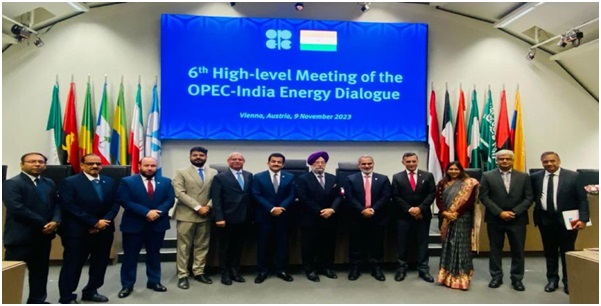
- 13 Nov 2023
Why in the News?
The 6th High-Level Meeting of the India-OPEC Energy Dialogue took place on 9 November 2023, at the OPEC Secretariat in Vienna, Austria
Highlights of the India-OPEC Energy Dialogue 2023:
- The 6th High-Level Meeting of the India-OPEC Energy Dialogue took place on November 9th, in Vienna, Austria.
- The Meeting was co-chaired by HE Haitham Al Ghais, Secretary General of OPEC, and Hardeep Singh Puri, Minister of Petroleum and Natural Gas and Minister of Housing and Urban Affairs of India.
- Discussions revolved around ensuring availability, affordability, and sustainability in energy markets, emphasizing India's crucial role in global economic growth and energy demand.
- The 6th High-Level Meeting concluded with both parties underscoring the importance of fostering enhanced cooperation between India and OPEC moving forward.
- It was agreed to hold the next High-Level Meeting of the India-OPEC Energy Dialogue during the course of 2024 in India.
About the Organization of the Petroleum Exporting Countries(OPEC):
- OPEC, or the Organization of the Petroleum Exporting Countries, is a permanent international organization comprising oil-exporting nations.
- Its core mission is to coordinate and unify the petroleum policies of its member countries.
- This coordination aims to stabilize oil prices in global markets, working towards eliminating harmful and unnecessary price fluctuations.
- It was established in 1960 by Iran, Iraq, Kuwait, Saudi Arabia, and Venezuela, OPEC has since expanded to include 13 members.
- Member countries are Algeria, Angola, Congo, Equatorial Guinea, Gabon, Iran, Iraq, Kuwait, Libya, Nigeria, Saudi Arabia, United Arab Emirates, and Venezuela.
- With the addition of another 11 allied major oil-producing countries including Russia, the grouping is known as OPEC+.
- The organization's headquarters is located in Vienna, Austria.
World Energy Outlook 2023 (IEA)
- 13 Nov 2023
Why in the News?
Recently, the International Energy Agency (IEA) released the World Energy Outlook (WEO) Report 2023.
About World Energy Outlook 2023:
- This flagship publication of the International Energy Agency (IEA) has appeared every year since 1998.
- It provides in-depth analysis and strategic insights into every aspect of the global energy system.
- This year, the report delves into how changes in economies and energy usage are meeting the increasing demand for energy amid geopolitical tensions and fragile energy markets.
- It evaluates the evolution of energy security fifty years after the establishment of the IEA and looks at what's necessary at the COP28 climate conference in Dubai to support the 1.5 °C goal.
- The publication analyzes today's energy trends, covering areas like investment, trade flows, electrification, and energy access.
About the International Energy Agency (IEA):
- The International Energy Agency (IEA) is an independent inter-governmental organization operating within the framework of the Organisation for Economic Co-operation and Development (OECD).
- Its mission involves collaborating with governments and industry to create a secure and sustainable energy future.
- Established in 1974 to safeguard oil supplies, it was a response to the 1973-1974 oil crisis, which exposed the vulnerability of industrialized nations to oil import dependencies due to an oil embargo.
- Comprising 31 member countries and eleven association countries, IEA candidates must be OECD members.
- India joined as an Associate member in 2017.
- The IEA publishes reports such as the World Energy Outlook, World Energy Balances, Energy Technology Perspectives, World Energy Statistics, and Net Zero by 2050.
Energy Conservation Building Code (ECBC) (Indian Express)

- 10 Nov 2023
Why in the News?
Paris-based International Energy Agency highlighted India’s Energy Conservation Building Code (ECBC), 2017 as something that sets it apart from other developing economies where “energy efficiency in buildings stands out as a laggard”.
About Energy Conservation Building Code (ECBC):
- Energy Conservation Building Code (ECBC) Released by the Bureau of Energy Efficiency (BEE).
- It was first released in 2007 and again updated in 2017.
- The purpose of ECBE is to set minimum energy standards for commercial buildings, with the objective of enabling energy savings of between 25 and 50% in compliant buildings.
- Commercial buildings include hospitals, hotels, schools, shopping complexes and multiplexes which have a connected load of 100 kW or more, or contract demand of 120 kVA or more.
- Also the code is for both new buildings and retrofitting existing buildings.
- Assessment Parameters: The Energy Conservation Building Code (ECBC) primarily looks at parameters like building design including envelope (walls, roofs, windows), lighting systems, and renewable energy integration among others.
- Tagging of buildings: Compliant buildings are assigned one of three tags in ascending order of efficiency, namely ECBC, ECBC Plus, and Super ECBC.
- 23 out of 28 states have notified ECBC rules. But only 15 states have notified rules based on the latest ECBC,2017.
- Five states — Gujarat, Maharashtra, J&K, Ladakh, and Manipur — are yet to notify ECBC rules.
GREEN ENERGY CORRIDOR (GEC) (PIB)
- 21 Oct 2023
What is the News ?
The 13 GW Renewable Energy Project in Ladakh's Green Energy Corridor (GEC) Phase-II - Inter-State Transmission System (ISTS) has received approval from the Cabinet Committee on Economic Affairs.
Facts About:
- The Green Energy Corridor (GEC) is an initiative that aims to integrate and evacuate renewable energy into India's power grid, promote sustainable growth, and improve energy security. It is divided into two stages.
- Power Grid Corporation of India Limited (POWERGRID) is the implementation agency.
- Implementation of GEC-1 is already underway in Gujarat, Andhra Pradesh, Karnataka, Himachal Pradesh, Maharashtra, Madhya Pradesh, Tamil Nadu, and Rajasthan, with the goal of integrating and evacuating 24GW of Renewable Energy (RE).
- For GEC-2, Gujarat, Himachal Pradesh, Karnataka, Kerala, Rajasthan, Tamil Nadu, and Uttar Pradesh will be the first states to implement.
Grid integration and power evacuation of approximately 20 GW of renewable energy projects over a five-year period (FY 2021-22 to 2025-26).
Objectives:
- Synchronize renewable energy sources (wind and solar) with traditional power sources.
- Non-fossil fuel installed capacity should reach 500 GW by 2030..
- 20,000 MW of large-scale renewable energy should be evacuated.
- Importance: Improve India's long-term energy security; Promote environmentally friendly growth by reducing carbon footprint; Create employment opportunities for both skilled and unskilled workers.
US – India Strategic Clean Energy Partnership (Indian Express)
- 31 Aug 2023
What is the News ?
Renewable Energy Technology Action Platform under the US – India Strategic Clean Energy Partnership.
Facts About:
In August 2023, the U.S.-India Renewable Energy Technology Action Platform (RETAP) was launched under the Strategic Clean Energy Partnership.
RETAP was established to take bilateral collaboration further with a result-oriented, time-bound technology focus.
It is intended to advance new and emerging renewable technologies with a view toward deployment and scaling.
RETAP’s initial focus is to be on green/clean hydrogen, wind energy, long long-duration energy storage, and to explore geothermal energy, ocean/tidal energy and other emerging technologies as mutually determined in the future.
The initial work plan is guided by the following five themes:
- Research & Development
- Piloting & Testing of Innovative Technologies
- Advanced Training & Skill Development
- Policy and Planning for Advancing RET and Enabling Technologies
- Investment, Incubation and Outreach programmes
Source: https://pib.gov.in/PressReleaseIframePage.aspx?PRID=1940523