
Biochar
- 24 Jun 2026
In News:
Recent studies have shown that Biochar can increase crop productivity by 10–30% and improve soil water-holding capacity by 10–25%, particularly in nutrient-deficient and semi-arid soils, highlighting its potential for sustainable agriculture and carbon sequestration.
What is Biochar?
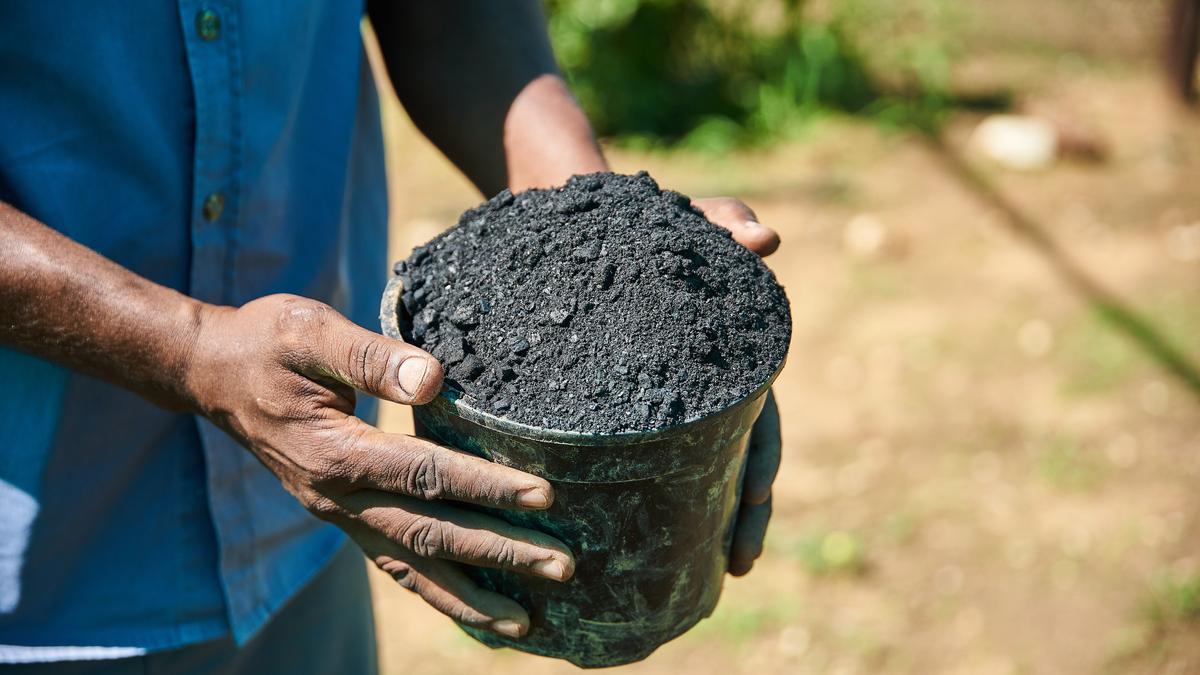
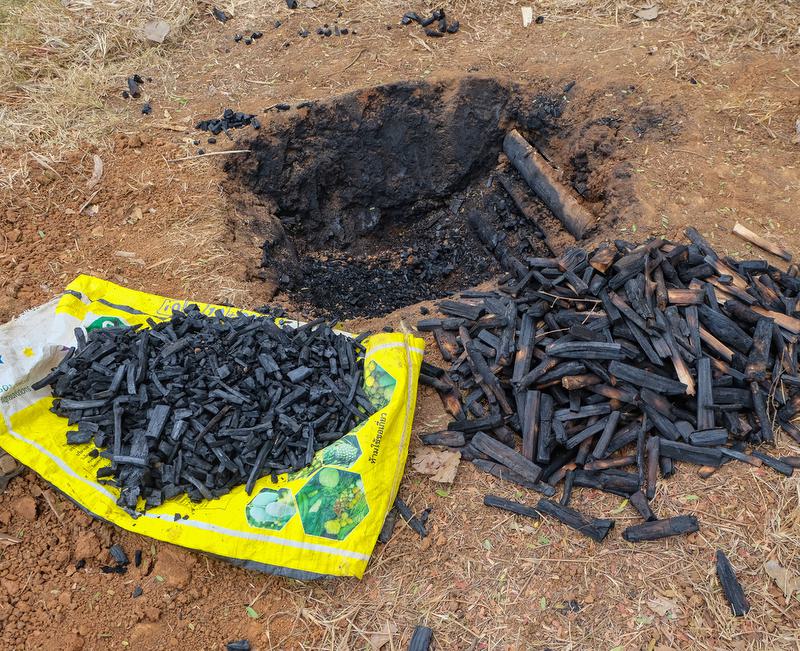
Biochar is a carbon-rich, porous material produced by heating biomass or agricultural residues under low-oxygen (oxygen-limited) conditions, a process known as pyrolysis.
It is generally prepared by heating crop residues at 400°C–600°C in a kiln or similar structure in the absence of oxygen, converting agricultural waste into a stable form of carbon while minimizing emissions.
Key Characteristics
- Produced through pyrolysis (low or no oxygen).
- Derived from agricultural residues, forestry waste, and other biomass.
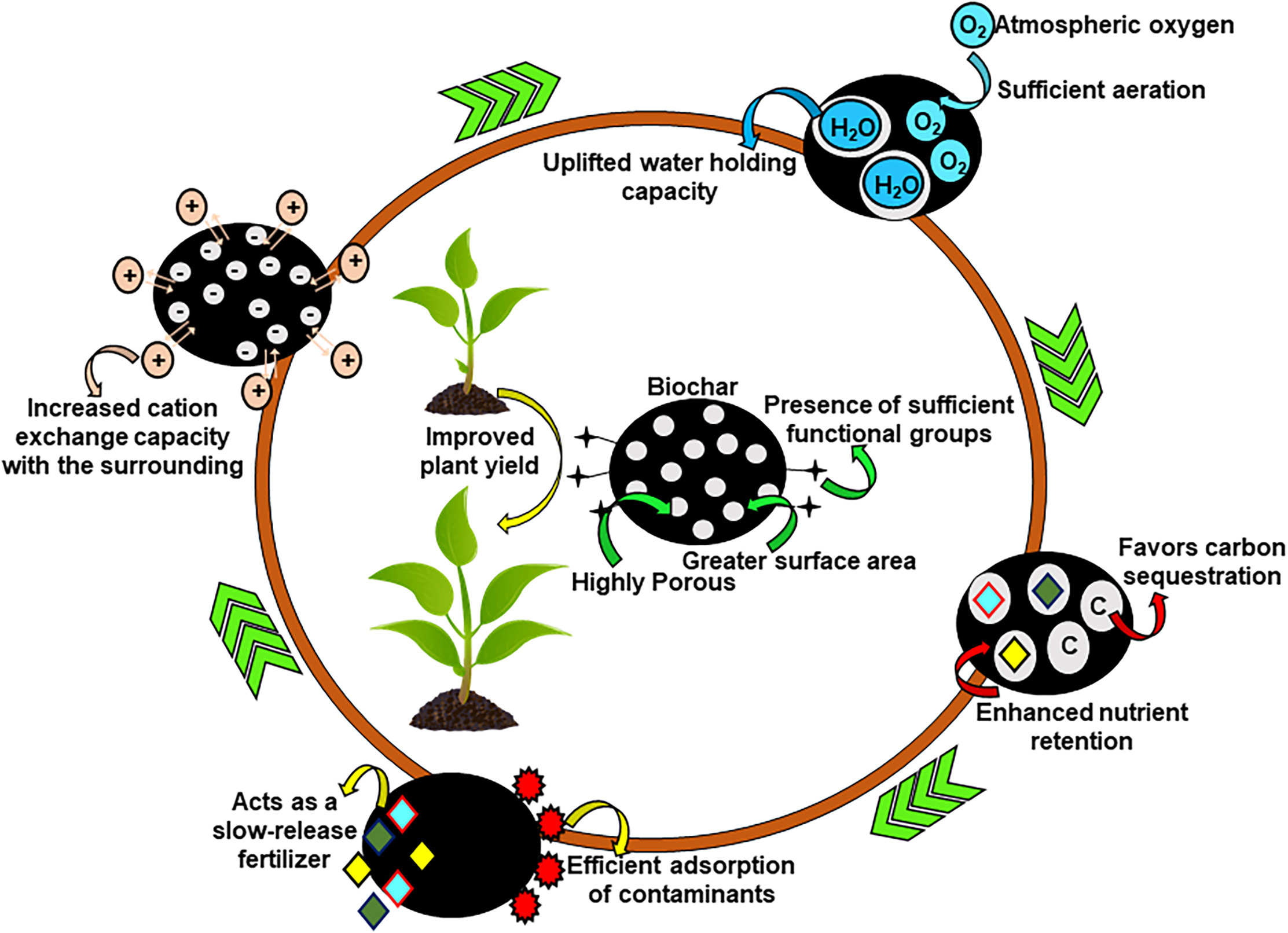
- Highly porous with a large surface area.
- Rich in stable carbon, making it resistant to decomposition.
- Can retain carbon in soil for 100–1,000 years, making it an effective long-term carbon sink.
Applications of Biochar
1. Agriculture: Biochar improves soil fertility, enhances water retention, increases nutrient availability, promotes beneficial microbial activity, and improves soil structure. It is particularly effective in rainfed, semi-arid, and nutrient-poor soils, leading to higher crop productivity.
2. Climate Change Mitigation: By storing stable carbon in soils for centuries, biochar serves as a carbon sequestration technology, reducing atmospheric carbon dioxide and supporting climate change mitigation.
3. Industrial Applications: Modified biochar can adsorb carbon dioxide (CO?) from industrial exhaust gases and is being explored for carbon capture applications, although its efficiency is currently lower than conventional carbon capture technologies.
4. Construction Sector: Biochar can be incorporated into construction materials such as concrete and bricks, reducing their carbon footprint while acting as a stable carbon sink.
5. Wastewater Treatment: Due to its high porosity and adsorption capacity, biochar can remove pollutants, heavy metals, dyes, and organic contaminants from wastewater, providing a low-cost treatment option.
Advantages
- Converts agricultural waste into a value-added product.
- Reduces crop residue burning and associated air pollution.
- Improves crop yield by 10–30%.
- Enhances soil water-holding capacity by 10–25%.
- Supports soil biodiversity and microbial activity.
- Sequesters carbon for 100–1,000 years.
- Promotes sustainable and climate-resilient agriculture.
Biochar in India
- 10 Aug 2025
In News:
India is set to launch its carbon credit trading market in 2026, with biochar emerging as a promising carbon dioxide removal (CDR) technology. Biochar is a carbon-rich, porous, and stable substance produced through pyrolysis (burning biomass without oxygen) ofagricultural residue and municipal solid waste. It offers multiple co-benefits spanning climate mitigation, agriculture, energy, construction, and wastewater treatment.
India’s Untapped Biochar Potential
- Resource base: India generates 600+ million tonnes of agricultural residue and 60+ million tonnes of municipal solid waste annually, much of which is burnt or dumped, causing air pollution and GHG emissions.
- Carbon removal: Converting 30–50% of surplus biomass can yield 15–26 million tonnes of biochar, sequestering ~0.1 gigatonne of CO?-eq annually.
- Byproducts:
- Syngas (20–30 MT): Can generate 8–13 TWh electricity, replacing 0.4–0.7 MT coal/year.
- Bio-oil (24–40 MT): Can offset 8% of diesel/kerosene demand, reducing >2% of India’s fossil-fuel-based emissions.
- Employment: Village-level pyrolysis units could create 5.2 lakh rural jobs, linking waste management with livelihoods.
Multi-Sectoral Applications
1.Agriculture and Soil Health
- Enhances soil organic carbon and fertility.
- Improves water retention, critical for semi-arid regions.
- Reduces fertilizer needs by 10–20% and increases crop yields by 10–25%.
- Cuts N?O emissions by 30–50% (273× more potent than CO?).
- Example: Andhra Pradesh’s Community Managed Natural Farming has piloted biochar to improve soil quality.
2. Energy and Fuel Substitution
- Syngas and bio-oil provide renewable energy for rural micro-grids and transport.
- Example: Maharashtra pilot projects use pyrolysis gas to replace diesel generators.
3. Construction Sector
- Adding 2–5% biochar to concrete:
- Increases mechanical strength and heat resistance (+20%).
- Sequesters ~115 kg CO? per cubic metre.
- Offers a green alternative to cement, key for India’s infrastructure push.
- Example: IIT-Madras research shows biochar-concrete mix lowers embodied carbon in buildings.
4. Wastewater Treatment
- 1 kg biochar can treat 200–500 litres of wastewater.
- With India producing 70 billion litres/day (72% untreated), biochar offers low-cost, decentralised treatment solutions for rural and urban areas.
Binding DDT-Infused Soil with Biochar
- 18 Jan 2025
In News:
A three-year study was conducted on a 23-hectare DDT-contaminated former tree nursery in southern Sweden. Researchers mixed biochar into sections of the contaminated soil and planted different crops, including pumpkins, legumes, grasses, and willows.
Key findings:
- Reduction of DDT Uptake: The presence of biochar reduced DDT absorption by soil organisms, cutting the toxin uptake by earthworms in half.
- Enhanced Soil Health: Biochar improved soil structure, fertility, and microbial activity.
- Cost-Effective Alternative: Unlike traditional soil removal methods, which are expensive and labor-intensive, biochar treatment offers a sustainable and economical approach.
- Support for Renewable Energy: The method allows for the growth of bioenergy crops such as willow trees, further contributing to environmental benefits.
Implications for Future Agricultural Practices
This breakthrough provides a viable approach to rehabilitate contaminated lands worldwide. Many regions, including India, still grapple with DDT contamination. While India banned agricultural use of DDT in 1972, it continues to be used for disease control under strict regulations. The application of biochar could significantly aid in soil restoration and sustainable land management
About DDT
- Dichlorodiphenyltrichloroethane (DDT) is a synthetic insecticide first introduced in 1939. It was widely used in agriculture and public health initiatives to control vector-borne diseases like malaria.
- However, despite its effectiveness against pests, DDT’s persistence in the environment led to severe ecological and health concerns.
- It degrades slowly, accumulates in fatty tissues, and disrupts ecosystems by affecting soil fertility, harming wildlife, and posing potential human health risks, including endocrine disruption and carcinogenic effects.
Challenges Posed by DDT-Contaminated Soils
The prolonged use of DDT has resulted in extensive soil contamination, making land infertile and unsuitable for cultivation. Conventional methods of decontamination, such as soil excavation and disposal, are expensive and environmentally unsustainable.
Biochar as a Solution
Researchers at Sweden’s Chalmers University of Technology have developed an innovative method to restore DDT-contaminated soils by integrating biochar.
What is Biochar?
Biochar is a charcoal-like material produced by burning organic waste in a controlled oxygen-limited environment (pyrolysis). It is known for its ability to enhance soil quality, bind contaminants, and store carbon for extended periods.