
Babesia
- 28 May 2026
In News:
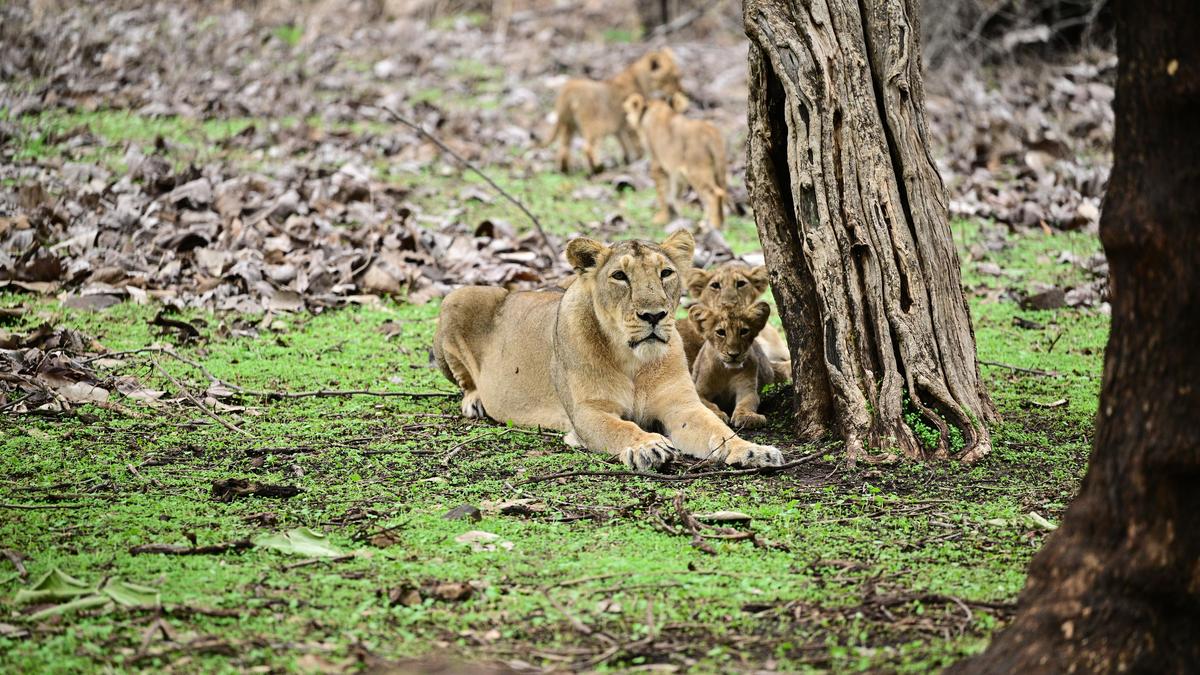
The recent death of lion cubs in the Gir landscape of Gujarat has drawn attention to the growing challenge of wildlife diseases and the need for robust disease surveillance in protected areas. Authorities suspect that the deaths were linked to a Babesia infection, although laboratory confirmation was awaited at the time of reporting. The incident is significant because Gir is the world's only natural habitat of the Asiatic lion, making any disease outbreak a matter of national and global conservation concern.
What is Babesia?
- Babesia is a genus of microscopic protozoan parasites that infect the red blood cells (RBCs) of animals and humans, causing a disease known as babesiosis.
- The parasite is transmitted primarily through the bite of infected ticks, especially ticks belonging to the Ixodes genus (deer ticks), which are also known for spreading Lyme disease.
- Once inside the host, Babesia parasites invade and multiply within red blood cells, leading to their destruction. As a result, infected animals may suffer from anemia, fever, weakness, lethargy, and reduced immunity. The disease is much more common in animals than in humans and frequently affects cattle, dogs, deer, and other mammals.
- The geographical distribution of Babesia extends across the Americas, Europe, and parts of Asia, particularly in regions where tick populations are abundant.
Symptoms and Impact of Babesiosis
The severity of babesiosis varies depending on the host species, age, and immune status. While many infected individuals may remain asymptomatic or show only mild symptoms, severe infections can lead to:
- High fever
- Severe anemia due to destruction of RBCs
- Weakness and fatigue
- Respiratory distress
- Kidney and liver dysfunction
- Cardiac complications
- Blood clotting abnormalities (coagulopathy)
In wildlife populations, young animals and individuals with weakened immunity are particularly vulnerable.
Importantly, babesiosis is generally not contagious from one individual to another. Transmission occurs mainly through infected ticks. Rarely, the parasite may be transmitted from a pregnant mother to her offspring.
Why is the Incident Significant?
The deaths have renewed concerns about disease vulnerability among Asiatic lions. According to the 2025 lion census,Gujarat is home to approximately 891 Asiatic lions, all concentrated within the Gir landscape and adjoining regions. This concentration creates a unique conservation challenge because any major disease outbreak, natural disaster, or ecological disturbance could threaten the entire wild population of the species.
Wildlife experts have emphasized that Babesia is not a new pathogen in the Gir ecosystem and has existed at low levels among livestock and wildlife for years. However, changing environmental conditions, increasing wildlife densities, interactions with domestic animals, and climate-related factors can increase disease risks. Experts have also cautioned against other pathogens such as Canine Distemper Virus (CDV), which previously caused significant lion mortality and, when combined with Babesia infections, can pose a serious threat to lion populations.
Treatment and Management of Babesiosis
Babesiosis is generally treated using antimicrobial and antiparasitic drugs. The most commonly recommended treatment involves a combination of:
- Atovaquone (antiparasitic drug)
- Azithromycin (antibiotic)
In wildlife settings, however, prevention through vector control, surveillance, and early detection remains more effective than treatment after widespread infection.