
White-Rumped Vulture
- 02 Jul 2026
In News:
A captive-bred, radio-tagged White-Rumped Vulture (Gyps bengalensis), released earlier this year in the Mudumalai Tiger Reserve (Tamil Nadu), recently died due to electrocution, highlighting the persistent threats faced by one of India's most critically endangered scavenger birds.
About White-Rumped Vulture
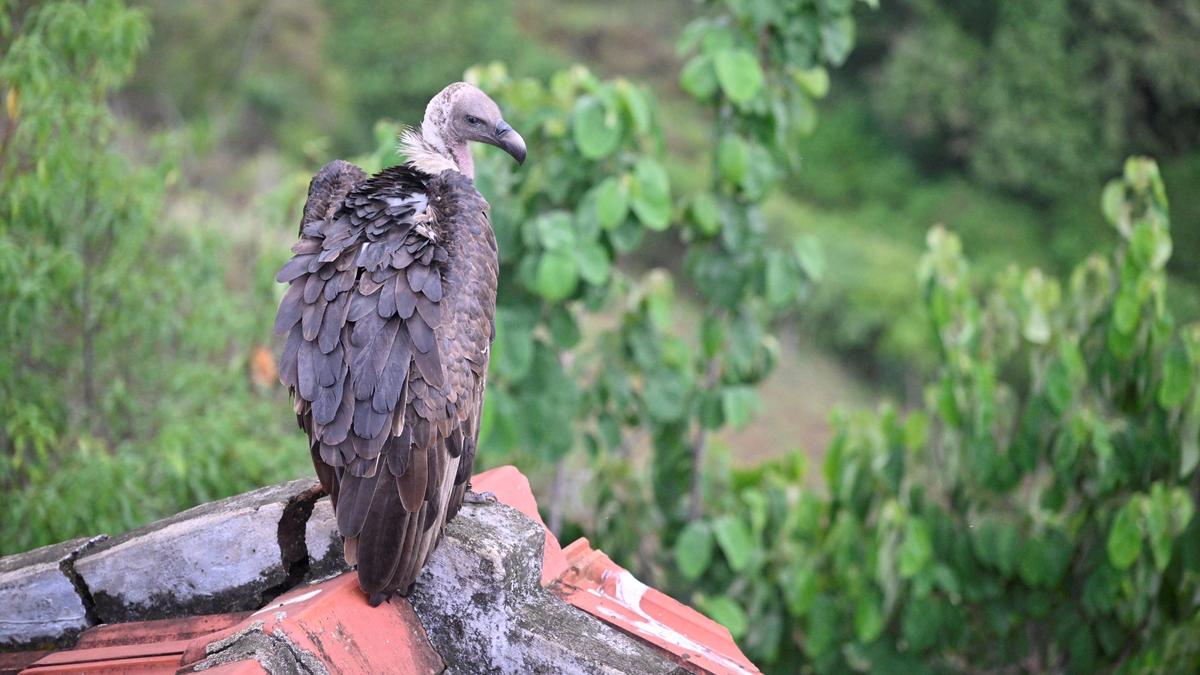
The White-Rumped Vulture (Gyps bengalensis) is a species of Old World vulture native to South and Southeast Asia. It is one of the three resident Gyps vultures that suffered a catastrophic population decline in the Indian subcontinent due to the veterinary use of the anti-inflammatory drug Diclofenac.
The species is also commonly known as the Indian White-backed Vulture or Oriental White-backed Vulture and plays a crucial ecological role by rapidly disposing of animal carcasses, thereby preventing the spread of diseases.
Habitat and Distribution
- The White-Rumped Vulture is primarily found in plains, though it may occasionally occur in hilly regions. It commonly inhabits villages, agricultural landscapes, and urban fringes, where livestock carcasses are readily available.
- Its geographical distribution extends across:India, Pakistan, Bangladesh, Nepal, Bhutan, Myanmar, Thailand, Laos, Cambodia, and Southern Vietnam.
Physical Characteristics
The species possesses several adaptations suited for scavenging:
- Bare, unfeathered head and neck that remain clean while feeding.
- Broad wings adapted for soaring flight.
- Short tail.
- Adults have dark blackish plumage, a white neck ruff, and a distinctive white patch on the lower back and upper tail, giving the species its name.
- Males and females are almost equal in size.
Food Habits
The White-Rumped Vulture is an obligate scavenger, feeding almost exclusively on the carcasses of dead animals, particularly livestock. By efficiently removing carcasses from the environment, it performs an important ecosystem service in maintaining environmental sanitation and reducing the risk of zoonotic diseases.
Major Threats
The species continues to face several conservation challenges:
- Veterinary use of Diclofenac, which causes fatal kidney failure in vultures.
- Electrocution and collision with power transmission lines.
- Habitat degradation and loss of nesting sites.
- Decline in food availability.
- Accidental poisoning and environmental contamination.
Conservation Status
- IUCN Red List: Critically Endangered (CR)
- Wildlife (Protection) Act, 1972: Schedule I (Highest level of legal protection)
Conservation Measures
India has undertaken several initiatives for vulture conservation, including:
- Ban on veterinary use of Diclofenac.
- Promotion of the safer alternative drug Meloxicam.
- Establishment of Vulture Conservation Breeding Centres.
- Creation of Vulture Safe Zones.
- Monitoring through radio-tagging and satellite telemetry.
- Awareness programmes to reduce anthropogenic threats.