
West Nile Fever
- 08 May 2024
Why is it in the News?
The Kerala health department has issued an alert after cases of West Nile fever were reported in Malappuram, Kozhikode and Thrissur districts.
What is West Nile Fever?
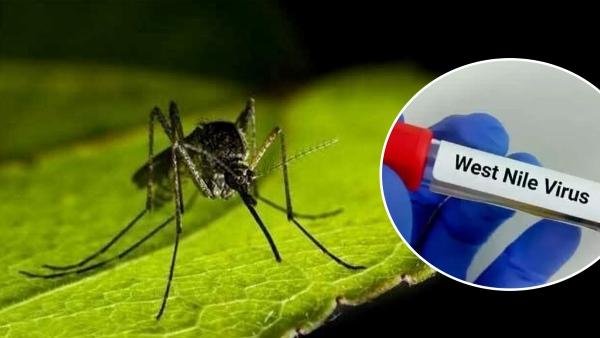
- West Nile Fever is a viral infection transmitted primarily by mosquitoes, caused by the West Nile virus (WNV).
- The virus is commonly found in Africa, Europe, the Middle East, North America, and West Asia.
- Most people infected with the West Nile virus don’t experience any symptoms.
- About 20% of people who become infected with WNV will develop West Nile fever.
- However, for some, particularly the elderly or those with weakened immune systems, symptoms can range from mild flu-like symptoms such as fever, headache, body aches, fatigue etc.
- Transmission occurs when mosquitoes become infected after feeding on infected birds, and then bite humans.
Why is it named West Nile Fever?
- West Nile Virus was first isolated in a woman in the West Nile district of Uganda in 1937.
- According to the World Health Organisation (WHO), It was identified in birds in the Nile Delta region in 1953,
Symptoms:
- West Nile Fever can manifest with a range of symptoms, although the majority of individuals infected with the West Nile virus (WNV) remain asymptomatic.
- For those who do exhibit symptoms, they typically appear within 2 to 14 days after being bitten by an infected mosquito.
- Common symptoms include fever, headache, body aches, and fatigue, which are similar to those of the flu.
- Additionally, individuals may experience nausea, vomiting, diarrhoea, and swollen lymph glands.
- Skin rash and swollen joints are also reported in some cases.
- In more severe instances, West Nile Fever can lead to neurological complications.
- These may include meningitis (inflammation of the membranes surrounding the brain and spinal cord) or encephalitis (inflammation of the brain).
- Signs of neurological involvement may include severe headache, high fever, neck stiffness, disorientation, tremors, seizures, paralysis, and coma.
Treatment:
- While there is no specific treatment for West Nile Fever, supportive care such as pain management, fluids, and rest can help alleviate symptoms and aid recovery.
- Prompt medical attention is crucial, especially for those experiencing neurological symptoms, as these can be life-threatening.