
Vaccinium Piliferum
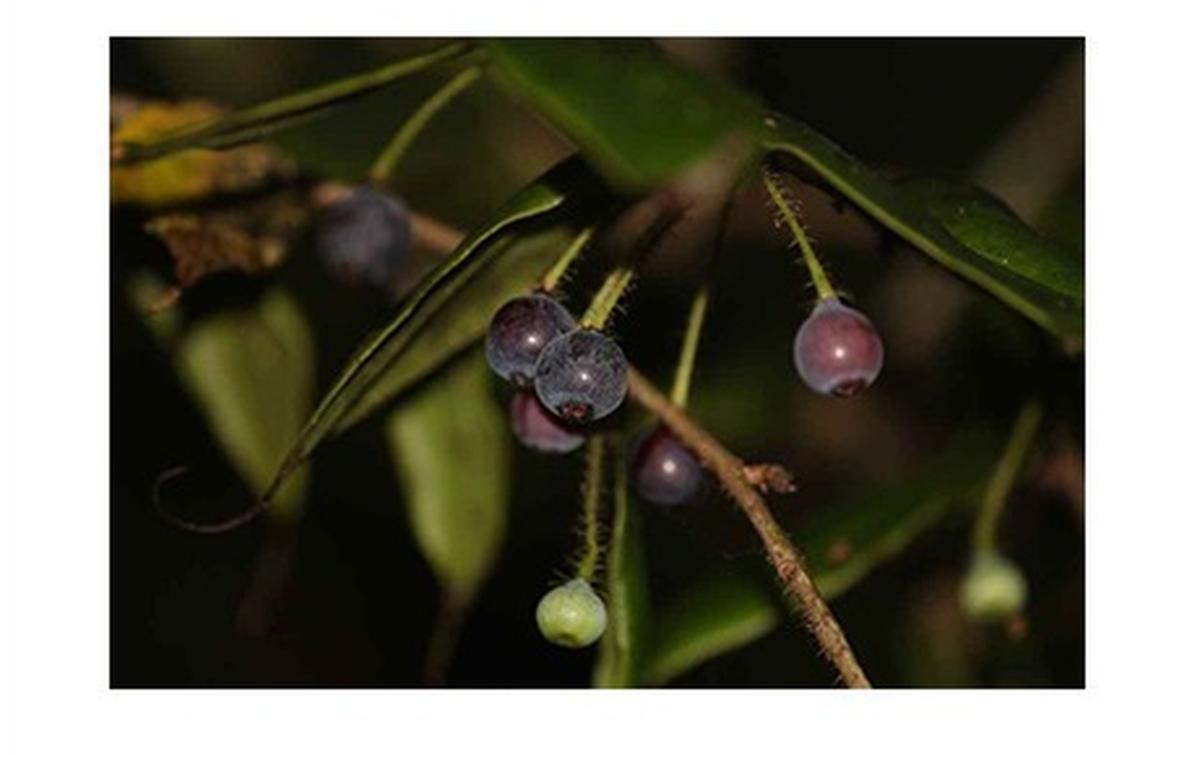
- 28 May 2026
In News:
In a significant botanical discovery, researchers have rediscovered Vaccinium piliferum, a rare and endangered wild blueberry species, in the remote forests of Vijoynagar in Arunachal Pradesh's Changlang district after nearly 188 years. The species was last documented in 1836 during the colonial era and had remained unrecorded in scientific literature since then.
About Vaccinium piliferum
Vaccinium piliferum is a rare wild relative of cultivated blueberries and belongs to the Ericaceae family, commonly known as the heath family. This family includes economically and ecologically important plants such as blueberries, cranberries, bilberries, rhododendrons, and heathers.
The genus Vaccinium is globally recognized for its edible berry-producing species and their nutritional as well as medicinal value. Wild relatives such as Vaccinium piliferum are particularly important because they serve as reservoirs of genetic diversity that can help improve cultivated varieties through breeding programmes.
Conservation Status
The species is currently classified as Endangered by the International Union for Conservation of Nature (IUCN).
Its endangered status reflects:
- Restricted geographical distribution.
- Small and fragmented populations.
- Habitat degradation and ecological disturbances.
- Limited scientific documentation and monitoring.
The rediscovery provides an opportunity to undertake detailed population assessments, habitat mapping, and long-term conservation planning to ensure the survival of the species.
Ecological and Scientific Significance
The rediscovery of Vaccinium piliferum has significance beyond taxonomy.
A. Indicator of Eastern Himalayan Biodiversity
The finding reinforces the status of the Eastern Himalayas as a global biodiversity hotspot characterized by:
- High species richness.
- High levels of endemism.
- Diverse climatic and ecological zones.
- Presence of numerous rare and threatened species.
B. Genetic Resource for Agriculture
Wild relatives of crop plants are increasingly recognized as valuable genetic resources. They often possess traits such as:
- Disease resistance.
- Pest tolerance.
- Adaptation to climatic stress.
- Improved nutritional characteristics.
Such traits may become increasingly important for developing climate-resilient agricultural systems.
C. Need for Habitat Conservation
The discovery also highlights the importance of conserving remote forest ecosystems, particularly in northeastern India, where many species remain poorly documented and vulnerable to habitat loss.
Blueberries: An Overview
Blueberries belong to the genus Vaccinium under the Ericaceae family and are among the most economically important berry crops worldwide.
Major Types of Blueberries
- Lowbush Blueberry (Vaccinium angustifolium)
- Highbush Blueberry (Vaccinium corymbosum)
- Bilberry or Forest Blueberry (Vaccinium myrtillus)
These species are widely cultivated in North America and Europe and are increasingly gaining commercial importance globally.
Climatic and Soil Requirements
Blueberries require specific environmental conditions for growth.
Climate
- Prefer relatively cool climates.
- Require 150–1200 chill hours to break dormancy.
- Excessively low temperatures can damage shoots and flower buds.
- Moderate temperatures are essential for flowering and fruit development.
Soil
Blueberries thrive in:
- Well-drained soils.
- Acidic conditions (low pH).
- Sandy loam texture.
- High organic matter content (above 3%).
Their sensitivity to soil and climatic conditions makes them useful indicators of ecosystem health.
Nutritional Importance of Blueberries
Blueberries are widely regarded as a "superfood" because of their rich nutritional profile.
They contain:
- Vitamin C.
- Vitamin K.
- Dietary fiber.
- Manganese.
- Polyphenols and anthocyanins.
These compounds possess strong antioxidant properties that help neutralize free radicals and may contribute to improved cardiovascular, neurological, and metabolic health.