
Typhoon Bavi
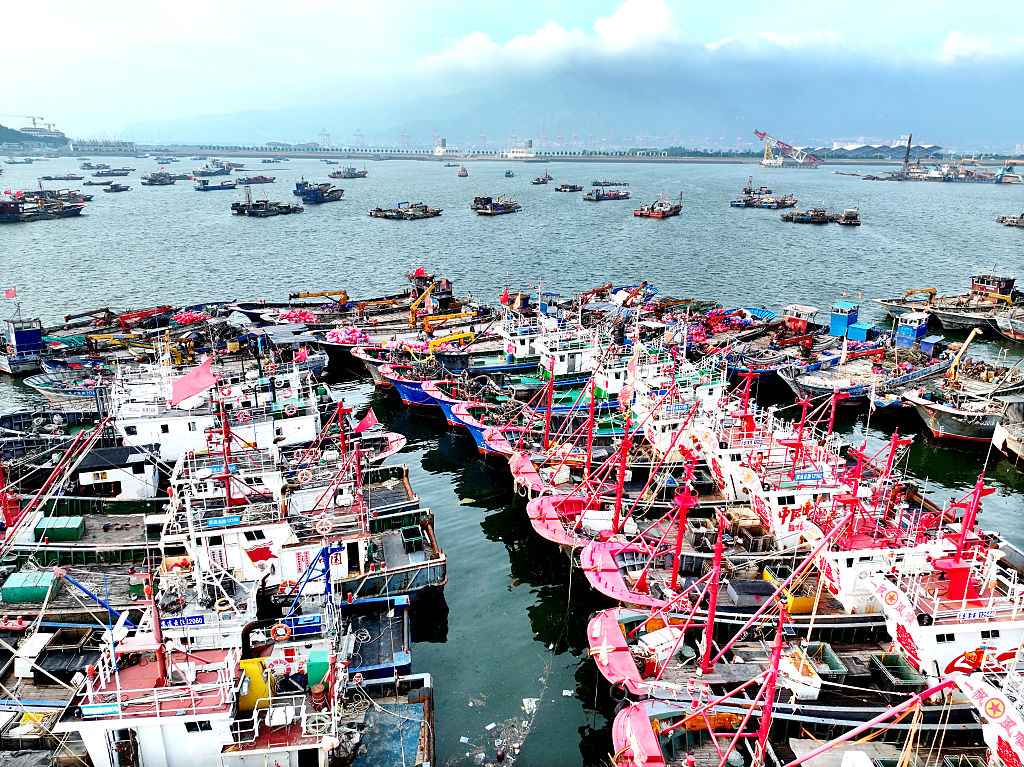
- 13 Jul 2026
In News:
Typhoon Bavi, a powerful tropical cyclone in the Western Pacific, has put Japan's southwestern Sakishima Islands and Taiwan on high alert as it moves across the East China Sea towards China's eastern coast.
About Typhoon Bavi
Typhoon Bavi (designated Tropical Cyclone 09W by the Joint Typhoon Warning Center) is one of the largest tropical cyclones to form in the Western Pacific in recent decades. According to the source, it measures nearly 1,000 km in width and covers a storm area of about 940,000 sq. km.
It formed over the open Pacific Ocean and initially impacted Guam and the Northern Mariana Islands, before moving towards Japan's Sakishima Islands, Taiwan, and the eastern coast of China.
Formation of Typhoon Bavi
The system originated as a tropical disturbance east-southeast of Kwajalein on 25 June 2026. It rapidly intensified over the Philippine Sea due to highly favourable atmospheric and oceanic conditions:
- Sea Surface Temperature (SST): 29°C–30°C
- Very low vertical wind shear: 5–10 knots
- High mid-level atmospheric humidity
These conditions provided abundant heat and moisture, enabling the cyclone to strengthen into a severe typhoon.
Naming of Typhoon Bavi
The name "Bavi" was contributed by Vietnam to the World Meteorological Organization (WMO) Typhoon Committee's list of tropical cyclone names.
The name refers to the Ba Vì Mountain Range, a biodiversity-rich mountain range located near Hanoi, Vietnam.