
UN Sustainable Development Report 2026
- 03 Jul 2026
In News:
India ranked 94th out of 167 countries in the 2026 Sustainable Development Goals (SDG) Index, achieving its highest-ever position with a score of 68.3/100, according to the Sustainable Development Report (SDR) 2026 released by the UN Sustainable Development Solutions Network (SDSN) during the Hamburg Sustainability Conference 2026.
About the Sustainable Development Report (SDR)
- The Sustainable Development Report (SDR) is an annual global assessment published by the United Nations Sustainable Development Solutions Network (SDSN).
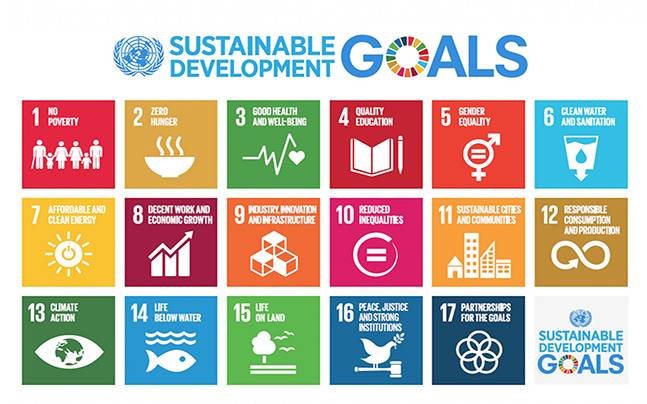
- It evaluates countries' progress towards achieving the 17 Sustainable Development Goals (SDGs) adopted under the 2030 Agenda for Sustainable Development.
- The report uses the SDG Index to measure national performance based on a wide range of social, economic, environmental, and governance indicators.
Key Global Findings
- The report highlights that none of the 17 Sustainable Development Goals are currently on track to be achieved globally by 2030. Only 16.5% of SDG targets are progressing as required, while nearly half show only marginal progress and several have regressed since 2015.
- The Nordic countries continue to dominate the rankings, with Finland securing the first position, followed by Sweden and Denmark. At the other end of the index, South Sudan, the Central African Republic, and Chad occupy the lowest ranks due to prolonged conflict, political instability, and weak institutions.
- Globally, the greatest challenges remain in Zero Hunger (SDG 2), Sustainable Cities (SDG 11), Life Below Water (SDG 14), Life on Land (SDG 15), and Peace, Justice and Strong Institutions (SDG 16).
India's Performance
- India has emerged as one of the fastest-improving major economies, climbing 18 positions since the adoption of the SDGs in 2015—from 112th to 94th. However, it continues to rank behind several South Asian neighbours, including Bhutan, Nepal, Maldives, and Sri Lanka.
- The report projects that only 33.3% of India's SDG targets are likely to be achieved by 2030, while progress on many indicators remains slow.
- The most significant challenge continues to be SDG 2 (Zero Hunger). India continues to record high levels of child wasting (19%), child stunting (29.3%), and undernourishment (12%), indicating persistent nutritional concerns.
- The report also identifies major challenges in Good Health and Well-being (SDG 3), Gender Equality (SDG 5), Sustainable Cities (SDG 11), Life Below Water (SDG 14), Life on Land (SDG 15), and Peace, Justice and Strong Institutions (SDG 16).
- On the environmental front, India has shown deterioration in Responsible Consumption and Production (SDG 12) and Climate Action (SDG 13), largely due to increasing carbon emissions from fossil fuel use and cement production.
- Despite these challenges, the report acknowledges India's notable achievements in expanding electricity access (SDG 7) and improving mobile broadband and internet connectivity (SDG 9), reflecting significant progress in infrastructure and digital inclusion.
Sustainable Development Goals (SDGs)
The Sustainable Development Goals (SDGs) comprise 17 global goals and 169 targets, adopted by all 193 United Nations Member States in 2015 under the 2030 Agenda for Sustainable Development. The goals seek to eradicate poverty, reduce inequality, protect the environment, and promote inclusive and sustainable development through the guiding principle of "Leave No One Behind."
The SDGs evolved from earlier international initiatives, including the Brundtland Commission Report (1987), the Millennium Development Goals (2000), the Johannesburg Declaration (2002), and the Rio 20 Conference (2012).
India's Institutional Framework for SDG Implementation
India has established a comprehensive institutional mechanism for monitoring SDG progress.
- NITI Aayog serves as the nodal agency for SDG implementation and publishes the SDG India Index, encouraging cooperative and competitive federalism among States and Union Territories.
- The Ministry of Statistics and Programme Implementation (MoSPI) monitors progress through the National Indicator Framework (NIF) comprising 277 indicators.
- The Ministry of Panchayati Raj promotes localisation of SDGs through the Local Indicator Framework (LIF) and the Panchayat Advancement Index (PAI), which evaluates over 2.5 lakh Gram Panchayats across nine thematic areas.
Global Hunger Index 2024
- 14 Oct 2024
In News:
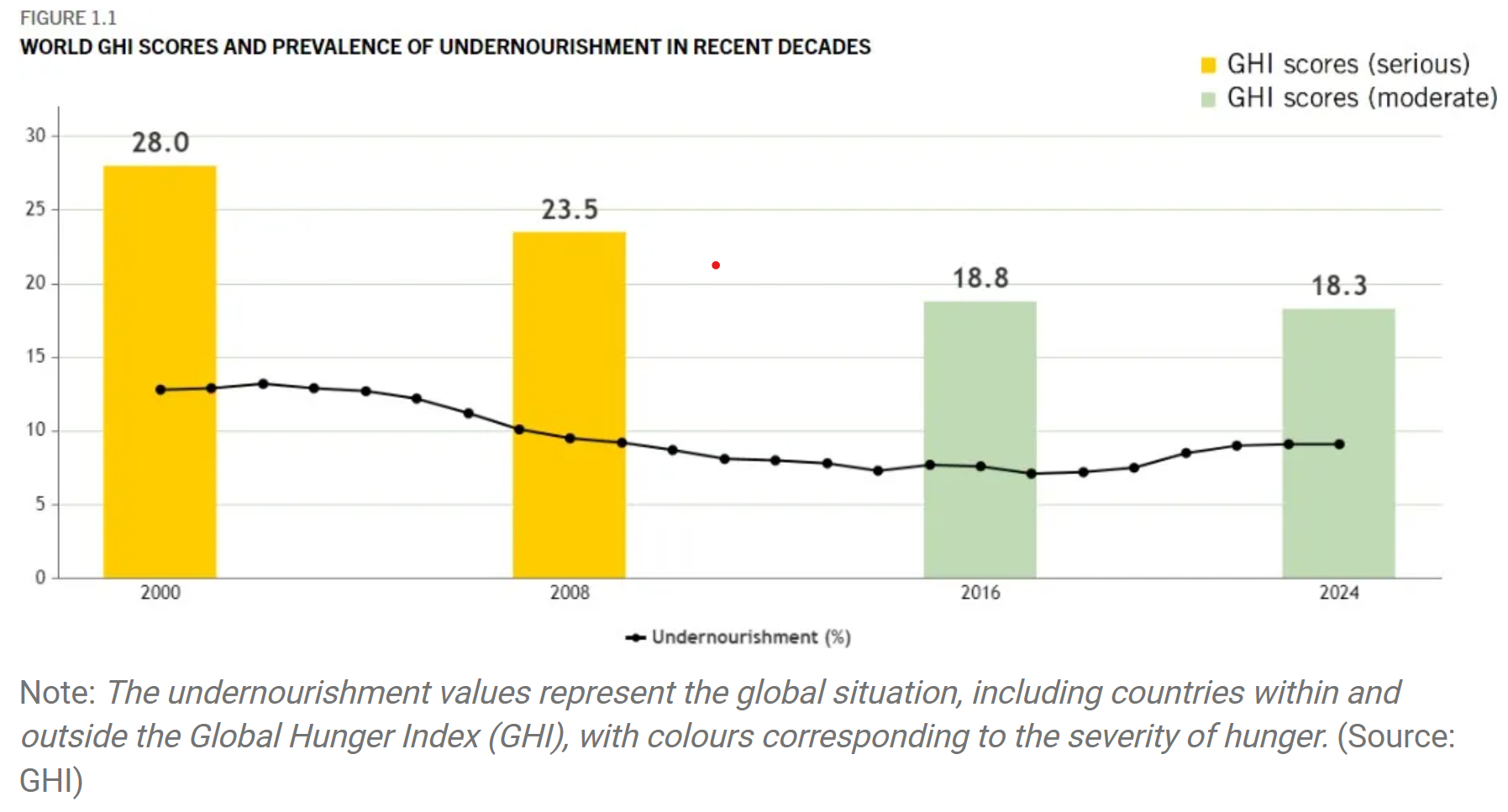
The 2024 Global Hunger Index (GHI) emphasizes food as a fundamental human right, alongside air and water.
Key Highlights:
- Current Crisis: Despite adequate food production globally, around 350 million people face extreme hunger, with 49 million on the brink of famine.
- Statistics: Over 820 million people are chronically undernourished, and malnutrition claims the lives of five million children under five each year.
Top 10 Countries Most Affected by Hunger (2024)
- Somalia: GHI Score 44.1 (GHI 2000: 63.3)
- Yemen: GHI Score 41.2 (GHI 2000: 41.6)
- Chad: GHI Score 36.4 (GHI 2000: 50.5)
- Madagascar: GHI Score 36.3 (GHI 2000: 42.3)
- Democratic Republic of the Congo: GHI Score 34.9 (GHI 2000: 47.2)
- Haiti: GHI Score 34.3 (GHI 2000: 39.8)
- Niger: GHI Score 34.1 (GHI 2000: 53.1)
- Liberia: GHI Score 31.9 (GHI 2000: 48.0)
- Central African Republic: GHI Score 31.5 (GHI 2000: 48.0)
- Korea (DPR): GHI Score 31.4 (GHI 2000: 43.7)
India's Position
- Ranking: India ranks 105th in the GHI 2024, categorized as having a "serious" hunger situation.
- GHI Score: India’s score stands at 27.3, showing some improvement from a score of 38.4 in 2000 (previously classified as "alarming").
Key Concerns in India
- Undernourishment: 13.7% of the population is undernourished.
- Child Stunting: 35.5% of children under five are stunted.
- Child Wasting: 18.7% of children under five experience wasting.
- Child Mortality: 2.9% of children do not survive to age five.
Global Hunger Index (GHI):
A tool measuring hunger across countries based on four indicators:
-
- Undernourishment
- Child Wasting
- Child Stunting
- Child Mortality
- Data Sources: The GHI is based on data from credible organizations like the FAO, WHO, and UNICEF, as well as government surveys.
Hunger Indicators Explained
- Undernourishment: Reflects the overall food access situation.
- Child Wasting: Indicates acute malnutrition; a critical health issue.
- Child Stunting: Reflects chronic malnutrition; significant public health concern.
- Child Mortality: Represents the most severe consequence of hunger.
The 2024 GHI report reveals that while progress has been made in addressing hunger globally, significant challenges remain, particularly in countries like India and the most affected nations. Addressing these issues is crucial for achieving the goal of zero hunger by 2030.
United Nations Entity for Gender Equality and the Empowerment of Women (UN Women)
- 18 Apr 2024
Why is it in the News?
According to a recent report by UN Women, six months into the war, Gaza is facing a humanitarian crisis disproportionately impacting women and girls.
What is UN Women?
- Founded in 2010 by the United Nations General Assembly as part of the UN reform agenda.
- Merges resources and mandates to create a more significant impact on gender equality and women's empowerment.
- Serves as a global advocate for women and girls, addressing their needs and accelerating progress.
Key Roles:
- Supports intergovernmental bodies like the Commission on the Status of Women in developing policies, global standards, and norms for gender equality.
- Assists member states in implementing these standards and offers technical and financial support upon request.
- Builds effective partnerships with civil society organizations.
- Leads and coordinates the UN system's work on gender equality while promoting accountability through regular monitoring of progress.
Sustainable Development Goals (SDGs):
- Works globally to realize the SDGs for women and girls.
- Promotes women's equal participation in all aspects of life.
Country-level Support:
- Collaborates with government and non-governmental partners in countries that request assistance.
- Helps implement policies, laws, services, and resources to advance gender equality.
Grant-making Funds:
- Fund for Gender Equality: Provides grants to support innovative, high-impact programs by government agencies and civil society groups.
- UN Trust Fund to End Violence against Women: Finances initiatives that address violence against women and girls.
Commission on the Status of Women (CSW):
- A global policy-making body focused on gender equality and women's advancement.
- Operates as a functional commission of the United Nations Economic and Social Council (ECOSOC).
Information and Advocacy:
- Regularly provides information on women's rights issues to the General Assembly, ECOSOC, and the Security Council.
- Maintains the UN Secretary-General's database on violence against women, tracking measures taken by UN Member States and organizations.
- UN Women plays a vital role in advancing gender equality and women's empowerment worldwide by providing crucial support, resources, and advocacy through its various initiatives and collaborations.
World Sustainable Development Summit 2024 (TERI)
- 08 Feb 2024
Why is it in the News?
Vice-President Jagdeep Dhankhar inaugurated the World Sustainable Development Summit in New Delhi recently in the presence of Prime Minister of Guyana Mark Phillips.
About the World Sustainable Development (WSDS) Summit:
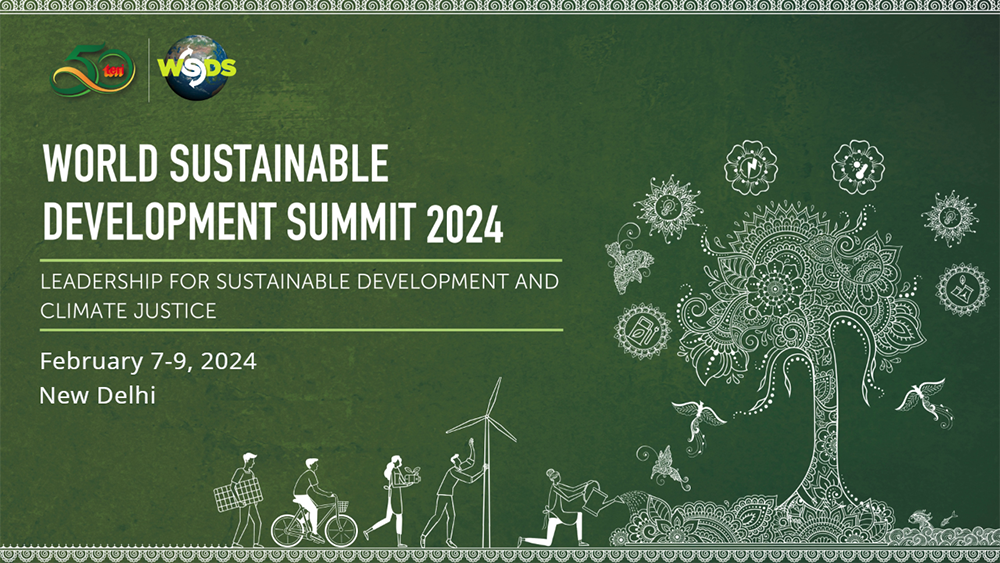
- The WSDS Summit, organized annually by The Energy and Resources Institute (TERI), stands as a flagship event in the realm of sustainable development.
- Instituted in 2001, the Summit series boasts a distinguished legacy spanning over two decades, dedicated to advancing 'sustainable development' as a universally embraced objective.
- Distinguished as the sole independently convened international summit on sustainable development and environment originating from the Global South, the WSDS endeavours to forge enduring solutions for the global community.
- It achieves this by convening the world's foremost leaders and intellectuals on a singular platform.
- The upcoming WSDS 2024 marks the 23rd edition of this significant summit, revolving around the theme 'Leadership for Sustainable Development and Climate Justice'.
Key Facts about The Energy and Resources Institute (TERI):
- TERI stands as a premier think tank committed to conducting research aimed at fostering sustainable development in India and across the Global South.
- Established in 1974 as an information centre focusing on energy issues, TERI expanded its scope to encompass multifaceted research, policy analysis, consultancy, and implementation initiatives.
- TERI's research endeavours, commencing in the late 1980s, are rooted in its steadfast belief that the efficient utilization of energy and sustainable management of natural resources are indispensable for developmental progress.
- Across various sectors, TERI concentrates its efforts on:
- Promoting the efficient utilization of resources
- Enhancing access to and adoption of sustainable practices and inputs
- Mitigating environmental and climate impacts
- TERI's headquarters are located in New Delhi, serving as a hub for its diverse activities and initiatives.