
Supreme Court Invokes Article 142 to Quash POCSO Conviction
- 16 Jun 2026
In News:
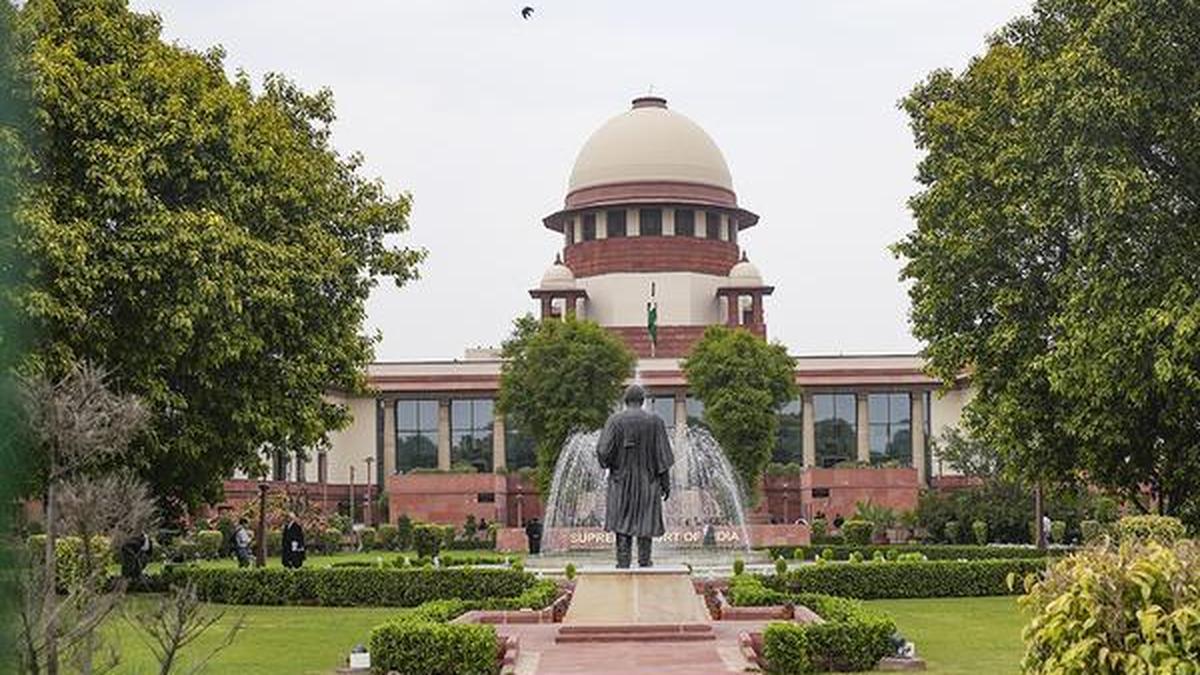
The Supreme Court invoked its extraordinary powers under Article 142 of the Constitution to set aside the conviction of a man under the Protection of Children from Sexual Offences (POCSO) Act, 2012, noting that the victim had subsequently attained majority, married him, and the continuation of the conviction would not serve the ends of justice.
The Court clarified that the decision was based on the peculiar facts of the case and should not be treated as a precedent for similar cases.
Article 142 of the Constitution
- Article 142 empowers the Supreme Court to pass any decree or order necessary for doing "complete justice" in any matter pending before it. Such orders are binding throughout India and are enforceable in the same manner as decrees of a civil court.
- While Article 142 grants wide discretionary powers, the Court has consistently held that these powers cannot ordinarily override substantive statutory provisions and must be exercised sparingly and in exceptional circumstances to ensure justice.
Protection of Children from Sexual Offences (POCSO) Act, 2012
The POCSO Act, 2012 is a comprehensive legislation enacted to protect children below 18 years from sexual assault, sexual harassment, and pornography, while ensuring child-friendly procedures for reporting, investigation, and trial. The Act was enacted following India's obligations under the UN Convention on the Rights of the Child (UNCRC), ratified in 1992.
Key Features of the POCSO Act
- Gender-neutral legislation: Protects both boys and girls from sexual offences.
- Child-friendly justice system: Provides special procedures for recording statements, investigation, evidence, and trial to minimise trauma.
- POCSO Rules, 2020: Strengthen implementation through institutional safeguards, reporting mechanisms, and victim support services.
- Confidentiality of identity:Section 23 prohibits disclosure of any information that may reveal the identity of the child victim, including by the media.
- Mandatory reporting:Sections 19–22 make it mandatory for any person having knowledge or reasonable suspicion of an offence to report it to the authorities.
- Stringent punishments: Prescribes graded penalties depending on the gravity of the offence. The Protection of Children from Sexual Offences (Amendment) Act, 2019 introduced harsher punishments, including the death penalty for certain aggravated penetrative sexual assaults.
Significance of the Judgment
The judgment highlights the Supreme Court's constitutional responsibility to balance strict statutory mandates with the broader objective of doing complete justice in exceptional cases. At the same time, the Court reaffirmed that POCSO is a welfare legislation enacted to protect children and that the exercise of powers under Article 142 cannot dilute the legislative intent or undermine child protection. By emphasizing that the ruling is confined to the unique facts of the case, the Court sought to preserve the deterrent purpose and integrity of the POCSO framework.