
Printed Circuit Boards (PCB)
- 29 Apr 2026
In News:
In April 2026, the global electronics industry faced a severe shock as the conflict in the Middle East intensified, leading to a dramatic 40% surge in the price of Printed Circuit Boards (PCBs). This crisis underscores the fragility of high-tech supply chains and the critical dependence of the modern digital economy—especially the burgeoning AI sector—on specific raw materials sourced through volatile trade routes.
The Anatomy of a Crisis: Why Prices Scalated
The primary driver behind the price hike is the disruption of maritime trade and the supply of specialized raw materials.
- PPE Resin Shortage: High-purity Polyphenyleneether (PPE) and epoxy resins are the foundational "glue" of PCB laminates. The disruption in West Asia has choked the supply of these chemical precursors, which are essential for high-frequency circuit boards.
- Shipping Bottlenecks: As a vital transit point for global trade, the instability in the Middle East has forced rerouting, increasing freight costs and lead times for other components like copper foil and glass fiber.
What is a Printed Circuit Board (PCB)?
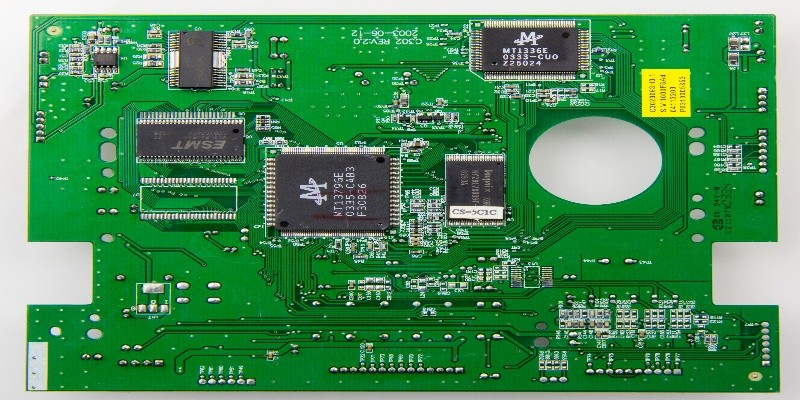
Often referred to as the "nervous system" of electronic devices, a PCB is a rigid or flexible substrate used to electrically connect and mechanically support electronic components. It utilizes conductive pathways, known as traces, which are etched from copper sheets laminated onto a non-conductive base.
Critical Raw Materials and Their Economics
- Copper Foil: The most expensive element, typically accounting for 60% of total raw material costs. It provides the conductive paths necessary for electricity to flow.
- Resins (PPE/Epoxy): These act as the insulating base. In advanced high-speed applications like AI, specialized resins like PPE are non-negotiable for maintaining signal integrity.
- Glass Fiber: Integrated into the substrate to provide mechanical strength, structural durability, and electrical insulation.
The Manufacturing Process: From Substrate to Circuit
The production of high-end PCBs is a high-precision engineering feat involving several stages:
- Lamination: Intense heat and pressure bond the resin and glass fiber to create a solid substrate.
- Etching: A chemical process removes excess copper, leaving behind the precise "roads" (conductive pathways) required for the circuit to function.
- Multi-layering: For complex hardware, such as AI servers, manufacturers stack multiple layers of circuitry. These high-end boards can cost thousands of dollars per square meter due to their complexity.
Global Impact and Applications
The current price surge affects the entire spectrum of technology, from household gadgets to national infrastructure:
- AI and Data Centers: Cloud service providers are seeing increased costs for the massive AI servers that power large language models and neural networks.
- Consumer Tech: Smartphones, laptops, and wearables are facing upward price pressure as manufacturers pass on the 40% increase in component costs to consumers.
- Industrial Automation: Semiconductors produced by giants like Nvidia, AMD, Samsung, and SK Hynix rely on these boards as the essential interface for their chips. Without stable PCB supplies, factory automation and large-scale manufacturing equipment face significant delays.