
Micro, Small and Medium Enterprises Development (Amendment) Bill, 2026

- 05 Aug 2026
In News:
Parliament passed the Micro, Small and Medium Enterprises Development (Amendment) Bill, 2026 to strengthen the MSME ecosystem through faster payments, simplified compliance, and improved dispute resolution.
Key Highlights
The Bill amends the MSME Development Act, 2006 to improve ease of doing business, ensure timely payments, and facilitate access to finance.
- Flexible MSME Classification: Empowers the Central Government to notify MSME classification based on investment in plant & machinery/equipment and turnover, replacing fixed statutory thresholds.
- Voluntary Digital Registration: Provides for voluntary MSME registration through a Central Government digital platform, while allowing States to establish their own registration portals.
- Mandatory TReDS for CPSEs: Makes it compulsory for Central Public Sector Enterprises (CPSEs) to settle MSME procurement invoices through the Trade Receivables Discounting System (TReDS). The Centre and States may extend this requirement to other public entities.
- Time-bound Dispute Resolution: Payment disputes must undergo mediation within 90 days from the first hearing. If mediation fails, arbitration must begin within 30 days, with the award delivered within 90 days after completion of pleadings.
- Relief During Appeals: If a court challenge to an arbitration award or mediated settlement continues beyond six months, at least 50% of the awarded amount must be released to the MSME supplier.
- Decriminalisation of Compliance: Replaces imprisonment with a graded system of warnings and monetary penalties for offences such as furnishing false registration details, failing to provide required information, or not reporting MSME dues in annual accounts.
- Progressive Penalties: Penalties increase for repeat violations, with minimum penalty amounts automatically revised upward by 10% every three years.
- Adjudication Mechanism: The Development Commissioner (MSME) will act as the adjudicating authority, while appeals will lie before the MSME Secretary.
Significance
The amendment seeks to improve liquidity, reduce delays in payments, strengthen access to formal finance, simplify regulatory compliance, and create a more efficient and business-friendly ecosystem for MSMEs, thereby supporting employment generation and economic growth.
Cyanobacteria: Nature's Ancient Microbes for Sustainable Water Purification

- 12 Jul 2026
In News:
Researchers from IIT Guwahati have demonstrated that cyanobacteria (blue-green algae) can effectively remove lead from contaminated water, highlighting their potential as an eco-friendly and cost-effective solution for heavy metal remediation.
What are Cyanobacteria?
Cyanobacteria, commonly known as blue-green algae, are microscopic photosynthetic prokaryotic organisms found naturally in aquatic environments. They are among the oldest known life forms on Earth, with fossil records dating back more than 3.5 billion years, and are believed to have played a crucial role in oxygenating the Earth's atmosphere.
These organisms occur in freshwater, brackish water and marine ecosystems, where they contribute significantly to primary productivity.
Characteristics of Cyanobacteria
Cyanobacteria are autotrophic organisms, producing their own food through photosynthesis using sunlight. Unlike algae, they possess a prokaryotic cell structure, lacking a true nucleus and membrane-bound organelles.
They reproduce asexually, primarily through transverse binary fission. While some species occur as solitary cells, others form colonies or filamentous structures.
Under warm, nutrient-rich conditions, cyanobacteria multiply rapidly and form cyanobacterial blooms, particularly in slow-moving water bodies enriched with nutrients from agricultural runoff or sewage. Certain species produce cyanotoxins, which can adversely affect aquatic ecosystems, livestock and human health.
Role in Water Purification
The recent study demonstrates that cyanobacteria can absorb and accumulate lead, a toxic heavy metal, from contaminated water through the process of biosorption. This makes them promising candidates for bioremediation, an environmentally sustainable approach that uses living organisms to remove pollutants from the environment.
Compared to conventional chemical treatment methods, cyanobacteria-based remediation is relatively inexpensive, eco-friendly and suitable for treating industrial wastewater contaminated with heavy metals.
Credit Guarantee Scheme for Micro Finance Institutions 2.0
- 16 Jun 2026
In News:
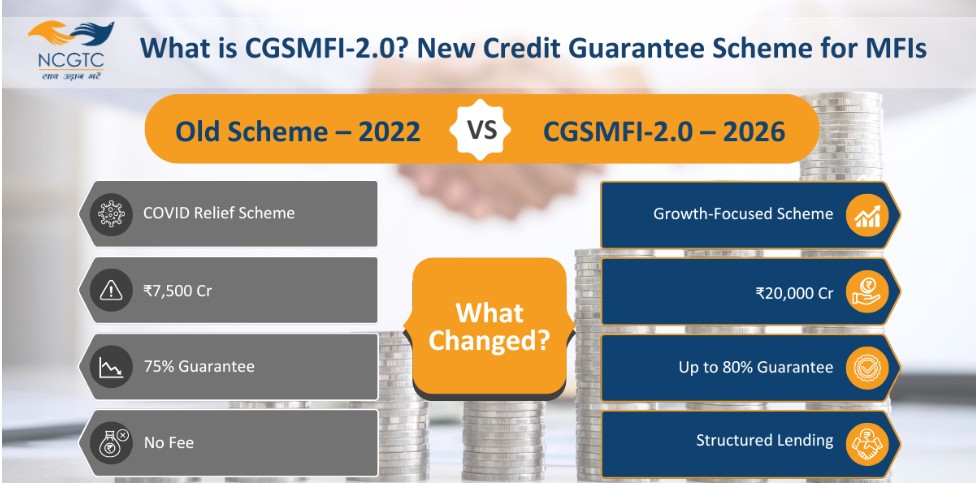
The Government of India has extended the Credit Guarantee Scheme for Micro Finance Institutions (CGSMFI-2.0) till 31 August 2026 or until guarantees worth ?20,000 crore are issued, whichever is earlier. It has also increased the maximum loan limit for large NBFC-MFIs/MFIs from ?300 crore to ?1,000 crore (subject to 20% of AUM). As of now, ?770 crore of loans have been sanctioned under the scheme.
About CGSMFI-2.0
Launched in March 2026, CGSMFI-2.0 is a government-backed credit guarantee scheme that provides guarantee coverage to Member Lending Institutions (MLIs) for loans extended to NBFC-MFIs and other eligible MFIs. These institutions, in turn, provide microcredit to eligible borrowers as per the RBI's microfinance norms. The scheme is implemented through the National Credit Guarantee Trustee Company Ltd. (NCGTC) using an automatic approval mechanism, reducing the credit risk for lenders and encouraging greater flow of institutional finance to the microfinance sector.
Key Features
- Extended till 31 August 2026 or guarantee issuance of ?20,000 crore, whichever is earlier.
- Funds can be used only for incremental lending to eligible microfinance borrowers.
- Loans must be disbursed within three months and have a maximum tenure of three years, including a one-year moratorium.
- To ensure balanced credit distribution, MLIs must allocate at least 5% of total loans to small MFIs and 10% to medium MFIs.
Differential Guarantee Coverage
|
Category |
AUM |
Guarantee Coverage |
|
Small MFI |
Less than ?500 crore |
80% |
|
Medium MFI |
?500 crore to < ?2,000 crore |
75% |
|
Large MFI |
?2,000 crore and above |
70% |
The earlier scheme provided a uniform 75% guarantee, whereas CGSMFI-2.0 offers higher protection to smaller institutions to improve credit access in underserved areas.
Loan Limits
|
Category |
Maximum Loan Limit |
|
Small MFI |
?100 crore |
|
Medium MFI |
?200 crore |
|
Large MFI |
?1,000 crore (revised from ?300 crore), subject to 20% of AUM |
Microfinance Institutions (MFIs)
MFIs are financial intermediaries that provide small, collateral-free loans and financial services to low-income households, particularly in rural and semi-urban areas, thereby promoting financial inclusion, livelihood generation, and women’s empowerment. They function primarily as NBFC-MFIs or cooperative/NGO-led institutions.
Key features include:
- Target beneficiaries: Low-income households, women, small entrepreneurs, and informal workers.
- Loan size: Generally ?5,000–?1,00,000.
- Delivery models: Joint Liability Groups (JLGs) and Self-Help Groups (SHGs).
- Regulation:RBI regulates NBFC-MFIs, while NABARD supports and refinances the SHG-Bank Linkage Programme.
Blue Micromoon
- 06 Jun 2026
In News:
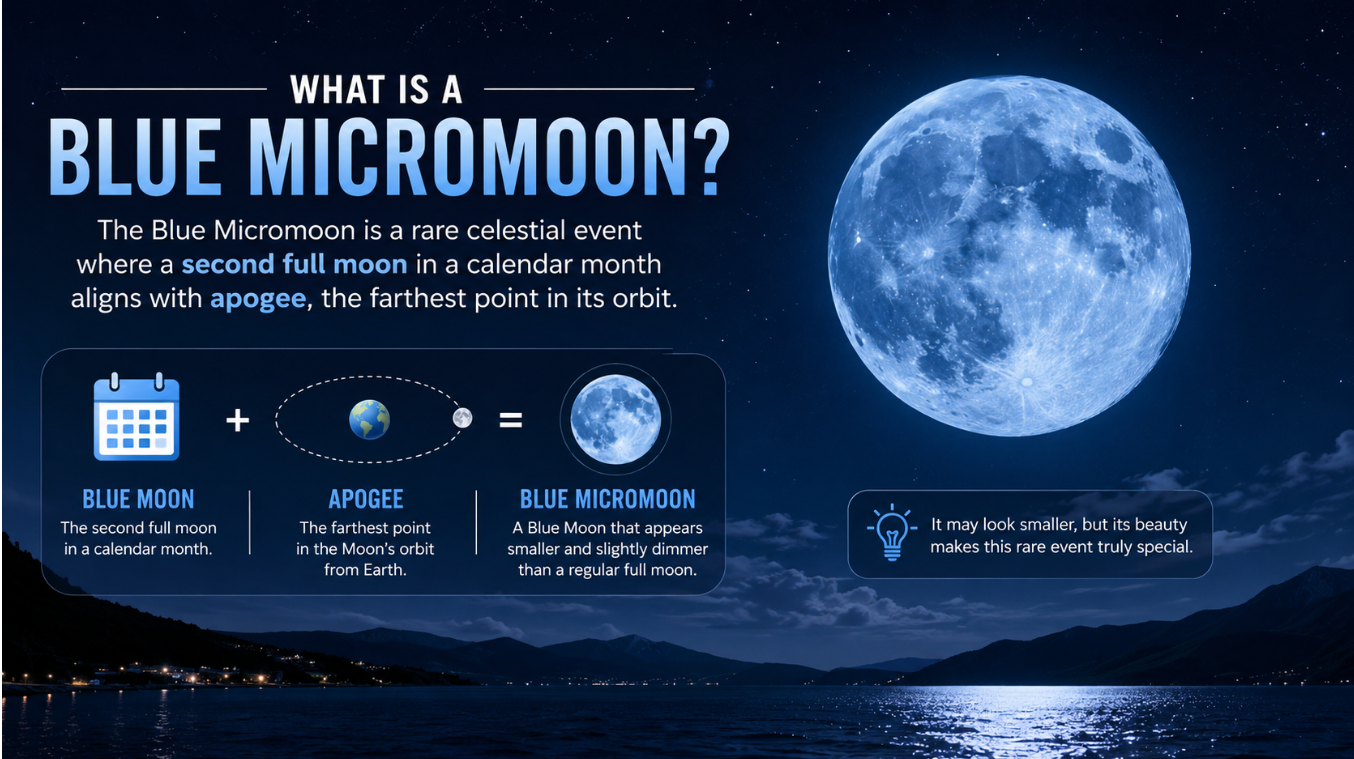
Recently, skywatchers witnessed a rare Blue Micromoon, a simultaneous occurrence of a Blue Moon and a Micromoon. NASA described it as the farthest, smallest, and dimmest full Moon of 2026, with the next Blue Micromoon not expected until 2053.
What Is a Blue Micromoon?
A Blue Micromoon is the rare coincidence of two distinct lunar phenomena:
- A Blue Moon refers to the second full moon occurring within a single calendar month. Because the interval between two full moons averages about 29.5 days — slightly shorter than most calendar months — every two to three years a calendar year includes 13 full moons, producing this "extra" full moon.
- A Micromoon occurs when a full moon coincides with apogee — the farthest point in the Moon's elliptical orbit around Earth. The opposite of a micromoon is a supermoon, which occurs when a full moon reaches perigee, or its closest point to Earth.
Why Doesn't It Look Blue?
Despite the name, the moon does not appear blue. The name has nothing to do with the moon's colour — it appears as a warm orange near the horizon due to atmospheric scattering. A genuinely bluish tint can only appear when rare atmospheric conditions — such as volcanic ash or dense smoke — scatter red wavelengths of light.
Key Orbital Mechanics
The Moon's orbit around Earth is elliptical, completing one cycle every 27.3 days. Because the orbit is not a perfect circle, the Moon's distance from Earth varies continuously. When the fully illuminated phase coincides with the orbital extreme of apogee, the angular diameter of the lunar disk appears compressed — about 7% smaller than an average full moon. The coincidence of this orbital position with the calendar anomaly of a Blue Moon is what makes the Blue Micromoon so rare.
Rarity
The next Blue Micromoon will not be seen until at least July 2053, making this a phenomenon with a gap of approximately 27 years. A standard Blue Moon recurs every 2–3 years; a Micromoon is more common on its own; but their simultaneous alignment is exceedingly infrequent.
Kerala Declares Bacillus subtilis as State Microbe
- 17 Feb 2026
In News:
In a pioneering move blending science with public policy, Kerala has declared Bacillus subtilis as its official “State Microbe.” This makes Kerala the first state in India to formally recognise a microorganism, highlighting the growing importance of microbiology in public health, agriculture, and biotechnology. The decision reflects a broader governance approach that integrates scientific research with sustainable development goals.
About Bacillus subtilis
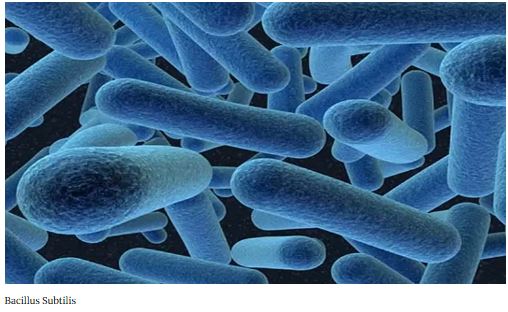
Bacillus subtilis is a non-pathogenic, rod-shaped, gram-positive bacterium commonly found in soil, water, and even the human gut. It is known for its beneficial properties and has been extensively studied due to its resilience and versatility.
Key Characteristics
- Spore-forming ability: Enables survival in extreme environmental conditions.
- Non-pathogenic nature: Safe for human and agricultural applications.
- Probiotic function: Contributes to gut health and strengthens immunity.
- Industrial adaptability: Widely used in fermentation and enzyme production.
Its robust biological properties make it an ideal model organism in microbiological research.
Health and Agricultural Significance
1. Public Health
As a probiotic bacterium, Bacillus subtilis plays a crucial role in:
- Improving digestive health
- Enhancing immune response
- Maintaining healthy gut microbiota
With increasing global focus on microbiome research, such beneficial microbes are gaining importance in preventive healthcare and nutrition.
2. Agricultural Applications
The bacterium is extensively used as:
- Biofertilizer: Promotes plant growth by improving nutrient availability.
- Biocontrol agent: Suppresses plant pathogens and reduces reliance on chemical pesticides.
This aligns with sustainable agriculture and organic farming practices, reducing environmental degradation caused by synthetic inputs.
3. Industrial and Biotechnological Use
Due to its genetic stability and spore-forming capacity, Bacillus subtilis has applications in:
- Enzyme production
- Fermentation industries
- Biotechnology research
- Pharmaceutical manufacturing
Institutional Support: Centre of Excellence in Microbiome
Kerala’s decision is supported by institutional innovation through the Centre of Excellence in Microbiome (CoEM), established under the Kerala State Council for Science, Technology and Environment.
Located in Thiruvananthapuram, CoEM is India’s first dedicated multi-domain research institution focusing on microbiome studies. It promotes interdisciplinary research spanning health, agriculture, environmental science, and biotechnology.
The declaration of a State Microbe complements Kerala’s efforts to position itself as a hub for microbiome research and scientific advancement.
Governance and Policy Significance
- Science-Based Governance: Integrates microbiological research into state identity and policy discourse.
- Sustainable Development: Encourages eco-friendly agriculture and health interventions.
- Public Awareness: Elevates understanding of beneficial microorganisms in everyday life.
- Research Promotion: Strengthens India’s microbiome research ecosystem.
This move parallels other symbolic recognitions such as state animals or birds but uniquely extends recognition to the microbial world, emphasizing ecological interdependence.
Inhalable Microplastics

- 21 Dec 2025
In News:
A first-of-its-kind comprehensive study has detected inhalable microplastics in the ambient air of major Indian cities, uncovering a largely ignored dimension of urban air pollution. The research monitored air samples from densely populated market areas across Delhi, Mumbai, Kolkata, and Chennai, highlighting a regulatory blind spot in current air quality assessment systems.
What are Inhalable Microplastics?
- Definition: Tiny airborne plastic particles smaller than 10 micrometres (µm) that can remain suspended in air and be inhaled deep into the lungs.
- Unlike larger microplastics that settle quickly, these particles persist in the atmosphere due to low gravitational settling velocity.
- They are now emerging as airborne contaminants, alongside conventional pollutants such as PM?.? and PM??, sulphur dioxide (SO?), nitrogen dioxide (NO?), carbon monoxide (CO), ozone (O?), lead (Pb), and ammonia (NH?).
Sources of Inhalable Microplastics
- Tyre and brake wear from road transport
- Synthetic clothing fibres (polyester, nylon)
- Plastic packaging and urban waste mismanagement
- Paints, cosmetics, and open waste burning
Key Findings of the Study
- New Air Pollutant Identified: Inhalable microplastics are not adequately captured by existing Air Quality Index (AQI) frameworks.
- City-wise Variation: Levels were significantly higher in Delhi and Kolkata compared to Mumbai and Chennai, attributed to:
- Coastal dispersion of pollutants in Mumbai and Chennai
- Higher population density and poorer waste management in Delhi and Kolkata
- High Human Exposure: Urban residents inhale approximately 132 micrograms (µg) of microplastics daily, indicating chronic exposure at breathing height.
- Carrier of Toxins: These particles act as “Trojan horses,” transporting:
- Heavy metals (lead, cadmium)
- Endocrine-disrupting chemicals (phthalates)
- Health Risks:
- Deep lung penetration leading to respiratory disorders
- Increased risk of hormonal imbalance, cancer, and long-term lung damage
- Ability to carry microbes such as Aspergillus fumigatus, including antibiotic-resistance genes, raising concerns over drug-resistant respiratory infections
Microplastics: Background
- Definition: Plastic particles <5 mm in size; particles <100 nanometres are termed nanoplastics.
- Formation: Fragmentation of larger plastics due to UV radiation, heat, wind, waves, and mechanical abrasion.
- Types:
- Primary microplastics: Intentionally manufactured (microbeads in cosmetics, plastic pellets, synthetic fibres).
- Secondary microplastics: Formed from degradation of larger plastic items (bags, bottles, packaging, fishing nets).
Major Sources
- Synthetic textiles
- Road transport (tyre wear)
- Single-use plastics
- Personal care products
- Ineffective plastic waste management
Regulatory Measures in India
- Ban on single-use plastics
- India Plastics Pact
- Plastic Waste Management (Amendment) Rules, 2024
Microsoft’s Majorana 1 Quantum Chip

- 24 Feb 2025
In News:
Microsoft has unveiled Majorana 1, a new quantum chip that marks a significant advancement in quantum computing, suggesting that scalable quantum systems could be achieved in years rather than decades.
What is Majorana 1?
- It is the world’s first quantum chip built on a topological architecture, using Majorana fermions, exotic subatomic particles that are both particles and antiparticles.
- The chip is designed to be more stable and error-resistant than current quantum technologies developed by competitors like Google and IBM.
Core Technology & Innovation:
- Material Composition: Made from indium arsenide (a semiconductor) and aluminum (a superconductor).
- Topological Superconductivity: When cooled near absolute zero and exposed to magnetic fields, it enables the formation of Majorana Zero Modes, which serve as building blocks for stable qubits.
- Topoconductor Architecture: A new class of materials creating a topological state, offering enhanced fault tolerance.
Quantum Advantage:
- Qubit Efficiency: Majorana 1 reduces the number of physical qubits needed to generate logical (error-corrected) qubits.
- Error-Resistance: Its design addresses two major quantum computing limitations — qubit instability (decoherence) and high error rates.
- Scalability Potential: The chip includes eight topological qubits, with future potential to scale up to a million-qubit system.
Why This Matters:
- Improved Reliability: Lower error rates enhance the practical applicability of quantum systems.
- Accelerated Development: Brings the world closer to realizing commercially viable quantum computers.
- Wide Applications: Potential use in drug discovery, material science, clean energy solutions, and more.
- AI Integration: May combine with artificial intelligence to tackle global challenges like microplastic degradation.
Quantum Computing in Brief:
- Quantum Computers use qubits and properties like superposition and entanglement to perform highly complex calculations.
- Major Challenges: Qubit instability and error correction.
- Significance: Quantum computing could revolutionize fields by solving problems beyond the reach of classical computers.
Microplastics detected in Delhi’s Groundwater

- 02 Feb 2025
In News:
A first-of-its-kind study, commissioned by the Delhi government and conducted by The Energy and Resources Institute (TERI), has revealed the presence of microplastics in groundwater across all 11 districts of Delhi. The interim findings, submitted in November 2024, also reported microplastics in Yamuna River water and soil samples along its banks.
Key Findings:
- Widespread Contamination: Microplastics were found in groundwater samples across Delhi, indicating potential contamination due to leaching from the Yamuna River.
- Additional Contamination: Microplastics were also detected in the Yamuna's water and riverbank soil, suggesting environmental pervasiveness.
- Water Usage Impact: Since Delhi relies on borewells and treated groundwater for drinking and domestic purposes, this contamination raises serious public health concerns.
- No Objection by Authorities: The Delhi government has not disputed the study’s interim findings; further post-monsoon analysis is underway, and a final report is expected later in 2025.
What Are Microplastics?
According to the UN Environment Programme (UNEP):
- Definition: Plastic particles less than 5 mm in size
- Types:
- Primary Microplastics: Manufactured for use in cosmetics (e.g., microbeads) and textiles (e.g., microfibers from clothing, nets)
- Secondary Microplastics: Result from breakdown of larger plastics (e.g., bottles) due to sunlight, abrasion, and ocean waves
Environmental & Health Impacts:
- Persistence: Microplastics are non-biodegradable, mobile, and difficult to eliminate from natural ecosystems.
- Toxicity:
- Can adsorb harmful chemicals, making them more toxic
- Known to bioaccumulate in aquatic food chains
- Human Exposure: Microplastics can enter the human body via:
- Inhalation (air)
- Ingestion (water and seafood)
- Dermal absorption (through skin)
- Health Risks (UNEP Report – From Pollution to Solution, 2021):
- Potential effects on genetics, brain development, respiration, and placental health in newborns
- No global standard exists for safe microplastic limits in drinking water
Microfinance Institutions (MFIs)

- 26 Oct 2024
In News:
Recently, the Financial Services Secretary stated that Microfinance institutions (MFIs) have played a crucial role in fostering financial inclusion but they should refrain from any reckless lending.
Microfinance Institutions (MFIs) and Financial Inclusion:
- MFIs provide small loans and financial services to low-income and marginalized groups, particularly those without access to formal banking services.
- Goal: To promote financial inclusion and empower marginalized communities, especially women, by enabling them to become self-sufficient and improve their socio-economic status.
- In India, over 168 MFIs serve around 3 crore clients across 29 states and 563 districts.
- The sector has grown significantly and is crucial for empowering Self-Help Groups (SHGs) and Joint Liability Groups (JLGs) to access credit and other financial services.
Concerns over Reckless Lending:
- The Financial Services Secretary, emphasized that MFIs should avoid reckless lending practices that could harm both borrowers and the sector.
- Poor underwriting and irresponsible lending could lead to unsustainable debt, especially for Self-Help Groups (SHGs) and Joint Liability Groups (JLGs) with limited financial literacy.
- Key Advice: Lending practices must be responsible, careful, and should aim to empower borrowers, not exploit their limited understanding.
Government Programs Supporting MFIs:
- SHG-Bank Linkage Programme: Over 77 lakh SHGs with a total loan outstanding of ?2.6 lakh crore, benefiting around 10 crore households.
- Lakhpati Didi Yojana: Aimed at empowering women, this scheme helps transform SHG members into women entrepreneurs.
Challenges Facing Microfinance Institutions:
- Regulatory Scrutiny: Many MFIs face scrutiny for high interest rates and non-compliance with borrower assessments. The RBI has urged MFIs to reassess lending practices.
- Over-Indebtedness: Many borrowers take loans from multiple MFIs, leading to unsustainable debt. As of March 2024, over 12% of borrowers had multiple loans, risking defaults.
- Low Financial Literacy: A significant challenge is low financial literacy among borrowers, which increases the risk of defaults and harms the reputation of MFIs.
RBI Guidelines on Microfinance (2022):
- Collateral-Free Loans: For households with income up to ?3 lakh, loans should be collateral-free.
- Repayment Cap: Monthly loan repayments should not exceed 50% of the borrower’s monthly income.
- Flexibility in Repayment: MFIs must offer flexible repayment options and ensure proper income assessment.
- Interest Rate Cap: The RBI has implemented guidelines to limit excessive interest rates charged by MFIs.
Government Schemes for Microfinance:
- Pradhan Mantri Mudra Yojana (PMMY): Provides financial assistance to non-corporate, non-farm small/micro enterprises.
- National Rural Livelihoods Mission (NRLM): Promotes rural livelihoods through the formation and capacity building of Self-Help Groups (SHGs).
- Deen Dayal Upadhyaya Antyodaya Yojana: Focuses on the empowerment of rural poor through skill development and income generation.
- Credit Guarantee Fund for Micro and Small Enterprises (CGTMSE): Provides guarantee cover to micro and small enterprises.
Way Forward for Microfinance Sector:
- Responsible Lending: MFIs must prioritize affordable lending practices, ensuring borrower’s repayment capacity is carefully assessed to avoid over-indebtedness.
- Enhancing Financial Literacy: MFIs should focus on financial education for borrowers, enabling them to make informed choices.
- Adherence to Regulatory Guidelines: MFIs should comply strictly with RBI regulations, including interest rate caps and borrower income assessments, to enhance sector transparency and trust.
- Malegam Committee Recommendations: Implementing suggestions like capping interest rates, tracking multiple loans, and improving transparency to prevent over-indebtedness.
- Diversifying Funding Sources: To reduce vulnerability to economic downturns, MFIs should work on diversifying their funding sources, reducing dependence on external capital.
Microcephaly
- 30 May 2024
Why is it in the News?
A study recently revealed that a gene called SASS6 and its variants have been implicated in a developmental process that causes microcephaly.
What is Microcephaly?
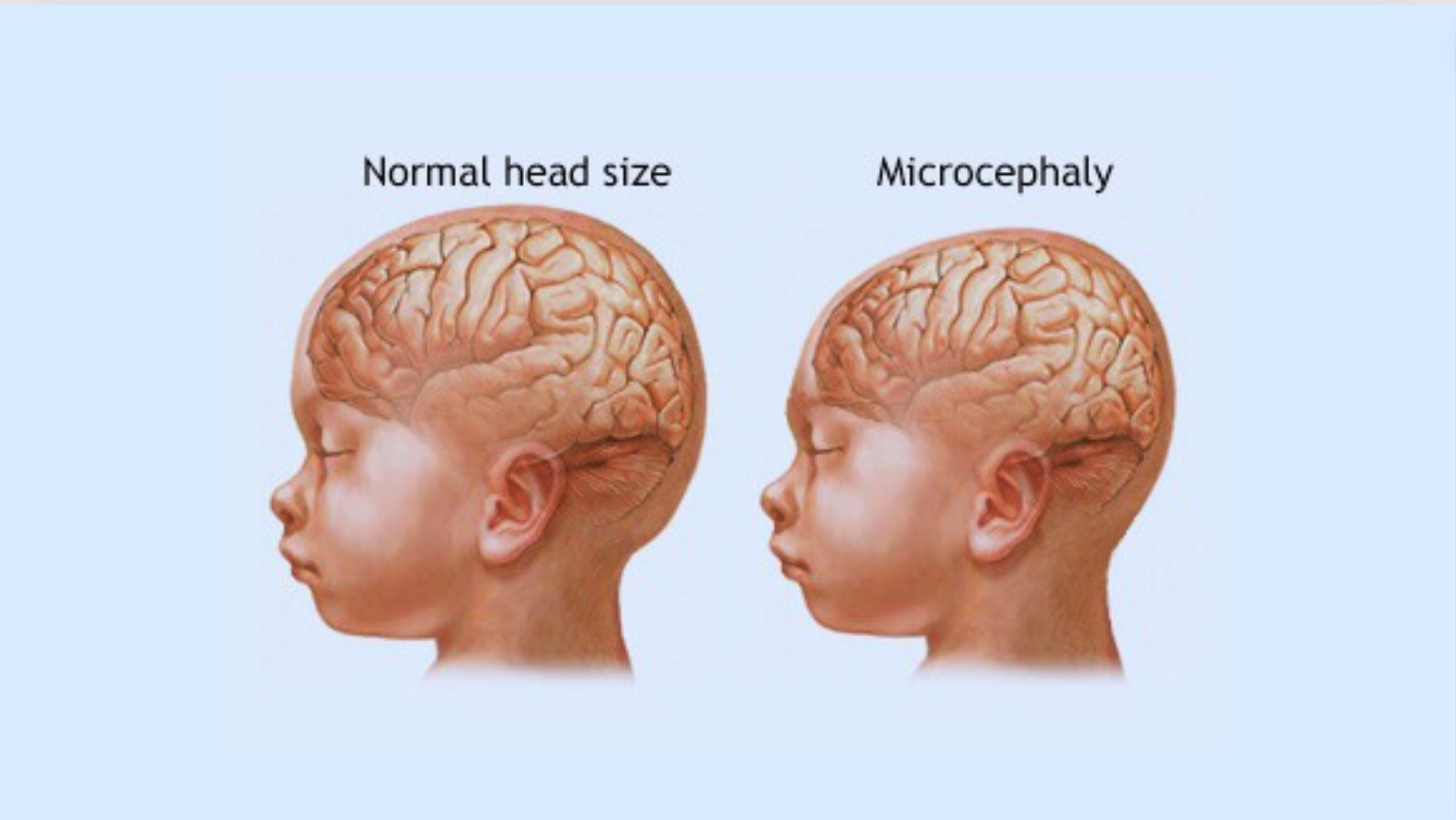
- Microcephaly is a condition where a baby's brain and head do not develop properly during pregnancy or after birth.
- While rare, it can have profound impacts on a child's cognitive and physical abilities.
- Several factors can disrupt normal brain growth, including infections the mother contracts while pregnant, exposure to toxic substances, genetic disorders, lack of proper nutrition, and injuries before or around the time of birth.
- Infants with microcephaly are born with abnormally small heads compared to others of the same age and sex.
- This small head size indicates an undersized brain.
- As they grow older, many children with microcephaly experience significant developmental delays and disabilities.
- Common symptoms include intellectual disability, impaired motor skills and speech, vision and hearing problems, seizures, and unusual facial features.
- Some cases may show no obvious symptoms at birth, only for challenges to emerge over time.
- Treatment: Unfortunately, there is no cure for microcephaly itself.
- However, early intervention programs, therapies, and educational supports can help manage symptoms and maximize the child's developmental potential within their abilities.
- While microcephaly's causes are varied, maintaining good health before and during pregnancy gives a baby the best chance for proper brain growth.
Preventing prenatal infections, avoiding toxins, getting prenatal screening for disorders, and ensuring adequate nutrition all reduce microcephaly risk.
Bacterial Pathogens Priority List (BPPL)
- 20 May 2024
Why is it in the News?
The World Health Organization (WHO) recently released its updated Bacterial Priority Pathogens List (BPPL) 2024.
What is the Bacterial Pathogens Priority List?
- The Bacterial Pathogens Priority List (BPPL) is a crucial tool in the global effort to combat antimicrobial resistance (AMR).
Background:
- In 2017, the World Health Organization (WHO) created the first BPPL to guide investment in the research and development (R&D) of new antibacterial treatments, listing 13 bacterial pathogens (phenotypes).
- The list was developed using the Multi-Criteria Decision Analysis (MCDA) method, a scientific approach that evaluates and ranks alternatives based on multiple criteria, ensuring systematic and transparent decision-making.
- The 2024 WHO BPPL expands to cover 24 pathogens across 15 families of antibiotic-resistant bacteria, categorizing them into critical, high, and medium priority groups to guide R&D and public health efforts.
Significance:
- The BPPL directs priorities for R&D and investment in AMR, highlighting the necessity for region-specific strategies to combat resistance effectively.
- It is aimed at developers of antibacterial medicines, academic and public research institutions, research funders, public-private partnerships involved in AMR R&D, and policymakers responsible for AMR policies and programs.
What is Antimicrobial Resistance (AMR)?
- Antimicrobial resistance (AMR) is the ability of microorganisms to persist or grow in the presence of drugs designed to inhibit or kill them.
- These drugs, called antimicrobials, are used to treat infectious diseases caused by microorganisms such as bacteria, fungi, viruses and protozoan parasites.
- When microorganisms become resistant to antimicrobials, standard treatments are often ineffective, and in some cases, no drugs provide effective therapy.
- Consequently, treatments fail and this increases illness and mortality in humans, animals and plants.
- For agriculture, this causes production losses, damages livelihoods and jeopardizes food security.
- Moreover, AMR can spread among different hosts and the environment, and antimicrobial-resistant microorganisms can contaminate the food chain.
- Antimicrobial resistance (AMR) is a major global threat of increasing concern to human and animal health.
- It also has implications for food safety, food security and the economic well-being of millions of farming households.
Global Leaders Group on Antimicrobial Resistance
- 30 Apr 2024
Why is it in the News?
The European Society for Clinical Microbiology and Infectious Diseases (ESCMID) and the Global Leaders Group (GLG) on AMR jointly organized a high-level event, ‘Forging partnerships between science and policy’, on April 26, 2024, in Barcelona, Spain.
About Global Leaders Group on Antimicrobial Resistance:
- Established in November 2020, the Global Leaders Group on Antimicrobial Resistance is a collaborative effort of world leaders and experts from various sectors working together to accelerate political action against antimicrobial resistance (AMR).
- The Group serves as an independent global advisory and advocacy entity, striving to maintain public support, political momentum, and visibility of AMR on the global health and development agenda.
- Background: The Group emerged from a recommendation by the Interagency Coordination Group on Antimicrobial Resistance, aiming to strengthen global leadership and political action against AMR.
- The first meeting of the Group was held in January 2021.
Secretariat Support:
- The Quadripartite Joint Secretariat (QJS) on Antimicrobial Resistance, a joint effort by the Food and Agriculture Organization of the United Nations (FAO), the United Nations Environment Programme (UNEP), the World Health Organization (WHO), and the World Organisation for Animal Health (WOAH), provides secretariat support for the Group.
- Through its collaborative and multisectoral approach, the Global Leaders Group on Antimicrobial Resistance is committed to addressing the growing threat of AMR and promoting responsible and sustainable access to antimicrobials.
What is antimicrobial resistance (AMR)?
- Antimicrobial resistance (AMR) refers to the ability of microorganisms, such as bacteria, viruses, fungi, and parasites, to develop resistance to the effects of antimicrobial drugs, such as antibiotics, antivirals, antifungals, and antiparasitics.
- As a result, the medications become less effective or even ineffective at treating infections caused by these resistant microorganisms.
- AMR occurs when microorganisms undergo genetic changes that enable them to survive exposure to antimicrobial drugs.
- These changes can be shared between different microorganisms, leading to the spread of resistance genes.
- Over time, the increased use and misuse of antimicrobial drugs have accelerated the development of AMR.
Common factors contributing to AMR include:
-
- Overprescription of antimicrobials
- Non-adherence to prescribed treatment regimens
- Misuse of antimicrobials in agriculture and livestock farming
- Poor sanitation and hygiene practices
- Lack of access to clean water
- The rise of AMR poses a significant threat to public health, as it makes the treatment of common infections more difficult and increases the risk of complications.
- Additionally, AMR has implications for global health security, as resistant infections can spread rapidly across regions and become a major public health challenge.
Microsoft Phi-3-Mini

- 25 Apr 2024
Why is it in the News?
A few days after Meta unveiled its Llama 3 Large Language Model (LLM), Microsoft recently unveiled the latest version of its ‘lightweight’ AI model – the Phi-3-Mini.
What is Phi-3-Mini?
- Phi-3 refers to a series of language models developed by Microsoft, with Phi-3-mini being a notable addition.
- Phi-3-mini is a 3.8 billion parameter language model trained on 3.3 trillion tokens, designed to be as powerful as larger models while being small enough to be deployed on a phone.
- Despite its compact size, Phi-3-mini boasts impressive performance, rivaling that of larger models such as ChatGPT-3.5.
- Furthermore, Phi-3-mini can be quantized to 4 bits, occupying approximately 1.8GB of memory, making it suitable for deployment on mobile devices.
- The model’s training data, a scaled-up version of the one used for Phi-2, is composed of heavily filtered web data and synthetic data, contributing to its remarkable capabilities.
Advantages and Challenges of Phi-3-Mini:
- Phi-3-mini exhibits strengths in its compact size, impressive performance, and the ability to be deployed on mobile devices.
- Its training with high-quality data and chat-finetuning contribute to its success. This allows it to rival larger models in language understanding and reasoning.
- However, the model is fundamentally limited by its size for certain tasks.
- It cannot store extensive “factual knowledge,” leading to lower performance on tasks such as TriviaQA.
- Nevertheless, efforts to resolve this weakness are underway, including augmentation with a search engine and exploring multilingual capabilities for Small Language Models.
- Safety: Phi-3-mini was developed with a strong emphasis on safety and responsible AI principles, in alignment with Microsoft’s guidelines.
- The approach to ensuring safety involved various measures such as safety alignment in post-training, red-teaming, and automated testing.
- It also involved evaluations across multiple categories of responsible AI (RAI) harm.
How is Phi-3-Mini Different From LLMs?
- Phi-3-mini is the Small Language Model (SLM). Simply, SLMs are more streamlined versions of large language models.
- When compared to Large Language Model (LLM), smaller AI models are also cost-effective to develop and operate, and they perform better on smaller devices like laptops and smartphones.
- SLMs are great for “resource-constrained environments including on-device and offline inference scenarios.
- Such models are good for scenarios where fast response times are critical, say for chatbots or virtual assistants.
- Moreover, they are ideal for cost-constrained use cases, particularly with simpler tasks.
- While LLMs are trained on massive general data, SLMs stand out with their specialisation.
- Through fine-tuning, SLMs can be customised for specific tasks and achieve accuracy and efficiency in doing them.
- Most SLMs undergo targeted training, demanding considerably less computing power and energy compared to LLMs.
- SLMs also differ when it comes to inference speed and latency.
- Their compact size allows for quicker processing and their cost makes them appealing to smaller organisations and research groups.
Hubble Tension

- 15 Apr 2024
Why is it in the News?
One of the biggest mysteries in cosmology is the ‘Hubble tension’, the puzzle that the expansion of the Universe we see today doesn’t match what we think it should be from looking at the early cosmos.
What is Hubble Tension?
- The Hubble tension refers to a puzzling disagreement between two methods of measuring the universe's expansion rate, represented by the Hubble constant (H0).
- The Hubble constant describes how fast galaxies move away from each other due to cosmic expansion.
- Researchers employ two primary approaches to estimate H0: the cosmic distance ladder and analysis of the cosmic microwave background (CMB).
Cosmic Microwave Background (CMB):
- CMB constitutes a ubiquitous sea of photons, remnants of the Big Bang's aftermath.
- Scientists scrutinize CMB for temperature variations and employ intricate trigonometric techniques to analyze its large-scale properties.
- This analysis culminates in an estimation of cosmic expansion at approximately 68 (km/s)/Mpc.
Cosmic Distance Ladder:
- This method facilitates the measurement of distances to celestial objects spanning various proximity ranges.
- Notably, Cepheid variable stars, which exhibit predictable luminosity fluctuations over time, serve as crucial distance indicators.
- By gauging the brightness of Cepheid variables, researchers can infer their distances, leading to an estimation of H0 around 73 (km/s)/Mpc.
Discrepancy and Hubble Tension:
- The utilization of these two distinct measurement methods yields slightly divergent values for H0, resulting in the emergence of the Hubble tension.
Significance of the Hubble Tension:
- The presence of the Hubble tension suggests potential implications, including unexplored physical phenomena or systematic errors in measurement techniques.
- Resolving this tension is imperative to enhance our comprehension of the universe's expansion dynamics and the fundamental laws governing it.
Microplastics

- 05 Apr 2024
Why is it in the News?
Recently, scientists have created plant-based plastic that doesn't create cancer-causing microplastics because 97% of it breaks down in the environment.
What is Microplastics?
- Microplastics are small plastic particles measuring less than 5 millimeters in diameter.
- These particles, which are distinguished from larger "macroplastics" like bottles and bags, stem from both commercial product development and the breakdown of larger plastics.
- Microplastics are commonly found in a variety of products, including cosmetics, synthetic clothing, plastic bags, and bottles.
- Unfortunately, many of these products can easily enter the environment as waste.
- Composed of carbon and hydrogen atoms linked in polymer chains, microplastics often contain additional chemicals such as phthalates, polybrominated diphenyl ethers (PBDEs), and tetrabromobisphenol A (TBBPA).
- There are two categories of microplastics: primary and secondary.
- Primary microplastics are intentionally designed for commercial use, including in cosmetics and microfibers shed from textiles like clothing and fishing nets.
- Secondary microplastics, on the other hand, result from larger plastic items breaking down due to environmental factors such as sunlight and ocean waves.
- Understanding the sources and types of microplastics is crucial for addressing their impact on the environment, wildlife, and human health, ultimately promoting more sustainable production and waste management practices.
Environmental Impacts of Microplastics:
- Microplastics pose significant environmental concerns due to their resistance to breaking down into harmless compounds, much like larger plastic items.
- Consequently, both primary and secondary microplastics accumulate and endure once introduced into the environment.
- In marine ecosystems, microplastics have the potential to amalgamate with harmful chemicals before being consumed by marine organisms.
- Despite efforts, conventional water treatment facilities struggle to completely eliminate microplastics from water sources.
- Additionally, microplastics contribute to air pollution as they are present in dust and airborne fibrous particles, further highlighting their pervasive impact on various environmental systems.
Microalgae are Adapting to Warming Climate (DownToEarth)
- 18 Oct 2023
Why in the News?
A recent study finds microalgae are firing up a light-responsive protein to use sunlight for growth.
What is the Microalgae?
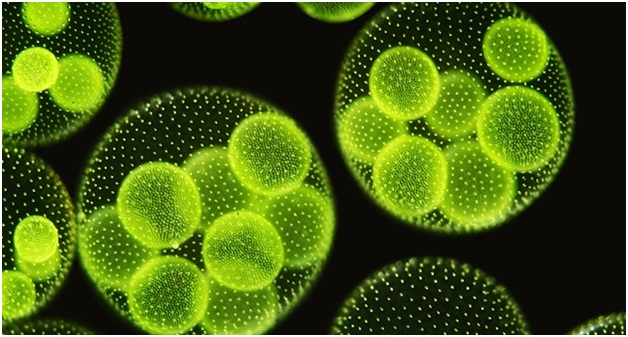
- Microalgae are microscopic algae prevalent in freshwater and marine environments, consisting of unicellular species that can exist independently or in chains and groups.
- Comprising unicellular algal varieties such as green algae, diatoms, and dinoflagellates, these organisms exhibit sizes ranging from a few micrometres to several hundred micrometres.
- Their colour, determined by predominant pigments, categorizes them into groups like green, red, or brown.
- Unlike higher plants, microalgae lack roots, stems, or leaves, and they predominantly engage in photosynthesis, fueled by photosynthetic pigments.
- Heterotrophic microalgae, lacking these pigments, rely on other organisms for sustenance.
Significance:
- Microalgae play a foundational role in the aquatic food chain, offering vital nutrients for zooplankton, small fish, and various aquatic organisms.
- They serve as a primary food source for filter-feeding organisms.
- Moreover, photosynthetic microalgae contribute significantly to global carbon and oxygen cycles, absorbing carbon dioxide and generating oxygen through photosynthesis.
- Approximately half of atmospheric oxygen is produced by these organisms.
- Microalgae can also establish symbiotic relationships, as seen in their association with corals (zooxanthellae), providing nutrients through photosynthesis.
- Certain microalgae, like Nostoc, Anabaena, and Oscillatoria, exhibit nitrogen-fixing capabilities.
- Additionally, microalgae are rich in nutrients and can be consumed by humans. Notable examples like Spirulina and Chlorella are often utilized as dietary supplements.
What are Macroalgae?
- Macroalgae, commonly known as seaweeds, are marine plants engaging in photosynthesis but reproducing without flowers.
- Visible to the naked eye, in contrast to microalgae, they typically grow attached to the seabed or reef substrate.
- These macroscopic algae play crucial roles in reef ecosystems, providing both food and habitat for a diverse array of species while contributing significantly to nutrient dynamics.
PM Formalisation of Micro food processing Enterprises (PMFME) Scheme" launched under the Atmanirbhar Bharat Abhiyan with an outlay of Rs. 10,000 Crore supports 2 lakh micro food processing enterprises following One District One Product (ODOP) approac
- 08 Dec 2023
Why is it in the News?
As part of Atmanirbhar Bharat Abhiyan, the Ministry of Food Processing Industries (MoFPI) is implementing a centrally sponsored "PM Formalisation of Micro food processing Enterprises (PMFME) Scheme" for providing financial, technical and business support for setting up / upgradation of micro food processing enterprises in the country.
About PM Formalisation of Micro food Processing Enterprises (PMFME) Scheme:
- Launched on 29th June 2020, PMFMPE is a Centrally Sponsored Scheme by the Ministry of Food Processing Industries.
- It is designed to address the challenges faced by the micro-enterprises and to tap the potential of groups and cooperatives in supporting the upgradation and formalization of these enterprises.
- Aims:
- Enhance the competitiveness of existing individual micro-enterprises in the unorganized segment of the food processing industry and promote formalization of the sector; and
- Support Farmer Producer Organizations (FPOs), Self Help Groups (SHGs), and Producers Cooperatives along their entire value chain.
- Objectives: To build the capability of microenterprises to enable:
- Increased access to credit by existing micro food processing entrepreneurs, FPOs, Self Help Groups, and Co-operatives.
- Integration with an organized supply chain by strengthening branding & marketing.
- Support for the transition of existing 2,00,000 enterprises into a formal framework.
- Increased access to common services like common processing facilities, laboratories, storage, packaging, marketing, and incubation services.
- Strengthening of institutions, research, and training in the food processing sector; and
- Increased access for the enterprises, to professional and technical support.
- Outlay:
- The scheme envisages an outlay of ? 10,000 crores over a period of five years from 2020-21 to 2024-25.
- The expenditure under the scheme would be shared in a 60:40 ratio between Central and State Governments, in a 90:10 ratio with the North
- In Eastern and the Himalayan States, a 60:40 ratio with UTs with the legislature and 100% by the Center for other UTs.
- Coverage:
- Under the scheme, 2,00,000 micro food processing units will be directly assisted with credit-linked subsidies.
- Adequate supportive common infrastructure and institutional architecture will be supported to accelerate the growth of the sector.