
Jai Prakash Narayan Bird Sanctuary
- 09 Jun 2026
In News:
India recently achieved a significant milestone in wetland conservation with the designation of Jai Prakash Narayan Bird Sanctuary, popularly known as Surha Tal, as the country's 100th Ramsar Site. The recognition highlights India's growing commitment to wetland conservation and biodiversity protection under the Ramsar Convention.
About Jai Prakash Narayan Bird Sanctuary (Surha Tal)
- Located in Uttar Pradesh, Surha Tal is a natural perennial oxbow lake situated in the middle stretch of the Ganga River Basin.
- The lake was originally formed from a meander of the Ganga River and receives freshwater inflow through three channels.
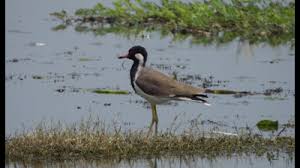
- The wetland comprises a mosaic of floodplains, marshes, seasonally inundated areas, and rice paddies, creating a highly productive ecosystem that supports rich biodiversity. Owing to its ecological importance, it serves as a crucial wintering and stopover habitat for migratory birds travelling along the Central Asian Flyway.
- The sanctuary is renowned for its avifaunal diversity and attracts a large number of resident and migratory bird species every year.
Biodiversity Significance
- Beyond birdlife, the wetland supports a diverse range of flora and fauna: 221 plant species , 66 fish species, 7 reptile species, 3 amphibian species.
- Among the notable aquatic species are Wallago attu and Bagariusbagarius, both classified as Vulnerable.
The rich biodiversity and ecological productivity of the wetland make it an important freshwater ecosystem within the Ganga basin.
Ramsar Convention on Wetlands
The Ramsar Convention on Wetlands is an international treaty dedicated to the conservation and sustainable use of wetlands.
It was:
- Adopted in 1971 in Ramsar
- Came into force in 1975
- The first intergovernmental treaty focused exclusively on a specific ecosystem—wetlands.
Three Pillars of the Convention
The Convention is based on three core principles:
- Conservation of wetlands of international importance.
- Promotion of the wise use of all wetlands.
- International cooperation on shared wetlands, river basins, and migratory species.
Currently, the Convention has 172 Contracting Parties (signatory countries).
India and the Ramsar Convention
- India became a party to the Ramsar Convention in 1982. The country's first Ramsar Sites were: Chilika Lake and Keoladeo National Park
- With the inclusion of Surha Tal, India now has 100 Ramsar Sites, reflecting the increasing emphasis on wetland conservation as part of environmental sustainability, biodiversity protection, and climate resilience strategies.
Significance of the Designation
The designation of Surha Tal as India's 100th Ramsar Site is significant because it:
- Strengthens conservation efforts in the Ganga basin.
- Enhances protection of migratory bird habitats along the Central Asian Flyway.
- Promotes sustainable management of freshwater ecosystems.
- Contributes to biodiversity conservation and climate resilience.
- Reinforces India's international commitments under the Ramsar Convention.