
Char Kaman, Hyderabad: Qutb Shahi Heritage Set for Restoration
- 09 Jul 2026
In News:
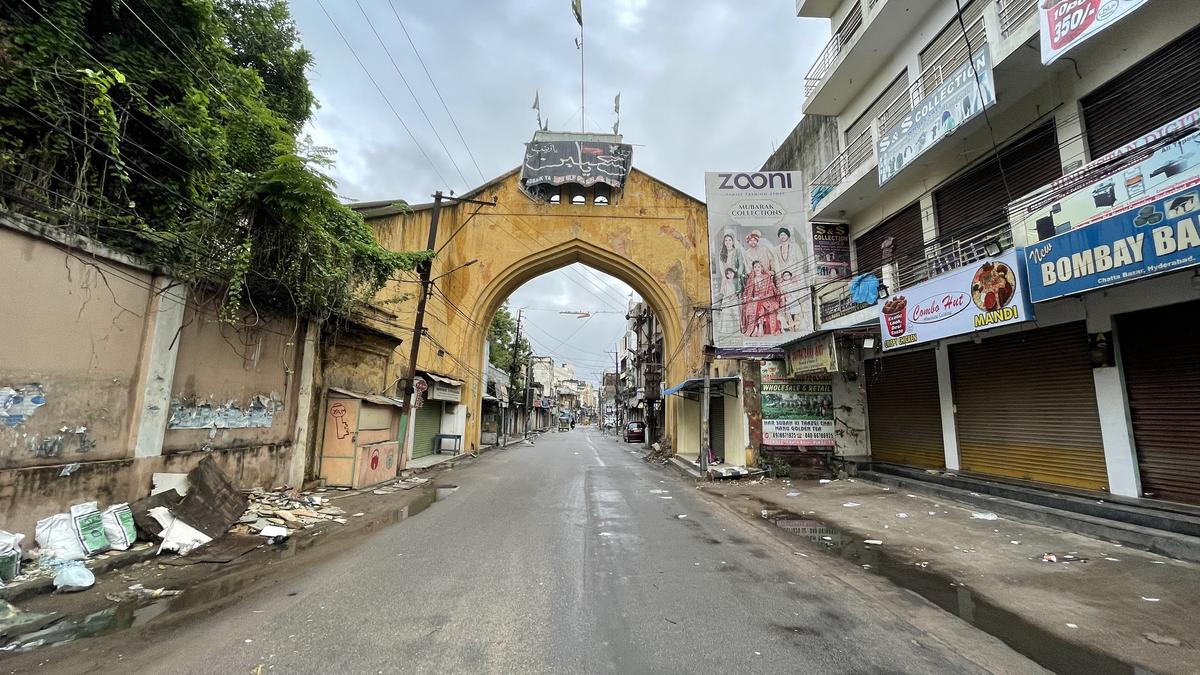
The Telangana Government has announced the restoration of the Char Kaman (Four Gateways) located around the Charminar in Hyderabad. Administrative approval has been granted to appoint consultants and initiate conservation work aimed at preserving these important monuments of the Qutb Shahi period.
What is Char Kaman?
Char Kaman refers to the four monumental ornamental gateways constructed around the Charminar in Hyderabad. Built during the Qutb Shahi period, these arches formed the ceremonial entrances to the old city and enclosed a large public square that served as the entrance to the Qutb Shahi Palace complex.
At the centre of this square stood the Char-Su-Ka-Houz (Gulzar Houz), a freshwater fountain situated at the intersection of the four gateways. Each gateway was built with three storeys, and the upper chambers were originally used by royal guards.
Historical Background
The Charminar was constructed between 1589 and 1591 by Muhammad Quli Qutb Shah, the fifth ruler of the Qutb Shahi dynasty. The Char Kaman were built a few years later, around 1594, to complement the city's planned urban layout. Together, the Charminar, Char Kaman and the palace complex formed the ceremonial and administrative centre of the newly founded city of Hyderabad.
The Four Gateways
The four gateways are located around Gulzar Houz, each facing one of the cardinal directions:
- Machli Kaman – North
- Charminar Kaman – South
- Kali Kaman – East
- Sher-e-Batil (Kaman Sher Dil) – West
Originally, these gateways had different names:
- Daulat Khana-e-Ali (West)
- Naqqar Khana (East)
- The enclosed central space was known as Jilau Khana, which functioned as the royal vestibule.
Over time, the present names gradually came into common usage. The Machli Kaman derives its name from a ceremonial fish-shaped decoration displayed during the lunar New Year, while Kali Kaman literally means the "Black Arch."
Historical Significance
The Char Kaman formed an integral part of Hyderabad's royal urban design and served important ceremonial and administrative functions. Nobles and officials assembled within the enclosed square before proceeding for audiences with the ruler. Besides regulating access to the royal precincts, the gateways symbolised the grandeur of the planned capital established by the Qutb Shahi rulers.
Today, the Char Kaman, together with the Charminar and Gulzar Houz, constitute one of the finest surviving examples of Deccan-Islamic urban planning.
Restoration Plan
The proposed conservation project focuses on restoring the structural stability of the gateways while preserving their original architectural features. The work includes structural repairs, conservation of heritage elements and improvement of the overall physical condition of the monuments without compromising their historical authenticity. The initiative aims to address deterioration caused by urbanisation, pollution and ageing, while promoting heritage conservation in Hyderabad's historic core.