
Guwahati Declaration
- 09 Jul 2026
In News:
The BRICS nations adopted the Guwahati Declaration at the BRICS Heads of Anti-Drug Agencies Meeting held in Guwahati, Assam, reaffirming their commitment to strengthen cooperation against illicit drug trafficking and transnational organised crime.
What is the Guwahati Declaration?
The Guwahati Declaration is a joint commitment adopted by BRICS member countries to enhance international cooperation in preventing and combating illicit drug trafficking and its links with organised transnational crime. The declaration was adopted during the two-day BRICS Heads of Anti-Drug Agencies Meeting, hosted by India under its 2026 BRICS Chairship, whose theme was "Building for Resilience, Innovation, Cooperation and Sustainability."
The meeting brought together anti-drug agencies from Brazil, China, Ethiopia, India, Indonesia, Iran, Russia and the United Arab Emirates to discuss coordinated strategies for tackling the growing global narcotics trade.
Key Features of the Declaration
The declaration emphasizes stronger collaboration among BRICS members through timely exchange of information, intelligence and best practices, consistent with national laws and international obligations. It also encourages the use of innovative technologies, digital tools and data-driven approaches to strengthen law enforcement and regulatory mechanisms against drug trafficking.
Recognising that enforcement alone is insufficient, the declaration also calls for measures to reduce drug demand, promote healthy lifestyles, and protect children and young people through evidence-based, people-centric interventions.
About BRICS
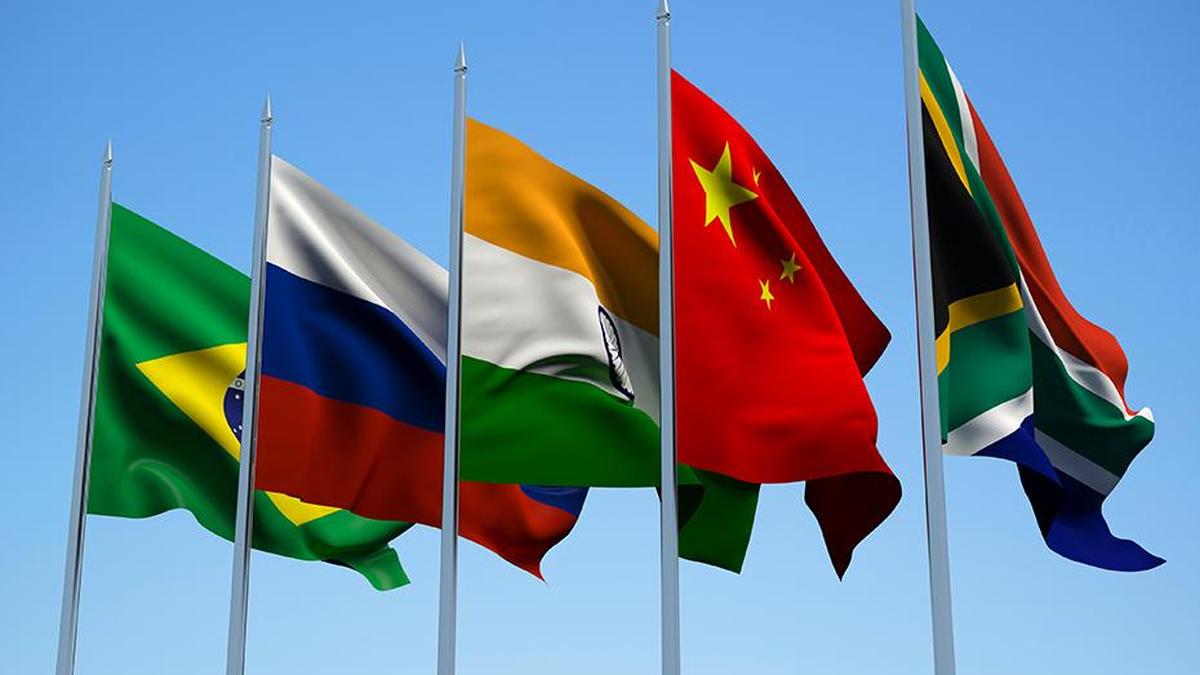
BRICS is an intergovernmental grouping of major emerging economies that promotes cooperation in areas such as economic development, trade, finance, technology, security and global governance.
The term "BRIC" was coined by Jim O'Neill, an economist at Goldman Sachs, in 2001. The grouping was formally established with Brazil, Russia, India and China, while South Africa joined in 2010, giving rise to BRICS.
The grouping expanded in 2024 with the inclusion of Egypt, Ethiopia, Iran, Saudi Arabia and the United Arab Emirates, followed by Indonesia in 2025, taking the total membership to 11 countries.
In 2025, BRICS also introduced the category of Partner Countries, comprising Belarus, Bolivia, Cuba, Kazakhstan, Malaysia, Nigeria, Thailand, Uganda, Uzbekistan and Vietnam.
Collectively, BRICS countries account for approximately 49.5% of the world's population, around 40% of global GDP, and nearly 26% of global trade, making it one of the most influential groupings of emerging economies.