
Exercise CINBAX-II
- 05 May 2026
In News:
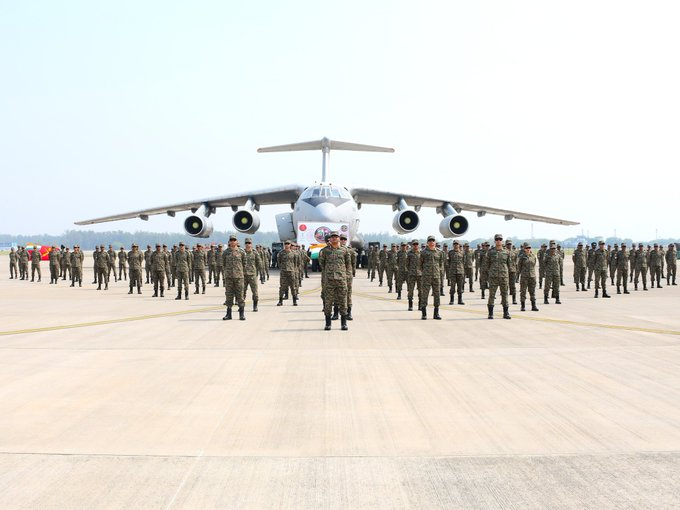
In a significant move to strengthen defense cooperation in South East Asia, an Indian Army contingent recently departed for Cambodia to participate in the second edition of the India-Cambodia Bilateral Military Exercise, CINBAX-II. The exercise, taking place in the Kampong Speu Province of Cambodia, marks a pivotal chapter in the burgeoning security relationship between the two nations.
Key Highlights of the Exercise
Exercise CINBAX-II is designed as a company-level joint training program, focusing on tactical proficiency and mutual cooperation.
- Participating Forces: The Indian contingent consists of 120 personnel, primarily drawn from a Battalion of the Maratha Light Infantry Regiment, renowned for its expertise in diverse terrains.
- Operational Framework: The exercise is conducted under Chapter VII of the United Nations Mandate, which pertains to "Action with Respect to Threats to the Peace, Breaches of the Peace, and Acts of Aggression."
- Core Objectives:
- Interoperability: Enhancing the ability of both armies to operate together seamlessly.
- Sub-conventional Environments: Focusing on operations in semi-urban combat settings where traditional warfare tactics are supplemented by counter-insurgency measures.
- UN Peacekeeping Scenarios: Simulating real-world conditions to prepare both forces for international peacekeeping missions, with a heavy emphasis on counter-terrorism.
Strategic Significance for India-Cambodia Relations
Beyond tactical drills, CINBAX-II carries significant diplomatic and strategic weight:
- Defense Diplomacy: The exercise is a platform for the exchange of best practices and operational experiences. It allows both armies to learn from each other's unique challenges and successes.
- Act East Policy: Strengthening ties with Cambodia is a vital component of India’s Act East Policy and its vision of SAGAR (Security and Growth for All in the Region).
- Regional Stability: By focusing on counter-terrorism and UN peacekeeping, the exercise contributes to regional stability in the Indo-Pacific, demonstrating a shared commitment to a rules-based international order.