
Death Anniversary of Birsa Munda
- 13 Jun 2026
In News:
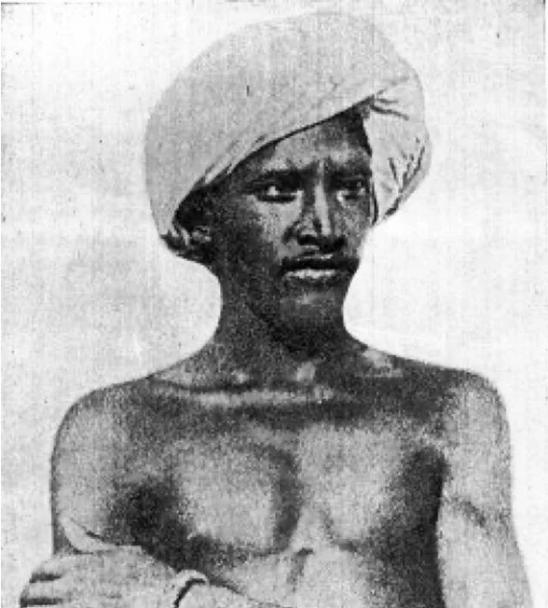
The Prime Minister paid tribute to Birsa Munda on his Martyr's Day (9 June), commemorating one of the most influential tribal leaders of India's anti-colonial struggle.
Early Life
Birsa Munda was born on 15 November 1875 in the Chotanagpur region (present-day Jharkhand) and belonged to the Munda Tribe. He emerged as a tribal freedom fighter, socio-religious reformer and symbol of indigenous resistance against colonial exploitation.
Resistance Against Colonial Rule
Birsa mobilized tribal communities against:
- British colonial administration
- Exploitative landlords and moneylenders
- Forced labour (Beth Begari)
- Missionary influence
- Alienation of tribal lands
His movement drew inspiration from the earlier Sardari Larai (Sardar Movement), which opposed the erosion of tribal land rights in Chotanagpur.
Defence of Tribal Land Rights
A central objective of Birsa's movement was the protection of the traditional Khuntkatti system, a customary tribal land tenure arrangement that recognized collective ownership and hereditary rights of tribal communities over land.
He strongly opposed the transfer of tribal land to outsiders, known as Dikus, and demanded restoration of traditional self-governance.
Ulgulan Movement
Birsa led the famous Ulgulan (Great Tumult) Movement during 1899–1900. The movement sought to:
- End British rule.
- Restore tribal self-rule.
- Protect tribal land rights.
- Resist exploitation by Dikus.
His slogan:
"Abua Raj Ete Jana, Maharani Raj Tundu Jana"(Let our rule be established and the Queen's rule end)
became a powerful expression of tribal assertion and anti-colonial resistance.
Religious and Social Reform
Birsa advocated social reform, moral discipline and cultural revival among tribal communities. His teachings led to the emergence of the Birsait faith community, which emphasized tribal identity, social cohesion and resistance to social evils.
Death and Legacy
Birsa Munda was arrested by the British and died in Ranchi Jail on 9 June 1900 at the age of 25. The official cause of death was recorded as cholera.
His struggle significantly influenced later tribal protection laws, particularly the Chotanagpur Tenancy Act, 1908, which restricted the transfer of tribal land to non-tribals.
Contemporary Recognition
To honour his contributions and the role of tribal communities in India's history, the Government of India observes 15 November as Janjatiya Gaurav Divas.