
The State of Food Security and Nutrition in the World (SOFI) 2026

- 07 Aug 2026
In News:
The State of Food Security and Nutrition in the World (SOFI) 2026 report highlighted that global hunger declined for the third consecutive year, but 645 million people remain undernourished. For the first time, Africa surpassed Asia as the region with the highest number of people facing hunger.
About SOFI
The State of Food Security and Nutrition in the World (SOFI) is the annual flagship report jointly published by the FAO, IFAD, UNICEF, WFP, and WHO. It monitors global progress towards SDG 2 (Zero Hunger) by assessing food security, hunger, malnutrition, and the affordability of healthy diets.
Key Findings
- Global hunger declined to 7.8% in 2025, down from 8.6% in 2022, though 645 million people remain undernourished.
- Africa became the global hunger hotspot, with 309 million people (20% of its population) facing hunger, compared to 292 million (6%) in Asia.
- Around 2.1 billion people (25.8%) experienced moderate or severe food insecurity in 2025.
- The Cost of a Healthy Diet (CoHD) increased to 4.28 PPP dollars per person per day, leaving 2.69 billion people (32.7%) unable to afford a healthy diet.
- Progress towards SDG 2.2 (ending all forms of malnutrition) remains slow, with inadequate improvement in dietary diversity, child nutrition, and maternal health indicators.
India in SOFI 2026
India played a major role in improving food security in Southern Asia, with undernourishment declining from 13.9% in 2021 to 9.3% in 2025. The report also notes that India significantly improves the affordability of healthy diets in lower-middle-income countries. However, maternal anaemia and the rising cost of fruits and vegetables remain major concerns.
Cost of a Healthy Diet (CoHD)
The Cost of a Healthy Diet (CoHD) is an indicator developed by the FAO and World Bank that estimates the minimum daily cost of a nutritionally adequate diet. It is based on a basket of six food groups providing around 2,330 kcal per day and is calculated using Purchasing Power Parity (PPP) prices.
Significance
The report highlights that ensuring food availability alone is insufficient. Achieving Zero Hunger requires shifting from calorie-centric food systems to nutrition-sensitive agriculture, improving dietary diversity, strengthening value chains and post-harvest infrastructure, and making nutritious foods more affordable through targeted policy interventions.
Closing Auction Session (CAS)

- 07 Aug 2026
In News:
Indian stock exchanges introduced the Closing Auction Session (CAS) from 3 August 2026 for cash market stocks with derivatives (F&O), following a SEBI directive issued in January 2026.
About Closing Auction Session (CAS)
The Closing Auction Session (CAS) is a 20-minute auction mechanism introduced to determine a single fair closing price for eligible stocks. Instead of using the average of the last traded prices, CAS aggregates buy and sell orders to discover an equilibrium closing price, improving price discovery and reducing end-of-day price manipulation.
It has been implemented simultaneously by the National Stock Exchange (NSE) and the BSE.
How it Works
The auction is conducted in three phases:
- Reference Price (3:15 PM–3:20 PM): Continuous trading ends and a reference price is calculated using the Volume Weighted Average Price (VWAP) of trades between 3:00 PM and 3:15 PM, with a ±3% price band.
- Order Entry (3:20 PM–3:30 PM): Investors can place, modify, or cancel orders during the initial period, while only limit orders are permitted in the final minutes. The session closes at a random time between 3:28 PM and 3:30 PM to discourage manipulation.
- Price Discovery (3:30 PM–3:35 PM): The system matches buy and sell orders at a single equilibrium price that maximizes executable volume.
Key Features
- Applicable only to cash market stocks having active F&O contracts.
- Uses separate order books on NSE and BSE, which may result in temporary differences in closing prices.
- Stop-loss, iceberg, and revealed quantity orders are not permitted during the auction.
- Eligible pending limit orders from the regular trading session are automatically carried forward if they fall within the prescribed price band.
Vehicle-to-Vehicle (V2V) Technology
- 07 Aug 2026
In News:
The Ministry of Road Transport and Highways (MoRTH) has issued a draft notification proposing amendments to the Central Motor Vehicles Rules, 1989, introducing Vehicle-to-Vehicle (V2V) communication standards (AIS-230) to enhance road safety.
About Vehicle-to-Vehicle (V2V) Technology
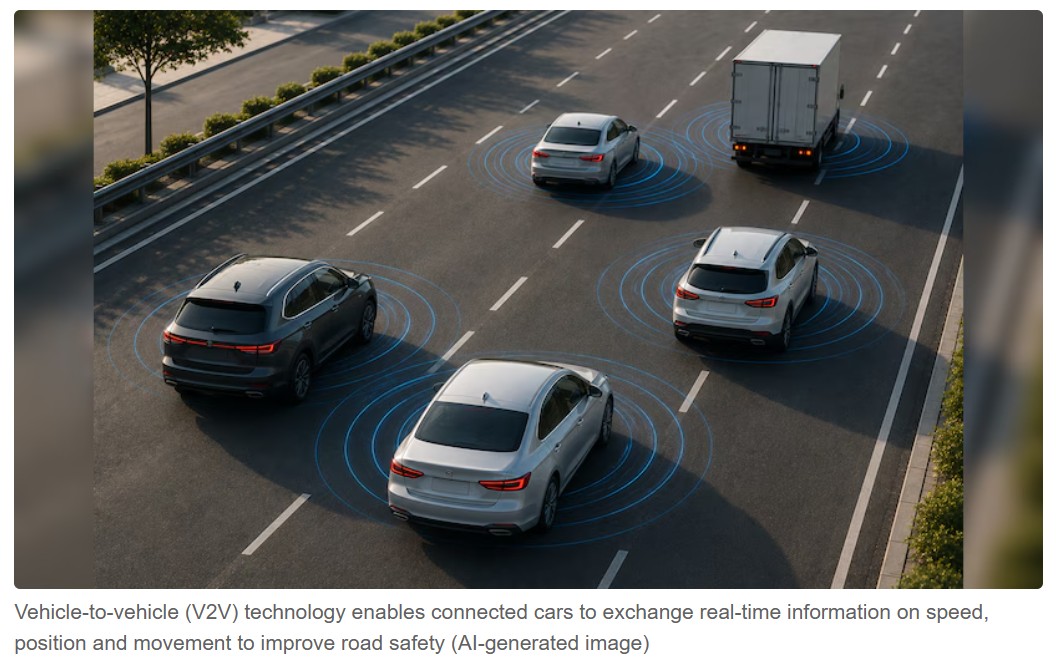
Vehicle-to-Vehicle (V2V) technology is a wireless communication system that enables vehicles to exchange real-time information such as speed, location, direction, acceleration, and braking status. By sharing this data directly with nearby vehicles, V2V helps drivers detect hazards even when they are not visible, thereby preventing collisions and improving overall road safety.
Key Features
- Operates using Cellular Vehicle-to-Everything (C-V2X) technology on the 5.875–5.925 GHz license-exempt spectrum.
- Functions through On-Board Units (OBUs) installed in vehicles that continuously exchange low-latency data.
- Supports 360-degree, non-line-of-sight communication, making it effective around blind curves, junctions, and adverse weather conditions.
- Incorporates encrypted communication protocols to safeguard against spoofing, message tampering, and cyberattacks.
Implementation Timeline
- AIS-230 will serve as the national technical standard.
- Voluntary compliance: From 1 October 2027.
- Mandatory implementation: For all newly manufactured L, M, and N category vehicles from 1 October 2028.
Applications
V2V technology supports several advanced safety functions, including:
- Emergency Electronic Brake Light (EEBL).
- Forward Collision Warning (FCW).
- Blind Spot and Lane Change Alerts.
- Wrong-Way Driving Detection.
- Emergency Vehicle Approaching Alerts.
African Swine Fever (ASF)

- 07 Aug 2026
In News:
Scientists at ICAR–National Institute of High Security Animal Diseases (ICAR-NIHSAD), Bhopal have developed India's first indigenous MA-104 Cell Line-Based Live Attenuated African Swine Fever (ASF) vaccine for pigs.
About African Swine Fever (ASF)
African Swine Fever (ASF) is a highly contagious viral disease affecting domestic pigs and wild boars. It is caused by the African Swine Fever Virus (ASFV), a DNA virus belonging to the Asfarviridae family.
The disease is characterised by high fever, haemorrhages, and mortality rates that can reach nearly 100%, causing major economic losses to the pig farming sector. ASF is not zoonotic, meaning it does not infect humans or other livestock.
Distribution and Transmission
Originally confined to sub-Saharan Africa, ASF has spread across Europe, Asia, and Africa. India reported its first outbreak in January 2020 in Assam and Arunachal Pradesh, and the disease has since spread to several States and Union Territories.
The virus is highly resilient and can survive for long periods in the environment, contaminated equipment, clothing, vehicles, and processed pork products. It spreads through:
- Direct contact with infected pigs or wild boars.
- Soft ticks in tropical and subtropical regions.
- Contaminated feed, equipment, vehicles, and other fomites.
Symptoms
Clinical signs generally appear 3–15 days after infection and include:
- High fever, lethargy, and loss of appetite.
- Skin reddening, especially on the ears, tail, feet, chest, and abdomen.
- Diarrhoea, vomiting, breathing difficulty, swollen eyes, abortions, and sudden death in severe cases.
Treatment and Prevention
There is no specific treatment for ASF. Disease control relies primarily on strict biosecurity measures, surveillance, movement restrictions, and culling of infected animals.
While a few commercial ASF vaccines are available in Vietnam, India has now developed its first indigenous MA-104 Cell Line-Based Live Attenuated ASF vaccine, marking a significant step towards strengthening the country's preparedness against the disease.
Clouded Leopard Conservation Action Plan (CAP)
- 07 Aug 2026
In News:
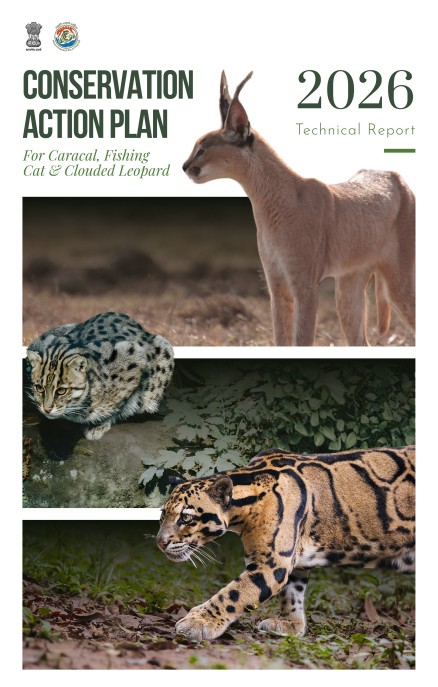
On the occasion of International Clouded Leopard Day, India launched the Clouded Leopard Conservation Action Plan (CAP) to strengthen conservation of one of Asia's most elusive wild cat species.
About Clouded Leopard
The Clouded Leopard (Neofelis nebulosa) is a medium-sized wild cat inhabiting dense forests from the Himalayas through Southeast Asia to southern China. The Sunda Clouded Leopard (Neofelis diardi) is found only in Sumatra and Borneo.
In India, the species is distributed across the Northeast, including Arunachal Pradesh, Assam, Nagaland, Manipur, Mizoram, Tripura, Meghalaya, Sikkim, and northern West Bengal.
It primarily inhabits tropical rainforests, though it also occurs in dry woodlands and secondary forests. It is an arboreal, nocturnal predator, recognised by its distinctive cloud-shaped markings and exceptionally long tail that aids balance while moving through trees.
Conservation Status:IUCN Red List – Vulnerable
Clouded Leopard Conservation Action Plan (CAP)
Prepared under the Government of India–GEF–UNDP initiative, the Action Plan provides a long-term framework for conserving the species through habitat protection, scientific research, and community participation.
Key features include:
- Identification of 14 priority conservation landscapes across Northeast India.
- Habitat restoration and corridor conservation to improve connectivity between fragmented forests.
- Standardised scientific monitoring using camera traps, occupancy surveys, genetic analysis, and environmental DNA (eDNA).
- Greater involvement of local communities in conservation and habitat management.
- Promotion of transboundary cooperation with neighbouring range countries for coordinated conservation efforts.
Republic of Naoero (Formerly Nauru)
- 06 Aug 2026
In News:
The Pacific island nation Nauru has officially changed its name to the Republic of Naoero, adopting its indigenous name.
About the Republic of Naoero
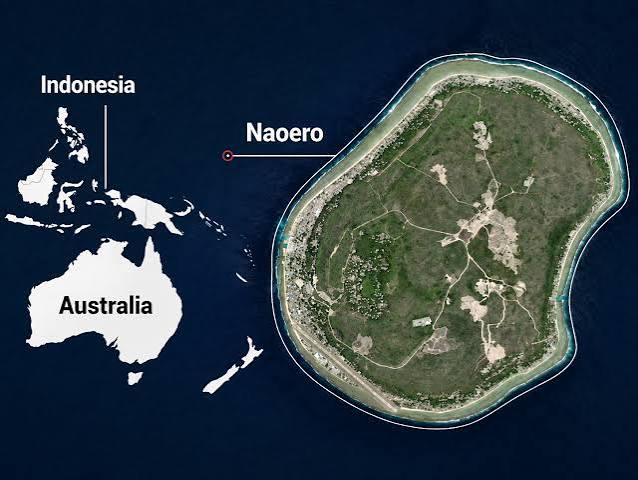
The Republic of Naoero is an independent island nation in the southwestern Pacific Ocean and is the world's third-smallest sovereign state by land area, after Vatican City and Monaco. It has a population of around 12,000.
- Capital: No official capital; government offices are located in the Yaren District.
- Location: Situated in southeastern Micronesia, about 40 km south of the Equator and 1,300 km northeast of the Solomon Islands.
Key Geographical Features
- Raised Coral Atoll: A single oval-shaped raised coral limestone island with no natural harbours or sheltered bays.
- Phosphate Plateau: The interior contains rich phosphate deposits formed from centuries of accumulated bird guano, which historically formed the backbone of the country's economy.
- Mining Legacy: Extensive open-cast phosphate mining has degraded nearly four-fifths of the island, leaving a landscape of jagged limestone pinnacles.
- Buada Lagoon: A shallow inland brackish lagoon surrounded by a narrow fertile coastal strip supporting crops such as coconut, banana, and pandanus.
- Water Scarcity: The island has no rivers or streams and depends mainly on rainwater harvesting and imported freshwater due to its porous limestone terrain.
Proposal for UNESCO Tag for Puri Rath Yatra

- 06 Aug 2026
In News:
The Odisha Government has urged the Centre to nominate Puri's Shree Jagannath Rath Yatra for inclusion in UNESCO's Representative List of the Intangible Cultural Heritage of Humanity.
About the Proposal
Prepared by the Shree Jagannatha Temple Administration (SJTA), the proposal seeks international recognition for the annual Rath Yatra as a living cultural tradition that embodies India's spiritual heritage, traditional craftsmanship, music, dance, rituals, and social inclusivity.
Key Features of Puri Rath Yatra
The Rath Yatra is celebrated annually during the Shukla Paksha of the Hindu month of Ashadha (June–July) and has references in the Brahma Purana, Padma Purana, Skanda Purana, and Kapila Samhita. It has also been documented by European travellers since the medieval period.
Every year, three new wooden chariots are constructed following traditional Shilpa Shastra principles by hereditary artisan communities:
- Nandighosha – Lord Jagannath
- Taladhwaja – Lord Balabhadra
- Darpadalana – Goddess Subhadra
The deities are taken in the Pahandi Bije procession from the Jagannath Temple to their chariots on the Bada Danda (Grand Avenue) and pulled by devotees to the Gundicha Temple. After a seven-day stay, they return during the Bahuda Yatra, halting at the Mausi Maa Temple, where they are offered the traditional Podo Pitha.
India at Commonwealth Games 2026

- 06 Aug 2026
In News:
India finished 4th at the 2026 Commonwealth Games in Glasgow and officially took over as the host nation for the centenary 2030 Commonwealth Games in Ahmedabad during the closing ceremony.
India's Performance
India secured 39 medals (13 Gold, 17 Silver, 9 Bronze) to finish 4th, behind Australia, England, and Canada.
Despite fielding a reduced contingent of 122 athletes and the exclusion of traditional medal-rich sports such as shooting, wrestling, badminton, hockey, and table tennis, India achieved a higher medal conversion rate of 31%, compared to 29% at the Birmingham 2022 Games.
Major Highlights
- Boxing emerged as India's best-performing discipline with 10 medals (7 Gold, 3 Silver), recording the highest boxing gold tally by any nation at a single Commonwealth Games.
- India recorded its best-ever para campaign, winning 7 medals, equalling its combined tally from all previous editions.
- Mirabai Chanu became the first Indian weightlifter to win three consecutive Commonwealth Games gold medals (2018, 2022 and 2026).
- Asmita Dey and Harsh Singh became India's first-ever Commonwealth Games gold medallists in Judo.
- Tejaswin Shankar became the first Indian to win a Commonwealth Games medal in the decathlon, securing bronze.
- Gulveer Singh was India's only double medallist, winning silver in the 10,000 m and bronze in the 5,000 m.
- Neeraj Chopra won silver in the men's javelin throw after missing the 2022 edition.
- Women boxers delivered an outstanding performance by winning five gold medals, led by Sakshi Chaudhary, Preeti Pawar, JaismineLamboria, Priya Ghanghas, and Arundhati Choudhary.
Pradhan Mantri Viksit Bharat Rojgar Yojana
- 06 Aug 2026
In News:
The Pradhan Mantri Viksit Bharat Rojgar Yojana (PM-VBRY) completed one year of implementation on 1 August 2026, marking a milestone in promoting formal employment and expanding social security coverage.
About PM-VBRY
Launched in August 2025, PM-VBRY is an employment-linked incentive scheme that promotes first-time employment and supports additional job creation by providing incentives to both employees and employers.
- Implementing Agency: Employees' Provident Fund Organisation (EPFO)
- Implementation Period:1 August 2025 – 31 July 2027
- Financial Outlay:?99,446 crore
- Target: Generate employment for over 3.5 crore persons, including 1.92 crore first-time employees.
Key Features
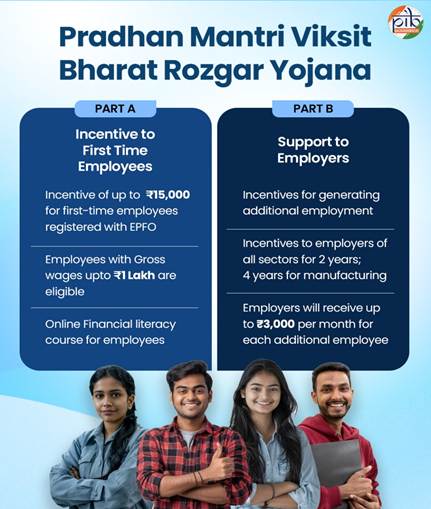
- Employee Incentive: First-time employees earning up to ?1 lakh per month receive a one-time incentive equal to one month's EPF wage (up to ?15,000). The benefit is released in two instalments after 6 months and 12 months of continuous service, with part of the amount deposited in a designated savings instrument.
- Employer Incentive: Employers receive up to ?3,000 per month for two years for every eligible additional employee retained for at least six months. In the manufacturing sector, support extends to the third and fourth years.
- Formalisation of Workforce: Expands EPFO-based social security, with special emphasis on labour-intensive manufacturing and employment generation.
- Digital Implementation: Operates through an EPFO-linked digital platform using Aadhaar authentication, Universal Account Numbers (UAN), Electronic Challan-cum-Return (ECR), Face Authentication Technology, and the UMANG app. Benefits are transferred directly through DBT.
Achievements After One Year
- More than 72 lakh first-time employees entered the formal workforce.
- Over 15 lakh beneficiaries received employment-linked incentives.
- Nearly 30% of beneficiaries are women, promoting greater female participation in formal employment.
- The scheme has strengthened workforce formalisation, expanded social security coverage, and reduced hiring costs for employers.
e-Pratyaropan Digital Platform
- 06 Aug 2026
In News:
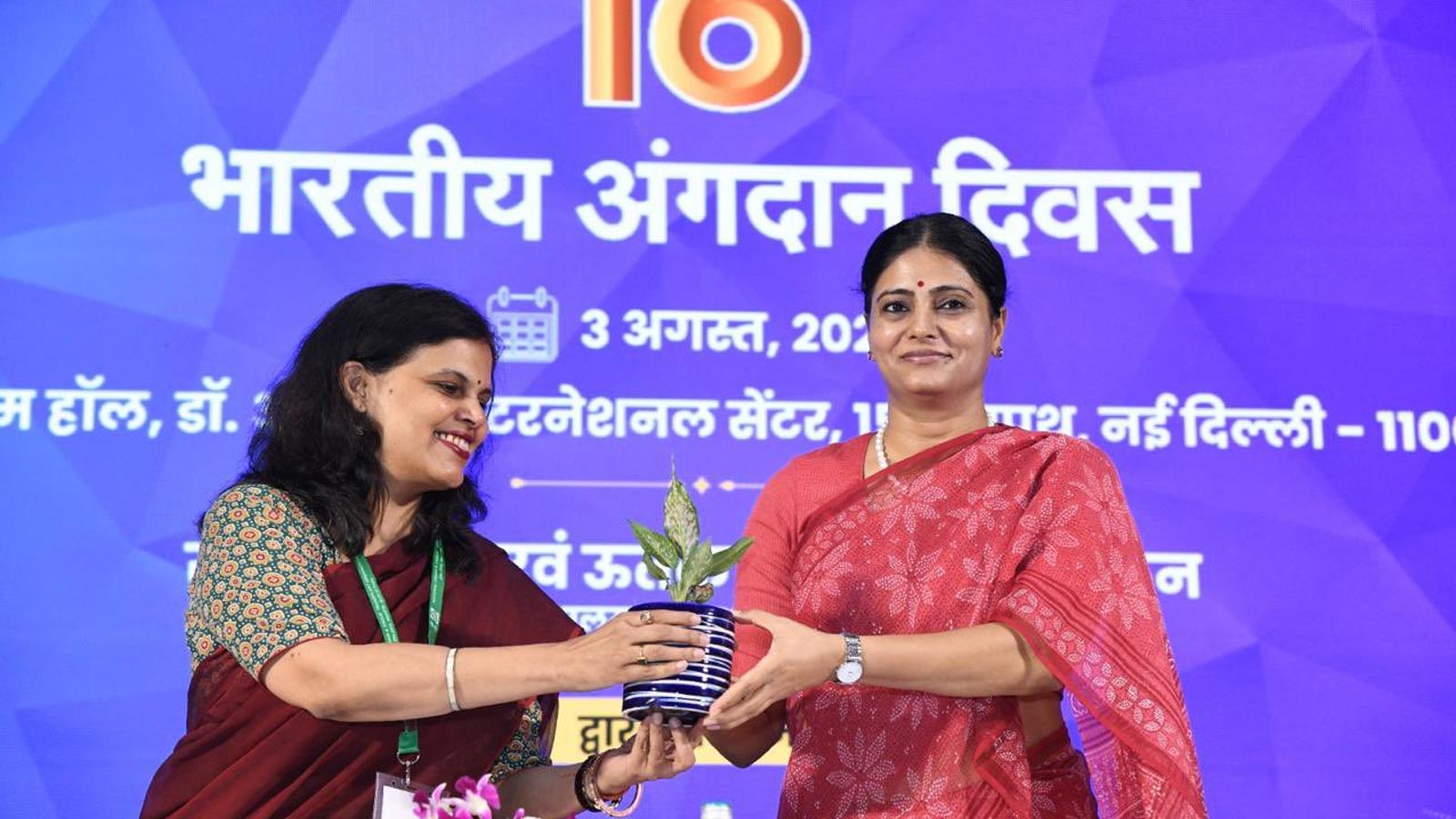
During the 16th Indian Organ Donation Day event, the Union Ministry of Health and Family Welfare launched the e-Pratyaropan Digital Platform to strengthen India's organ donation and transplantation system.
About e-Pratyaropan
e-Pratyaropan is a national integrated digital platform developed to digitise and streamline the organ donation and transplantation ecosystem by connecting hospitals, donors, recipients, transplant authorities, and regulatory bodies on a single platform.
- Nodal Ministry: Ministry of Health and Family Welfare (MoHFW)
- Implementing Agency: National Organ and Tissue Transplant Organisation (NOTTO)
- Objective: To ensure a transparent, efficient, and technology-driven organ donation system by reducing delays, preventing malpractices, and enabling faster organ allocation.
Key Features
- Maintains a real-time national registry of organ donors, recipients, waiting lists, tissue banks, and organ donation pledges.
- Enables automated organ allocation based on medical priority, urgency, and geographical proximity in accordance with the Transplantation of Human Organs and Tissues Act (THOTA) guidelines.
- Integrates registered hospitals, ROTTOs (Regional Organ and Tissue Transplant Organisations), and SOTTOs (State Organ and Tissue Transplant Organisations) for timely reporting and monitoring of transplant procedures.
- Supports digital identity verification for organ donation pledges and issues digital pledge certificates.
- Provides real-time tracking of organs through integration with the NOTTO Mobile App, facilitating efficient transport via green corridors.
Micro, Small and Medium Enterprises Development (Amendment) Bill, 2026
- 05 Aug 2026
In News:
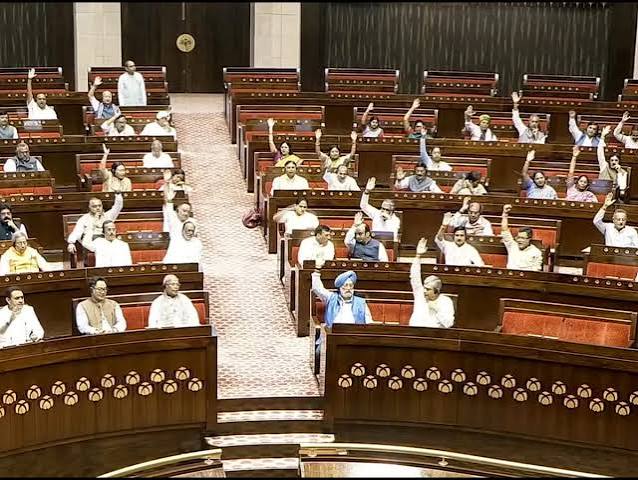
Parliament passed the Micro, Small and Medium Enterprises Development (Amendment) Bill, 2026 to strengthen the MSME ecosystem through faster payments, simplified compliance, and improved dispute resolution.
Key Highlights
The Bill amends the MSME Development Act, 2006 to improve ease of doing business, ensure timely payments, and facilitate access to finance.
- Flexible MSME Classification: Empowers the Central Government to notify MSME classification based on investment in plant & machinery/equipment and turnover, replacing fixed statutory thresholds.
- Voluntary Digital Registration: Provides for voluntary MSME registration through a Central Government digital platform, while allowing States to establish their own registration portals.
- Mandatory TReDS for CPSEs: Makes it compulsory for Central Public Sector Enterprises (CPSEs) to settle MSME procurement invoices through the Trade Receivables Discounting System (TReDS). The Centre and States may extend this requirement to other public entities.
- Time-bound Dispute Resolution: Payment disputes must undergo mediation within 90 days from the first hearing. If mediation fails, arbitration must begin within 30 days, with the award delivered within 90 days after completion of pleadings.
- Relief During Appeals: If a court challenge to an arbitration award or mediated settlement continues beyond six months, at least 50% of the awarded amount must be released to the MSME supplier.
- Decriminalisation of Compliance: Replaces imprisonment with a graded system of warnings and monetary penalties for offences such as furnishing false registration details, failing to provide required information, or not reporting MSME dues in annual accounts.
- Progressive Penalties: Penalties increase for repeat violations, with minimum penalty amounts automatically revised upward by 10% every three years.
- Adjudication Mechanism: The Development Commissioner (MSME) will act as the adjudicating authority, while appeals will lie before the MSME Secretary.
Significance
The amendment seeks to improve liquidity, reduce delays in payments, strengthen access to formal finance, simplify regulatory compliance, and create a more efficient and business-friendly ecosystem for MSMEs, thereby supporting employment generation and economic growth.
Utkalmani Pandit Gopabandhu Das
- 05 Aug 2026
In News:
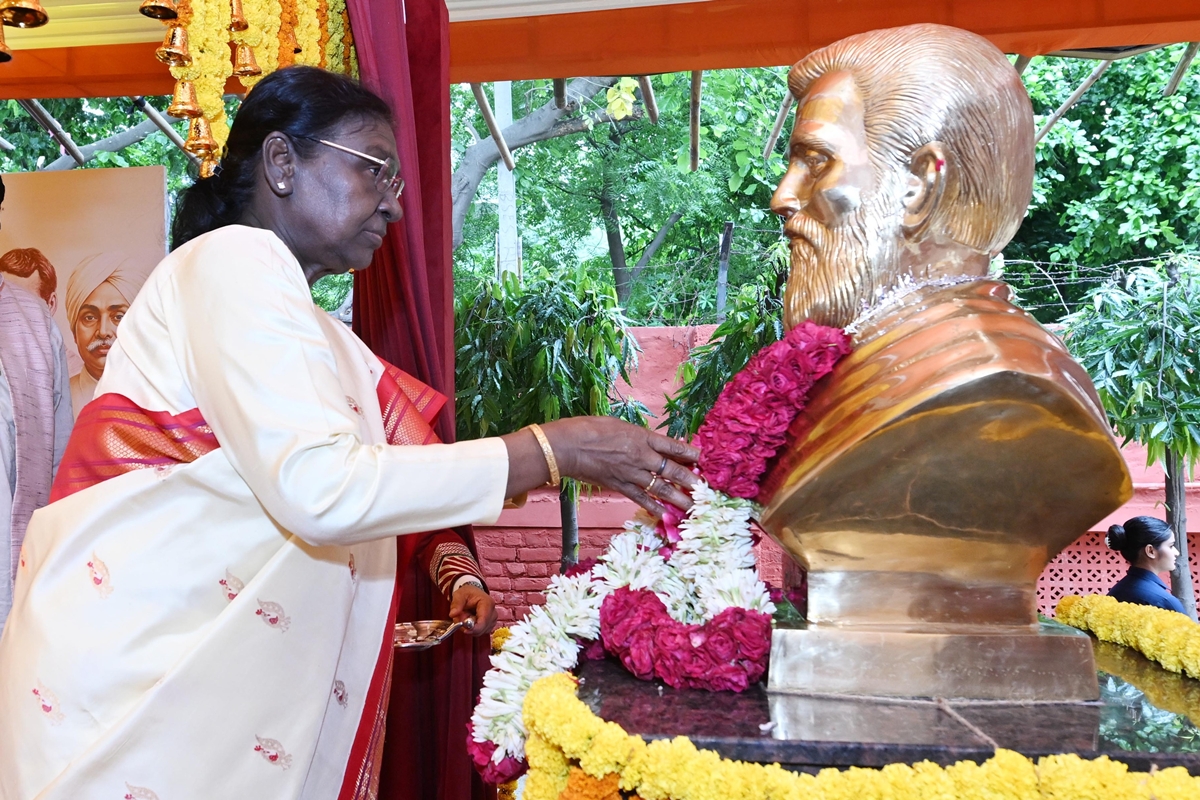
The President of India unveiled the statue of eminent freedom fighter, social reformer and journalist Utkalmani Pandit Gopabandhu Das at Lajpat Bhawan, New Delhi.
Who was Pandit Gopabandhu Das?
Pandit Gopabandhu Das (1877–1928), popularly known as Utkalmani (Jewel of Odisha), was a freedom fighter, educationist, social reformer, poet and pioneering journalist who dedicated his life to public service and the upliftment of Odisha.
Born in Suando village near Puri, he pursued higher education at Calcutta University, earning degrees in Arts and Law, but left his legal career to serve society and participate in the national movement.
Major Contributions
- Freedom Movement: Served as the first President of the Utkal Pradesh Congress Committee (1920) and led the Non-Cooperation Movement in Odisha.
- Odia Identity: Played a key role in the Utkal Sammilani, advocating the unification of Odia-speaking regions, which ultimately contributed to the creation of Odisha as India's first linguistic State (1936).
- Education: Established the Satyabadi Bana Bidyalaya (1909) near Puri, an open-air residential school based on the Gurukul system that promoted equality, patriotism and character building.
- Journalism: Founded the Odia newspaper The Samaja (1919), which became an influential platform for nationalism and social awareness.
- Social Service: Actively organised relief during floods and famines and was associated with Lala Lajpat Rai's Servants of the People Society, later serving as its Vice-President.
Literary Works
He authored several notable works, including:
- Bandi Ra Atmakatha
- Dharmapada
- Kara Kabita
Legacy
Known for his selfless service, Gopabandhu Das placed public welfare above personal interests and inspired generations through his contributions to nationalism, education, journalism and social reform. Before his death in 1928, he dedicated The Samaja and his properties to the Servants of the People Society, leaving a lasting legacy of public service.
India's Calibrated Trade and Investment Strategy
- 05 Aug 2026
In News:
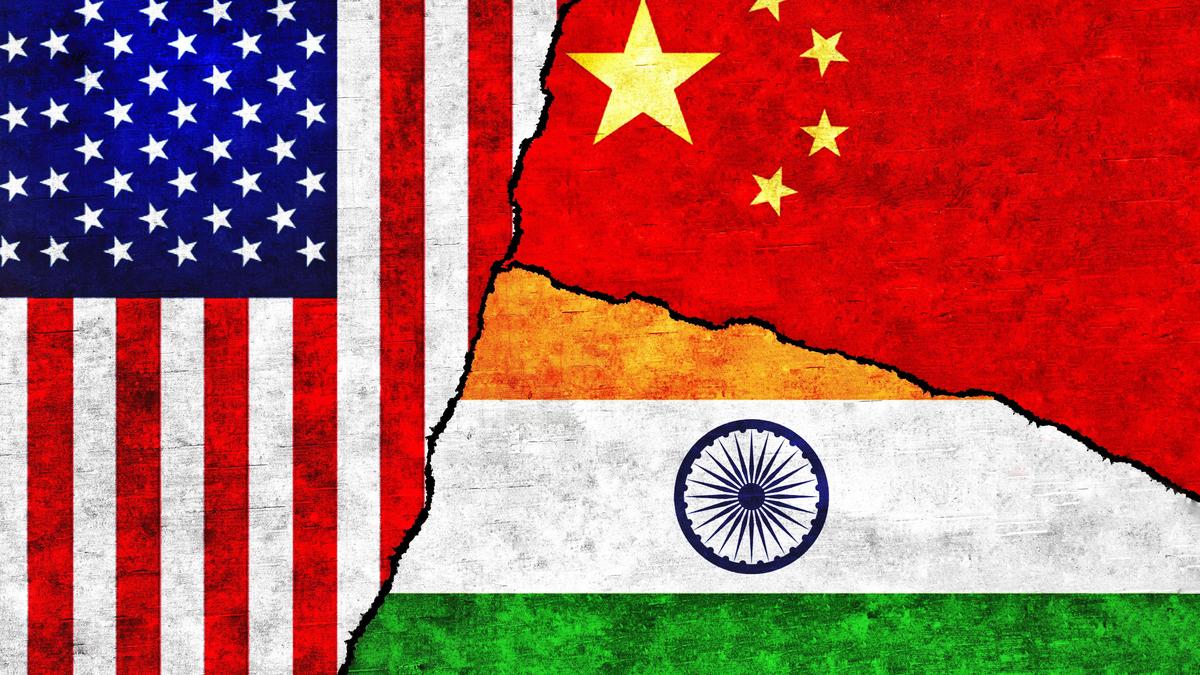
India has gradually relaxed FDI norms, anti-dumping measures and e-commerce regulations to attract investments, strengthen manufacturing, boost exports and integrate more deeply into Global Value Chains (GVCs), while balancing its strategic interests with both the US and China.
Why is India Recalibrating its Trade Policy?
India is moving from a protectionist approach towards strategic economic engagement. While restrictions such as Press Note 3 (2020) curtailed investments from neighbouring countries, they did not reduce India's dependence on Chinese imports. At the same time, high input costs and global supply chain shifts have made it necessary to attract investment and improve manufacturing competitiveness.
The policy shift is driven by:
- Rising trade deficit with China despite investment restrictions.
- Need for affordable intermediate goods for the PLI Scheme.
- Reducing procedural bottlenecks in FDI approvals.
- Expanding exports and integrating into Global Value Chains (GVCs).
How is India Balancing Economic Openness with Strategic Interests?
Rather than completely opening or closing its economy, India is following a calibrated approach that combines economic liberalisation with national security safeguards.
Some important policy measures include:
- Relaxation of FDI norms for limited investments from land-bordering countries while retaining scrutiny over strategic sectors.
- Selective use of anti-dumping duties by protecting domestic industries but ensuring affordable industrial inputs.
- Allowing inventory-based e-commerce only for exports, while continuing restrictions in domestic retail.
- Promoting greater Domestic Value Addition (DVA) instead of merely importing finished goods.
Concerns
Despite its advantages, the strategy raises several concerns:
- India may become an assembly hub rather than a manufacturing hub.
- Continued dependence on Chinese intermediate goods could create strategic vulnerabilities.
- Frequent rejection of DGTR recommendations may weaken trade remedy institutions.
- Simultaneous dependence on the US market and Chinese supply chains exposes India to geopolitical risks.
Way Forward
India's long-term competitiveness depends on strengthening domestic manufacturing rather than relying only on trade liberalisation. Policy reforms should focus on:
- Promoting higher Domestic Value Addition (DVA) through technology transfer.
- Making anti-dumping decisions more transparent through a public interest framework.
- Strengthening Rules of Origin (CAROTAR, 2020) to prevent circumvention of trade measures.
- Diversifying supply chains through partnerships with countries such as Japan, South Korea and trusted partners under initiatives like TRUST.
Conclusion
India's evolving trade policy reflects a shift towards strategic economic engagement, where investment liberalisation is balanced with national security and industrial development. The success of this approach will depend on improving domestic manufacturing capability, strengthening institutions and reducing excessive dependence on any single country.
Nasha Mukt Yuva for Viksit Bharat Sankalp Abhiyan
- 05 Aug 2026
In News:
The Prime Minister launched the Nasha Mukt Yuva for Viksit Bharat Sankalp Abhiyan, a nationwide campaign to build a drug-free youth population as a foundation for Viksit Bharat@2047.
About the Campaign
The Nasha Mukt Yuva for Viksit Bharat Sankalp Abhiyan is a nationwide awareness and behavioural change campaign aimed at preventing drug abuse among youth through community participation, public awareness, and promotion of healthy lifestyles.
Objective
- Build a drug-free, physically and mentally healthy youth population.
- Prevent substance abuse through awareness and behavioural change.
- Encourage youth participation in nation-building and contribute towards Viksit Bharat@2047.
Key Features
- 100-week nationwide campaign with activities organisedevery Sunday.
- Covers 28,000 locations across the country.
- Supported by 125 spiritual, educational, industrial, and social organisations.
- Promotes sports, art, culture, meditation, spirituality, and community service as healthy alternatives to substance abuse.
- More than one crore youth participated in taking a nationwide pledge against drug abuse.
- Encourages rehabilitation, counselling, and social reintegration by promoting a second chance for recovering individuals.
PM-KISAN Scheme

- 05 Aug 2026
In News:
The Union Cabinet has approved the continuation of the PM-KISAN Scheme from 2026–27 to 2030–31 with a financial outlay of ?3.15 lakh crore.
About PM-KISAN
PM-KISAN is a Central Sector Scheme, launched in February 2019 by the Ministry of Agriculture & Farmers' Welfare, to provide assured income support to eligible landholding farmer families.
Objective
- Provide assured income support to farmers.
- Enable timely purchase of agricultural inputs such as seeds, fertilizers, irrigation, and machinery.
- Reduce dependence on informal credit.
- Improve agricultural productivity and rural livelihoods.
Key Features
- Implementation Period: 2026–27 to 2030–31 (extended).
- Financial Outlay: ?3.15 lakh crore.
- Financial Assistance: ?6,000 per year per eligible farmer family, paid in three equal instalments of ?2,000.
- Transfer Mechanism: Direct Benefit Transfer (DBT) into Aadhaar-seeded bank accounts.
- Beneficiary Identification: State Governments identify and verify eligible landholding farmer families.
- Digital Delivery: Aadhaar authentication, e-KYC, PM-KISAN Portal, and Mobile App ensure transparent and efficient fund transfer.
Achievements
- Over ?4.47 lakh crore transferred directly to farmers through 23 instalments.
- 23rd instalment: More than 9.49 crore farmers received ?18,984 crore.
- During the COVID-19 pandemic, over ?1.71 lakh crore was disbursed.
- Women farmers received over ?1.06 lakh crore, accounting for nearly one-fourth of all beneficiaries.
Impact
According to the Development Monitoring and Evaluation Office (DMEO), NITI Aayog:
- 92% of beneficiaries used assistance for agricultural activities and investments.
- 85% reported increased agricultural income and reduced dependence on informal credit.
Between 2020–21 and 2025–26:
- Cultivated area increased by 9.65%.
- Agricultural productivity increased by 10.53%.
- Foodgrain production increased by 21.18%.
Tourism Sector in India
- 04 Aug 2026
In News:
The Government highlighted India's growing potential as a global tourism hub, supported by improved infrastructure, connectivity, digital platforms, travel facilitation, and sustainable tourism initiatives.
Key Highlights
- India recorded 2.9 billion domestic tourist visits (2024) and 2.02 crore international tourist arrivals (2025).
- Tourism contributed ?15.73 lakh crore (5.22% of GDP) in 2023–24 and supported 84.6 million jobs.
- Foreign exchange earnings from tourism reached USD 31.7 billion in 2025.
India's Tourism Potential
India's diverse cultural heritage, 45 UNESCO World Heritage Sites, 106 National Parks, 18 Biosphere Reserves, pilgrimage centres, wildlife, wellness traditions, and varied landscapes make it one of the world's most attractive tourism destinations.
Major tourism segments include:
- Spiritual & Buddhist tourism
- Heritage & cultural tourism
- Wellness & medical tourism
- Eco & wildlife tourism
- Rural & community tourism
- MICE tourism
- Coastal, cruise & adventure tourism
Major Government Initiatives
- Swadesh Darshan: 76 projects worth ?5,295.24 crore across 14 thematic circuits.
- Swadesh Darshan 2.0: 53 destination-centric projects worth ?2,207.08 crore.
- PRASHAD Scheme: 54 projects worth ?1,726.24 crore for pilgrimage destinations.
- Special Assistance to States for Capital Investment: 40 tourism projects worth ?3,295.76 crore.
- Challenge-Based Destination Development: 37 projects worth ?687.99 crore.
Improving Connectivity & Ease of Travel
- Expansion of highways, Vande Bharat trains, UDAN airports and last-mile connectivity.
- Viksit UDAN aims to develop over 100 aerodromes and 200 helipads.
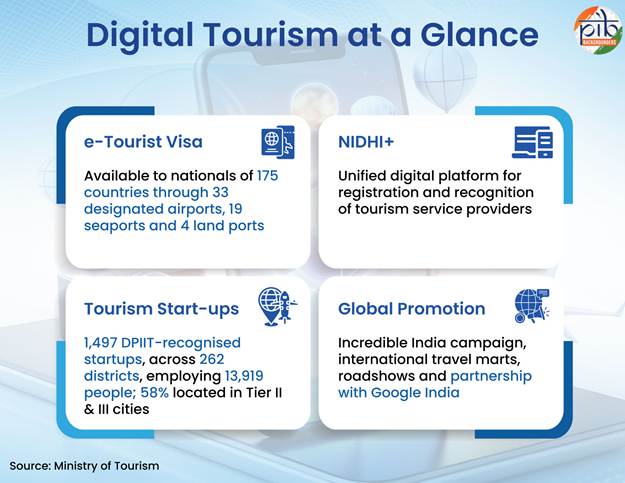
- e-Tourist Visa facility is available for nationals of 175 countries through 33 airports, 19 seaports and 4 land ports.
- NIDHI provides a unified digital platform for registration and classification of tourism service providers.
Tourism Start-ups
India has 1,497 DPIIT-recognised tourism start-ups across 262 districts, generating nearly 13,919 jobs. Around 58% are located in Tier-II and Tier-III cities, promoting innovation in travel technology, homestays, rural tourism and AI-based travel services.
Sustainable Tourism
The Government promotes responsible tourism through the Travel for LiFE initiative, destination diversification, community participation, and conservation of heritage and biodiversity. Sustainable tourism also contributes to SDG 8.9, SDG 12.B, and SDG 14.7.
Significance
- Generates employment and foreign exchange.
- Promotes regional and rural development.
- Preserves cultural heritage and biodiversity.
- Strengthens India's position as a global tourism destination.
- Supports inclusive and sustainable economic growth.
Geological Survey of India (GSI)
- 04 Aug 2026
In News:
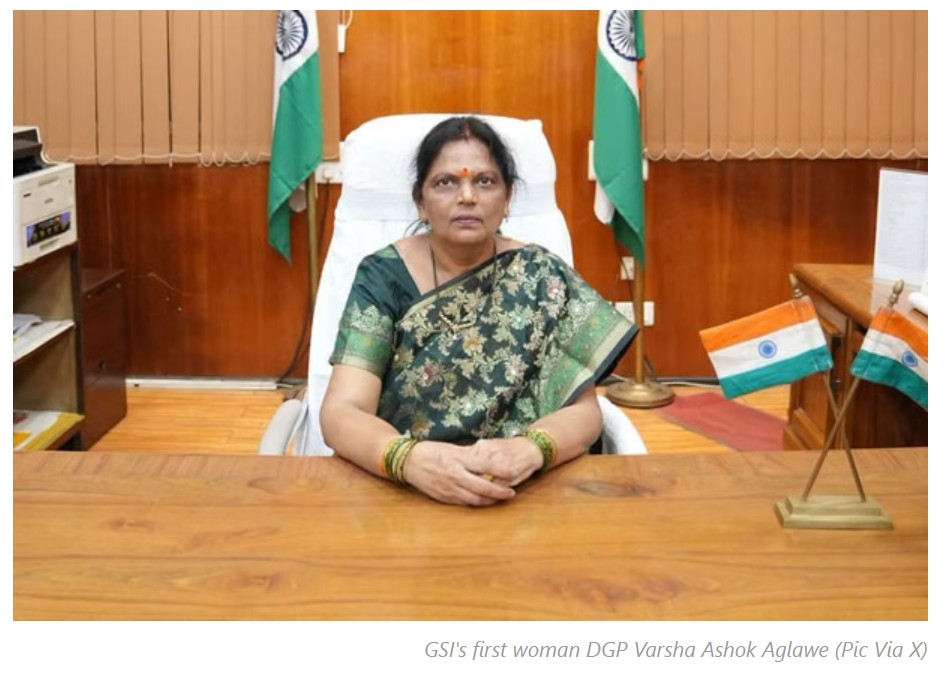
Smt. Varsha Ashok Aglawe has assumed charge as the 54th Director General of the Geological Survey of India (GSI), becoming the first woman to head India's premier geoscientific organization in its 176-year history.
About the Geological Survey of India (GSI)
The Geological Survey of India (GSI) is India's premier geoscientific organization responsible for geological mapping, mineral exploration, and geoscientific research. It functions as an attached office of the Ministry of Mines.
History
- Established: 1851
- Parent Ministry: Ministry of Mines
- Origin: Initially established to identify coal deposits for the expansion of the Indian railway network.
- First Director:Sir Thomas Oldham, who took charge on 4 March 1851.
- The term "Geological Survey of India" was first used by John McClelland in 1848.
Objectives
- Systematically map India's geology.
- Assess and explore mineral and energy resources.
- Generate reliable geoscientific data for policy and development.
- Support natural hazard assessment and sustainable resource management.
Key Functions
- Geological Mapping: Conducts ground, airborne, satellite, and marine geological surveys.
- Mineral Exploration: Explores and assesses mineral resources, including critical minerals such as lithium, cobalt, rare earth elements, and copper.
- Natural Hazard Studies: Undertakes landslide zonation, seismotectonic studies, glaciology, and geotechnical investigations for infrastructure projects.
- Geoscientific Data Repository: Maintains the national repository of geological and geospatial information.
- Research & Collaboration: Carries out multidisciplinary research in earth sciences, including paleontology, climate geology, and polar studies, in collaboration with national and international institutions.
TRAI MyCall

- 04 Aug 2026
In News:
The Telecom Regulatory Authority of India (TRAI) has launched a revamped version of the "TRAI MyCall" mobile application to enable consumers to directly rate and report their voice-calling experience, thereby improving telecom service quality.
About TRAI MyCall
TRAI MyCall is a mobile application developed by the Telecom Regulatory Authority of India (TRAI) that allows telecom subscribers to provide real-time feedback on the quality of voice calls. The application collects users' call experience along with relevant network parameters to help improve telecom service quality.
Key Features
- Real-Time Consumer Feedback: Enables users to rate voice calls through a simple 1–5 star rating system.
- Issue Reporting: Consumers can report problems such as:
- Call drops
- Echo during calls
- Audio delay
- Cross connections
- Voice breaking
- One-way audio
- Delayed call connection
- Automatic Feedback Prompt: Prompts users for feedback immediately after voice calls.
- Feedback History: Allows users to view their ratings and feedback history on an interactive map.
- Coverage Test: Assesses mobile network signal strength.
- Multilingual Support: Integrated with BHASHINI for multiple Indian languages.
How it Works
- Consumer feedback is shared with Telecom Service Providers (TSPs) and TRAI in an anonymised form.
- The information helps TSPs identify network problem areas and undertake corrective measures.
- It also enables TRAI to assess the Quality of Experience (QoE) of telecom services alongside technical Quality of Service (QoS) parameters.
Telecom Regulatory Authority of India (TRAI)
The Telecom Regulatory Authority of India (TRAI) is the statutory regulator responsible for overseeing India's telecommunications sector.
Key Facts
- Established: 1997
- Statutory Basis: Telecom Regulatory Authority of India Act, 1997
- Objective: Promote orderly growth of the telecom sector, ensure fair competition, protect consumer interests, and improve service quality.
Major Functions
- Regulates telecom tariffs.
- Prescribes and monitors Quality of Service (QoS) standards.
- Protects consumer interests and addresses grievances.
- Recommends licensing conditions for telecom service providers.
- Ensures transparency and fair competition in the telecom sector.
- Monitors compliance and imposes penalties for regulatory violations.
Composition
- One Chairperson
- Up to two full-time members
- Up to two part-time members
Tenure: Three years or until attaining 65 years of age, whichever is earlier.
Telecom Disputes Settlement and Appellate Tribunal (TDSAT)
- Established through an amendment to the TRAI Act.
- Adjudicates disputes between:
- Licensor and licensee
- Telecom service providers
- Service providers and consumer groups
- Hears appeals against TRAI's directions, decisions, and orders.
Glaw Lake

- 04 Aug 2026
In News:
Glaw Lake in Lohit district, Arunachal Pradesh, has been designated as India's 101st Ramsar Site under the Ramsar Convention on Wetlands, becoming the first Ramsar Site in Arunachal Pradesh.
About Glaw Lake
Glaw Lake is a freshwater wetland located in the Eastern Himalayas within the Kamlang Tiger Reserve and Wildlife Sanctuary in Lohit district, Arunachal Pradesh. It is recognized for its rich biodiversity, ecological significance, and role in conserving high-altitude freshwater ecosystems.
Key Features
- Location: Lohit district, Arunachal Pradesh.
- Status: First Ramsar Site in Arunachal Pradesh and India's 101st Ramsar Site.
- Type: Freshwater lake.
- Elevation:1,168 metres above sea level.
- Water Source: Fed by perennial mountain streams.
Biodiversity
The lake and its catchment support remarkable floral and faunal diversity:
- More than 150 tree species.
- 49 orchid species.
- Habitat for several high-altitude species, including:
- White-bellied Heron(Endangered)
- Clouded Leopard
Its location within the Kamlang Tiger Reserve further enhances its ecological importance.
Ramsar Convention on Wetlands
The Ramsar Convention is an intergovernmental treaty that provides the global framework for the conservation and wise use of wetlands.
Key Facts
- Adopted: 1971
- Place: Ramsar, Iran
- Came into Force: 1975
- Significance: First global environmental treaty dedicated exclusively to the conservation and sustainable use of wetlands.
Three Pillars of the Convention
- Conservation of Wetlands of International Importance (Ramsar Sites).
- Promotion of the wise use of all wetlands.
- International cooperation on shared wetlands, river basins, and migratory species.
COSPAR Vikram Sarabhai Medal
- 04 Aug 2026
In News:
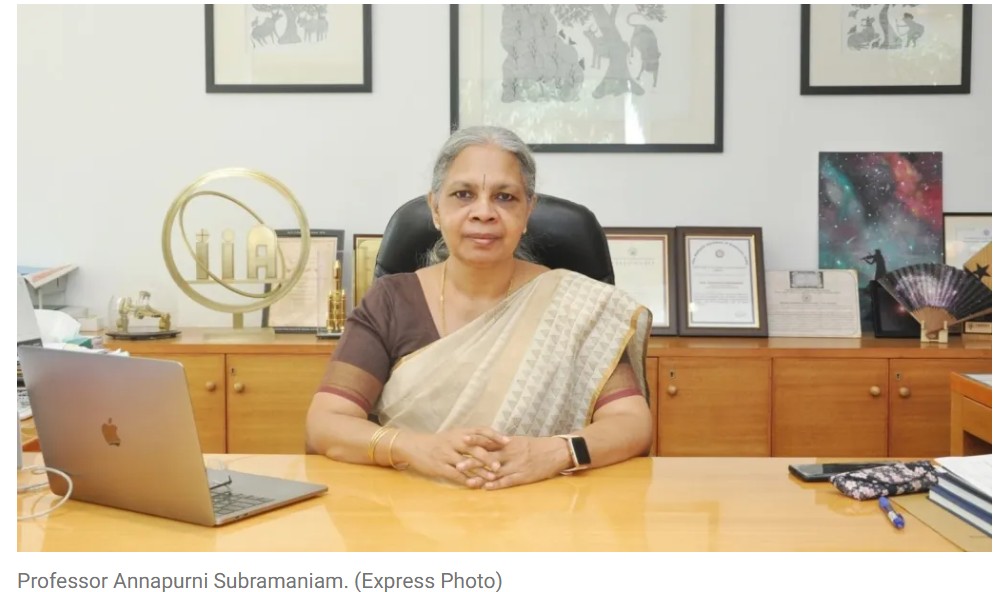
Indian astrophysicist Dr. Annapurni Subramaniam has been awarded the COSPAR Vikram Sarabhai Medal 2026 for her outstanding contributions to space research.
About the COSPAR Vikram Sarabhai Medal
The COSPAR Vikram Sarabhai Medal is an international award instituted in 1990 in memory of Dr. Vikram Sarabhai, the father of India's space programme. It is jointly awarded by the Committee on Space Research (COSPAR) and the Indian Space Research Organisation (ISRO) to recognize outstanding contributions to space research by scientists from developing countries.
Key Features
- Instituted: 1990
- Awarded by: Committee on Space Research (COSPAR) and Indian Space Research Organisation (ISRO)
- Objective: To honour scientists from developing countries for exceptional contributions to space research.
- Eligibility: The candidate's significant work should have been carried out primarily during the five-year period ending one year before the COSPAR Scientific Assembly at which the medal is presented.
2026 Recipient
- Dr. Annapurni Subramaniam
- Fourth Indian to receive the medal.
- First Indian woman scientist to receive the honour.
- Third woman globally to receive the award.
Previous Indian Recipients
- Anil Bharadwaj (2024)
- Gurbax Singh Lakhina (2014)
- U. R. Rao (1996)
Committee on Space Research (COSPAR)
The Committee on Space Research (COSPAR) is an international scientific organization established in 1958 to promote global cooperation in space research.
Key Facts
- Established: 1958
- Affiliation: International Science Council (ISC)
- Associated with: United Nations through the Committee on the Peaceful Uses of Outer Space (UN-COPUOS)
- Scientific Assembly: Held biennially and serves as one of the world's largest forums for space scientists.
Favara–UPI Cross-Border Payment Corridor
- 03 Aug 2026
In News:
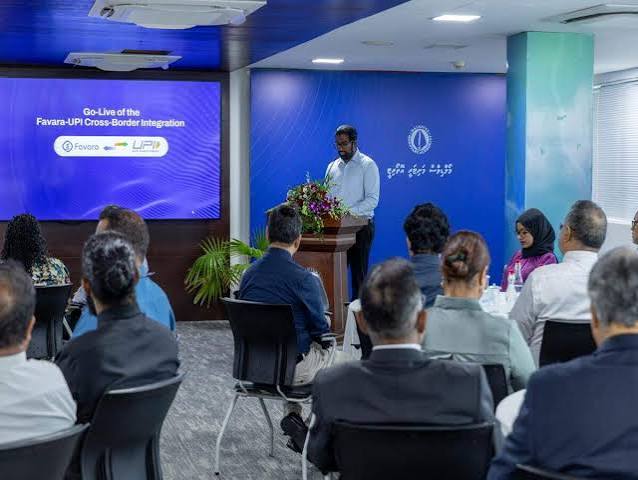
The Maldives Monetary Authority (MMA) has launched the Favara–UPI Cross-Border Payment Corridor, enabling real-time remittances from the Maldives to India by integrating the Maldives' Favara Instant Payment System with India's Unified Payments Interface (UPI).
About the Favara–UPI Cross-Border Payment Corridor
The Favara–UPI Cross-Border Payment Corridor is a real-time digital payment linkage that connects the Maldives' Favara Instant Payment System with India's Unified Payments Interface (UPI). It facilitates seamless person-to-person (P2P) cross-border fund transfers between the two countries.
Key Features
- Countries Involved: India and the Maldives.
- Implementing Institutions: Maldives Monetary Authority (MMA), Reserve Bank of India (RBI), NPCI International Payments Limited (NIPL), and participating banks.
- Objective: To enable secure, instant, and low-cost cross-border digital payments, strengthen financial connectivity, and deepen bilateral economic cooperation.
Operational Features
- Real-Time Remittances: Enables instant transfer of funds from Maldivian Rufiyaa (MVR) accounts to UPI-enabled Indian Rupee (INR) bank accounts.
- Initial Banking Partners: Bank of Maldives Plc and Maldives Islamic Bank Plc through their mobile banking applications.
- Permitted Transactions: Supports family maintenance and gift-related remittances under the Maldives' foreign remittance regulations.
- Future Expansion: Planned introduction of QR-code-based merchant payments and additional cross-border digital payment services.
Exercise ROTOR CLAP III

- 03 Aug 2026
In News:
The Indian Air Force (IAF) recently concluded the week-long Exercise ROTOR CLAP III at the Pokhran Field Firing Range, Rajasthan, focusing on countering emerging drone threats.
About Exercise ROTOR CLAP III
Exercise ROTOR CLAP III is a specialized Indian Air Force (IAF) helicopter exercise centred on Counter-Unmanned Aerial Systems (Counter-UAS) operations. It is the third edition of the IAF's rotary-wing exercise series aimed at enhancing helicopter capabilities against evolving aerial threats.
Key Features
- Theme: Counter-Unmanned Aerial Systems (Counter-UAS).
- Venue: Pokhran Field Firing Range, Jaisalmer district, Rajasthan.
- Organised by: Indian Air Force (IAF).
- Objective: To validate operational concepts against emerging drone threats, enhance combat preparedness, and improve coordination among rotary-wing platforms in dynamic battlefield scenarios.
Participating Platforms
The exercise involved a wide range of IAF helicopters, including:
- AH-64 Apache attack helicopter
- Mi-25/35 attack helicopters
- LCH Prachand (indigenous light combat helicopter)
- CH-47F(I) Chinook heavy-lift helicopter
- Mi-17 utility helicopter
- Advanced Light Helicopter (ALH) Dhruv
Operational Activities
The participating helicopters carried out multiple tactical missions, including:
- Precision strike operations
- Counter-UAS missions
- Battlefield support
- Reconnaissance and surveillance
- Troop insertion
- Casualty evacuation (CASEVAC)
- Coordinated operations against aerial and ground-based threats
Suspension Polyvinyl Chloride (S-PVC) Resin
- 03 Aug 2026
In News:
The Directorate General of Foreign Trade (DGFT) has imposed a six-month restriction on the import of Suspension Polyvinyl Chloride (S-PVC) resin, a key raw material used in manufacturing PVC pipes and other infrastructure products.
What is Suspension Polyvinyl Chloride (S-PVC) Resin?
Suspension Polyvinyl Chloride (S-PVC) is the most widely used form of Polyvinyl Chloride (PVC), a synthetic polymer produced from Vinyl Chloride Monomer (VCM). It is manufactured through the suspension polymerisation process, in which VCM is polymerised in an aqueous medium using initiators and additives to achieve the desired molecular weight and particle characteristics.
PVC resins are commercially produced through four polymerisation processes:
- Suspension polymerisation
- Emulsion polymerisation
- Bulk polymerisation
- Solution polymerisation
Among these, S-PVC is the dominant grade owing to its versatility and ease of processing.
Types of PVC Resins
- Suspension PVC (S-PVC): Granular, relatively dust-free resin with controlled particle porosity; most widely used for rigid PVC products.
- Emulsion PVC (E-PVC): Fine powder with very small particles and minimal free monomer; suitable for flexible PVC applications.
- Bulk PVC: Similar to S-PVC but with more porous particles.
- Solution PVC: Smaller particle size with high porosity and virtually no free monomer.
Applications
S-PVC resin is extensively used in the manufacture of:
- PVC pipes and irrigation systems
- Electrical conduits and cable insulation
- Electrical wires
- Construction materials
- Plumbing and sanitation products
Revamped Khelo India Scheme
- 03 Aug 2026
In News:
The Union Cabinet approved the revamped Khelo India Scheme along with an enhanced Assistance to National Sports Federations (ANSFs) scheme, with a total outlay of ?36,441 crore for FY 2026–27 to FY 2030–31.
What is the Revamped Khelo India Scheme?
The Khelo India Scheme is the flagship programme of the Ministry of Youth Affairs and Sports aimed at promoting sports culture, identifying grassroots talent, developing world-class sports infrastructure, and creating a structured pathway from grassroots to elite-level sports.
Originally launched in 2016–17 and restructured in 2017–18, the scheme consolidated earlier initiatives such as the Rajiv Gandhi Khel Abhiyan, Urban Sports Infrastructure Scheme, and National Sports Talent Search Scheme.
Aligned with the Khelo Bharat Niti, 2025 and the National Education Policy (NEP), 2020, the revamped scheme seeks to integrate sports with education and strengthen India's preparations for future international sporting events.
Key Features
- Implementation Period: FY 2026–27 to FY 2030–31.
- Financial Outlay:?36,441 crore, nearly eight times higher than the previous phase.
- Emerging Khelo India Athletes (E-KIAs): Introduces a new athlete category to significantly expand the talent development ecosystem alongside existing Khelo India Athletes (KIAs).
- School-Level Sports Development: Launches Khelo India Feeder Schools (KIFS) and Khelo India Utkrishta Vidyalayas (KIUV) to integrate sports into school education and identify talent at an early stage.
- Integrated Training Network: Strengthens a nationwide ecosystem comprising:
- National Centres of Excellence (NCOEs)
- Khelo India State Centres of Excellence (KISCEs)
- SAI Training Centres (STCs)
- Youth Sports Companies (YSCs) of the Armed Forces.
- National Coach Accreditation Board (NCAB): Establishes a national framework for standardising coaching qualifications and promoting sports science.
- Unified Digital Sports Platform: Creates an integrated digital platform for athlete databases, talent identification, funding, and performance monitoring while expanding the Fit India Movement to remote and border areas.
Significance
The revamped scheme creates a seamless pathway from schools to Khelo India Centres, National Centres of Excellence, and the Target Olympic Podium Scheme (TOPS), ensuring continuous athlete development. Enhanced support to National Sports Federations (NSFs) will strengthen coaching, scientific training, and India's competitiveness in international sporting events.
Samudra Manthan – National Offshore Exploration

- 03 Aug 2026
In News:
The Union Cabinet approved Samudra Manthan – National Offshore Exploration Scheme, a Central Sector Scheme of the Ministry of Petroleum & Natural Gas, with an outlay of ?84,084 crore for implementation up to FY 2030–31.
What is Samudra Manthan?
- Samudra Manthan is a flagship initiative to accelerate offshore oil and gas exploration by supporting the entire upstream exploration value chain through public investment, advanced technologies, and common infrastructure.
- The scheme aims to unlock India's offshore hydrocarbon potential, strengthen energy security, increase domestic oil and gas production, reduce import dependence, and build a globally competitive offshore energy ecosystem under Make in India and Atmanirbhar Bharat.
Key Features
- Total Outlay:?84,084 crore (100% Central Sector Scheme).
- Implementation Period: Up to FY 2030–31.
- Deepwater & Ultra-Deepwater Exploration:?43,200 crore allocated to support high-risk exploratory drilling, covering up to 50% of drilling costs (up to ?650–675 crore per well).
- Seismic Data Acquisition:?28,534 crore for acquisition, processing, and interpretation of high-quality seismic data in frontier and previously unexplored offshore basins.
- Common Offshore Infrastructure:?10,000 crore for shared offshore production facilities and evacuation infrastructure, including pipeline networks.
- Oil & Gas Manufacturing and Services Zones:?2,000 crore to establish dedicated manufacturing and services hubs for indigenous offshore equipment and technologies.
- Digital Programme Management: Strengthens the National Data Repository (NDR), capacity building, technology adoption, and stakeholder engagement.
Significance
The scheme is expected to:
- Add over 600 Million Metric Tons of Oil Equivalent (MMTOE) to India's hydrocarbon reserves.
- Increase domestic offshore oil and natural gas production.
- Reduce dependence on imported crude oil.
- Attract investments in offshore exploration and production.
- Promote indigenous manufacturing and offshore technology development.
- Generate large-scale employment and strengthen long-term energy security.
Environmental Performance Index 2026
- 02 Aug 2026
In News:
Experts have described India's ranking in the Environmental Performance Index (EPI) 2026 as a wake-up call, highlighting the need to strengthen environmental governance and sustainability efforts.
What is the Environmental Performance Index (EPI)?
The Environmental Performance Index (EPI) is a biennial global index that evaluates and ranks countries based on their environmental performance using a comprehensive set of data-driven indicators.
It is jointly developed by the Yale Center for Environmental Law & Policy (YCELP), Columbia University's Center for International Earth Science Information Network (CIESIN), and the Yale Center for Geospatial Solutions.
The index serves as a global benchmark for assessing countries' progress towards environmental sustainability and international commitments, including the UN Sustainable Development Goals (SDGs) and the Paris Agreement.
Framework
The EPI assesses countries using 47 indicators grouped under 12 issue categories, which are organised into three broad policy objectives:
- Environmental Health
- Ecosystem Vitality
- Climate Change
EPI 2026 Highlights
- Top 5 Countries:
- Estonia
- Luxembourg
- United Kingdom
- Finland
- Netherlands
- Lowest Ranked Country: Laos
- India's Rank: 176th out of 177 countries
- India's Score: 22.46
- Regional Average: 31.81
Broad Peak

- 02 Aug 2026
In News:
A team of mountaineers was caught in an avalanche on the slopes of Broad Peak in the Karakoram Range, drawing attention to one of the world's highest mountains.
About Broad Peak
- Broad Peak is the 12th-highest mountain in the world, with an elevation of 8,051 metres, located in the Karakoram Range.
- In the local Balti language, it is known as Falchan Kangri, meaning "Broad Mountain." The mountain derives its English name from British explorer Sir Martin Conway, who named it in 1892 after its unusually broad summit ridge, resembling the Breithorn in the Swiss Alps.
- Broad Peak lies in the Karakoram Range, spanning Gilgit-Baltistan and China's Xinjiang, approximately 8 km southeast of K2.
Formation and Physical Features
- The mountain was formed by the continuing collision of the Indo-Australian and Eurasian tectonic plates, which gave rise to the Himalaya–Karakoram mountain system.
- Its geology comprises massive plutonic granite blocks and metamorphic rock formations. The mountain's snowfields and ice walls feed the Godwin-Austen Glacier and the Baltoro Glacier systems.
- Broad Peak has a distinctive five-peak structure, with three summits exceeding 8,000 metres:
- Main Summit: 8,051 m
- Rocky Summit: 8,028 m
- Central Peak: 8,011 m
Scheme of Venture Capital Fund for Scheduled Castes (VCF-SC)
- 02 Aug 2026
In News:
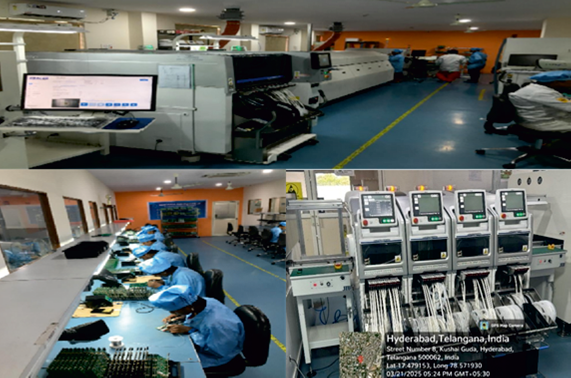
The Scheme of Venture Capital Fund for Scheduled Castes (VCF-SC) is supporting Scheduled Caste (SC) entrepreneurs in establishing technology-driven enterprises, generating employment, and promoting inclusive industrial growth.
What is the Scheme of Venture Capital Fund for Scheduled Castes?
- Launched in 2014–15 by the Ministry of Social Justice and Empowerment, the Venture Capital Fund for Scheduled Castes (VCF-SC) aims to promote entrepreneurship among Scheduled Caste entrepreneurs by providing concessional financial assistance for innovation-driven and growth-oriented enterprises.
- The scheme prioritiseswomen and differently-abled SC entrepreneurs and seeks to enhance financial inclusion, employment generation, and economic empowerment within the SC community.
Institutional Framework
The Fund is registered as an Alternative Investment Fund (AIF) under the SEBI (Alternative Investment Funds) Regulations, 2012.
- Anchor Investor: Government of India
- Sponsor: IFCI Ltd.
- Initial Corpus: ?200 crore, with annual augmentation.
Key Features
- Provides financial assistance ranging from ?10 lakh to ?15 crore.
- Supports technology-driven manufacturing and growth-oriented enterprises.
- Focuses on entrepreneurship, innovation, and wealth creation among Scheduled Castes.
- Gives priority to women and differently-abled SC entrepreneurs.
Funding Pattern
- Projects up to ?5 crore: Financial assistance up to 75% of the project cost, while the remaining 25% is contributed by the promoter.
- Projects above ?5 crore: Assistance up to 50% of the project cost; at least 25% must be financed by banks or other financial institutions, and the remaining 25% by the promoter.
Objectives
The scheme seeks to:
- Promote entrepreneurship among Scheduled Castes.
- Provide concessional finance for innovation and growth-oriented enterprises.
- Improve financial inclusion of SC entrepreneurs.
- Facilitate wealth creation and economic empowerment.
- Generate direct and indirect employment opportunities for the SC community.
Significance
The scheme enables Scheduled Caste entrepreneurs to access institutional finance for technology-driven enterprises, encourages inclusive industrial development, and supports the broader objectives of Atmanirbhar Bharat through entrepreneurship-led economic empowerment.
Clean Slate Doctrine
- 02 Aug 2026
In News:
The Supreme Court, in the Ujaas Energy judgment, clarified that the Clean Slate Doctrine under the Insolvency and Bankruptcy Code (IBC), 2016 extinguishes pre-resolution claims but does not necessarily eliminate every legal consequence arising from the underlying facts.
What is the Clean Slate Doctrine?
- The Clean Slate Doctrine is a fundamental principle under the Insolvency and Bankruptcy Code (IBC), 2016, which ensures that once a Corporate Insolvency Resolution Process (CIRP) is successfully completed and a resolution plan is approved, the successful resolution applicant acquires the corporate debtor free from past liabilities that are not included in the approved resolution plan.
- The doctrine aims to provide the company with a fresh start, enabling the new management to revive the business without the burden of unresolved historical claims.
- Its statutory basis lies in Section 31 of the Insolvency and Bankruptcy Code, 2016, which makes an approved resolution plan binding on all stakeholders.
Significance
The doctrine enhances certainty in the insolvency resolution process by assuring prospective investors that undisclosed or unresolved liabilities will not arise after the acquisition. It encourages higher participation in the resolution process, facilitates corporate revival, and supports the objective of value maximisation under the IBC.
Key Supreme Court Judgments
- Committee of Creditors of Essar Steel India Ltd. v. Satish Kumar Gupta (2020): The Supreme Court held that once the National Company Law Tribunal (NCLT) approves a resolution plan, all claims not included in the plan stand extinguished, and no fresh proceedings can be initiated regarding such claims.
- Arun Kumar Jagatramka v. Jindal Steel and Power Ltd. (2021): The Court reaffirmed that an approved resolution plan gives the successful resolution applicant a clean slate, allowing the business to function without past encumbrances.
- Ghanashyam Mishra and Sons Pvt. Ltd. v. Edelweiss Asset Reconstruction Co. Ltd. (2021): The Court clarified that claims omitted from the approved resolution plan cannot be pursued thereafter, including by government authorities.
- Ebix Singapore Pvt. Ltd. v. Committee of Creditors of Educomp Solutions Ltd. (2021): The Supreme Court held that all stakeholders, including those who did not actively participate in the CIRP, are bound by an approved resolution plan.
- Vaibhav Goel v. DCIT (2025): The Court ruled that no belated claims can be introduced after approval of the resolution plan by the NCLT.
- Ujaas Energy Judgment (2026): The Supreme Court clarified that while the doctrine extinguishes claims not forming part of the approved resolution plan, it does not automatically erase every legal consequence arising from the facts underlying those claims.
Protection & Indemnity (P&I) Insurance Product
- 02 Aug 2026
In News:
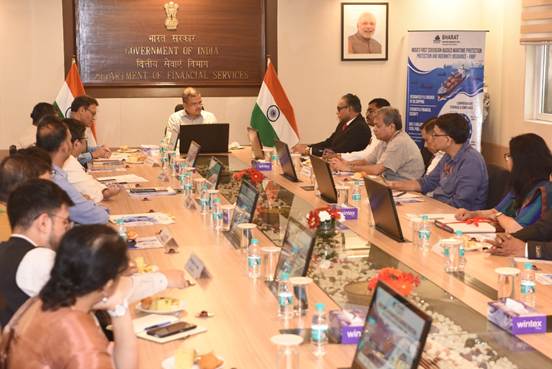
The Department of Financial Services (DFS), Ministry of Finance, launched India's first sovereign-backed Protection & Indemnity (P&I) insurance product under the Bharat Maritime Insurance Pool (BMIP) to strengthen domestic marine insurance and reduce dependence on foreign insurers.
What is the Protection & Indemnity (P&I) Insurance Product?
- The Protection & Indemnity (P&I) Insurance Product is India's first sovereign-backed marine liability insurance designed to provide comprehensive financial protection to shipowners and charterers against third-party liabilities arising during maritime operations.
- It has been designed by The New India Assurance Company Limited and operates under the Bharat Maritime Insurance Pool (BMIP) with sovereign backing.
- The initiative aims to build a self-reliant marine insurance ecosystem, ensure uninterrupted liability coverage for Indian shipping, and reduce dependence on foreign Protection & Indemnity Clubs.
Key Features
- Provides combined indemnity coverage of up to USD 1.5 billion backed by a sovereign guarantee.
- Covers third-party liabilities, including:
- Crew and cargo liabilities
- Marine pollution and oil spill compensation
- Wreck removal expenses
- Supported by a 24×7 global network of port correspondents for legal assistance, emergency response, and claims settlement.
- Expands BMIP coverage beyond Cargo and Hull War Risks to include comprehensive Protection & Indemnity (P&I) liabilities.
About Bharat Maritime Insurance Pool (BMIP)
- The Bharat Maritime Insurance Pool (BMIP) is a sovereign-backed marine insurance mechanism operationalised by the Department of Financial Services (DFS) to provide domestic marine insurance solutions, particularly during periods of geopolitical uncertainty.
- It was initially established to provide Cargo and Hull War Risk Insurance and has now been expanded to include Protection & Indemnity (P&I) Insurance.
Prevention of Insults to National Honour (Amendment) Bill, 2026
- 01 Aug 2026
In News:
Parliament passed the Prevention of Insults to National Honour (Amendment) Bill, 2026, extending statutory protection to Vande Mataram by penalising its intentional obstruction or disrespect during official singing.
What is the Prevention of Insults to National Honour (Amendment) Bill, 2026?
The Bill amends the Prevention of Insults to National Honour Act, 1971 to bring Vande Mataram (National Song) under its legal protection, similar to the National Anthem (Jana Gana Mana).
The amendment seeks to remove the existing legal gap, as the National Song previously had no statutory protection despite its historic significance in India's freedom movement.
The Government cited the 24 January 1950 Constituent Assembly proceedings, where Dr. Rajendra Prasad stated that Vande Mataram would enjoy equal honour with the National Anthem.
Key Provisions
The Bill extends Section 3 of the 1971 Act to cover Vande Mataram, making it an offence to intentionally prevent its singing or disturb an assembly during its rendition.
The offence carries imprisonment up to 3 years, a fine, or both, while repeat offenders are liable to a minimum imprisonment of one year under Section 3A.
About the Prevention of Insults to National Honour Act, 1971
The Act protects India's national symbols from acts of intentional disrespect.
- Section 2: Prohibits insult to the National Flag and the Constitution of India.
- Section 3: Prohibits preventing or disturbing the singing of the National Anthem.
- Section 3A (2003 Amendment): Prescribes enhanced punishment for repeat offences.
About Vande Mataram
Vande Mataram, meaning "Mother, I Bow to Thee," was composed by Bankim Chandra Chattopadhyay in Sanskritised Bengali and first published in Bangadarshan (1875) before appearing in Anandamath (1882).
It was later set to music by Rabindranath Tagore and became one of the foremost symbols of India's freedom movement.
The first two stanzas were adopted as the National Song by the Congress Working Committee in 1937. On 24 January 1950, Dr. Rajendra Prasad affirmed that Vande Mataram would enjoy equal honour with Jana Gana Mana, though the Constitution does not explicitly recognise a National Song.
Role in the Freedom Struggle
Vande Mataram became the rallying cry of the Swadeshi Movement following the Partition of Bengal (1905) and inspired nationalist movements across the country.
It was first sung at the 1896 Calcutta Session of the Indian National Congress by Rabindranath Tagore. The song was repeatedly banned by the British because of its role in mobilising anti-colonial protests.
It also featured prominently in nationalist organisations and publications, including Bande Mataram led by Bipin Chandra Pal and Sri Aurobindo, and was associated with leaders such as Madam Bhikaji Cama and Madan Lal Dhingra.
MHA Protocol
The Ministry of Home Affairs prescribes that when both are performed officially, Vande Mataram should precede Jana Gana Mana.
People are expected to stand during its official rendition, though this requirement does not apply when it is played in films, documentaries, or newsreels.
The National Song may be performed during Presidential and gubernatorial functions, flag ceremonies, official cultural events, and schools are encouraged to begin the day with its community singing.
Artificial Intelligence as India's Next Digital Public Infrastructure (DPI)

- 01 Aug 2026
In News:
Public policy experts have proposed Artificial Intelligence (AI) as India's next Digital Public Infrastructure (DPI), advocating affordable AI access through open-source models, lower inference costs, and interoperable platforms inspired by Aadhaar, UPI, and DEPA.
What is Commoditising AI as India's Next DPI?
- Commoditising AI means making AI models, computing power, and inference services affordable, accessible, and interoperable like a public utility rather than an expensive commercial product.
- Building on India's successful Digital Public Infrastructure—Aadhaar (digital identity), UPI (digital payments), and DEPA (consent-based data sharing)—AI is envisioned as the next foundational digital layer that can support innovation across sectors.
- The objective is to democratise AI by reducing dependence on expensive proprietary platforms and enabling wider access for startups, researchers, educational institutions, healthcare providers, and MSMEs.
Why is AI Being Considered the Next DPI?
India has already established globally successful digital public platforms. Extending this model to AI can make advanced intelligence accessible to all while reducing reliance on foreign technology providers.
Affordable AI infrastructure would enable local-language education, rural healthcare, agriculture, governance, and innovation by lowering the cost of AI deployment.
It would also shift value creation from expensive foundational models to application development, an area where India's software ecosystem has significant strengths.
Government Initiatives
- The IndiaAI Mission, launched with an outlay of ?10,372 crore, aims to expand access to affordable computing infrastructure for researchers and startups.
- The initiative has onboarded over 38,000 GPUs, with plans to scale to 1,00,000 GPUs, offering subsidised computing resources.
- India has also launched BHASHINI, which promotes multilingual AI by developing datasets and language technologies across Indian languages.
SHANTI Framework
- 01 Aug 2026
In News:
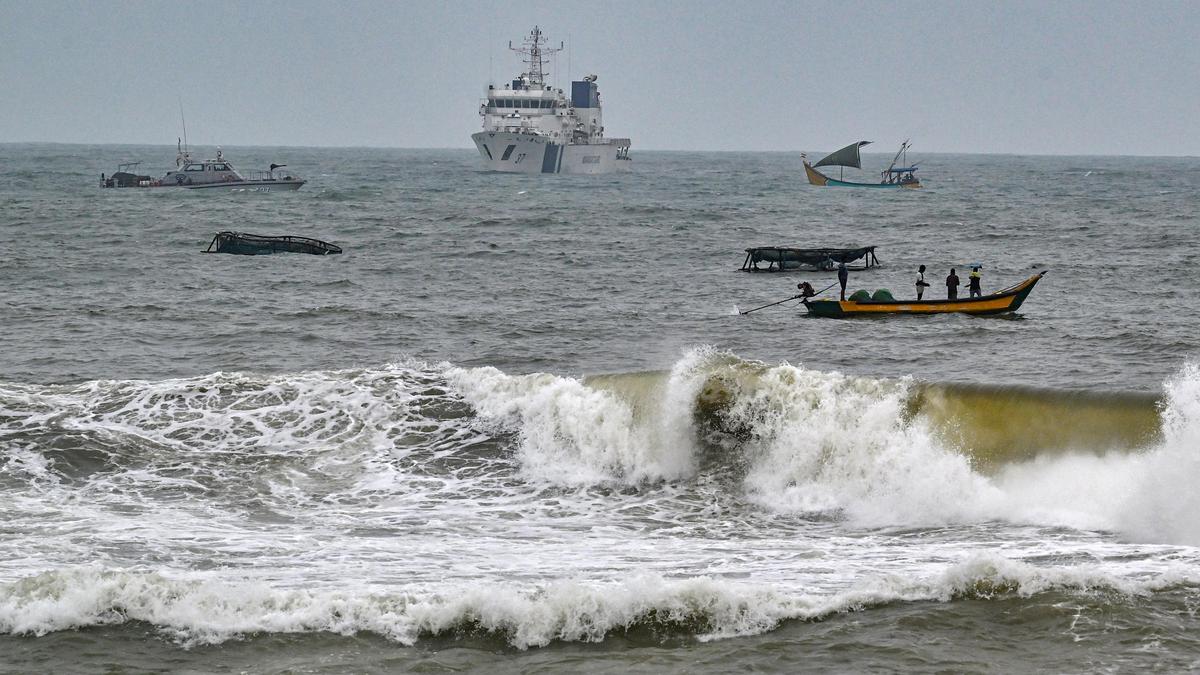
India has proposed the SHANTI (Securing Holistic Advancement through Norms, Trust and Integrity) framework while launching its candidature for the UN Security Council (UNSC) non-permanent seat (2028–29). The framework envisions the Bay of Bengal as the pilot region for promoting norms-based maritime governance before expanding across the wider Indo-Pacific.
What is the SHANTI Framework?
- SHANTI (Securing Holistic Advancement through Norms, Trust and Integrity) is India's proposed norms-based maritime governance framework aimed at strengthening cooperation in shared maritime spaces.
- It builds upon India's earlier maritime initiatives—SAGAR (Security and Growth for All in the Region) launched in 2015 and MAHASAGAR (Mutual and Holistic Advancement for Security and Growth Across Regions) announced in 2025.
- While SAGAR articulated India's maritime vision and MAHASAGAR expanded it to the wider Indo-Pacific and Global South, SHANTI seeks to operationalise this vision through practical cooperation based on Norms, Trust, and Integrity.
Significance
SHANTI marks India's transition from a security-centric maritime approach to one focused on rules-based governance of shared maritime commons. It seeks to position India as a preferred security partner and first responder, strengthen BIMSTEC, enhance Maritime Domain Awareness (MDA), promote the Blue Economy, and improve cooperation against both traditional and non-traditional maritime threats.
The framework also supports India's broader vision of a free, open, inclusive, and resilient Indo-Pacific.
Why is the Bay of Bengal the Ideal Pilot Region?
- The Bay of Bengal offers a relatively stable maritime environment compared to other parts of the Indian Ocean, making it suitable for building trust-based regional cooperation.
- It lies at the intersection of India's Act East Policy and the Indo-Pacific, while guarding the western approaches to the Strait of Malacca, one of the world's busiest maritime chokepoints.
- The region also faces common challenges such as cyclones, climate change, Illegal, Unreported and Unregulated (IUU) fishing, marine pollution, disaster management, and transnational crimes, making cooperative governance essential.
- Existing regional initiatives such as BIMSTEC, the Colombo Security Conclave, connectivity projects, defence cooperation, and Humanitarian Assistance and Disaster Relief (HADR) mechanisms provide a strong institutional foundation for implementing SHANTI.
Challenges
Operationalising SHANTI will require addressing geopolitical competition, particularly China's expanding maritime presence in the Bay of Bengal and political instability in Myanmar.
Other challenges include fragmented regional connectivity, inadequate maritime infrastructure, financing gaps, institutional weaknesses within regional organisations, trust deficits among smaller neighbours, and increasing environmental pressures arising from climate change and marine resource depletion.
Way Forward
India should strengthen Maritime Domain Awareness (MDA) through the Information Fusion Centre–Indian Ocean Region (IFC-IOR), promote implementation of the BIMSTEC Maritime Transport Cooperation Agreement (MTCA), harmonise maritime regulations, and expand Blue Economy cooperation.
Building transparent and inclusive regional institutions, enhancing HADR coordination, improving coastal resilience, and leveraging technology for maritime surveillance will help translate the SHANTI framework into an effective regional governance model.
Cloudbursts in India
- 01 Aug 2026
In News:
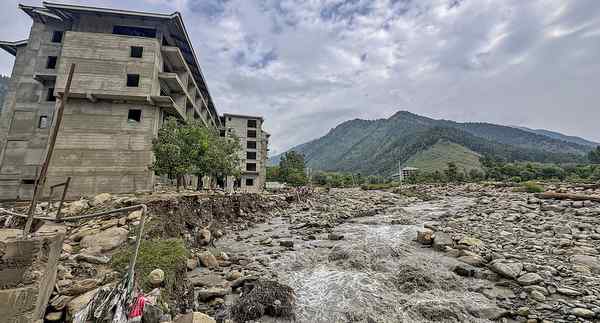
Recent heavy monsoon rainfall across Uttarakhand, Himachal Pradesh, and Jammu & Kashmir has triggered flash floods and landslides, drawing attention to the increasing occurrence of cloudbursts in the Himalayan region.
What is a Cloudburst?
- According to the India Meteorological Department (IMD), a cloudburst is an extremely localized weather event in which 100 mm (10 cm) or more rainfall occurs within one hour over an area of about 20–30 sq. km. The sudden release of such a large volume of water overwhelms the land's infiltration capacity, resulting in flash floods, debris flows, and landslides.
- Some scientists also recognize a mini-cloudburst, where around 50 mm rainfall within an hour over a similar area can cause severe damage, particularly in mountainous terrain.
How Does a Cloudburst Occur?
Cloudbursts are primarily associated with orographic rainfall. Moisture-laden monsoon winds are forced to ascend steep mountain slopes, leading to rapid cooling and condensation.
Strong updrafts within towering cumulonimbus clouds keep water droplets suspended, allowing them to accumulate. Once these updrafts weaken or the water load becomes too heavy, the entire mass of water is released suddenly over a very small area, producing intense rainfall within a short duration.
Occurrence in India
Cloudbursts occur predominantly in the Himalayan region, especially in Uttarakhand, Himachal Pradesh, Jammu & Kashmir, and Ladakh, where rugged topography and steep mountain slopes favour their formation.
Although IMD records documented around 30 cloudburst events between 1970 and 2016, experts believe the actual number is much higher due to limited rain-gauge coverage and radar blind spots in remote mountainous regions.
Climate change is expected to increase the frequency and intensity of such localized extreme rainfall events as a warmer atmosphere can hold more moisture.
Major Recent Events
Recent incidents include cloudburst-induced flash floods in Pahalgam and Anantnag (Jammu & Kashmir, 2026), Dharali and Uttarkashi (Uttarakhand, 2025), Amarnath Cave (2022), and Lahaul-Spiti and Mandi (Himachal Pradesh, 2023), causing widespread destruction of roads, bridges, settlements, and loss of lives.
Impacts
Cloudbursts trigger flash floods, debris flows, landslides, and river blockages, leading to severe damage to infrastructure, agriculture, and human settlements.
The rapid movement of water, rocks, and sediment often destroys highways, bridges, hydropower infrastructure, and villages within minutes. Temporary blockage of rivers may also create artificial lakes, whose sudden breach can generate secondary floods downstream.
Experts also caution that attributing every disaster solely to cloudbursts may divert attention from human-induced factors such as deforestation, illegal construction, poor drainage, and encroachment of river channels.
NDMA Recommendations
The National Disaster Management Authority (NDMA) recommends identifying vulnerable micro-catchments through hazard mapping and restricting construction in flood-prone and unstable areas.
It also advocates expanding Doppler Weather Radar (DWR) and Automatic Weather Station (AWS) networks under Mission Mausam, strengthening short-term nowcasting and early warning systems, improving drainage infrastructure, promoting slope stabilization through bio-engineering, and establishing community-based disaster preparedness and evacuation systems.
India's First Telecom Manufacturing Zone (TMZ)
- 01 Aug 2026
In News:
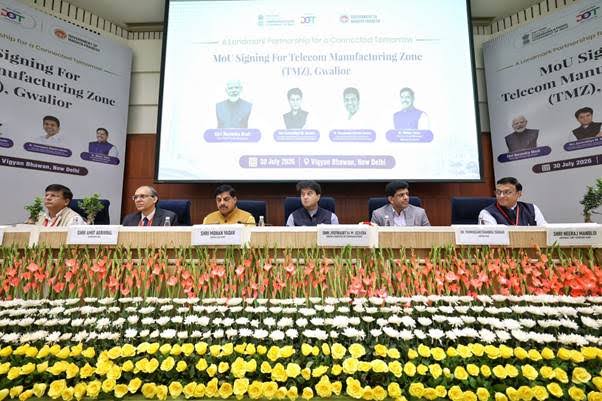
The Department of Telecommunications (DoT), Ministry of Communications, and the Government of Madhya Pradesh will sign an MoU to establish India's first Telecom Manufacturing Zone (TMZ) at Gwalior, Madhya Pradesh.
What is the Telecom Manufacturing Zone (TMZ)?
- The Telecom Manufacturing Zone (TMZ) is a dedicated industrial ecosystem aimed at promoting indigenous manufacturing, design, innovation, and research in the telecommunications sector. It seeks to strengthen India's domestic telecom manufacturing capabilities while reducing import dependence and supporting the vision of Aatmanirbhar Bharat.
- The Phase-I of the country's first Telecom Manufacturing Zone will be developed at Gwalior, Madhya Pradesh.
Key Features
- The Telecom Manufacturing Zone will provide an integrated ecosystem for telecom equipment manufacturers, technology firms, MSMEs, start-ups, and other stakeholders across the telecom value chain.
- It will focus on promoting indigenous design and manufacturing, attracting domestic and global investments, fostering innovation, and accelerating the development of next-generation telecom technologies and equipment.
- The initiative is also expected to strengthen collaboration between industry, research institutions, and technology developers to enhance India's competitiveness in the global telecom sector.