
Great Nicobar Crake
- 03 Dec 2025
In News:
Great Nicobar Island, the southernmost island of India in the Andaman & Nicobar archipelago, is emerging as a major hotspot of biological discoveries. Recent scientific studies from the area identified for a mega infrastructure development project have highlighted the island’s exceptional biodiversity and high endemism.
Since 2021, researchers have reported nearly 40 new species from Great Nicobar, with a significant number formally described only in the last few years. These findings underline the island’s ecological sensitivity.
Key Recent Discoveries
1. New Wolf Snake – Lycodonirwini
- Recently described species of wolf snake
- Known from only four records so far
- Named in honour of Steve Irwin
- Found in a very restricted range on Great Nicobar’s east coast
- Scientists recommend listing it as Endangered under IUCN Red List criteria due to:
- Rarity
- Limited distribution
- Habitat vulnerability
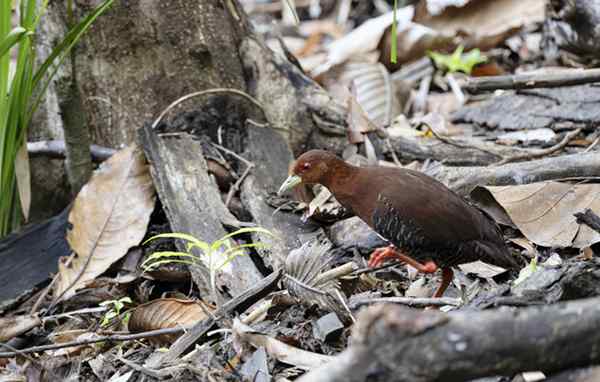
2. Great Nicobar Crake (Genus: Rallina)
A rare forest rail photographed only a handful of times over more than a decade.
Taxonomic Status
- Belongs to the genus Rallina (crakes/forest rails)
- May represent a new species to science based on distinct morphological traits
- Very little known about its distribution, population size, or ecology
Habitat
- Dense tropical rainforest undergrowth
- Associated with wet forest floors, streams, bamboo, cane, and vine thickets
Behaviour
- Ground-dwelling, shy and elusive
- Rarely flies; moves swiftly through vegetation
- Feeds on insects and small invertebrates
Conservation Note
- Not yet officially assessed by IUCN
- Likely to fall under Data Deficient or a threatened category if found to be endemic with a small range
Ecological & Conservation Significance
- Presence of range-restricted species indicates fragile ecosystems
- Frequent discoveries suggest large gaps in scientific knowledge
- Highlights the importance of:
- Long-term ecological monitoring
- Rigorous Environmental Impact Assessments (EIA)
- Habitat protection in the face of large infrastructure projects
Great Nicobar is considered one of the last extensive undisturbed tropical rainforest regions in India, making it critical for biodiversity conservation.