
Utkalmani Pandit Gopabandhu Das
- 05 Aug 2026
In News:
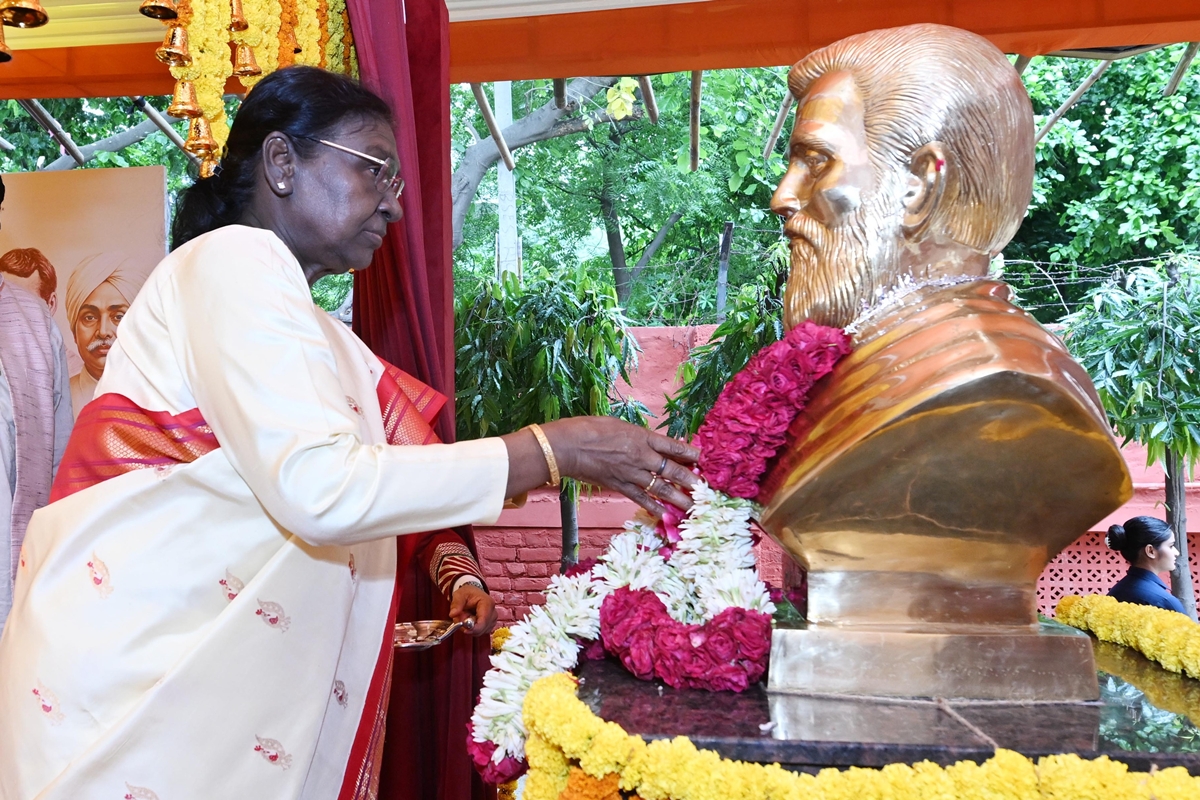
The President of India unveiled the statue of eminent freedom fighter, social reformer and journalist Utkalmani Pandit Gopabandhu Das at Lajpat Bhawan, New Delhi.
Who was Pandit Gopabandhu Das?
Pandit Gopabandhu Das (1877–1928), popularly known as Utkalmani (Jewel of Odisha), was a freedom fighter, educationist, social reformer, poet and pioneering journalist who dedicated his life to public service and the upliftment of Odisha.
Born in Suando village near Puri, he pursued higher education at Calcutta University, earning degrees in Arts and Law, but left his legal career to serve society and participate in the national movement.
Major Contributions
- Freedom Movement: Served as the first President of the Utkal Pradesh Congress Committee (1920) and led the Non-Cooperation Movement in Odisha.
- Odia Identity: Played a key role in the Utkal Sammilani, advocating the unification of Odia-speaking regions, which ultimately contributed to the creation of Odisha as India's first linguistic State (1936).
- Education: Established the Satyabadi Bana Bidyalaya (1909) near Puri, an open-air residential school based on the Gurukul system that promoted equality, patriotism and character building.
- Journalism: Founded the Odia newspaper The Samaja (1919), which became an influential platform for nationalism and social awareness.
- Social Service: Actively organised relief during floods and famines and was associated with Lala Lajpat Rai's Servants of the People Society, later serving as its Vice-President.
Literary Works
He authored several notable works, including:
- Bandi Ra Atmakatha
- Dharmapada
- Kara Kabita
Legacy
Known for his selfless service, Gopabandhu Das placed public welfare above personal interests and inspired generations through his contributions to nationalism, education, journalism and social reform. Before his death in 1928, he dedicated The Samaja and his properties to the Servants of the People Society, leaving a lasting legacy of public service.