
Pithora Painting
- 29 Jul 2026
In News:
The Pithora Painting, a traditional wall art of Gujarat's tribal communities, has been awarded the Geographical Indication (GI) tag in 2026, recognising its unique cultural heritage and traditional craftsmanship.
What is Pithora Painting?
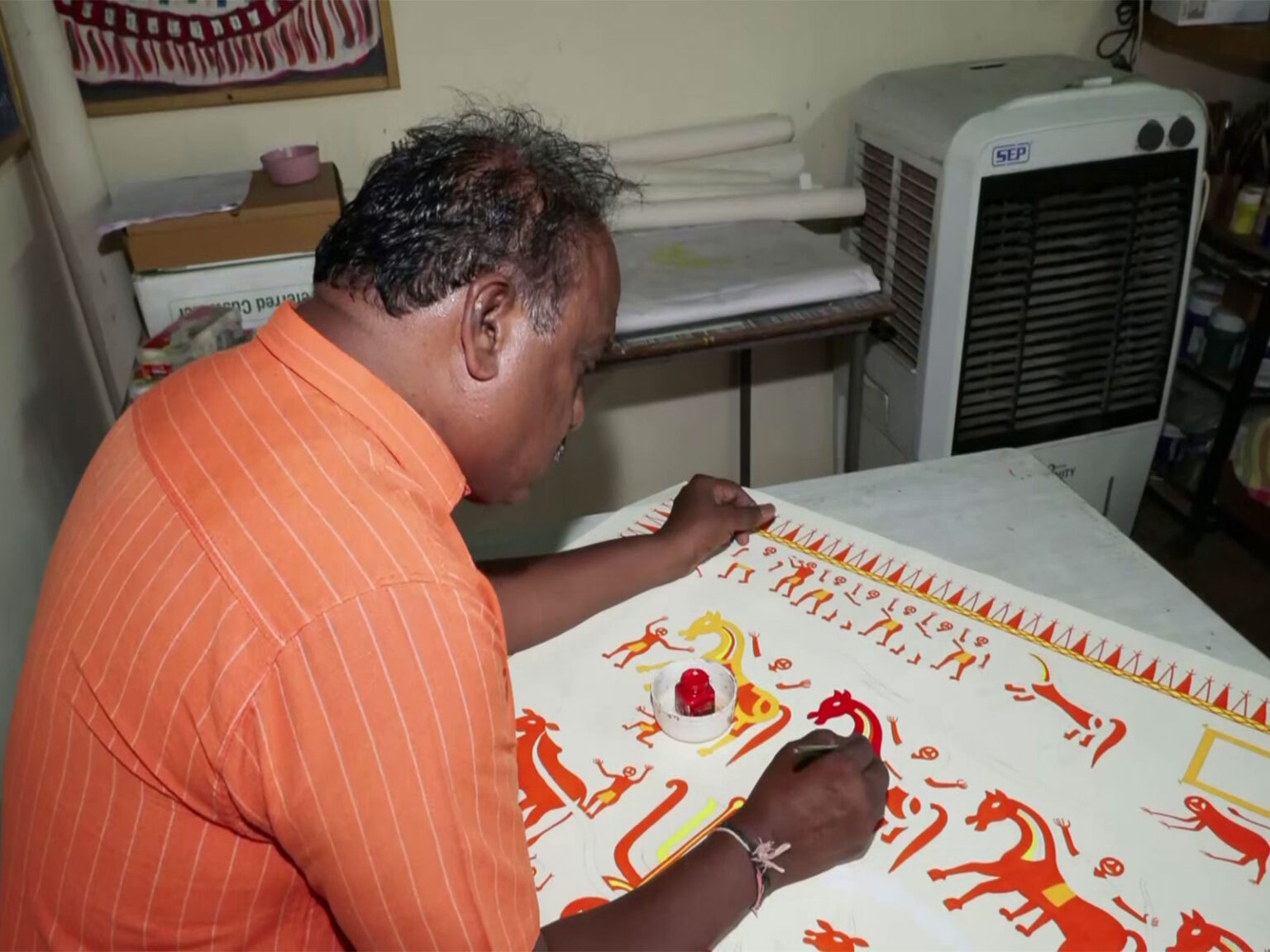
- Pithora Painting is a traditional ritual wall painting practiced primarily by the Rathwa, Bhil, and Bhilala tribes of Gujarat, especially in the districts of Panchmahal and Chhota Udaipur. Believed to date back to the 13th century, it is deeply associated with tribal faith, rituals, and community life.
- The art is named after Pithora De, the tribal deity believed to bring prosperity, marriage, fertility, and well-being.
Key Features
- Traditionally, Pithora paintings are created on the interior walls of houses during important occasions such as marriages, childbirth, festivals, and the fulfilment of vows to invoke divine blessings.
- The paintings are executed by specialist ritual artists known as Lakharas, under the supervision of a tribal priest called the Badwa.
- Walls are first prepared using a mixture of cow dung and clay, after which artists paint using natural pigments obtained from minerals and plants. Bamboo sticks, cotton swabs, and wooden stencils are commonly used as painting tools.
- The paintings depict Pithora De, other tribal and Hindu deities, horses, birds, animals, trees, farming, hunting, dancing, and scenes from everyday tribal life.