
NATO Ankara Summit (2026)
- 24 Jul 2026
In News:
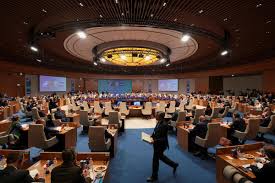
The NATO Ankara Summit (2026) concluded with major decisions on higher defence spending, continued support for Ukraine, and strengthening Europe's defence industrial base (DIB) amid evolving global security challenges.
About the NATO Ankara Summit
- The NATO Ankara Summit is a high-level politico-military meeting where leaders of the 32 NATO member countries review the Alliance's security priorities, defence preparedness, and collective military capabilities.
- Hosted by Türkiye in Ankara, the summit built upon the commitments made at the 2025 Hague Summit, focusing on long-term defence preparedness in response to geopolitical tensions in Eastern Europe and West Asia.
Key Outcomes
- The summit reaffirmed the Alliance's commitment to Article 5 of the Washington Treaty, under which an attack on one member is treated as an attack on all.
- A major outcome was the unanimous endorsement of the 5% GDP defence spending target, requiring all NATO members to allocate at least 5% of GDP to defence by 2035.
- Leaders also reiterated their long-term military, financial, and strategic support for Ukraine, while committing to expand Europe's Defence Industrial Base (DIB) through greater investment in defence manufacturing, research, innovation, and skilled manpower.
- The summit marked a strategic shift from crisis management towards rapid industrial production, technological innovation, and sustained military readiness.
Implications for India
- The accelerated rearmament of NATO countries is expected to tighten the global defence market, with Western manufacturers prioritising orders from Alliance members.
- This may result in delays in defence supplies to India, as seen in the delayed delivery of GE Aerospace F-404 engines for the LCA Tejasprogramme.
- Growing demand for weapons and ammunition could also create shortages of precision-guided munitions, air defence systems, artillery ammunition, and advanced military technologies, affecting India's defencemodernisation plans.
- India's dependence on foreign Original Equipment Manufacturers (OEMs) for advanced platforms such as jet engines, drones, AI-enabled systems, and electronic warfare equipment highlights the need for greater self-reliance.