
Chandipura Virus (CHPV)
- 27 Jul 2026
In News:
Nine deaths, including two children from Rajasthan undergoing treatment in Gujarat, have been confirmed due to the Chandipura virus (CHPV) outbreak.
About Chandipura Virus (CHPV)
- The Chandipura virus (CHPV) is a vector-borne virus belonging to the Rhabdoviridae family. It causes Acute Encephalitis Syndrome (AES), a severe inflammation of the brain that primarily affects children.
- The virus was first isolated in 1965 from Chandipura village, Maharashtra, during an outbreak of dengue/chikungunya-like fever.
- CHPV is endemic to parts of central and western India, particularly Maharashtra, Gujarat, Rajasthan, and Andhra Pradesh.
Transmission
- The virus is transmitted mainly through the bites of infected female Phlebotomine sandflies (Phlebotomus papatasi). Certain mosquito species, including Aedes aegypti, have also been identified as potential vectors.
- Human-to-human transmission has not been reported.
Clinical Features
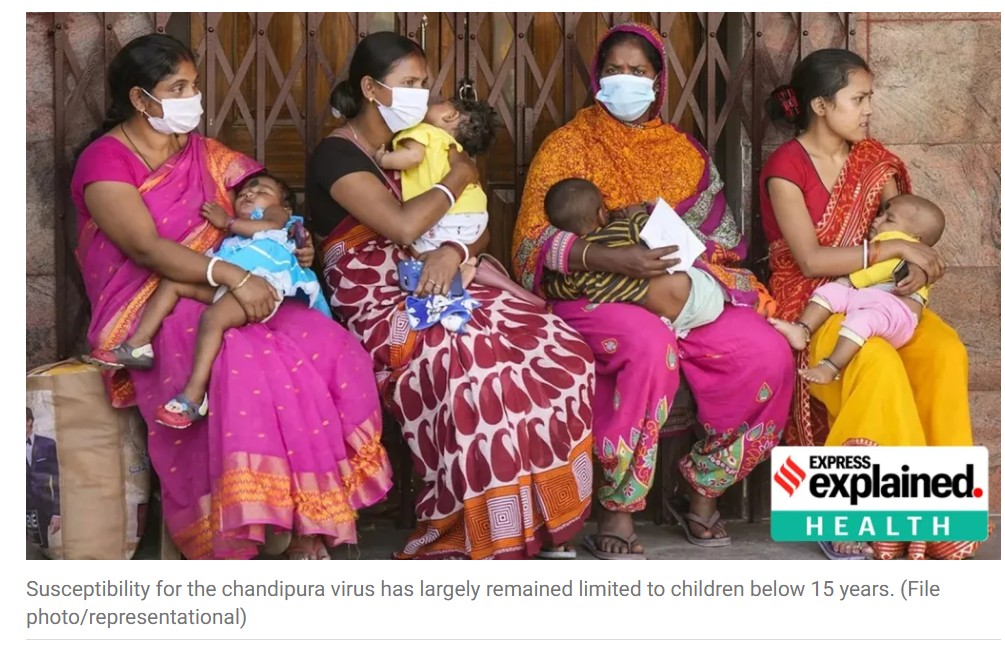
- The disease primarily affects children below 15 years of age.
- Symptoms include:Sudden high fever, Severe headache, Vomiting, Body ache, Seizures, Altered consciousness, and Acute encephalitis (brain inflammation)
- The illness progresses rapidly, and severe cases may result in death within 24–48 hours if not treated promptly.
Treatment and Prevention
There is no specific antiviral drug or approved vaccine for Chandipura virus infection.
Treatment is mainly supportive, including intensive care, seizure management, hydration, and monitoring of neurological complications.
Preventive measures focus on:
- Vector control (especially sandflies)
- Maintaining environmental sanitation
- Use of insecticide-treated bed nets and repellents
- Early detection and prompt medical care