
Ultra-Processed Foods (UPFs) in India
- 24 Nov 2025
In News:
A recent series published in The Lancet highlights that India is witnessing the fastest global growth in sales of Ultra-Processed Foods (UPFs)from USD 0.9 billion (2006) to nearly USD 38 billion (2019), representing a ~40-fold increase. This rapid dietary transition is strongly associated with rising obesity, diabetes, and cardiovascular diseases in the country.
What are Ultra-Processed Foods (UPFs)?
- Definition: Industrial formulations designed for convenience, long shelf life, and mass consumption, made largely from manufactured ingredients rather than whole foods.
- Typical Components: Refined starches, protein isolates, added sugars, unhealthy fats, flavour enhancers, colourants, stabilisers, emulsifiers, and preservatives.
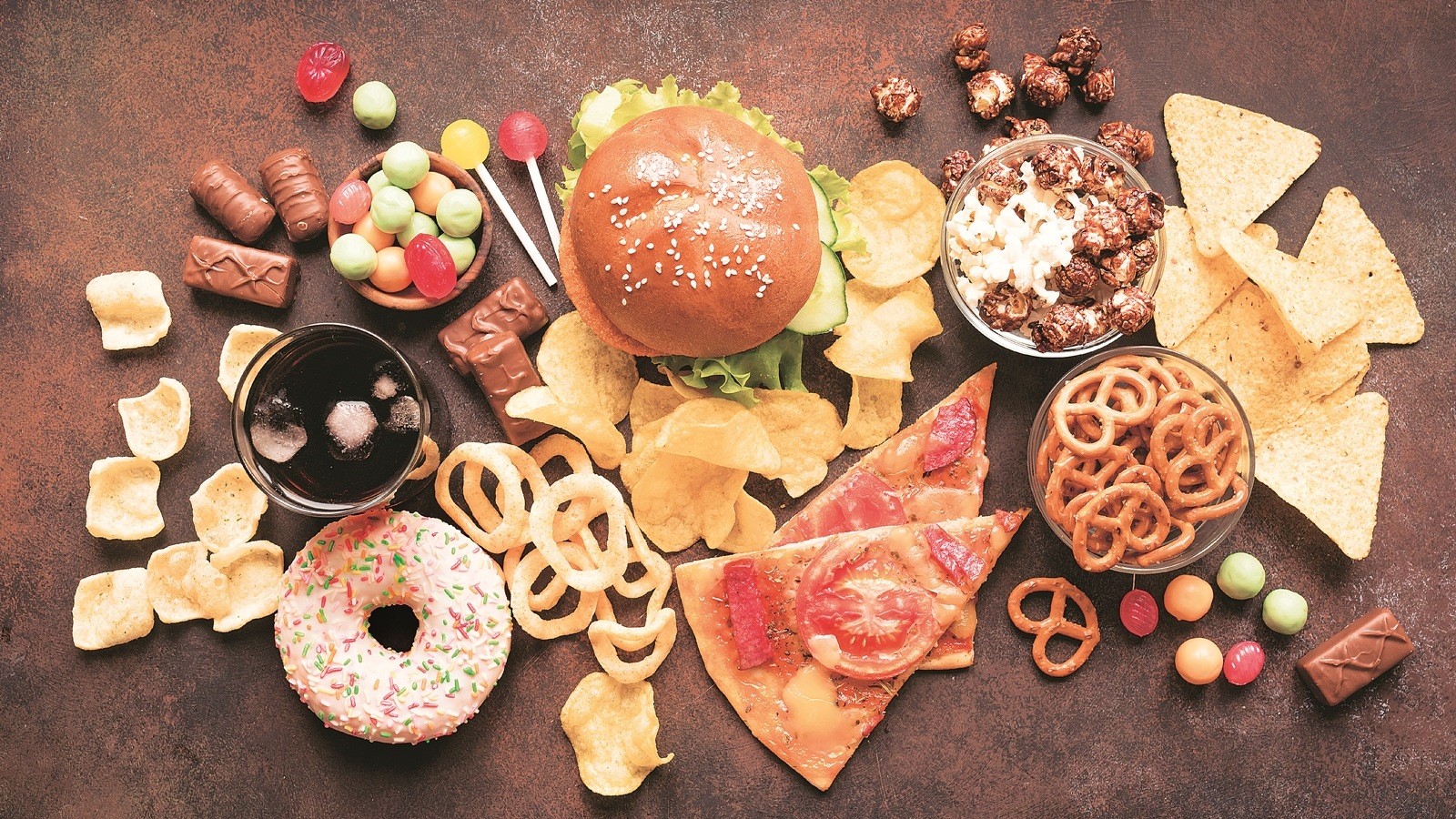
- Examples: Soft drinks, chips, chocolates, ice creams, sweetened breakfast cereals, packaged soups, instant noodles, ready-to-heat meals.
Processed vs Ultra-Processed Foods
- Processed foods: Minimally altered (e.g., cooking, fermenting, canning) and retain basic food structure (e.g., pickles, jam, cheese).
- Ultra-processed foods: Contain industrial additives; the presence of emulsifiers or artificial flavours classifies a product as UPF.
Why is UPF Consumption Rising in India?
- Aggressive Marketing: Celebrity endorsements, sports sponsorships, targeted ads (especially for children), discount offers.
- Lifestyle Changes:Urbanisation, time constraints, and preference for ready-to-eat foods.
- Dietary Transition: Shift towards Western-style diets rich in fast foods and sugary snacks.
- Perceived Convenience: Seen as time-saving substitutes for traditional meals.
Health and Nutrition Impacts
- Poor Nutritional Quality: UPFs are high in fat, sugar, and salt (HFSS) but low in fibre and micronutrients.
- Disease Burden: Linked to higher risks of obesity, Type 2 diabetes, hypertension, heart disease, kidney and gastrointestinal disorders, mental health issues, and premature mortality.
- India-Specific Risk: Genetic predisposition to visceral obesity and metabolic disorders amplifies harms.
- Children at High Risk: Childhood obesity increased from 2.1% to 3.4% (NFHS 2016 → 2019–21). Long-term effects include addictive eating behaviours, gut microbiome imbalance, impaired brain development, and early-onset diabetes.
Regulatory and Awareness Gaps
- Weak Regulation: Heavy reliance on self-regulation; absence of mandatory front-of-pack (FOP) warning labels.
- Misleading Packaging: Health claims (e.g., “high protein”) obscure high sugar, salt, or fat content.
- Identification Challenge: Public confusion between processed foods and UPFs.
- The Economic Survey 2024–25 underlines the need for stronger regulatory action.
Existing Indian Initiatives for Healthy Diets
- Eat Right India Movement
- State Food Safety Index
- RUCO (Repurpose Used Cooking Oil)
- Food Safety Mitra
- World Food Safety Day observances
What Measures are Needed?
- Stronger Regulations:
- Mandatory FOP warning labels (“High in Sugar/Salt/Fats”).
- Restrictions on marketing to children.
- Healthy Food Environments:
- UPF-free school canteens; promotion of minimally processed foods (Brazilian model).
- Increased availability of healthy alternatives in public spaces.
- Public Awareness Campaigns:
- Avoid foods with >10% sugar or fat; sodium >1 mg/kcal.
- Prefer whole foods like fruits, vegetables, milk, nuts.
- Monitoring & Research:
- Measure UPF share in diets (especially children and youth).
- Identify consumption patterns to support targeted regulation.
- Global & National Coordination:
- Align with forthcoming World Health Organization guidelines on UPFs.
- Involve FSSAI, health and education sectors, industry, and civil society.
WHO Recommendation: Free sugar intake should be <10% of daily energy, ideally <5% (~25 g/day).