
Supreme Court Clarifies Governor’s Powers on Assent to State Bills
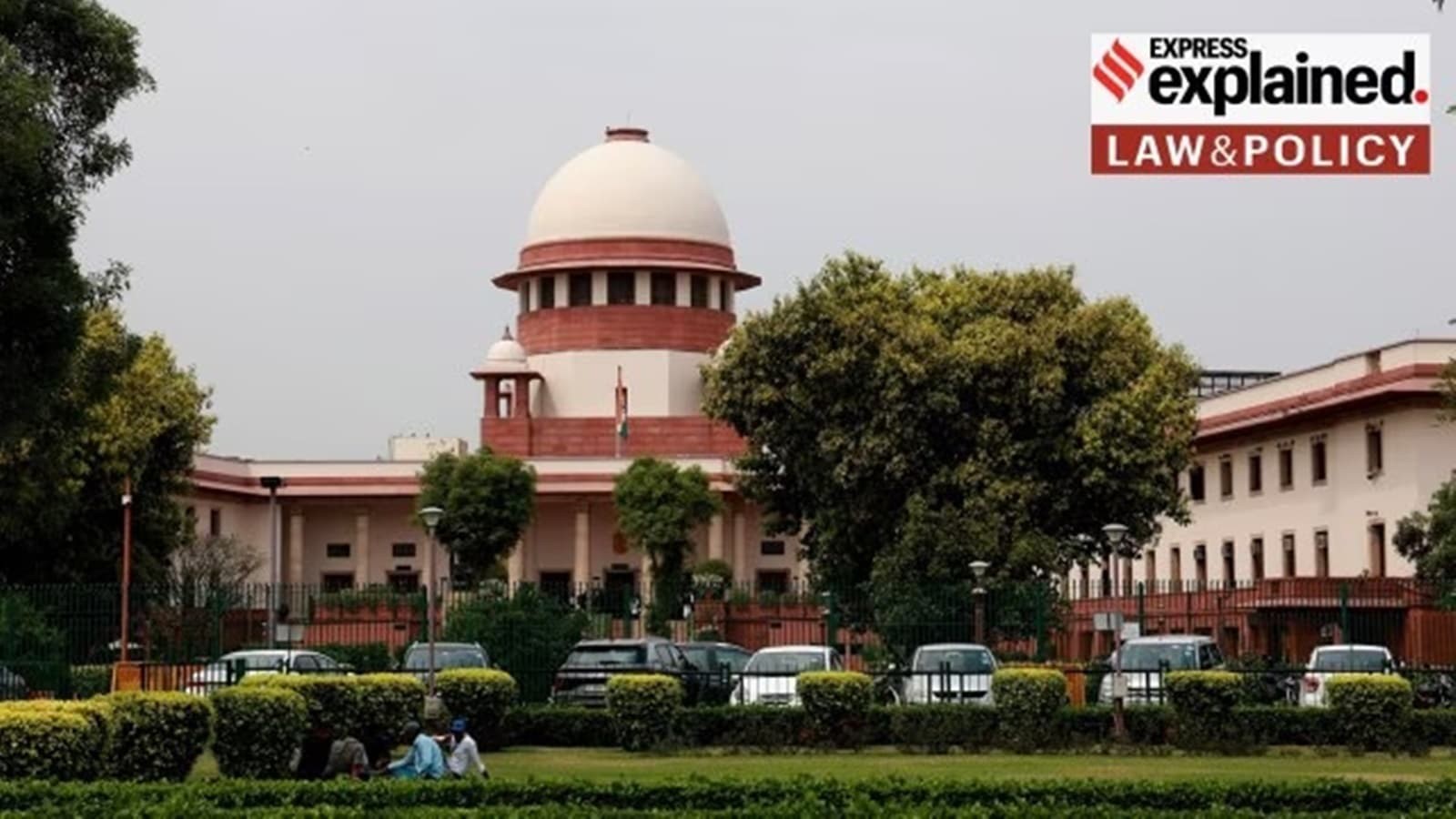
- 24 Nov 2025
In News:
In a landmark constitutional opinion, a five-judge Constitution Bench of the Supreme Court clarified the scope and limits of the powers of Governors and the President regarding assent to State Bills under Articles 200 and 201 of the Constitution. The opinion was delivered in response to a Presidential Reference under Article 143, addressing 14 questions of law, amid complaints by several States that Governors were delaying or withholding assent, causing legislative paralysis.
Constitutional Framework
Article 200 – Governor and State Bills
When a Bill passed by a State Legislature is presented, the Governor has only three constitutionally permissible options:
- Grant assent to the Bill.
- Withhold assent and return the Bill (except Money Bills) to the Legislature with recommendations for reconsideration.
- Reserve the Bill for the President’s consideration.
The Court categorically held that there is no power to “withhold assent simpliciter”. A Governor cannot sit indefinitely on a Bill without taking one of the three actions.
Article 201 – President and Reserved Bills
When a Bill is reserved, the President may:
- Grant assent, or
- Withhold assent.
The President’s discretion here is similar to that of the Governor, but operates only after reservation.
Key Clarifications by the Supreme Court
- No indefinite delay permitted:“Prolonged, unexplained, and indefinite inaction” by a Governor is unconstitutional and subject to judicial review.
- Discretion, but not arbitrariness:Governors are not bound by the aid and advice of the Council of Ministers while exercising powers under Article 200, as this discretion is constitutionally envisaged. However, this discretion cannot be used to obstruct the legislative will of an elected government.
- Judicial review limited to inaction:Courts cannot review the merits or wisdom of a Governor’s or President’s decision to grant or withhold assent. Judicial scrutiny is limited only to cases of constitutional inaction or procedural violation.
- No judicially imposed timelines:The Court held that it cannot prescribe rigid deadlines (such as 1–3 months) for Governors or the President. The phrase “as soon as possible” in Articles 200 and 201 allows flexibility and cannot be judicially converted into fixed timelines.
- Rejection of ‘deemed assent’:The Court firmly rejected the idea that a Bill automatically becomes law if assent is delayed. Article 142 (complete justice) cannot be used to bypass the constitutional requirement of assent.
- Article 361 is not an absolute shield:While Governors and the President enjoy personal immunity, the office itself is not immune from judicial scrutiny where constitutional duties are not discharged.
- Courts cannot examine Bills:Judicial review applies only to laws in force, not to Bills awaiting assent. Courts cannot examine the constitutionality of proposed legislation.
Broader Constitutional Significance
- Reinforces constitutional morality and federal balance.
- Prevents misuse of gubernatorial discretion while respecting constitutional design.
- Protects legislative supremacy of elected assemblies without eroding the discretionary role of constitutional authorities.
- Clarifies limits of Article 142, ensuring it does not override substantive constitutional provisions.