
Nemaline Myopathy
- 13 Nov 2025
In News:
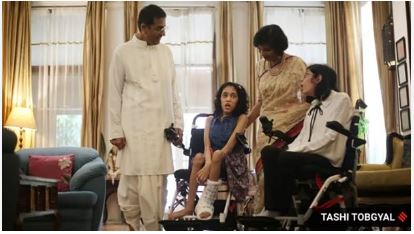
Nemaline myopathy is a rare, inherited neuromuscular disorder that primarily affects skeletal muscles, leading to muscle weakness and impaired mobility. Recently, the condition drew public attention after D. Y. Chandrachud, the Chief Justice of India, spoke about his foster daughters’ experience with the disease, highlighting the lack of awareness, delayed diagnosis, and need for better support systems for children living with rare genetic disorders.
What is Nemaline Myopathy?
- Also known as rod myopathy, it is characterised by the presence of thread-like (rod-shaped) structures called nemaline bodies within muscle fibres.
- It is a congenital genetic disorder, caused by mutations in genes encoding muscle proteins.
- Prevalence: Approximately 1 in 50,000 births.
- The disease shows wide variability in severity, ranging from mild muscle weakness to severe, life-threatening forms.
Genetic Basis
- The disorder is hereditary, arising due to genetic mutations—permanent changes in a gene’s DNA sequence.
- These mutations disrupt the structure and function of muscle proteins, impairing muscle contraction.
- Nemaline myopathy is classified into six types, based on age of onset and severity:
- Severe congenital
- Intermediate congenital
- Typical congenital (most common)
- Childhood-onset
- Adult-onset (mildest form)
- Amish type (rare)
Clinical Features
- Muscle weakness, especially in:
- Face and neck
- Trunk and proximal muscles (near the body’s centre)
- Feeding and swallowing difficulties, particularly in infants.
- Respiratory muscle involvement in severe cases, leading to breathing difficulties and risk of respiratory failure.
- Orthopaedic complications:
- Foot deformities
- Abnormal curvature of the spine (scoliosis)
- Joint stiffness or deformities (contractures)
- Motor development may be delayed; many individuals can walk initially, but wheelchair support may be required later in progressive cases.
Prognosis
- Severity-dependent:Severe congenital type is often life-threatening, with early childhood mortality due to respiratory failure.
- Typical congenital type presents in infancy with muscle weakness and feeding issues.
- Adult-onset type is usually mild, with symptoms appearing between 20–50 years.
Treatment and Management
- No definitive cure exists at present.
- Management is supportive and symptomatic, focusing on:
- Physiotherapy and muscle-strengthening exercises
- Respiratory support when required
- Nutritional and feeding support
- Early diagnosis and multidisciplinary care can significantly improve quality of life.
Current Significance
- The recent public discussion by the CJI has underlined:
- Low awareness among doctors and caregivers
- Painful and delayed diagnostic processes
- The need for better genetic testing, counselling, and disability support systems in India