
Tidal Flooding
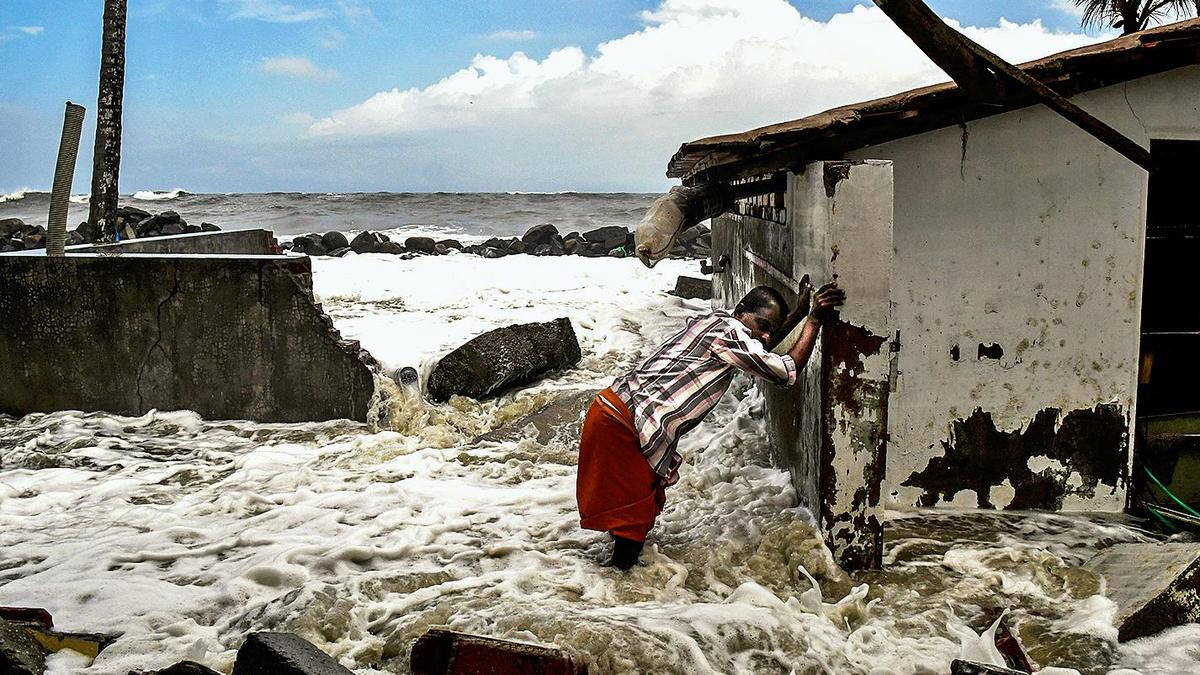
- 19 Feb 2026
In News:
The Government of Kerala has declared tidal flooding as a State-specific disaster. It is the first time in India that a State has accorded such status to tidal flooding.
What is Tidal Flooding?
- Also known as:
- Sunny day flooding
- King tide flooding
- Nuisance flooding
- Definition: Temporary inundation of low-lying coastal areas due to unusually high tides, without heavy rainfall or cyclonic activity.
Causes
- Combination of:
- High tide cycles
- Full moon and new moon phases
- Offshore storms
- Strong coastal winds
- Occurs twice daily with tidal cycles.
- More severe during spring tides (full moon and new moon).
- Unlike cyclone-induced storm surges, it is periodic and predictable, though intensifying due to sea-level rise.
Impact on Kerala Coast
- Common along Kerala’s coastline bordering the Arabian Sea.
- Temporary rise in sea level above identified thresholds.
- Inundates low-lying coastal settlements and agricultural lands.
- Affects fisheries, livelihoods, housing, and infrastructure.
Kerala Government’s Decision
Kerala became the first State in India to declare tidal flooding as a State-specific disaster, enabling financial assistance under SDRF norms.
- Victims will receive financial assistance similar to other notified natural disasters.
- Relief to be provided through the State Disaster Response Fund (SDRF) framework.
Other State-Specific Disasters in Kerala
Kerala has also notified the following as State-specific disasters:
- Coastal erosion
- Lightning
- Strong winds
- Soil piping
- Heatwave / Sunstroke / Sunburn
- Human–wildlife conflict
Significance
Disaster Management Perspective
- Recognises climate-linked coastal risks beyond cyclones.
- Enhances institutional preparedness and targeted relief.
Climate Change Link
- Sea-level rise and coastal vulnerability are increasing frequency and severity.
- Highlights need for coastal zone management and adaptation planning.