
Startup India Fund of Funds 2.0
- 17 Feb 2026
In News:
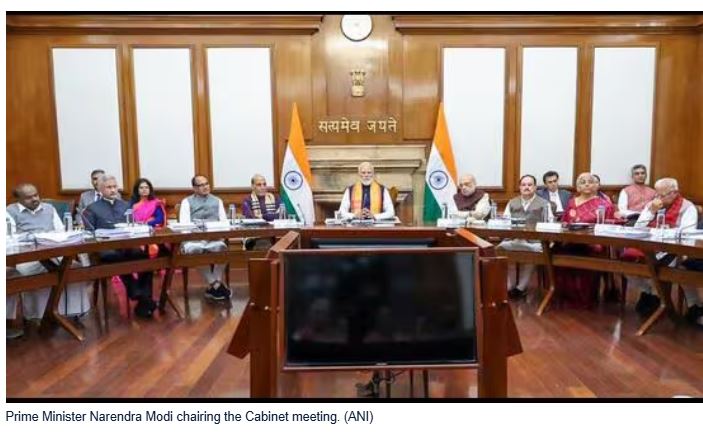
In February 2026, the Union Cabinet approved the establishment of Startup India Fund of Funds 2.0 (FoF 2.0) under the Startup India initiative. With a corpus of ?10,000 crore, the scheme aims to mobilise long-term domestic capital, strengthen the venture capital (VC) ecosystem, and accelerate innovation-led economic growth. It represents the next phase of India’s startup policy architecture, moving from ecosystem creation to strategic capital deepening.
Background: Evolution of Startup India
Launched in 2016, the Startup India initiative has transformed India into one of the world’s largest startup ecosystems.
- Growth from fewer than 500 startups in 2016 to over 2 lakh DPIIT-recognised startups today.
- 2025 recorded the highest-ever annual startup registrations, indicating sustained entrepreneurial momentum.
To address early-stage funding gaps, the Government launched the Fund of Funds for Startups (FFS 1.0) in 2016.
Performance of FFS 1.0
- ?10,000 crore corpus fully committed to 145 Alternative Investment Funds (AIFs).
- Supported AIFs invested over ?25,500 crore in 1,370 startups.
- Investments spanned agriculture, AI, robotics, clean tech, fintech, biotechnology, manufacturing, space tech and more.
FFS 1.0 catalysed domestic venture capital, crowded in private investment, and nurtured first-time founders, laying a strong foundation for innovation financing.
Rationale for FoF 2.0
Despite ecosystem growth, structural gaps remain:
- Limited availability of patient capital for deep tech and high-risk sectors.
- Over-concentration of funding in metro cities.
- Dependence on foreign capital in the VC space.
- Funding constraints for early-growth stage startups.
FoF 2.0 seeks to address these high-risk capital gaps and align startup financing with national economic priorities.
Key Features of Startup India FoF 2.0
1. Financial Outlay: ?10,000 crore corpus dedicated to mobilising venture capital for startups.
2. Targeted, Segmented Funding Approach
(a) Deep Tech & Tech-Driven Manufacturing
- Focus on breakthrough technologies requiring long-term, patient capital.
- Supports sectors critical for strategic and economic self-reliance.
(b) Early-Growth Stage Support
- Acts as a safety net for innovative ideas.
- Reduces early-stage failures caused by funding shortages.
(c) National Reach
- Encourages investments beyond major metropolitan hubs.
- Promotes geographically inclusive innovation.
(d) Addressing High-Risk Capital Gaps: Directs greater capital to priority areas aligned with self-reliance and economic growth.
(e) Strengthening Domestic VC Base
- Special emphasis on smaller domestic funds.
- Reduces overdependence on foreign venture capital flows.
Economic and Strategic Significance
- Innovation-Led Growth: Supports globally competitive technologies and products.
- Manufacturing Boost: Aligns with the push for advanced and tech-driven manufacturing.
- Job Creation: Facilitates high-quality employment opportunities.
- Economic Resilience: Strengthens domestic capital formation in strategic sectors.
- Regional Inclusivity: Democratizes access to venture funding across states.
The scheme aligns with the broader vision of Viksit Bharat @ 2047, positioning startups as engines of structural transformation rather than peripheral economic actors.