
Loggerhead Turtle
- 18 Feb 2026
In News:
Recent scientific observations indicate that rising ocean temperatures and declining food availability are significantly affecting the reproductive cycles, migratory behavior, and even body size of the loggerhead turtle. These developments underline the far-reaching ecological consequences of climate change on marine megafauna and highlight emerging conservation challenges.
About the Loggerhead Turtle
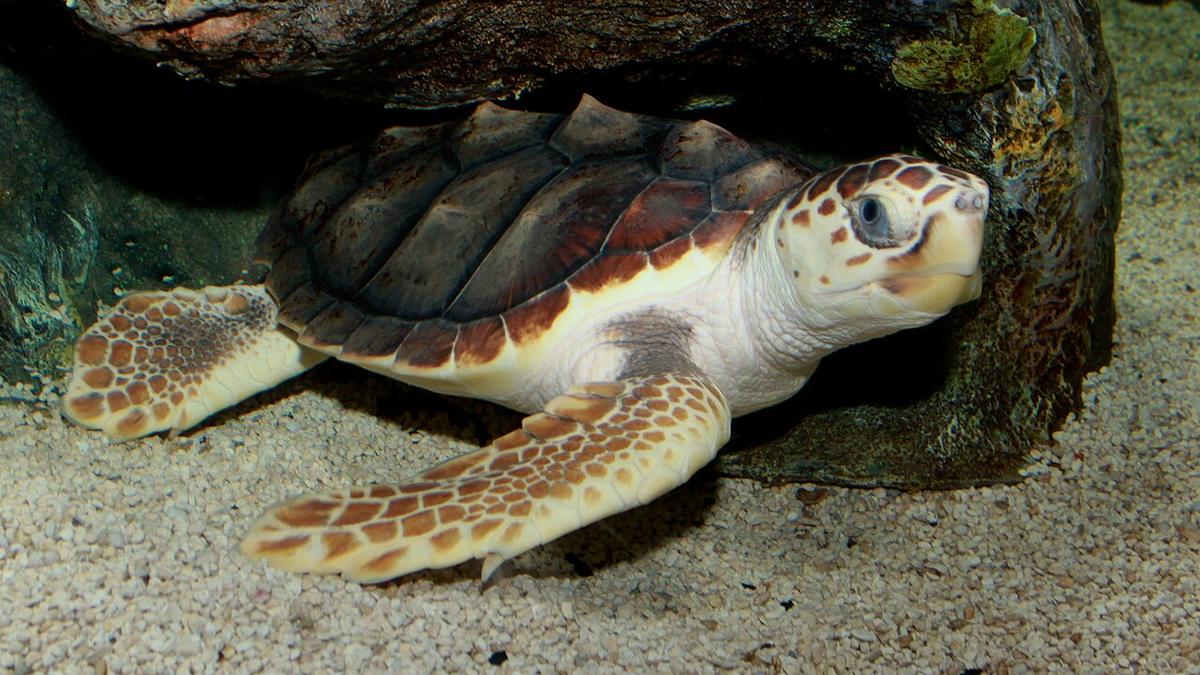
The loggerhead turtle (Caretta caretta) is an oceanic turtle belonging to the family Cheloniidae. It derives its name from its disproportionately large head, which houses powerful jaw muscles adapted for crushing hard-shelled prey.
Key Characteristics
- Size:
- World’s largest hard-shelled turtle
- Second-largest extant turtle after the leatherback sea turtle
- Lifespan: Can live for 80 years or more
- Navigation: Uses Earth’s geomagnetic field to navigate vast oceanic distances
- Diet: Omnivorous; primarily consumes bottom-dwelling invertebrates such as gastropods, bivalves, and decapods
- Habitat: Found both in open oceans and inshore ecosystems like bays, lagoons, salt marshes, and creeks
- Distribution: Atlantic, Indian, and Pacific Oceans, and the Mediterranean Sea
- Conservation Status: IUCN Red List – Vulnerable
Climate Change and Emerging Ecological Impacts
1. Altered Reproductive Patterns
- Loggerhead turtles exhibit temperature-dependent sex determination, where warmer sand temperatures produce more female hatchlings. Rising global temperatures are skewing sex ratios, potentially threatening long-term population stability.
- Additionally, warming seas are disrupting nesting timelines and hatchling survival rates, affecting recruitment into adult populations.
2. Changes in Migration Routes
- Loggerheads rely on geomagnetic cues to navigate across ocean basins. However, changing ocean currents and temperature gradients are altering traditional migratory pathways. Shifts in feeding grounds may force turtles to travel longer distances, increasing energy expenditure and exposure to threats such as fishing gear and marine pollution.
3. Impact on Body Size and Growth
- Studies suggest that declining prey availability linked to ocean warming and ecosystem shifts may be affecting growth rates and adult body size. Reduced food intake can influence reproductive success, as larger females generally produce more eggs.
Four-Pronged Threats
Climate change intensifies existing anthropogenic pressures:
- Rising Ocean Temperatures: Affect physiology, nesting, and food webs.
- Habitat Loss and Degradation: Coastal development and erosion reduce nesting beaches.
- Marine Pollution: Plastic debris and oil spills cause ingestion and entanglement.
- Bycatch in Fishing Gear: Accidental capture remains a major mortality factor.
Direct harvesting of turtles and eggs in some regions further compounds population decline.
Ecological Significance
- Loggerhead turtles play a crucial role in marine ecosystems by regulating populations of invertebrates and maintaining healthy benthic communities. Their decline can disrupt trophic balance and impact overall ocean biodiversity.
Conservation Imperatives
Addressing the challenges faced by loggerhead turtles requires:
- Strengthening marine protected areas
- Regulating coastal development
- Promoting climate mitigation strategies
- Reducing bycatch through turtle-excluder devices
- Enhancing global cooperation under marine conservation frameworks