
Securing India’s Critical National Infrastructure in the Age of Cyber Warfare
- 28 May 2026
In News:
India’s rapid digital transformation has significantly enhanced efficiency across sectors such as energy, transportation, banking, telecommunications, healthcare, and governance. However, the increasing integration of the Internet of Things (IoT), Artificial Intelligence (AI), Operational Technology (OT), and Information Technology (IT) networks has simultaneously expanded the country's vulnerability to cyber threats. As critical infrastructure becomes increasingly interconnected, protecting it has emerged as a key national security priority.
Understanding Critical National Infrastructure
Critical National Infrastructure (CNI) refers to the essential physical assets, digital systems, networks, and services whose disruption, destruction, or compromise would severely affect public safety, economic stability, governance, and national security. These systems form the backbone of a nation’s socio-economic functioning and therefore require the highest levels of protection.
India’s critical infrastructure spans multiple sectors:
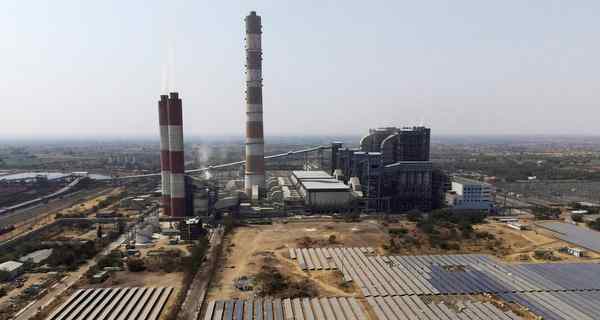
- Energy Sector: Power grids, thermal and nuclear plants, solar parks, load dispatch centres, and transmission networks.
- Transportation Systems: Air traffic control systems, railway signalling networks, ports, logistics hubs, and highway toll infrastructure.
- Banking and Financial Services: RBI-operated payment systems, NEFT, RTGS, stock exchanges, and banking servers.
- Telecommunications and IT: Data centres, satellite communication networks, cellular infrastructure, and undersea cable landing stations.
- Public Utilities and Essential Services: Water treatment plants, oil and gas pipeline networks, hospitals, and police communication systems.
Growing Cybersecurity Risks
Globally, cyberattacks targeting critical infrastructure sectors have increased dramatically, with attacks on energy and transport systems reportedly rising by over 140% in recent years. India’s expanding digital ecosystem faces similar challenges.
One of the biggest vulnerabilities arises from the convergence of IT, OT, and IoT systems. Industrial control systems that were once isolated are now connected to broader networks for monitoring and automation. While this improves operational efficiency, it also creates entry points for malicious actors. A breach in an IT network can potentially allow attackers to manipulate physical infrastructure such as power grids, industrial machinery, or pipeline valves.
Another challenge is the use of imported hardware and software components in sensitive sectors. Weak procurement standards and inadequate verification mechanisms may allow compromised or poorly secured equipment to enter critical networks. Additionally, many public sector entities continue to rely on basic compliance audits rather than advanced firmware-level security assessments, increasing exposure to hidden vulnerabilities.
The emergence of state-sponsored cyber warfare further complicates the threat landscape. Modern cyber conflicts increasingly target civilian infrastructure through malware, logic bombs, ransomware, and supply-chain attacks, with the objective of causing large-scale disruption without conventional military engagement.
India's Institutional Response
Recognising these risks, India has established a robust cybersecurity architecture.
The National Critical Information Infrastructure Protection Centre (NCIIPC), established under Section 70A of the Information Technology Act, serves as the nodal agency for protecting critical information infrastructure. It works alongside the Indian Computer Emergency Response Team (CERT-In), which handles incident response, threat monitoring, and cybersecurity advisories.
To strengthen telecom security, India has introduced the Trusted Telecom Portal, which mandates procurement of network equipment only from verified and trusted sources. The Standardisation Testing and Quality Certification (STQC) Directorate has also enhanced hardware testing mechanisms to detect hidden vulnerabilities in imported IoT devices, sensors, and surveillance equipment.
The Way Forward
As India moves towards becoming a digitally empowered economy, cybersecurity must be viewed as a strategic pillar of national security. Key priorities include adopting Zero-Trust Architecture, strengthening procurement standards, expanding STQC testing capacity, deploying AI-based threat detection systems, and conducting regular joint cyber defence exercises involving government agencies, armed forces, and private operators.
Conclusion
The future of India’s economic growth, governance, and national security increasingly depends on the resilience of its critical infrastructure. While digital technologies such as AI, IoT, and automation offer immense opportunities, they also create new vulnerabilities. Securing Critical National Infrastructure requires a comprehensive approach that combines technological safeguards, institutional preparedness, regulatory reforms, and continuous vigilance. In the emerging era of cyber warfare, protecting critical infrastructure is not merely an IT challenge but a fundamental requirement for safeguarding India's sovereignty and strategic interests.
The Costly Push for 100% Electrification of Indian Railways
- 19 Dec 2024
Introduction
RITES Ltd., the consultancy arm of the Indian Railways, has secured two contracts to repurpose six broad gauge diesel-electric locomotives for export to African railways. These locomotives, originally designed for India’s broad gauge of 1,676 mm, will be modified for use on railways with the narrower Cape Gauge of 1,067 mm. While this is a commendable re-engineering effort, it also highlights a larger issue within Indian Railways: the unnecessary redundancy of functional diesel locomotives, leading to significant wastage of resources.
The Growing Problem of Idle Diesel Locomotives
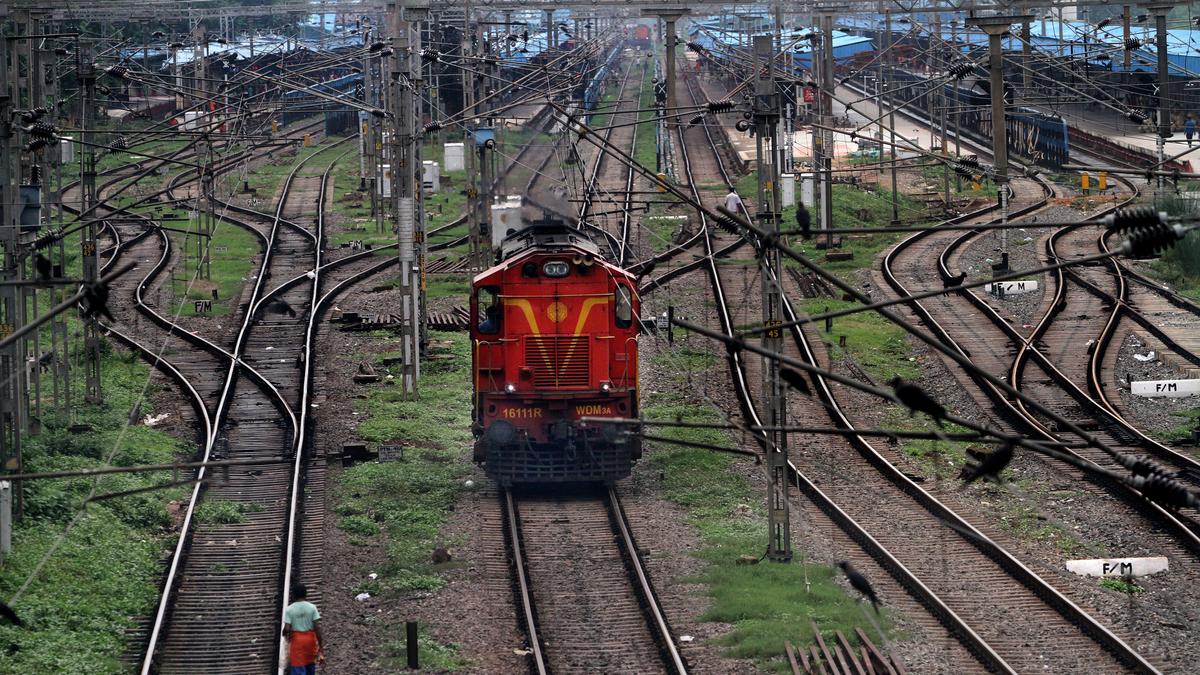
As of March 2023, there were 585 diesel locomotives idling across the Indian Railways network due to electrification. This number has now reportedly grown to 760 locomotives, many of which still have more than 15 years of serviceable life. The root cause of this redundancy lies in the government’s mission to electrify the entire broad gauge network at an accelerated pace. This electrification push has resulted in the premature retirement of locomotives that could still serve the network for years, raising questions about the economic and environmental logic behind this decision.
The Justification for Electrification: Foreign Exchange and Environmental Concerns
The Indian government’s electrification drive is often justified on two primary grounds: saving foreign exchange by reducing the import of crude oil and reducing environmental pollution. Additionally, electrification is framed as a step toward a “green railway” powered by renewable energy sources like solar and wind. However, the reality of these claims is more complicated.
Foreign Exchange Savings: A Small Impact on National Diesel Consumption
While electrification may reduce India’s diesel consumption, the impact on national fuel use is minimal. Railways account for just 2% of the country’s total diesel consumption. A report by AC Nielsen in 2014 indicated that the transport sector consumed 70% of the total diesel, with railways accounting for only 3.24%. Even with 100% electrification, the savings in foreign exchange would have little impact on the country’s overall diesel consumption, leaving other sectors like trucking and agriculture as the main contributors.
Environmental Concerns: Shifting Pollution, Not Reducing It
The environmental argument for electrification is also flawed. Electricity in India is still largely generated from coal-fired power plants, with nearly 50% of the country’s electricity coming from coal. Since the Indian Railways is heavily involved in transporting coal, switching from diesel to electric locomotives simply shifts pollution from the tracks to the power plants. This means that the transition to electric traction will not result in a cleaner environment unless the country significantly reduces its reliance on coal. Without a substantial increase in renewable energy generation, the push for a “green railway” remains unrealistic.
The Dilemma of Retaining Diesel Locomotives for Strategic Purposes
Despite the goal of 100% electrification, a significant number of diesel locomotives will remain in service. Reports indicate that 2,500 locomotives will be kept for “disaster management” and “strategic purposes,” although it is unclear why such a large fleet is necessary for these purposes. Additionally, about 1,000 locomotives will continue to operate for several more years to meet traffic commitments. This suggests that even with a fully electrified network, Indian Railways will continue to rely on thousands of diesel locomotives, many of which have substantial residual service life left.
Financial Sustainability and Coal Dependency
The financial sustainability of this transition remains a concern. Currently, the Indian Railways generates a significant portion of its freight revenue from transporting coal—40% of its total freight earnings in 2023-24. If the railways become fully electrified, it will need to find alternative revenue sources, as coal is a primary contributor. Until non-coal freight options can replace this income, the financial health of the railways may be at risk.
Conclusion: Wasted Resources and Unmet Goals
The mission to electrify the Indian Railways, while ambitious, is an example of how vanity projects can lead to colossal waste. Thousands of diesel locomotives are being discarded prematurely, despite their potential to continue serving the network. The environmental and financial justifications for 100% electrification, while appealing in theory, fail to account for the complexities of India’s energy landscape. As a result, the drive to create a “green railway” is likely to fall short, leaving behind a legacy of wasted taxpayer money and unfinished goals.