
Strengthening India’s Biosecurity Framework for Emerging Biothreats
- 20 Dec 2025
In News:
India’s biosecurity framework has come under renewed scrutiny amid expert warnings about rising biothreats driven by rapid advances in biotechnology, growing capacities of non-state actors, and gaps in institutional coordination. In an era where biology intersects with national security, public health, agriculture, and the environment, strengthening biosecurity has become a strategic imperative for India.
Understanding Biosecurity and Its Significance
Biosecurity refers to policies, practices, and systems designed to prevent the intentional misuse of biological agents, toxins, or technologies. It includes securing laboratories handling dangerous pathogens, preventing deliberate disease outbreaks, and protecting human, animal, and plant health. Biosecurity is distinct from biosafety, which focuses on preventing accidental exposure or release; however, robust biosafety mechanisms are foundational to effective biosecurity.
Evolution of Global Biosecurity Norms
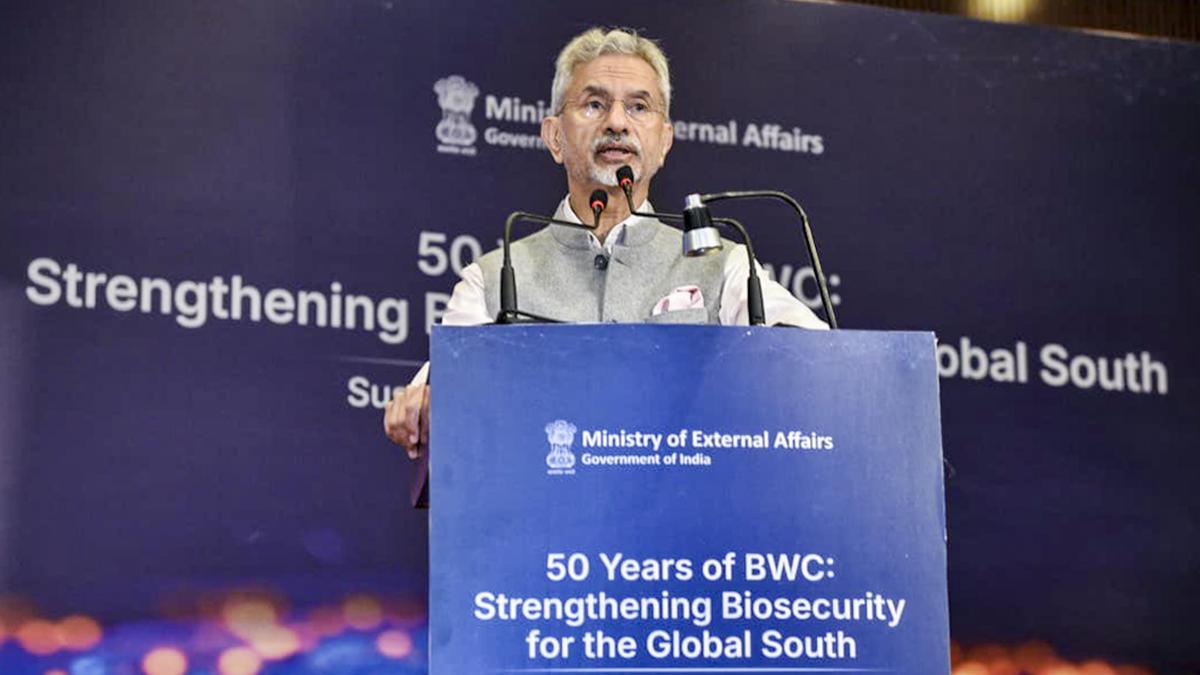
The adoption of the Biological Weapons Convention (1975) marked a milestone in prohibiting the development, stockpiling, and use of biological weapons. While it significantly reduced state-sponsored bioweapons programmes, emerging technologies such as gene editing, synthetic biology, and AI-enabled research have created new vulnerabilities, especially in the hands of non-state actors.
Why India Needs a Stronger Biosecurity System
India’s geographic and ecological diversity, long and porous borders, and high population density amplify the risks of biological threats. Any outbreak-natural or engineered, can spread rapidly. Further, India’s heavy dependence on agriculture means that a biological attack on crops or livestock could threaten food security and rural livelihoods. Recent incidents involving attempts to prepare biotoxins like ricin underscore the growing interest of terrorist groups in biological means. Simultaneously, advancements in biotechnology, while beneficial for health and industry, lower entry barriers for malicious misuse.
Existing Biosecurity Architecture
India’s biosecurity ecosystem involves multiple agencies: the Department of Biotechnology oversees research governance; the National Centre for Disease Control manages disease surveillance; the Department of Animal Husbandry and Dairying monitors livestock diseases; and the Plant Quarantine Organisation of India safeguards crop health. Legal backing is provided through the Environment (Protection) Act, 1986; the WMD and Delivery Systems Act, 2005; Biosafety Rules, 1989; and NDMA guidelines. Internationally, India is a signatory to the Biological Weapons Convention (BWC) and a member of the Australia Group.
Gaps and Challenges
Despite this multi-agency setup, India lacks a unified national biosecurity framework. Fragmentation leads to weak coordination, limited real-time surveillance, and delayed emergency responses. India’s ranking of 66th in theGlobal Health Security Index reflects declining preparedness in threat response. Outdated laws, inadequate high-containment laboratories, weak integration across human, animal, and environmental health sectors, and limited capacity to detect engineered threats remain key weaknesses.
Global Best Practices
Countries like the United States, the European Union, the United Kingdom, China, and Australia have adopted integrated biosecurity or biodefence strategies, modern regulations for gene synthesis, and strong “One Health” approaches. These highlight the value of centralised oversight, proactive monitoring, and legal frameworks aligned with emerging technologies.
Way Forward
India must establish a National Biosecurity Framework that integrates health, agriculture, environment, defence, and biotechnology sectors. Upgrading surveillance through genomic sequencing, microbial forensics, and AI-driven early warning systems is essential. Legal frameworks must be modernised to address synthetic biology and dual-use research. Finally, deeper international cooperation, data sharing, and crisis simulations will strengthen India’s preparedness against emerging biothreats.