
Summer Air Pollution in Indian Cities
- 07 Jun 2026
In News:
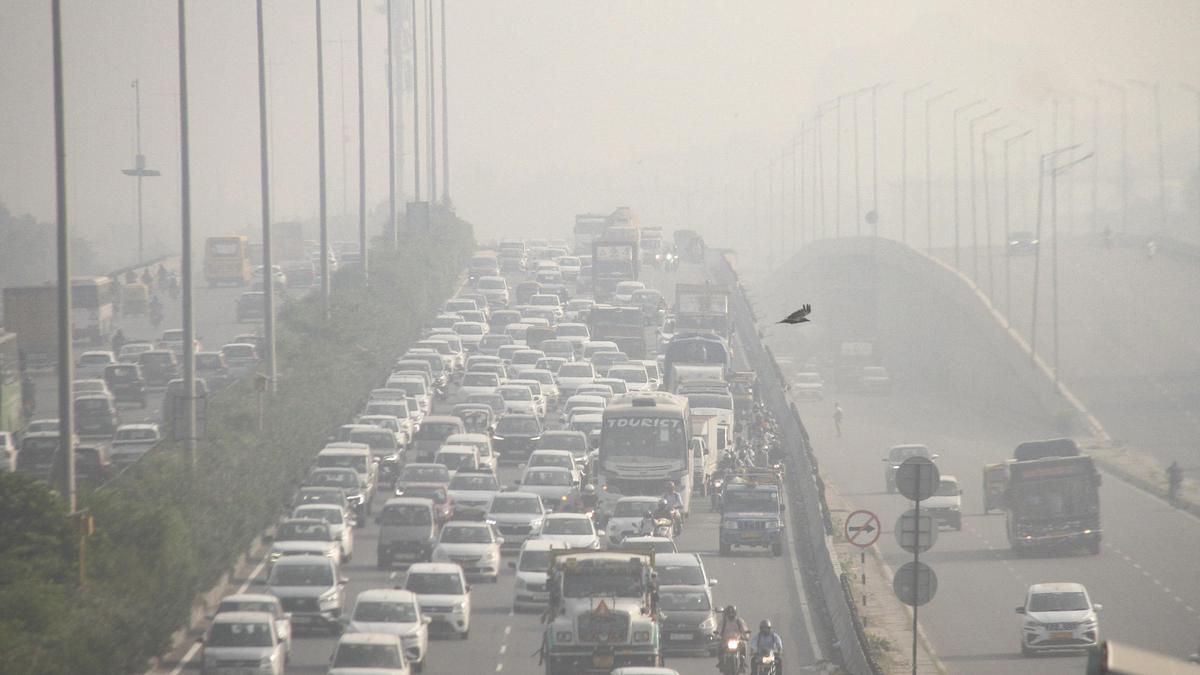
In May 2026, the Commission for Air Quality Management (CAQM) reimposed Stage-I GRAP (Graded Response Action Plan) restrictions in Delhi — a measure typically associated with winter — highlighting the growing and underappreciated challenge of summer air pollution in Indian cities.
Why Summer is No Longer Pollution-Free
1. Regional Dust Storms (Loo): Intense solar heating over the Indian subcontinent creates a vast low-pressure zone extending toward Iran and West Asia. This interacts with surrounding high-pressure systems to generate the loo — hot, dry, high-velocity winds that transport massive quantities of desert dust from the Thar Desert and the Arabian Peninsula across the Indo-Gangetic plains, causing dangerous PM10 spikes lasting several days.
2. Localised Thunderstorms (Andhi): High convective heat triggers sudden, violent local dust storms called andhi. Downward-moving cold air from summer thunderstorms violently lifts dry topsoil and sweeps it through urban areas. Coastal and southern cities like Mumbai and Hyderabad frequently experience summer pollution spikes from these events.
3. Accelerated Ground-Level Ozone (O?) Formation: Ground-level ozone is a secondary pollutant formed when Nitrogen Oxides (NOx) from vehicles and Volatile Organic Compounds (VOCs) from industries, paints, solvents, and fuel emissions react under strong sunlight. Intense summer heat acts as a thermal incubator for this photochemical reaction, causing dangerous ozone spikes during peak daylight hours.
4. Urban Heat Island (UHI) Effect: Unchecked expansion of concrete, loss of green cover, and shrinking urban wetlands trap solar radiation in cities, exacerbating temperature spikes and accelerating atmospheric chemistry that forms smog and ozone.
5. Resumption of Unregulated Construction: Winter GRAP restrictions are rolled back as summer begins. Without dust management controls — continuous water sprinkling, wind barriers, dust sheets — construction and demolition sites release massive coarse particulate matter into dry air.
6. Year-Round Anthropogenic Emissions: Vehicular exhaust, industrial emissions, and illegal burning of municipal solid waste provide a continuous baseline of particulate matter and precursor gases, amplified by summer heat.
Summer vs Winter Pollution: Key Differences
|
Feature |
Summer |
Winter |
|
Primary Pollutants |
PM10, Ground-level Ozone |
PM2.5, dense smog |
|
Meteorological Driver |
Heatwaves, dust storms, sunlight |
Temperature inversion, stagnant cold air |
|
Peak Severity |
Mid-day/hot afternoons |
Early mornings/late nights |
|
Major Sources |
Wind-blown dust, construction, photochemical reactions |
Stubble burning, biomass burning, trapped emissions |
What Cities Must Do
- Dedicated Summer Action Plans: Cities must move beyond winter-only frameworks and institutionalise year-round Summer Action Plans focusing on industrial emission tracking, anti-open-burning enforcement, and VOC controls for paints and solvents.
- Early Warning Systems: Tools like Delhi's Air Quality Early Warning System (AQEWS) — now extended to Mumbai and Jaipur — provide multi-day forecasts. Municipalities must use these for timely public health advisories.
- Active Construction Monitoring: Digital tools such as the BMC's Air Quality Decision Support System (AQDSS) have enabled enforcement actions against over 1,000 non-compliant construction sites since October 2025.
- Targeting Ozone Precursors: Reducing NOx and VOC emissions through cleaner transport, stricter industrial controls, and reduced vehicle idling is essential to curb ozone pollution.