
Strengthening Regulatory Governance
- 15 Nov 2025
In News:
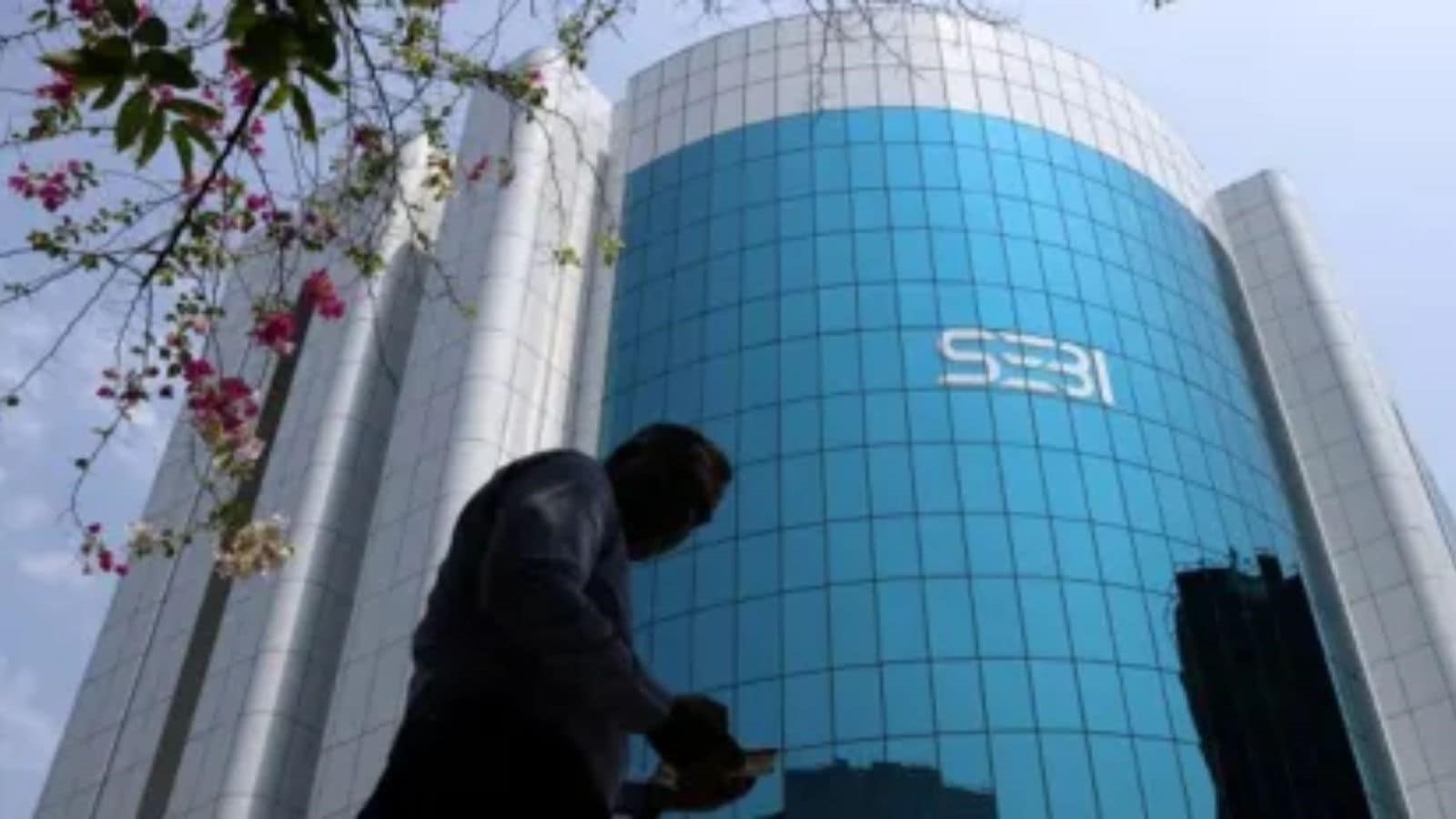
The Securities and Exchange Board of India (SEBI) has initiated a major reform process aimed at enhancing transparency, accountability, and ethical conduct within the organisation. In response to concerns over conflicts of interest and allegations involving former SEBI Chairperson Madhabi Puri Buch and offshore financial links—claims denied by the individuals involved—the regulator constituted a High-Level Committee (HLC) in March 2025. This six-member panel, led by former Chief Vigilance Commissioner Pratyush Sinha, has proposed a comprehensive set of ten recommendations intended to overhaul SEBI’s internal governance standards and align them with global best practices followed by regulatory bodies such as the U.S. Securities and Exchange Commission (SEC) and the European Securities and Markets Authority (ESMA).
A key recommendation of the HLC is the establishment of a multi-tier disclosure framework. The Chairperson, Whole-Time Members (WTMs), and senior officials at the level of Chief General Manager (CGM) and above would be required to publicly disclose their assets and liabilities, covering movable and immovable property, investments, and outstanding liabilities. All other employees would file internal disclosures detailing their financial interests, professional relationships, and connections with relatives as defined under the Companies Act, 2013. This framework aims to strengthen public confidence in the regulator’s independence and integrity.
Another critical reform area involves mandatory conflict-of-interest declarations at the time of appointment. Applicants for top SEBI positions must disclose actual, potential, or perceived conflicts of both financial and non-financial nature. Such early disclosures allow the appointing authority to assess ethical suitability and mitigate risks before onboarding senior personnel.
The committee also recommended stringent investment and trading restrictions for SEBI leadership and employees. New investments should be limited to professionally managed pooled funds regulated by Indian financial regulators. For existing investments held at the time of appointment or joining, senior officials must choose among four options: liquidation, freezing, sale through a pre-approved trading plan, or sale with prior SEBI approval. Further, the HLC has advised that the Chairperson and WTMs be classified as “insiders” under the SEBI (Prohibition of Insider Trading) Regulations, 2015, placing them under enhanced scrutiny and disclosure obligations.
To ensure consistency, the committee proposed a broader definition of ‘family’. The revised definition would include spouses, dependent children, individuals for whom officials are legal guardians, and persons related by blood or marriage who are substantially dependent on the employee. This harmonisation between the SEBI Code of Conduct (2008) and the SEBI Employees’ Service Regulations (2001) seeks to remove ambiguities in assessing indirect conflicts of interest.
The HLC also recommended a blanket ban on acceptance of gifts from entities that have or may have official dealings with SEBI. A structured recusal mechanism must be institutionalised, requiring officials to step aside from decision-making roles in matters where conflicts exist. An annual summary of recusals by top officials should be included in SEBI’s Annual Report to enhance transparency.
Finally, the committee proposed post-retirement restrictions, preventing former members and employees from representing parties before SEBI for two years after exit. It also advocated a secure, confidential, anonymous whistle-blower system open not just to employees but also to market intermediaries and the public, ensuring a broad-based mechanism to detect ethical breaches.
Once approved by the SEBI Board and the Ministry of Finance, these recommendations will be incorporated into SEBI’s revised Code of Conduct with prospective applicability. Collectively, these reforms aim to fortify regulatory governance, restore public trust, and uphold the autonomy and integrity of India’s capital markets ecosystem.