
150 years of Vande Mataram
- 12 Dec 2025
In News:
The commemoration of 150 years of Vande Mataram has revived discussion on its literary origins, nationalist role, and continuing political debate. The song occupies a unique position in India’s freedom struggle and constitutional history, symbolising patriotic devotion while also reflecting the complexities of cultural and religious diversity.
Origins and Literary Context
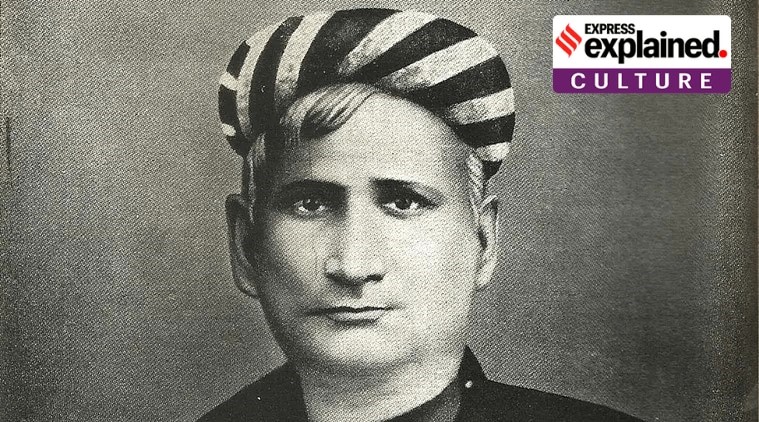
Vande Mataram was composed around 1875 by Bankim Chandra Chattopadhyay and later included in his novel Anandamath (1882). The novel, set against the backdrop of the late 18th-century Sanyasi resistance, portrays ascetic warriors (Santanas) devoted to liberating the motherland. The “Mother” symbolised the nation rather than a literal deity, represented through three images: the glorious past, the suffering present, and a rejuvenated future India. Thus, the song fused spiritual imagery with emerging anti-colonial nationalism.
Transformation into a Nationalist Symbol
By the early 20th century, Vande Mataram evolved from a literary hymn into a mass political slogan. It became central to the Swadeshi Movement after the 1905 Partition of Bengal, energising boycott campaigns and protest marches. Leaders such as Sri Aurobindo and Rabindranath Tagorepopularised it; Tagore famously sang it at the 1896 Calcutta session of the Indian National Congress. The British administration viewed the chant as seditious, often responding with bans, arrests, and repression—thereby enhancing its symbolic power as an expression of resistance.
Debates over Religious Imagery
Despite its unifying nationalist appeal, certain later stanzas invoked imagery associated with Hindu goddesses such as Durga, which some Muslim leaders considered exclusionary. In the 1930s, as the freedom movement sought broader communal unity, the Indian National Congress addressed these concerns. In 1937, the Congress Working Committee resolved that only the first two stanzasdeemed free from sectarian referenceswould be used at official gatherings. This compromise reflected the leadership’s attempt to balance cultural heritage with inclusive nationalism.
Constitutional Position
At the dawn of Independence, the Constituent Assembly faced the task of choosing national symbols. On 24 January 1950, Assembly President Rajendra Prasad announced that Jana Gana Mana would be the National Anthem, while Vande Mataram, owing to its historic role in the freedom struggle, would enjoy “equal honour and status.” This dual recognition sought to preserve unity while acknowledging the emotional and historical significance of the song.
Cultural Legacy
Musically, Vande Mataram has been rendered in various classical and modern forms, from early compositions by Jadunath Bhattacharya and performances by Tagore to orchestral, cinematic, and contemporary adaptations. Its continued presence in public life illustrates how national symbols evolve across generations while retaining core historical meaning.
Conclusion
Vande Mataram embodies the intersection of literature, nationalism, and constitutional values. Its journeyfrom a novelistic hymn to a freedom slogan and finally to a constitutionally honoured national songhighlights India’s effort to reconcile cultural memory with pluralism.