
Krishi Sakhi Initiative
- 20 Mar 2026
In News:
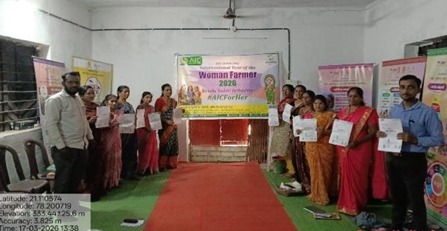
The Krishi Sakhi Initiative, launched by the Agriculture Insurance Company of India Limited (AIC), is a nationwide programme aimed at promoting gender-inclusive agricultural development. It focuses on empowering women farmers through awareness, capacity building, and improved access to crop insurance mechanisms, thereby strengthening their role in India’s agrarian economy.
About the Initiative
The initiative is designed to enhance participation of women farmers in agriculture and insurance systems while promoting a gender-sensitive development approach. It seeks to bridge information gaps and improve access to institutional support, ensuring that women farmers benefit from risk mitigation tools and agricultural schemes.
Key Features
1. Nationwide Awareness Campaigns (2026)
The programme includes structured, month-wise campaigns throughout 2026, involving activities such as community outreach, awareness videos, and walkathons. These ensure continuous engagement rather than one-time interventions.
2. Capacity Building and Training
The initiative emphasises grassroots-level workshops and training sessions, focusing on:
- Crop insurance schemes and benefits
- Agricultural risk management
- Financial literacy
This helps improve informed decision-making among women farmers.
3. Social and Behavioural Outreach
It integrates agriculture with broader development through campaigns on sanitation, hygiene, and rural awareness, thereby linking farm productivity with social well-being.
Significance
The initiative is crucial in recognising women as key stakeholders in agriculture, enhancing their decision-making capacity and visibility. It strengthens the penetration of crop insurance schemes such as Pradhan Mantri Fasal Bima Yojana (PMFBY), ensuring income stability and risk reduction. Additionally, it promotes inclusive rural development by targeting marginalised women farmers and linking agriculture with broader socio-economic outcomes.
Challenges
Despite its potential, the initiative faces challenges such as low awareness levels, socio-cultural barriers, and limitations in last-mile delivery mechanisms. The digital divide further restricts access to information and services among rural women.
Way Forward
To maximise impact, there is a need for convergence with schemes like PMFBY and National Rural Livelihood Mission (NRLM), greater involvement of Self-Help Groups (SHGs), and enhanced focus on digital and financial literacy. Strengthening implementation and monitoring mechanisms will be critical.
Conclusion
The Krishi Sakhi Initiative represents a progressive step towards inclusive and sustainable agriculture. By combining awareness, capacity building, and social outreach, it has the potential to transform women farmers into key drivers of rural transformation, contributing to agricultural resilience and economic growth.