
Reducing Human–Elephant Conflict
- 30 Aug 2026
In News:
The Ministry of Environment, Forest and Climate Change (MoEFCC), during the 23rd Steering Committee Meeting of Project Elephant, released a Regional Action Plan for Comprehensive Understanding and Management of Human–Elephant Conflict (HEC). The plan adopts a landscape-based approach that seeks to address the ecological drivers of conflict alongside human safety and livelihood concerns.
Understanding Human–Elephant Conflict
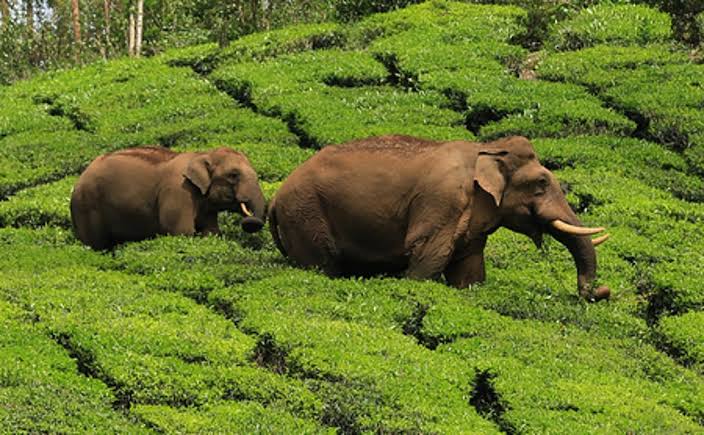
Human–Elephant Conflict refers to negative interactions between humans and elephants resulting in human deaths or injuries, elephant mortality, crop and property damage and livelihood losses. Increasing pressure on elephant habitats, fragmentation of corridors and changes in vegetation can bring elephants into closer contact with human settlements and agricultural areas.
Key Recommendations
1. Conflict-based landscape zoning:Elephant landscapes should be classified into Elephant Conservation Zones, Human–Elephant Co-existence Zones and Human–Elephant Management Zones, according to land use and conflict intensity. This allows differentiated interventions rather than a uniform approach.
2. Habitat restoration and invasive-species management:Core habitats should be strengthened through fodder enrichment, water augmentation and ecological restoration, thereby improving natural food availability and reducing elephant movement into farmlands. Invasive plant species that replace natural fodder should be controlled through mechanical removal and, where necessary, carefully regulated chemical or biological methods subject to ecological safeguards.
3. Protecting elephant corridors:Elephant movement routes and corridors require stronger protection through ecological assessment and landscape-level planning. Development activities in critical movement pathways should be assessed for their potential to intensify conflict.
4. Spatial risk assessment:Mapping conflict hotspots, elephant movement patterns and surrounding land use can help authorities identify high-risk locations and deploy preventive measures more efficiently.
5. Community-based management:Communities living around elephant habitats should be treated as partners in conservation. Local institutions need greater capacity for early warning, rapid response and conflict mitigation, while livelihood security and timely compensation remain important for building community support.
6. Targeted intervention in chronic conflict zones:In landscapes experiencing persistent conflict, measures such as translocation or rehabilitation of problematic elephants, supported by technology and adaptive management, may be considered where appropriate.
Way Forward
HEC cannot be addressed merely by driving elephants back into forests. A sustainable strategy requires habitat restoration corridor protection scientific risk mapping community participation targeted technology-based interventions. Conflict management must also be integrated into infrastructure and land-use planning.
Conclusion
The emerging approach marks a shift from reactive conflict control to preventive coexistence. Protecting elephant habitats and movement corridors while securing human livelihoods can simultaneously advance biodiversity conservation, ecological security and human welfare. The success of Project Elephant will ultimately depend on implementing such measures at the landscape and community level, rather than treating individual conflict incidents in isolation.