
Health Security and National Security Cess Bill, 2025
- 07 Dec 2025
In News:
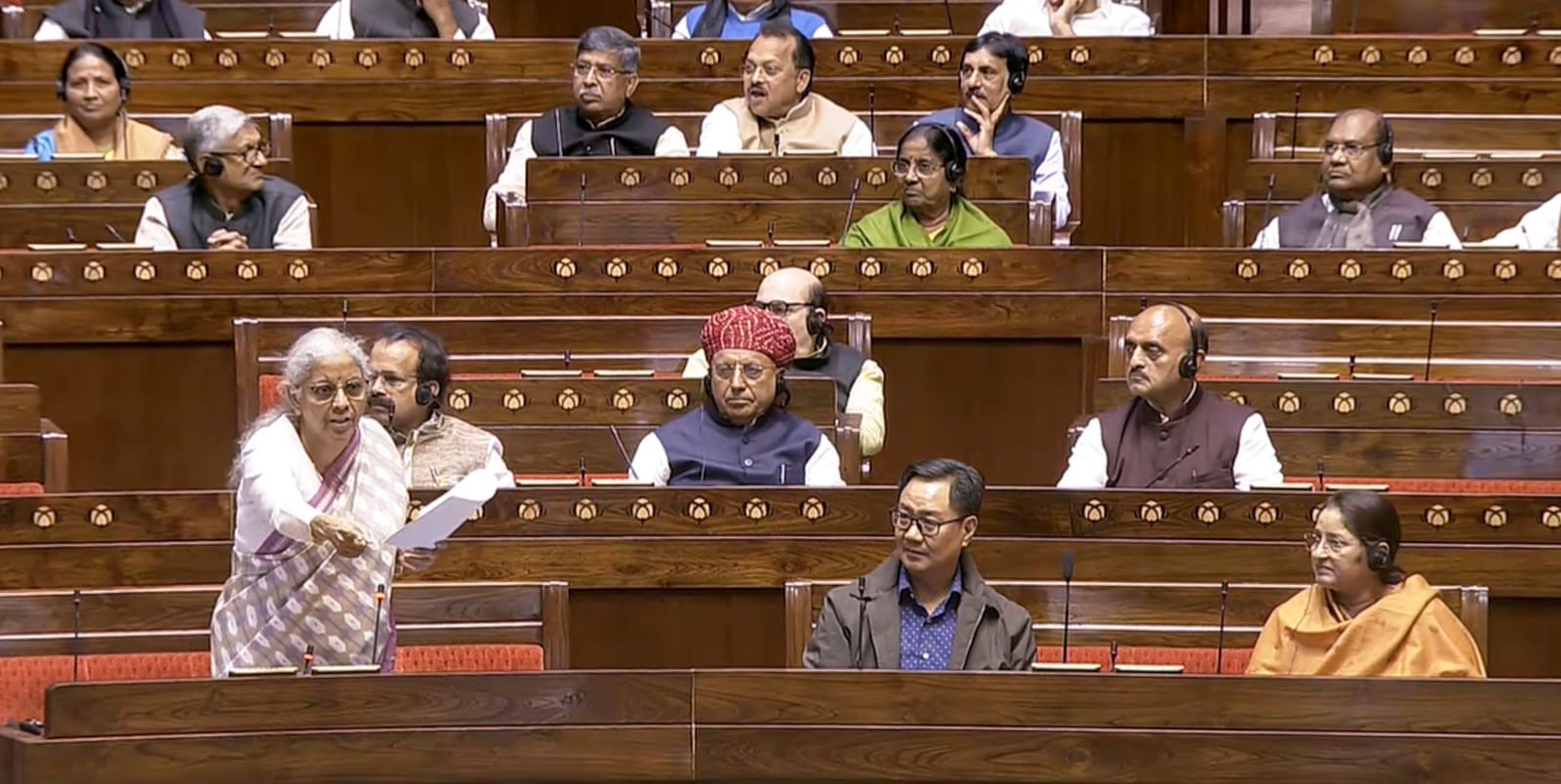
Parliament has passed the Health Security and National Security Cess Bill, 2025, introducing a new fiscal instrument aimed at generating dedicated resources for public health and national security. The cess will be imposed only on demerit goods such as pan masala and other notified products, and not on essential commodities.
Rationale Behind the Cess
The government argues that both public health and national security face rising fiscal pressures. Lifestyle-related diseases, particularly those linked to tobacco and similar products, impose heavy healthcare costs, while modern defence requirements involve capital-intensive investments in areas such as precision weaponry, autonomous systems, cyber and space capabilities.
By taxing demerit goods, the cess serves a dual objective:
- Deterrence – discouraging consumption of products harmful to health.
- Resource mobilisation – generating predictable funding streams for priority sectors.
This approach reflects the principle of “sin taxation”, where social costs of harmful goods are internalised through higher taxation.
Key Features of the Cess
1. Applicable Only on Demerit Goods: The cess will not affect essential household items. Goods such as pan masala, associated with high public health risks, are the primary targets.
2. Capacity-Based Levy: Unlike GST, which is consumption-based, this cess will be machine-linked and capacity-based, levied on manufacturing capacity rather than output. This system is intended to reduce tax evasion in sectors with historically weak compliance.
3. Revenue Sharing with States: A significant feature is that a portion of the cess proceeds will be shared with States, particularly for health-related schemes and awareness programmes. This is notable because traditional cesses are usually not shareable, raising earlier concerns about fiscal centralisation.
4. No Impact on GST Framework: The government clarified that the cess operates independently of the GST system. Pan masala, for instance, already attracts the highest GST slab (28%) along with compensation cess. The new cess will not alter GST revenue-sharing arrangements.
Support and Justifications
Supporters in Parliament argued that the cess ensures transparent utilisation of funds and aligns taxation with national priorities. By linking taxation to harmful goods, it seeks to create a healthier society while strengthening defence preparedness. The government emphasised that stable funding is essential in an era of rapidly evolving security threats.
Concerns and Criticisms
Opposition members raised several issues:
- Impact on MSMEs: Capacity-based taxation may burden small manufacturers with compliance costs.
- Fear of “Inspector Raj”: Increased inspections to assess production capacity could lead to bureaucratic overreach.
- Federalism Concerns: Critics described the growing use of cesses as “cessification of governance,” arguing it bypasses the divisible pool of taxes.
- Policy Effectiveness: Some MPs suggested that outright bans on harmful products might be more effective than taxation alone.
Conclusion
The Bill represents an innovative attempt to align fiscal policy with public health and national security objectives. While it signals a move toward targeted taxation and earmarked spending, its success will depend on transparent implementation, minimal compliance burden, and cooperative federalism. Balancing deterrence, revenue mobilisation, and ease of doing business will be key to ensuring that the cess achieves its intended social and strategic outcomes.