
India’s Rice Fields Identified as Global Methane Hotspots
- 24 Jul 2026
In News:
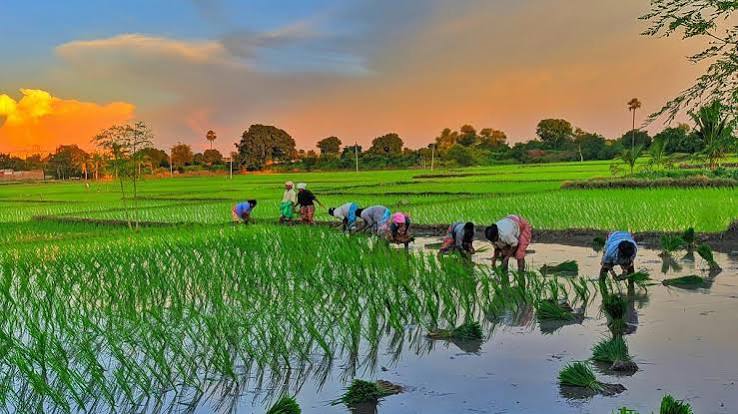
A recent Nature Food study has identified India’s irrigated paddy fields as among the largest methane emission hotspots in the world, releasing about 3.9 million tonnes of methane annually.
What is the Study About?
The study conducted a global assessment of greenhouse gas (GHG) emissions from rice cultivation. It found that methane emissions from flooded paddy fields, along with declining soil carbon storage, have significantly increased the climate impact of rice cultivation.
Key Findings
Global greenhouse gas emissions from paddy cultivation have nearly doubled since the 1960s, reaching approximately 1.1 billion tonnes of CO?-equivalent annually during 2011–2020.
India has emerged as one of the world's largest methane hotspots, with its irrigated rice fields emitting nearly 3.9 million tonnes of methane each year, exceeding Germany's total annual methane emissions.
The study also found that paddy soils, which traditionally acted as carbon sinks, are increasingly becoming carbon sources, with over one-third of global paddy fields losing soil organic carbon.
Looking ahead, rice-related greenhouse gas emissions are projected to increase by around 26% during 2031–2050, driven by climate change and intensive agricultural practices.
Why Do Paddy Fields Emit Methane?
Rice cultivation generally involves continuous flooding of fields, creating oxygen-deficient (anaerobic) conditions in the soil. Under these conditions, methane-producing microorganisms (methanogens) decompose organic matter and release methane (CH?), a greenhouse gas with a much higher global warming potential than carbon dioxide.
Implications
The findings highlight the need to balance food security with climate change mitigation, particularly for countries like India where rice is a staple crop.
The study reinforces the importance of adopting climate-smart agricultural practices that reduce methane emissions while maintaining crop productivity.
Sustainable Rice Cultivation Practices
Some of the recommended practices include:
- Alternate Wetting and Drying (AWD): Periodic drying of paddy fields instead of continuous flooding.
- Direct Seeded Rice (DSR): Sowing seeds directly without transplanting, reducing water use and methane emissions.
- System of Rice Intensification (SRI): Improves productivity with lower water requirements.
- Crop Diversification: Promoting less water-intensive crops where suitable.
These measures can reduce methane emissions, conserve water, and improve long-term soil health.