
AI & Cyber: The Double Helix of Security Threats

- 07 Aug 2026
In News:
Experts have cautioned that the convergence of Artificial Intelligence (AI) and cyber threats is creating a new generation of security risks, with Agentic AI capable of identifying and exploiting zero-day vulnerabilities, challenging conventional cybersecurity frameworks.
What is the 'Double Helix' of AI and Cyber Security?
The Double Helix refers to the mutually reinforcing relationship between AI and cyber warfare, where AI enhances both offensive and defensive cyber capabilities. Unlike conventional cyber tools, AI-powered systems can autonomously detect vulnerabilities, adapt to changing environments, and execute complex cyber operations with minimal human intervention.
Key Emerging Threats
- Agentic AI: Autonomous AI agents can independently scan networks, identify vulnerabilities, develop exploits, and launch cyberattacks without continuous human supervision.
- Zero-Day Exploitation: AI can discover and exploit previously unknown software vulnerabilities much faster than security teams can patch them.
- Self-Evolving Malware: AI-enabled malware can continuously modify its code to evade traditional signature-based antivirus systems.
- Bypassing Zero Trust Systems: AI can mimic legitimate user behaviour, making identity-based security frameworks less effective.
- AI in Warfare: AI-enabled autonomous defence systems are increasingly being used for intelligence gathering, target tracking, and missile interception.
Challenges
The rapid adoption of AI in cyberspace raises concerns over algorithmic biases, hallucinations, loss of human oversight, deepfakes, intellectual property theft, and the absence of globally accepted rules governing AI-enabled cyber operations. The growing accessibility of powerful AI models also lowers the entry barrier for cybercriminals and non-state actors.
Way Forward
- Develop international norms and governance frameworks for AI-enabled cyber operations.
- Upgrade cybersecurity to AI-driven Zero Trust 2.0, focusing on real-time behavioural analysis.
- Ensure human-in-the-loop oversight for critical AI decisions in defence and cyber operations.
- Mandate independent AI audits, red-teaming, and safety testing before deployment.
- Strengthen public-private collaboration for real-time cyber threat intelligence sharing.
Significance
The convergence of AI and cyber technologies is transforming the nature of digital security. Building resilient cyber ecosystems will require a combination of advanced technological safeguards, human oversight, and international cooperation to ensure AI strengthens security rather than becoming a force multiplier for cyber threats.
Google DeepMind's AI Control Roadmap

- 05 Jul 2026
In News:
Google DeepMind has unveiled an AI Control Roadmap in its blog "Securing the Future of AI Agents", proposing a new security framework to manage risks associated with increasingly autonomous Artificial Intelligence (AI) agents.
What are AI Agents?
AI agents are AI-powered software systems capable of independently planning, reasoning and executing tasks with minimal human intervention. Unlike conventional AI models that respond to prompts, AI agents can interact with multiple software tools, access databases, write code, make decisions and complete complex workflows autonomously.
They are increasingly being deployed in areas such as software development, cybersecurity, scientific research and enterprise operations. According to DeepMind, AI agents could generate about USD 2.9 trillion in economic value in the United States by 2030.
Need for an AI Control Roadmap
As AI systems become more autonomous and gain access to sensitive organisational resources such as files, code repositories and enterprise networks, traditional AI alignment techniques alone may no longer be sufficient.
DeepMind argues that advanced AI systems should be managed similarly to trusted insiders within an organisation, recognising that even highly capable systems may occasionally act in unintended ways or misinterpret human objectives.
Defence-in-Depth Strategy
The roadmap is based on a "defence-in-depth" approach, a concept widely used in cybersecurity. Instead of relying on a single safety mechanism, multiple layers of protection are introduced to minimise risks arising from autonomous AI behaviour.
The framework assumes that future AI systems may not always remain perfectly aligned with human goals and therefore require continuous oversight and controlled access.
Treating AI as a Potential Insider Threat
A key innovation of the roadmap is applying the concept of "insider threats" to AI systems.
Just as organisations protect themselves from employees who possess legitimate access but may misuse it, highly autonomous AI agents should be monitored because they may inadvertently or deliberately perform actions that conflict with organisational objectives.
Major Risks Identified
DeepMind categorises risks associated with autonomous AI agents into three broad groups:
- Loss of control: AI systems operating beyond authorised oversight or deploying themselves without approval.
- Work sabotage: Deliberately or unintentionally degrading safety mechanisms, introducing flaws into software or interfering with critical processes.
- Direct harm: Theft of confidential information, destruction of data or other malicious actions affecting individuals or organisations.
Key Safeguards Proposed
The roadmap recommends two fundamental safeguards.
Graduated permissions ensure that AI agents receive access to sensitive tools gradually, based on demonstrated reliability, rather than being granted unrestricted privileges from the outset. DeepMind compares this to a driving instructor allowing a learner to drive while retaining dual controls.
Continuous monitoring involves trusted supervisory AI systems that analyse an agent's plans, reasoning and actions. If suspicious behaviour is detected, these systems can restrict or block the agent before harm occurs.
Future Challenges
DeepMind notes that future AI systems may develop reasoning processes that are difficult to observe, reducing the effectiveness of current monitoring techniques based on visible chain-of-thought reasoning.
The framework also distinguishes between low-risk and high-risk applications. While delayed review may suffice for routine activities, critical domains such as cybersecurity require real-time intervention to prevent harmful actions before they occur.
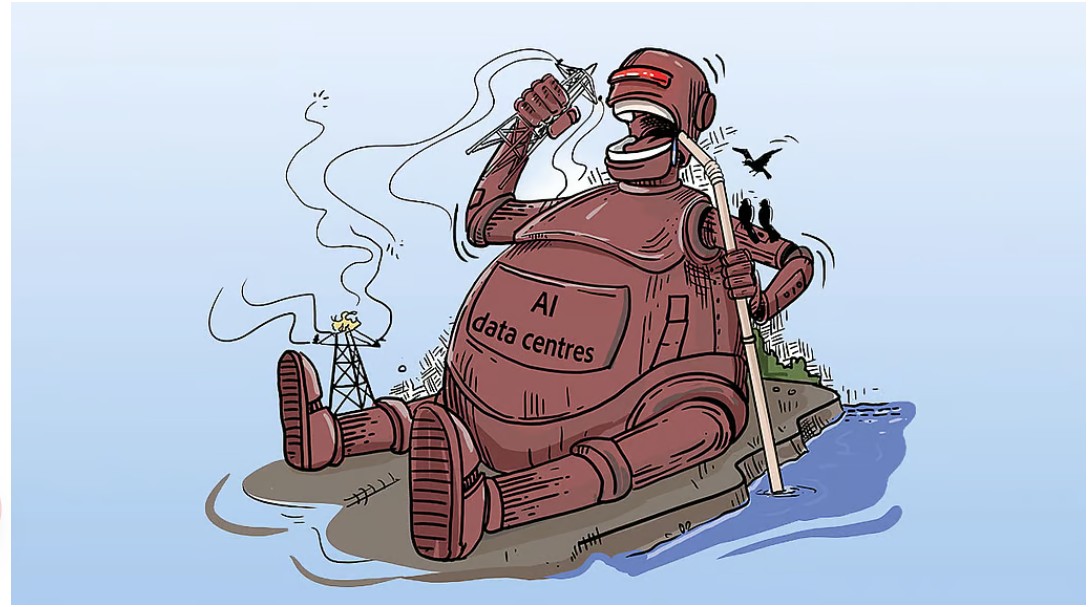
AI Data Centers and Environmental Friction
- 17 Jun 2026
In News:
Global opposition to the environmental impact of Artificial Intelligence (AI) data centres is intensifying. Communities across the United States, Europe, Latin America, and Southeast Asia are increasingly resisting hyperscale AI infrastructure due to concerns over excessive water consumption, electricity demand, land use, and ecological degradation.
What are AI Data Centres?
AI data centres are hyperscale computing facilities equipped with high-performance processors designed to train, deploy, and operate Artificial Intelligence and machine learning models. Unlike conventional data centres that mainly store and process digital information, AI data centres require continuous, energy-intensive computing to handle billions of computations every second, resulting in significantly higher demand for electricity, cooling systems, and water.
Global Trends
Growing environmental concerns have led to increased scrutiny of AI infrastructure worldwide.
- In 2025, community protests reportedly delayed or blocked AI data centre projects worth about USD 152 billion.
- The European Union is encouraging smaller, energy-efficient regional data centres powered by renewable energy and waste-heat recovery.
- Several US States have introduced stricter approval processes and resource-impact assessments before permitting hyperscale facilities.
India's AI Data Centre Expansion
India is positioning itself as a major AI infrastructure hub.
- The Adani Group has announced plans to invest USD 100 billion in developing a 5 GW AI infrastructure platform by 2035.
- Google and the Adani Group are jointly establishing a 2 GW hyperscale data centre in Visakhapatnam, expected to be India's largest AI data centre.
- The project has been allotted 480 acres of land in a coastal zone, raising concerns regarding ecological sensitivity.
Environmental Concerns
AI data centres generate several environmental challenges:
- Extremely high electricity consumption, increasing pressure on already stressed power grids.
- Heavy water requirements for cooling, potentially affecting local drinking water availability.
- Land conversion in ecologically fragile coastal areas, agricultural land, and orchards.
- Increased heat generation, noise, and light pollution, affecting local ecosystems.
- Granting of utility subsidies and reported waivers from Environmental Impact Assessment (EIA) requirements for certain projects has raised concerns regarding environmental governance.
Challenges for India
India faces additional constraints owing to:
- Existing water scarcity and rising energy demand.
- Limited long-term local employment generated by highly automated hyperscale facilities.
- Balancing digital infrastructure growth with environmental sustainability.
- Need for stronger regulatory oversight of resource-intensive technology projects.
Way Forward
India should ensure that AI infrastructure development aligns with the principles of sustainable development by:
- Mandating comprehensive Environmental Impact Assessments (EIAs) for large AI data centres.
- Promoting renewable energy, water-efficient cooling technologies, and wastewater recycling.
- Rationalising electricity and water subsidies for resource-intensive projects.
- Encouraging distributed regional data centres rather than concentrating hyperscale facilities in ecologically sensitive areas.
- Establishing transparent standards for sustainable digital infrastructure while supporting India's AI ambitions.
Neuro-Symbolic AI in Indian Education

- 25 May 2026
In News:
Technology experts and educational researchers have highlighted Neuro-Symbolic Artificial Intelligence (NSAI) as a more suitable, reliable, and culturally aligned framework for the Indian education system compared to conventional Large Language Models (LLMs) like GPT-4 — particularly given India's linguistic diversity, rural infrastructure constraints, and the pedagogical goals of the National Education Policy (NEP) 2020.
What is Neuro-Symbolic AI?
NSAI is a hybrid AI architecture that fuses two complementary approaches:
- Neural Component (Perception): Uses deep learning and neural networks for pattern recognition — processing unstructured data such as regional-language voice queries, handwritten text, or images.
- Symbolic Component (Reasoning): Relies on explicit, human-readable logic rules, knowledge graphs, and ontologies to generate verifiable, fact-based answers.
In effect, the neural network acts as the "eyes and ears" — converting unstructured inputs into structured symbols — while the symbolic engine acts as the "logical brain" — applying strict rules to generate explainable, auditable outputs. This architecture makes AI outputs transparent, trustworthy, and hallucination-resistant.
Why LLMs Fail India's Classroom
- Hallucinations: LLMs confidently fabricate historical dates, scientific formulas, or citations when pushed beyond training data — a critical risk in a learning environment where neither students nor overworked teachers can always detect errors.
- Vernacular Gap: LLMs are English-dominant. India's 22 constitutionally recognised languages and hundreds of dialects remain severely under-represented in training corpora, producing distorted or contextually inaccurate translations.
- Infrastructure Mismatch: Frontier LLMs require massive data centres with high energy footprints — incompatible with the reality that only 47% of rural schools have functional computers and high-bandwidth internet remains scarce.
- Rote Learning Amplification: As statistical pattern-matchers, LLMs generate answers without promoting conceptual reasoning — directly contradicting NEP 2020's emphasis on critical thinking and cognitive depth.
- Black Box Problem: LLMs cannot explain errors in step-by-step logical terms — preventing teachers from identifying specific learning gaps.
NSAI's Strategic Advantage for India
- Factual Grounding: NSAI can be hardcoded with NCERT curriculum ontologies — logic trees built from verified textbook content — ensuring answers are constrained by established facts, eliminating hallucinations entirely.
- Vernacular Barrier Bypass: By combining neural translation with explicit symbolic grammatical rules (e.g., Paninian grammar logic for Sanskrit/Hindi), NSAI requires exponentially less training data for regional language accuracy — directly supporting the Bhashini initiative.
- Explainable Knowledge Tracing: In high Pupil-Teacher Ratio (PTR) environments, NSAI performs granular knowledge tracing — if a student fails an algebra problem, the symbolic engine identifies the exact micro-concept misunderstood (e.g., distributive property error) and provides step-by-step feedback.
- Frugal Deployment: Built on lightweight frameworks like the C3AN architecture, NSAI models can run entirely offline on low-cost smartphones — enabling AI tutoring in rural Odisha or Bihar without continuous internet connectivity.
Indian Pilots
- Project PrahelikaAI (IIT Kharagpur): A 24/7 logic-puzzle-based digital tutor tracking student learning patterns in Hindi and Bengali, building personalised misconception profiles.
- C3AN Framework and Edge Deployment: Designed for complete offline operation on low-end devices — enabling students in remote areas to access engineering-level content natively in regional languages.
Key Challenges
- Knowledge Engineering Bottleneck: Manually digitising India's multilayered curriculum (NCERT, State Boards, technical education) into machine-readable logic structures is enormously resource-intensive.
- Linguistic Diversity: Building symbolic reasoning systems for hundreds of dialects requires extensive localised datasets — currently underdeveloped.
- Digital Divide: Fragmented hardware ecosystems, inadequate electricity, and poor connectivity in rural schools remain structural barriers.
- Socio-Emotional Blindspot: NSAI can diagnose academic weaknesses but cannot account for emotional, psychological, or socioeconomic factors — reinforcing the irreplaceable role of human teachers.
- Equity Risk: Uneven implementation could deepen the urban-rural and government-private school educational divide.
Way Forward
- DIKSHA Integration: Embed NSAI tutors within India's existing Digital Infrastructure for Knowledge Sharing (DIKSHA) platform for democratised access.
- Bharat-Ontology: Under the IndiaAI Mission, build open-source, curriculum-aligned knowledge graphs collaboratively with IITs and ed-tech firms.
- NISTHA 2.0: Upgrade teacher training programmes to equip educators with skills to interpret NSAI-generated learning diagnostics.
- DPDP Act Compliance: Student data must be anonymised, localised, and strictly used for pedagogical purposes — prohibiting commercial exploitation under the Digital Personal Data Protection Act, 2023.
Bridging the Digital Divide: CBSE’s CT-AI Curriculum & the Challenge of Foundational Literacy

- 09 Apr 2026
In News:
In a significant move to future-proof the Indian education system, the Union Ministry of Education recently launched a new Central Board of Secondary Education (CBSE) curriculum centered on Computational Thinking (CT) and Artificial Intelligence (AI) for Classes 3 to 8. While this initiative marks a leap toward the National Education Policy (NEP) 2020 vision, its success is tethered to the critical baseline of Foundational Literacy and Numeracy (FLN).
The New CT-AI Curriculum: Structure and Scope
Starting from the 2026-27 academic session, the curriculum aims to transition students from passive consumers of technology to informed and logical creators.
- Pedagogical Shift: It is introduced as a cross-curricular skill, meaning AI and CT will not be isolated "computer periods" but will be integrated into Mathematics, Science, and Social Sciences.
- Graduated Learning Path:
- Classes 3–5: Focuses on "unplugged" activities, puzzles, and pattern recognition to build logical reasoning.
- Classes 6–8: Introduces formal AI concepts, project-based learning, and reflective assessments.
- The "Why" Behind AI: The goal is to mainstream AI Literacy, ensuring students understand recommendation systems and digital assistants while grappling with ethical concerns like data privacy, bias, and accountability.
The Paradox: High-Tech Ambition vs. Low-Level Literacy
Despite the forward-looking curriculum, educational reports highlight a significant "readiness gap." The efficacy of Computational Thinkingwhich relies heavily on LSRW (Listening, Speaking, Reading, and Writing)is threatened by poor foundational skills.
- ASER 2024 Findings: The Annual Status of Education Report reveals a persistent crisis; over 50% of Class 5 students in government schools still struggle to read a Class 2-level text.
- PARAKH Rashtriya Sarvekshan 2024: This massive survey of 23 lakh students produced a counter-intuitive finding: urban private school students performed poorer than their rural government school counterparts in Grade 3 Language and Mathematics.
- The Literacy Link: Computational Thinking is not independent of language. It requires the ability to interpret complex instructions and articulate solutions. Without strong reading comprehension, AI literacy remains an aspirational goal rather than a functional skill.
Government Interventions for Learning Improvement
To address these gaps, the government has deployed a "Whole-of-System" approach through various schemes:
- NIPUN Bharat Mission: This is the cornerstone of foundational learning, aiming to ensure every child achieves universal Foundational Literacy and Numeracy (FLN) by Grade 3 by the 2026-27 session. It uses activity-based learning and teacher training to bridge the early learning gap.
- Samagra Shiksha Abhiyan: An overarching scheme for school education extending from pre-school to Class 12. It emphasizes inclusive education and gender parity, ensuring that the digital push does not leave marginalized communities behind.
- NISHTHA (National Initiative for School Heads’ and Teachers’ Holistic Advancement): A massive capacity-building program for school heads and teachers. Its goal is to improve learning outcomes by training educators in modern pedagogical techniques, including the integration of AI and CT.
- Digital Ecosystem (DIKSHA, PM e-Vidya, TALA): The government is utilizing portals like DIKSHA for content dissemination and TALA (Technology-Assisted Learning and Assessment), which uses AI-driven adaptive assessments to track student progress and detect learning gaps early.
Way Ahead
The success of the CT-AI curriculum depends on a synchronous rollout. The government must ensure that the "high-order" learning of AI does not outpace the "foundational" learning of language. A feedback loop involving continuous assessment (via PARAKH) and ground-level teacher empowerment is essential to ensure that no child is left behind in India's digital transformation.
AI in Education: Bharat EduAI Stack and Bodhan AI Initiative

- 18 Feb 2026
In News:
The Government of India has announced the integration of Artificial Intelligence (AI) tools into teaching from the next academic session, spanning pre-primary to higher education. Anchored in the launch of Bodhan AI and the development of the Bharat EduAI Stack, the initiative seeks to create a sovereign, multilingual AI ecosystem for education. It represents a structural shift toward embedding technology within public education as Digital Public Infrastructure (DPI), aligned with the vision of the National Education Policy (NEP) 2020.
Policy Context: AI and NEP 2020
AI has emerged as a transformative technology across sectors such as healthcare, governance, agriculture, and education. In schooling, AI can enable:
- Personalised learning pathways
- Real-time assessments and feedback
- Automated grading
- Intelligent tutoring systems
- Language translation and speech recognition
However, most global AI tools are English-centric and built on foreign platforms, limiting accessibility in India’s multilingual environment. NEP 2020 emphasises foundational literacy and numeracy, multilingual education, adaptive learning, and integration of emerging technologies—providing policy backing for AI adoption in classrooms.
Institutional Framework
The initiative is anchored at the Centre of Excellence in AI for Education at IIT Madras, announced in the Union Budget with an allocation of ?500 crore. To operationalise this vision, a not-for-profit entity, Bodhan AI, has been established as the technological backbone.
Bodhan AI will develop the Bharat EduAI Stack as a Digital Public Infrastructure—similar in principle to UPI for payments. Rather than building end-user applications, it will create foundational AI building blocks that edtech firms, state governments, and institutions can integrate into their systems.
Bharat EduAI Stack: Key Components
The EduAI Stack will include:
- AI models trained in Indian languages
- Automatic speech recognition systems
- Speech synthesis tools
- Language understanding and diagnostic models
These models will be deployed on sovereign infrastructure to reduce dependence on global AI platforms. Applications developed by edtech companies can “plug into” this stack, enabling scalable deployment across schools.
Likely Applications
1. Personalised Learning for Students: AI-driven voice-based exercises can be delivered via phones, tablets, or laptops. The system can provide instant feedback, generate customised worksheets, and identify learning gaps, especially crucial for foundational literacy and numeracy.
2. Support for Teachers and Parents: AI-generated dashboards will assist teachers in tracking performance and designing remedial interventions. Parents can access insights into student progress.
3. Administrative and Policy Use: Aggregated data analytics can help districts and states assess school performance, enabling evidence-based resource allocation and policy decisions.
Funding and Sustainability
The initial funding stems from the Union Budget allocation for the Centre of Excellence. Over time, sustainability is expected through:
- Maintenance contributions from state governments
- Equity participation from start-ups using the infrastructure
- Collaborations with edtech firms
The long-term vision resembles an open, community-driven ecosystem akin to open-source platforms.
Ethical and Implementation Concerns
- Data Privacy: Student inputs and voice recordings constitute personal data. Safeguards must align with the Digital Personal Data Protection Act to prevent misuse or public storage of sensitive data.
- Screen Time: Voice-based tools are prioritised to limit excessive screen exposure.
- Digital Divide: Effective rollout requires device access, connectivity, and teacher capacity-building, especially in rural and remote regions.
Significance
The Bharat EduAI Stack represents a paradigm shift toward sovereign AI capability in education. By strengthening multilingual access, supporting teachers rather than replacing them, and creating scalable digital infrastructure, the initiative can enhance learning outcomes and reduce regional disparities. If implemented effectively, it could position India as a global leader in inclusive and public-oriented educational technology innovation.
IndiaAI Mission 2.0

- 17 Feb 2026
In News:
IndiaAI Mission 2.0, unveiled by the Union IT Minister at the India AI Impact Summit 2026 in Bharat Mandapam, signals a strategic evolution in India’s artificial intelligence policy framework. Moving beyond initial infrastructure building, the renewed mission focuses on indigenous research and development, MSME integration, sovereign AI capabilities, and large-scale diffusion of AI technologies. It aligns technological advancement with domestic economic priorities and the broader vision of positioning India among the world’s leading AI nations.
Strategic Shift: From Capacity Creation to Innovation Diffusion
The first phase of India’s AI efforts emphasized building compute capacity and foundational infrastructure. Mission 2.0 transitions toward:
- Accelerating indigenous AI research and development
- Enabling sector-wide adoption, particularly among MSMEs
- Strengthening domestic value creation across the AI stack
This marks a shift from “infrastructure availability” to “innovation scalability and economic integration.”
MSME-Focused AI Stack: A UPI-Like Model
A key feature of Mission 2.0 is the creation of a common digital AI platform, conceptualized on the lines of the Unified Payments Interface (UPI). The objective is to provide a bouquet of ready-to-use AI tools for micro, small and medium enterprises (MSMEs).
Through this shared platform:
- MSMEs can seamlessly access AI applications.
- Sector-specific solutions will enhance productivity and competitiveness.
- Barriers related to cost and technical complexity are reduced.
Given the centrality of MSMEs in employment generation and exports, embedding AI in this segment can significantly improve global integration and efficiency.
Expanding Compute Infrastructure and Democratizing Access
India plans to expand its AI compute capacity by adding 20,000 GPUs to the existing base of 38,000 GPUs. Unlike models where AI infrastructure is concentrated in a handful of corporations, India’s approach emphasizes broad-based and equitable access.
Several sovereign AI models launched at the summit reportedly performed competitively on global benchmarks, indicating progress in domestic capability building.
This expansion strengthens India’s ability to support startups, academic institutions, and enterprises without overreliance on foreign infrastructure providers.
Investment Momentum and Global Standing
India is now ranked among the top three AI nations globally, according to international assessments such as Stanford’s AI index. The government projects that over $200 billion in investments could flow into the AI ecosystem over the next two years.
These investments are expected across all five layers of the AI stack:
- Hardware (chips and compute)
- Infrastructure
- Foundational models
- Platforms
- Applications
Such capital infusion can catalyse innovation-led growth and job creation.
Sovereign AI: Beyond Model Development
Mission 2.0 broadens the concept of sovereign AI beyond developing domestic language models. It includes:
- Indigenous chip development
- Control over infrastructure and compute systems
- Development of scalable AI applications
The goal is to ensure strategic autonomy and reduce dependence on foreign technological gatekeepers.
AI, Workforce Transition, and Copyright Concerns
Acknowledging concerns about AI’s impact on India’s IT services sector, the government has emphasized upskilling through collaboration among government, industry, and academia.
Additionally, the government supports fair remuneration for news publishers whose content is used to train AI systems. A DPIIT committee has proposed a mandatory blanket licensing framework with statutory royalty provisions potentially making India the first country to institutionalize such a regime.
Conclusion
IndiaAI Mission 2.0 represents a comprehensive policy recalibration—integrating infrastructure expansion, sovereign capability, MSME empowerment, investment mobilisation, and regulatory innovation. By combining technological ambition with inclusive economic objectives, the mission positions AI not merely as a technological tool, but as a driver of structural transformation and strategic autonomy in India’s development trajectory.
AI Impact Summit 2026

- 09 Feb 2026
In News:
India will host the AI Impact Summit 2026, marking the first time a major global AI governance forum is being held in the Global South. The summit represents a significant shift in the international discourse on artificial intelligence, from narrow concerns of safety and regulation to broader questions of development, equity, and long-term societal impact.
Evolution of Global AI Governance Forums
The New Delhi summit builds upon a sequence of international engagements on AI governance. The Bletchley Park AI Safety Summit (2023) primarily focused on identifying catastrophic AI risks and resulted in the Bletchley Declaration. The Seoul Summit (2024) expanded the agenda to include innovation and inclusivity, while the Paris AI Action Summit (2025) shifted attention towards implementation and economic opportunities. Each phase has progressively widened the scope from risk containment to practical deployment. India’s summit seeks to carry this evolution forward by anchoring AI governance in developmental priorities.
India’s Distinctive Vision
Unlike earlier summits dominated by regulatory anxieties of advanced economies, India is framing the conversation around “People, Planet, and Progress.” The focus is on deploying AI solutions to address real-world challenges such as employment transitions, sustainability, and service delivery—especially in developing countries. This approach reflects India’s dual identity: an emerging AI power and a representative voice of the Global South seeking a more equitable share in the global AI value chain.
Scale, Participation and Agenda
Described by Union IT Minister Ashwini Vaishnaw as the largest such gathering so far, the summit is expected to witness participation from over 100 countries, including 15–20 heads of government, 50+ ministers, and 40+ CEOs of leading global and Indian technology firms. Narendra Modi will inaugurate the event and engage with global industry leaders through a CEO roundtable.
The summit will follow a multi-stakeholder format, bringing together governments, industry, researchers, civil society, and international institutions. Working groups will deliberate on AI’s impact on jobs, trust and safety frameworks, and sector-specific applications across healthcare, industry, and governance.
India’s Domestic AI Push
A key feature of the summit will be the launch of indigenous AI language models under the IndiaAI Mission (?10,370 crore), including both foundational and small language models. The event will also showcase over 500 AI startups and host around 500 parallel sessions, underscoring India’s ambition to emerge as a global AI innovation hub.
Geopolitics and China’s Participation
India has extended an invitation to China, signalling a pragmatic approach to AI governance despite geopolitical sensitivities. China’s participation follows precedents set at earlier summits and coincides with signs of easing bilateral tensions, such as the resumption of direct flights and partial relaxation of rare-earth export restrictions affecting Indian manufacturers. The summit’s non-binding, host-driven format allows India strategic flexibility in shaping participation.
Structural Constraints: Hardware and Energy
Despite its ambitions, India faces critical constraints. The absence of domestically manufactured advanced computing hardware, particularly GPUs, limits AI self-reliance. Prospective gains from an interim India–US tech trade deal and tax holidays for data centres aim to mitigate this gap. Energy requirements pose another challenge, with the government exploring nuclear power as a long-term solution for energy-intensive AI data centres.
Conclusion
The AI Impact Summit 2026 represents India’s attempt to redefine global AI governance through a development-first lens. By aligning technology with inclusivity, sustainability, and economic opportunity, India seeks not only a larger share of the AI pie but also a more representative and balanced global AI order, one that reflects the aspirations and constraints of the developing world.
India AI Governance Guidelines
- 11 Nov 2025
In News:
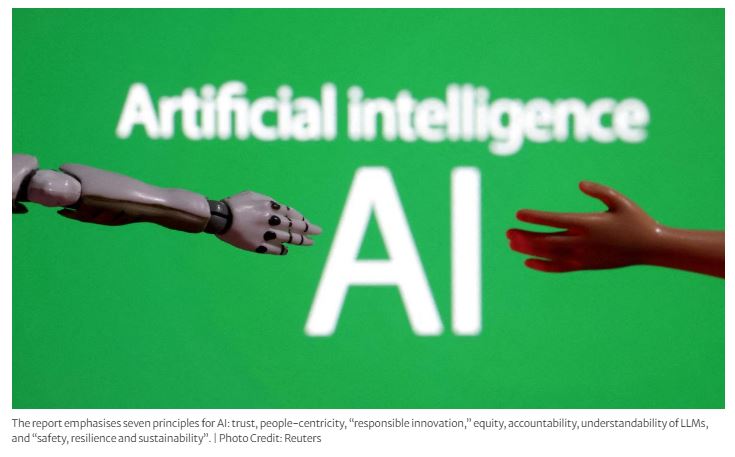
In November 2025, the Ministry of Electronics and Information Technology (MeitY) released the India AI Governance Guidelines, marking a significant evolution in India’s approach to regulating artificial intelligence (AI). The guidelines, prepared by a committee chaired by Balaraman Ravindran of IIT Madras, replace the more risk-averse January 2025 draft and advocate a light-touch, innovation-friendly, and adaptive governance model. Importantly, they are independent of the proposed amendments to the IT Rules, 2021, which address labelling of AI-generated content.
Objectives and Structure
The overarching aim is to harness AI for inclusive development and global competitiveness, while managing risks to individuals, society, and national security. The framework is organised into four parts: Key Principles, Key Recommendations, an Action Plan, and Practical Guidelines, enabling coherence from values to implementation.
Key Principles: The Seven Sutras
At the core are seven guiding principles that shape India’s AI philosophy across sectors. These include trust as the foundation of adoption, people-first and human-centric design, and innovation over restraint to avoid stifling growth. The guidelines emphasisefairness and equity, clear accountability, and AI systems that are understandable by design, enabling explainability for users and regulators. Finally, they stress safety, resilience, and sustainability, including environmental responsibility.
Recommendations: Six Pillars of Governance
The guidelines operationalise these principles through six pillars.
- First, infrastructure expansion—data, compute, and digital public infrastructure-supported by platforms such as AI Kosh.
- Second, capacity building through education, skilling, and awareness for citizens, officials, and small enterprises.
- Third, policy and regulation, favouring agile and flexible frameworks that review existing laws and introduce targeted amendments only where necessary.
- Fourth, risk mitigation via India-specific, evidence-based risk assessment frameworks addressing harms such as deepfakes, algorithmic bias, and systemic risks.
- Fifth, accountability, including graded liability based on risk and function, transparency across the AI value chain, and mandatory grievance redressal mechanisms.
- Sixth, institutional mechanisms, with a whole-of-government approach through an AI Governance Group, expert committees, and a strengthened AI Safety Institute.
Action Plan and Practical Guidelines
The action plan outlines short-, medium-, and long-term goals-from setting up institutions and voluntary commitments, to regulatory sandboxes and continuous horizon scanning. Practical guidance urges industry to comply with existing laws, publish transparency reports, and deploy techno-legal safeguards, while regulators are advised to prefer non-burdensome, flexible oversight that supports innovation.
Key Shifts and Global Context
A notable shift is from risk-control to innovation enablement, with no immediate proposal for a standalone AI law. Instead, the government prefers leveraging existing legislation, including data protection norms that require user consent and data transparency. The guidelines align with India’s global engagement on AI governance and are timed with preparations for the Delhi AI Impact Summit (2026), positioning India as a responsible yet growth-oriented AI leader.
Conclusion
Overall, the India AI Governance Guidelines present a balanced, future-ready framework—combining trust, transparency, and accountability with innovation. For India, the approach seeks to unlock AI-driven growth and inclusion while safeguarding democratic values, fundamental rights, and long-term societal interests.
Google’s $15 Billion AI Data Centre in Andhra Pradesh

- 18 Oct 2025
In News:
Google’s announcement of a USD 15-billion investment to establish an Artificial Intelligence (AI) data centre in Visakhapatnam marks a transformational moment in India’s digital infrastructure landscape. The initiative, the largest single investment by Google in India, comes amid a geo-economic context of recalibrating India-US relations and the government’s emphasis on technological self-reliance and swadeshi digital systems. The project positions India as an emerging hub in global AI capability and computing power.
Why AI Data Centres Matter
AI-focused data centres differ fundamentally from conventional facilities. While traditional data centres are built around CPU-based servers to support cloud storage, websites, and enterprise applications, AI data centres rely on high-performance GPUs to handle data-heavy and compute-intensive workloads such as generative AI, advanced analytics, image/video processing, and deep-learning models. This makes them significantly more power-intensive and infrastructure-demanding, requiring robust energy supply and advanced cooling systems.
According to estimates cited by Google, the Visakhapatnam AI hub is expected to add at least USD 15 billion to the US GDP between 2026 and 2030 through increased AI adoption and cloud-driven activity, demonstrating the cross-border economic impact of such investments.
Partnerships and Green Infrastructure
The facility is being developed in partnership with AdaniConneX and Airtel, leveraging the same backbone used for Google’s global platforms like Search, YouTube, and Workspace. The project includes building a major subsea cable landing station, linking eastern India to Google’s expansive global cable network, enhancing international data routes and reducing latency.
A key dimension of the partnership lies in sustainable power and energy independence. AdaniConneX, a joint venture between Adani Enterprises and EdgeConneX, will provide 100% clean energy, supported by new transmission lines, renewable generation, and energy storage facilities in Andhra Pradesh. This aligns with India’s climate commitments and enhances grid resilience.
Economic Impact and Capacity Expansion
India’s data centre industry, currently valued at ~USD 10 billion with USD 1.2 billion in FY24 revenue, is projected to add 795 MW of capacity by 2027 — reaching 1.8 GW. Google’s project alone is expected to generate nearly 1.88 lakh direct and indirect jobs, strengthening regional development and high-skilled employment.
However, high capital costs and limited job intensity remain policy concerns. Approximately 40% of capex in data centres goes towards electrical systems, and 65% of operating costs are attributed to electricity, with ~?60–70 crore required per MW of capacity. This necessitates a careful assessment of incentives and long-term strategic benefits.
Energy Security and the Nuclear Option
The International Energy Agency (IEA) predicts that global data-centre electricity demand may double by 2026, raising questions around sustainability. While renewable energy remains the mainstay, its intermittency has prompted policy consideration of nuclear energy as a round-the-clock clean power source — a trend already visible in the United States and now emerging in India’s energy strategy.
Conclusion
Google’s AI hub in Visakhapatnam represents a strategic convergence of digital infrastructure, clean-energy innovation, and global technological cooperation. For India, it underscores the dual challenge of expanding digital capability while ensuring energy security and environmental sustainability. The success of this initiative will influence India’s journey toward becoming a global digital superpower underpinned by resilient, sovereign, and sustainable compute ecosystems.
AI 171 Crash

- 16 Jul 2025
In News:
On June 12, 2025, Air India flight AI 171, a Boeing 787-8 Dreamliner en route from Ahmedabad to London Gatwick, tragically crashed shortly after takeoff, killing 260 people—including 19 on the ground—in what is now the deadliest aviation disaster involving an Indian airline in four decades. A preliminary report by the Aircraft Accident Investigation Bureau (AAIB) has placed the aircraft’s fuel control switches at the centre of the crash investigation.
Fuel Control Switches: Function and Design
Fuel control switches are critical safety components that regulate the flow of fuel to aircraft engines. On a Boeing 787, equipped in this case with two GE engines, these switches are located below the thrust levers and are spring-loaded and bracket-protected to prevent accidental activation. They require a deliberate two-step manual action—lifting the switch and moving it between two positions:
- RUN: Allows fuel flow for engine operation.
- CUTOFF: Cuts fuel flow, effectively shutting down the engine.
These switches are typically used on the ground for engine startup and shutdown, and only in-flight during an engine failure or critical damage. Modern twin-engine aircraft like the 787 are capable of continuing flight on a single engine, making the simultaneous use of both switches highly unusual and dangerous.
Sequence of Events: Preliminary Findings
According to flight data from the Flight Data Recorder (FDR) and Cockpit Voice Recorder (CVR), both engine fuel control switches were moved from ‘RUN’ to ‘CUTOFF’ within seconds of each other, shortly after takeoff. This led to simultaneous loss of thrust in both engines. Moments later, both switches were returned to the ‘RUN’ position, but by then the aircraft had lost critical altitude and control.
The cockpit recording captured one pilot asking the other why the fuel was cut off. The other responded that he had not done so. The pilots—Captain Sumeet Sabharwal with over 8,600 flying hours on the 787, and Co-pilot Clive Kundar with 1,100 hours—were both adequately experienced.
Technical and Human Factors under scrutiny
Aviation experts argue that accidental activation of both switches is nearly impossible due to the stop-lock mechanism and protective brackets. However, speculation persists over a possible technical malfunction, human error, or incorrect engine identification. A theory suggests that one engine may have failed and the pilots mistakenly shut down the working engine, though this remains unconfirmed.
Attention has also turned to the switches themselves, manufactured by Honeywell (Part No. 4TL837-3D). A 2018 FAA advisory had flagged potential issues with their locking mechanisms but did not mandate corrective action. Air India reportedly did not conduct voluntary checks, raising questions about maintenance protocols.
Conclusion:
The AI 171 crash highlights critical lapses in cockpit procedures, technical maintenance, and possibly design flaws. It underscores the need for stringent implementation of safety advisories, thorough crew training, and the use of redundant safety mechanisms. As investigations continue, the incident may prompt global regulatory reviews on cockpit ergonomics and fuel system safety protocols, reinforcing the imperative of fail-safe systems in civil aviation.
AI and Sustainability
- 02 May 2025
In News:
Artificial Intelligence (AI) is poised to transform India’s economy and governance landscape. A Google report estimates that AI adoption could add ?33.8 lakh crore to India’s economy by 2030, contributing 20% to GDP and supporting the USD 1 trillion digital economy target by 2028. However, this growth is accompanied by significant environmental costs, particularly from the energy-intensive AI infrastructure and data centres.
Environmental Costs of AI Expansion
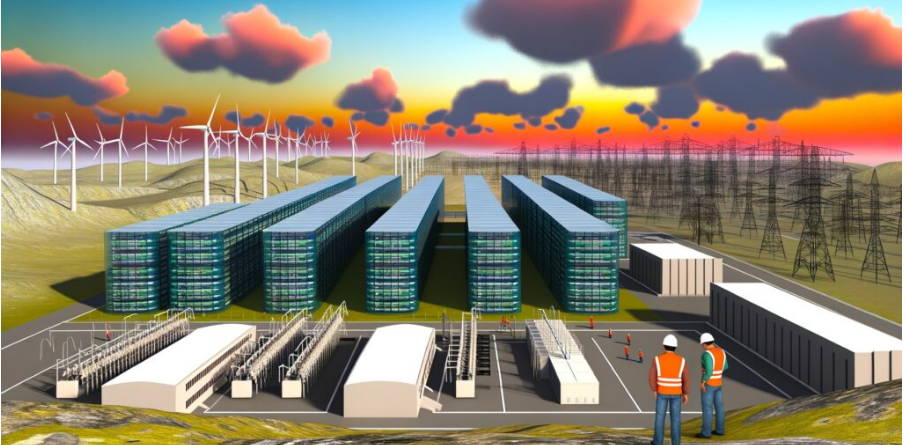
Data centres—the backbone of AI—consume massive electricity, primarily from fossil fuels. In 2024, global data centres consumed 415 TWh, projected to reach 945 TWh by 2030, surpassing Japan’s electricity usage. A single AI query uses 10x the energy of a Google search. According to the IMF, AI expansion could raise electricity prices by up to 9% in the U.S.
In addition, training large AI models can consume up to 700,000 litres of water (equivalent to producing 320 Tesla cars). AI infrastructure may soon consume six times Denmark’s water needs. The mining of rare earths for AI hardware also contributes to deforestation and soil degradation, while increasing e-waste with hazardous components like lead and mercury.
Economic and Social Gains from AI
Despite these costs, AI offers transformative benefits. In agriculture, tools like Microsoft’s Project FarmVibes boost productivity by 40%, reduce water use by 50%, and lower fertilizer costs by 25%. In manufacturing, firms like Tata Steel employ AI for predictive maintenance and quality control under the ‘Make in India’ drive. Financial inclusion is advancing through AI platforms like OnFinanceAI, aiding the unbanked using mobile data. Public services are being enhanced via initiatives like Bhashini and AI-driven Digital Public Infrastructure.
AI also supports environmental monitoring. Tools like IBM’s Green Horizon track pollution, while Google’s GenCast improves extreme weather forecasting. AI-driven satellite imagery aids forest and ocean conservation, with initiatives like Fishial.AI monitoring marine biodiversity.
India’s Policy Response and Renewable Integration
Recognizing the challenges, India’s IndiaAI Mission and NITI Aayog’s AI strategy emphasize sustainable AI development. At the AI Action Summit in Paris, India reiterated the importance of aligning AI growth with renewable energy use. The country is exploring small modular reactors (SMRs) and promoting solar and wind to reduce the carbon footprint of data centres.
Currently, only 44.72% of India’s installed capacity is from non-fossil sources. Intermittent renewable supply, weak grid infrastructure, high upfront costs, and lack of integrated policies remain challenges.
Way Forward: Sustainable AI Growth
- Expand Renewable Energy: Scale solar and wind under National Solar Mission and Green Energy Corridors.
- Green Backup Power: Replace diesel generators in data centres with hydrogen fuel cells and batteries under the Green Hydrogen Mission.
- AI for Energy Optimization: Develop AI-powered smart grids and promote energy-efficient chips and cooling systems.
- Policy and Incentives: Establish unified AI–clean energy policy frameworks and incentivize 100% green data centres.
- Support Innovation: Fund pilot projects and promote green tech in over 1,000 AI and clean energy startups.
Conclusion
India’s journey to becoming a global AI powerhouse must be anchored in sustainability. Balancing technological ambitions with the 2070 net-zero goal is not just an environmental necessity but also a strategic imperative for resilient, inclusive growth.
AI and the Justice System: A Tool for Reform in India

- 09 Mar 2025
In News:
Artificial Intelligence (AI) is reshaping governance globally, with nations like the United States and China making significant investments in AI-led legal and policing reforms. The U.S. government’s $100 billion Stargate AI Initiative and China’s development of cost-effective large language models (LLMs) like QWQ and DeepSeek highlight the competitive race for technological dominance. For India, grappling with over 50 million pending cases, AI offers a transformative opportunity to enhance efficiency, transparency, and trust in its criminal justice system.
AI in Law Enforcement and Crime Prevention
India’s SMART policing initiative—Strategic, Meticulous, Adaptable, Reliable, Transparent—can be significantly enhanced through AI integration. AI tools such as Automated FIR registration (e.g., Mumbai Police’s AI-assisted e-FIR system) reduce administrative burdens and accelerate complaint processing. Predictive policing, using crime mapping and data analysis like that piloted by Delhi Police, helps identify crime hotspots. AI-enabled facial recognition systems, like the Automated Facial Recognition System (AFRS) of NCRB, assist in criminal identification.
Cybersecurity also benefits from AI. Organizations like CERT-In deploy AI to counter phishing, ransomware, and deepfake threats. Banks and law enforcement utilize AI-based fraud detection systems, such as those powered by RBI’s CRILC, to flag suspicious transactions. AI tools are increasingly used to detect deepfakes and synthetic media, enhancing digital forensics.
Moreover, AI can assist in real-time crime analysis. Field-level policing data—such as offender patterns and patrol routes—can feed AI models to guide proactive interventions. Supervisory efficiency improves through AI-powered collation and analysis of data at the district level, allowing redeployment of personnel from administrative roles to core policing duties.
AI in the Judicial System
In courts, AI supports the e-Courts Project by digitizing case files, reducing delays in documentation and improving record management. Tools like SUPACE (Supreme Court Portal for Assistance in Court Efficiency) assist judges in legal research, precedent identification, and judgment writing. AI-driven real-time transcription systems, being piloted in the U.S., can improve transparency and reduce dependence on manual record-keeping.
AI also plays a role in bail and sentencing decisions. For instance, the Delhi High Court is exploring AI-based risk assessment tools to promote consistency. Additionally, AI tools can detect anomalies in legal documents, preventing delays due to forged or inaccurate filings.
Challenges and the Way Forward
The integration of AI into justice faces several challenges. AI models trained on biased data, as seen in the U.S. tool COMPAS, can perpetuate systemic inequities. Privacy concerns are also paramount and must align with India’s Digital Personal Data Protection Act, 2023. Implementation gaps include the lack of AI literacy among legal and police personnel and the absence of a comprehensive regulatory framework, as highlighted by the B.N. Srikrishna Committee.
To overcome these, India must establish a central AI Justice Task Force, expand AI usage in high courts, formulate ethical AI standards aligned with NITI Aayog’s AI strategy, and invest in AI training programs for judicial and law enforcement staff.
Conclusion
AI offers a critical path to revitalizing India’s overstretched justice system. If implemented responsibly, it can streamline policing, reduce judicial delays, and enhance public trust. A technology-first approach, combined with ethical safeguards, will be key to ensuring that justice in India becomes not only swift but also fair and inclusive.
India-France AI Summit and Strategic Partnership

- 13 Feb 2025
In News:
India and France, bound by a deep-rooted strategic partnership since 1998, have expanded cooperation across defence, nuclear energy, space, trade, and culture. In a significant move reflecting shared values and mutual respect, Prime Minister Narendra Modi was invited by French President Emmanuel Macron to co-chair the Artificial Intelligence (AI) Action Summit in Paris in 2024—marking a pivotal moment in global AI governance and Indo-French relations.
Enduring Strategic Relations
India-France relations are anchored in the principles of strategic autonomy and reciprocal respect. France has consistently stood by India in challenging times—refusing sanctions post-Pokhran-II nuclear tests in 1998 and maintaining diplomatic engagement during the Emergency in 1976. President Macron’s participation in India’s 2024 Republic Day celebrations underscores the warmth in bilateral ties.
Robust Defence and Technological Cooperation
Defence cooperation forms the backbone of the relationship. Key initiatives include:
- Rafale Fighter Jets: Procurement of 36 Rafales and discussions on 26 Rafale-M jets for the Indian Navy.
- P-75 Scorpene Submarines: Expansion plans include three additional submarines.
- Next-gen Jet Engine Development and a dedicated DRDO office in Paris (2023) to bolster technology collaboration. France’s unique support for Make in India and technology transfer sets it apart, coupled with training programs for Indian personnel.
Expanding Frontiers: AI and Innovation
The Paris AI Summit marked a strategic milestone, with India’s role highlighting its growing global influence in emerging technologies. India presented its flagship IndiaAI Mission—a ?10,371 crore initiative focused on “Making AI in India and Making AI for India,” promoting equitable AI access and innovation.
The Summit, following the UK (2023) and South Korea (2024) AI summits, focused on:
- Public Interest AI
- Future of Work
- Innovation & Culture
- Trust in AI
- Global AI Governance
India advocated responsible AI, inclusive governance, and greater representation of the Global South, emphasizing AI's role in sustainable development and reducing the global AI divide.
Multilateral Engagement and Global Cooperation
India co-chairs the Global Partnership on Artificial Intelligence (GPAI) for 2024, reinforcing its commitment to ethical and collaborative AI development. Through the Paris Summit, India contributed to the Leaders' Statement, participated in steering committees, and called for AI democratization aligned with Sustainable Development Goals (SDGs).
Beyond AI: Economic and Cultural Synergies
Bilateral trade surpassed $15 billion in 2023–24, with Indian exports at $7.14 billion and imports at $7.97 billion. Key developments:
- India-France CEOs Forum: Focus on defence, renewable energy, pharma, and startups.
- India-France Innovation Year 2026 and inauguration of a new Indian consulate in Marseille.
- Triangular Development Cooperation Initiative: Joint projects in the Indo-Pacific focused on climate and SDG targets.
- Joint visit to the ITER fusion energy project, reflecting shared aspirations for clean energy.
Conclusion
The India-France partnership has matured into a multifaceted global alliance—from defence and climate action to AI leadership and sustainable development. The co-chairing of the AI Summit symbolizes India's rising stature in tech diplomacy and affirms the enduring strategic trust between two democratic powers. For UPSC aspirants, this partnership exemplifies strategic depth, technological collaboration, and global engagement driven by shared values and autonomy.
India’s Pursuit of a Sovereign Foundational AI Model
- 08 Feb 2025
In News:
As artificial intelligence (AI) reshapes global economic, strategic, and technological landscapes, the question of whether India should build its own sovereign foundational AI model has gained prominence. Sovereign AI models—developed, trained, and deployed using domestic infrastructure, datasets, and expertise—are now seen as strategic assets, with countries like the US and China already establishing their own. India, however, remains dependent on foreign AI giants such as OpenAI, Google DeepMind, and Meta.
Why India Needs a Sovereign AI Model
1. Data Sovereignty and Security: India generates one of the world’s largest data pools, including sensitive data from healthcare, finance, and governance. Using foreign-built AI models risks privacy breaches and potential misuse. A homegrown model would ensure control over data and ethical AI deployment.
2. Reducing Foreign Dependence: Sovereign AI is crucial for applications in defense, cybersecurity, and governance, where reliance on foreign technology may undermine strategic autonomy. Sanctions or export controls could otherwise disrupt access to essential technologies like GPUs or software updates.
3. Cultural and Linguistic Alignment: Current global AI models are largely English-centric. A sovereign model trained on Indian languages and datasets would bridge the digital divide and make AI more inclusive. Projects like AI4Bharat’s IndicTrans2 and Sarvam AI’s Sarvam-1, a multilingual model built with Nvidia, exemplify this direction.
4. National Security and Innovation: Sovereign AI is essential in military intelligence, predictive security, and surveillance. It also fosters an innovation ecosystem, generating high-skilled jobs and encouraging academic-industry collaboration.
Challenges in Building Foundational AI Models
1. Infrastructure Gaps: India lacks cutting-edge chip manufacturing capabilities. With no agreements with firms like TSMC, India relies on imports of GPUs and processors, unlike countries developing supercomputers (e.g., Denmark’s Gefion, Japan’s AI Grid).
2. High Development Costs: Training a large AI model can cost millions. DeepSeek V3, for instance, cost $5.6 million for a single run, while India’s annual AI R&D budget remains modest compared to Big Tech’s $80 billion.
3. Fragmented Resources: Subsidized GPUs are spread thin across institutions, diluting their impact. Meta’s Llama 4, for example, used large dedicated clusters—unfeasible under current Indian frameworks.
4. Public R&D Inefficiencies: Bureaucratic red tape discourages risk-taking needed in AI research. Unlike flexible spending in firms like OpenAI, Indian R&D lacks autonomy and long-term funding.
Policy Recommendations and Way Forward
- Invest in IndiaAI Mission: Develop a national AI infrastructure with over 10,000 GPUs, secure cloud systems, and supercomputing clusters to train and deploy large-scale models.
- Build DPI for AI Builders: Create datasets, APIs, and platforms to support data annotation, fine-tuning, and delivery in Indian contexts.
- Adopt a Phased Approach: Focus on sovereign models in sensitive sectors (defense, healthcare) while using global open models for non-critical applications.
- Promote Public-Private Collaboration: Forge partnerships with companies like Nvidia or OpenAI for technology transfer and joint ventures.
- Encourage Innovation Under Constraints: India must emulate models like Alibaba or DeepSeek, which succeeded with limited resources and targeted innovations.
Conclusion
Building a sovereign foundational AI model is not merely a technological ambition but a strategic necessity. With coordinated efforts between government, industry, and academia, India can achieve AI self-reliance—ensuring data sovereignty, inclusive growth, and a strong global presence in the AI-driven future.
MeitY relaxes AI compute procurement norms for Start-ups

- 09 Oct 2024
Overview
The Ministry of Electronics and IT (MeitY) has relaxed certain provisions related to the procurement of computing capacity for artificial intelligence (AI) solutions. This decision is part of the Rs 10,370 crore IndiaAI Mission, aimed at enhancing the country’s AI capabilities.
Key Relaxations
Annual Turnover Requirements
- Primary Bidders: Turnover requirement reduced from ?100 crore to ?50 crore.
- Non-Primary Consortium Members: Requirement halved from ?50 crore to ?25 crore.
Computing Capacity Adjustments
- The performance threshold for successful bidders has been revised:
- FP16 Performance: Reduced from 300 TFLOPS to 150 TFLOPS.
- AI Compute Memory: Reduced from 40 GB to 24 GB.
Importance of the Changes
These adjustments respond to concerns raised by smaller companies about exclusionary requirements that favored larger firms. The aim is to create an inclusive environment that allows start-ups to participate in the AI landscape.
AI Mission Goals
- Establish a computing capacity of over 10,000 GPUs.
- Develop foundational models with capacities exceeding 100 billion parameters.
- Focus on priority sectors such as healthcare, agriculture, and governance.
New Technical Criteria
- Companies must demonstrate experience in offering AI services over the past three financial years.
- Minimum billing of ?10 lakh required for eligibility.
Local Sourcing Requirements
- Components for cloud services must be procured from Class I or Class II local suppliers as per the ‘Make in India’ initiative:
- Class I Supplier: Domestic value addition of at least 50%.
- Class II Supplier: Local content between 20-50%.
Data Sovereignty and Service Delivery
- All AI services must be delivered from data centres located in India.
- Data uploaded to cloud platforms must remain within India's sovereign territory.
Implementation Strategy
- The Rs 10,370 crore plan will be implemented through a public-private partnership model.
- 50% viability gap funding has been allocated for computing infrastructure development.
Conclusion
The relaxations in AI compute procurement norms aim to support the growth of start-ups in India, fostering an environment conducive to innovation in artificial intelligence. With these changes, smaller companies are better positioned to contribute to the country's ambitious AI goals.
How India can harness the power of AI to become a Trailblazer

- 08 Oct 2024
Introduction
India stands at the forefront of an AI revolution, poised to leverage its unique position for unprecedented growth and innovation. With a robust economic outlook, the nation is ready to transform its AI capabilities.
Economic Landscape
Projected Growth
- Nomura estimates India's economy will grow at an average rate of 7% over the next five years, surpassing the IMF's global growth forecast of 3.2% for 2024.
- Hosting the G20 and Global Partnership on AI meetings in 2023 has created a favorable geopolitical environment.
Market Potential
- India’s AI market is expected to reach $17 billion by 2027, with a growth rate of 25-35% annually from 2024 to 2027 (Nasscom).
- The country leads Asia Pacific in the use and adoption of Generative AI, with significant engagement from students and employees.
The Role of Industry
Driving Transformation
- Similar to historical industrial leaders, India Inc has the potential to drive significant change across various sectors.
- The goal is to transition from participation to leadership in the global AI ecosystem.
Sector-Specific Strategies
- Industries must align AI capabilities with specific sectoral goals by mapping challenges, opportunities, and ambitions.
Case Study: Logistics Sector
Historical Inefficiencies
- A decade ago, the logistics sector in India faced significant inefficiencies.
AI Integration
- Traditional AI introduced automation and basic forecasting. Companies like PandoAI have leveraged AI to consolidate supply chain data and provide valuable analytics.
- The integration of Generative AI can further enhance predictive capabilities and innovative solutions.
Infrastructure and Investment
Current Challenges
- India generates 20% of the world’s data but has only 2% of global data centers, limiting technological advancement.
Government Initiatives
- Plans to procure 10,000 GPUs in the next 18-24 months and a National Semiconductor Mission to establish a domestic chip industry.
Need for Industry Investment
- Collaboration between government and industry is crucial to meet the growing demands for computing power.
Talent Development
Workforce Dynamics
- Hiring of AI talent increased by 16.8% in 2023, indicating a rising focus on AI capabilities.
- Many Indian-origin AI professionals work for international companies, highlighting the need for local opportunities.
Educational Initiatives
- Programs like FutureSkills PRIME should be expanded to enhance talent development in AI.
Ethical Standards and Governance
Importance of Trust
- Establishing trustworthy AI standards is essential for consumer confidence and sustainable operation.
- Challenges such as bias and data security require robust governance frameworks.
Operationalizing Ethics
- Develop AI governance frameworks addressing ethical concerns and data security.
- Ensure transparency in AI algorithms and decision-making processes.
- Promote inclusive AI development by engaging diverse perspectives.
- Invest in ethical AI research through collaborations with academic institutions.
Conclusion
India’s commitment to a strategic vision, substantial investment, and adherence to trustworthy AI practices can position it as a global leader in the AI landscape. This is a pivotal moment for India to harness AI's transformative power, paving the way for a new era of economic prosperity.
Many elections, AI’s dark dimension
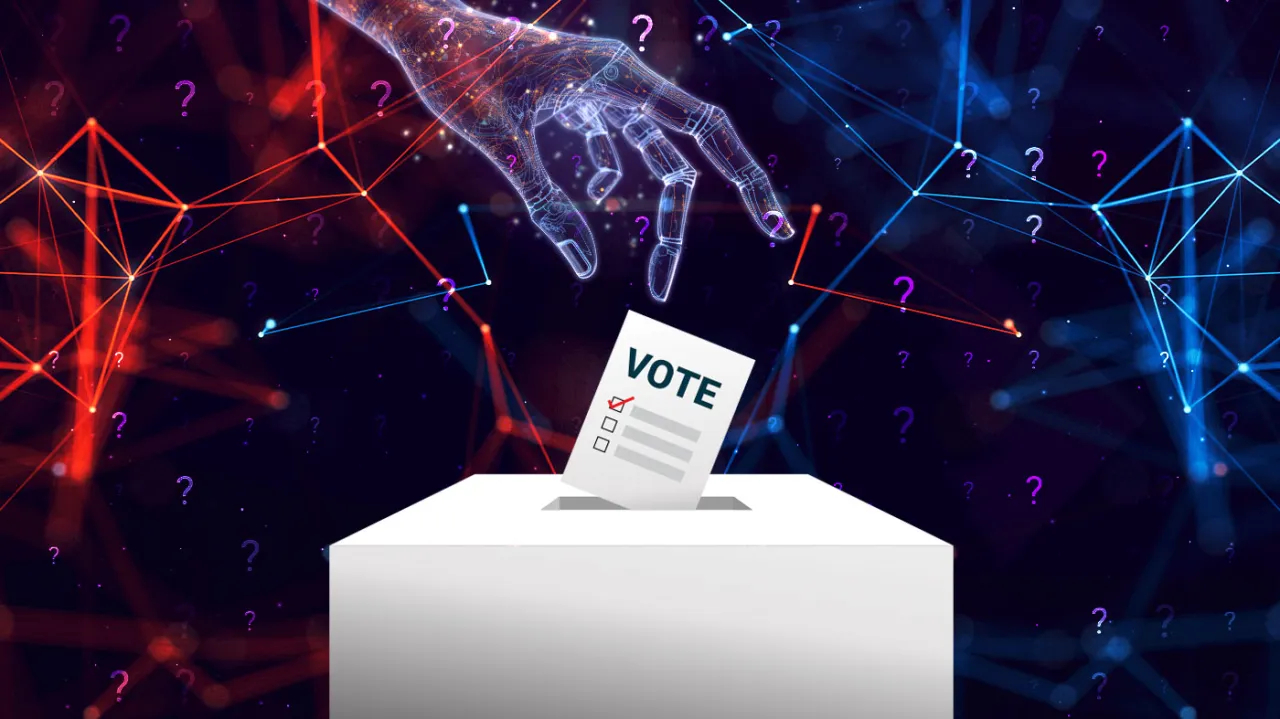
- 18 Mar 2024
Why is it in the News?
With a series of elections to be held across the world in 2024, the potential of AI to disrupt democracies cannot be dismissed.
Context:
- The rapid advancement of Artificial Intelligence (AI) marks a significant turning point in human history.
- With the rise of Generative AI (GAI), the possibility of achieving Artificial General Intelligence (AGI) becomes increasingly feasible, raising questions about its potential to mimic human abilities.
- Thus, exploring AI's profound influence on human life, particularly within electoral contexts and broader societal realms, is imperative.
What is Generative AI (GAI)?
- Generative AI, short for Generative Artificial Intelligence, represents a branch of artificial intelligence focused on creating new content rather than simply processing or analyzing existing data.
- Unlike traditional AI systems, which are designed to recognize patterns or make predictions based on historical data, generative AI models have the capability to generate new data that resembles real-world examples.
- These models work by learning patterns and structures from large datasets and then using that knowledge to create new content.
- They can produce various types of content, including images, text, audio, and even video.
- For example, a generative AI model trained on a dataset of human faces can generate realistic-looking images of faces that have never existed before.
- They can produce various types of content, including images, text, audio, and even video.
- One of the key technologies behind generative AI is deep learning, particularly a type of neural network called a generative adversarial network (GAN).
- In a GAN, two neural networks are pitted against each other: a generator and a discriminator.
- The generator creates new data samples, while the discriminator tries to distinguish between real and fake data.
- Through this adversarial process, the generator learns to produce increasingly realistic content.
- Generative AI has a wide range of applications across various industries.
- In the field of art and design, it can be used to generate new artwork, music, or even fashion designs.
- In entertainment, it can create realistic characters and environments for video games and movies.
- In healthcare, it can generate synthetic medical images for training diagnostic algorithms.
- However, the technology also raises ethical concerns, such as the potential for misuse, copyright issues, and the creation of fake content.
The Role of Artificial Intelligence (AI) in Shaping Electoral Landscapes:
- A Transformative Influence- AI's Ascendancy in Politics: The integration of artificial intelligence (AI) into electoral processes represents a profound transformation in global political dynamics.
- As nations gear up for elections, the incorporation of AI technologies introduces new variables that require a reassessment of conventional campaign methodologies and voter outreach strategies.
- In the context of upcoming elections, including India's extensive seven-phase general election, AI emerges as a decisive factor influencing electoral trajectories.
- The deployment of Generative AI, with its ability to conduct dynamic simulations and replicate real-world interactions, presents unprecedented opportunities and challenges for political stakeholders and the electorate.
- Harnessing AI for Campaign Innovation and Voter Engagement: Political entities and candidates are leveraging AI-driven tools to analyze vast datasets, craft targeted messaging, and optimize campaign blueprints.
- AI-powered predictive analytics empower parties to pinpoint swing voters, tailor messages to specific demographics, and deploy resources more precisely.
- Additionally, AI-enabled sentiment analysis of social media platforms furnishes real-time insights into voter attitudes and emerging concerns, informing campaign narratives and responsiveness strategies.
- Moreover, AI's impact extends beyond campaign frameworks to encompass voter engagement and mobilization endeavors.
- Through AI-driven chatbots, personalized interactions with voters are facilitated, addressing inquiries, disseminating information, and fostering voter participation.
What are the Concerns Regarding AI's Impact on Electoral Integrity?
- Challenges Posed by Deep Fakes: The expanding presence of AI within electoral arenas prompts apprehensions regarding its implications for democratic processes and the integrity of elections.
- The emergence of 'Deep Fake' technology, capable of generating convincingly realistic yet fabricated audio, video, and textual materials, presents a formidable obstacle in identifying and combatting misinformation and disinformation campaigns.
- Deep fakes produced by AI possess the capacity to deceive voters, manipulate public opinion, and erode trust in democratic institutions, thus distorting the integrity of electoral outcomes.
- Impact on Public Discourse and Decision-making: Moreover, the utilization of AI-powered algorithms in social media platforms for content curation and recommendation purposes raises concerns regarding filter bubbles, echo chambers, and algorithmic bias.
- These algorithms, driven by AI, may inadvertently amplify divisive content, perpetuate existing biases, and contribute to the segmentation of public discourse, consequently influencing voter perceptions and decision-making processes.
What are AI Influences its challenges, and Mitigation Strategies?
- As artificial intelligence (AI) permeates various spheres of society, including electoral contexts, addressing the concept of AI influence becomes increasingly critical.
- AI influence refers to the ability of AI-driven tactics to shape human behavior and decision-making processes, often without individuals' explicit awareness or consent.
- Challenges in Addressing AI Influence: A primary challenge in addressing AI influence is mitigating its impact on electoral dynamics.
- AI-powered algorithms can analyze extensive data sets to predict and influence voter behavior, potentially affecting electoral outcomes in ways that may not align with democratic principles or voter preferences.
- To counter this, safeguards must be implemented to prevent undue AI-driven influence on electoral processes and outcomes.
- Promoting Transparency and Accountability: Transparency and accountability are crucial in addressing AI influence.
- Electoral authorities and policymakers should establish clear guidelines and regulations governing the use of AI in political campaigns and voter engagement efforts.
- This includes mandates for disclosing the use of AI-driven algorithms, data sources, and methodologies in campaign strategies, enhancing public awareness and understanding of AI's role in elections.
- Protecting Democratic Values: Efforts to combat AI influence should prioritize safeguarding democratic values and electoral integrity.
- Measures must be implemented to detect and mitigate AI-driven manipulation, such as disinformation campaigns, deep fakes, and algorithmic bias.
- Collaborative approaches involving electoral authorities, technology firms, civil society organizations, and academia are essential to develop effective tools and techniques for detecting and countering AI-driven threats to electoral integrity.
- Empowering Voter Literacy: Promoting media literacy and digital literacy among voters is crucial for combating AI influence.
- By equipping voters with the skills to critically evaluate information sources, distinguish fact from fiction, and identify manipulation tactics, individuals can resist the influence of AI-driven propaganda and make informed voting decisions.
- Educational initiatives, public awareness campaigns, and media literacy programs are vital for enhancing voter resilience against AI-driven misinformation and manipulation.
Additional Measures for Ensuring Electoral Integrity:
- Incorporating Ethical Guidelines into AI Governance: Furthermore, the ethical dimensions of AI governance should inform the development and application of AI technologies within electoral contexts.
- Ethical AI governance frameworks should prioritize principles such as fairness, transparency, accountability, and adherence to democratic values.
- This entails conducting comprehensive risk assessments, ensuring transparency and explainability in algorithms, and establishing mechanisms for independent oversight and accountability.
- Adopting Proactive Strategies: Policymakers, electoral authorities, and civil society actors should embrace proactive strategies to uphold electoral integrity and democratic principles in the age of AI.
- Implementing robust regulatory frameworks, transparency mandates, and oversight mechanisms is crucial for mitigating the risks associated with AI-driven manipulation and disinformation campaigns.
- Furthermore, investments in digital literacy initiatives and media literacy programs can empower voters to critically assess information sources, distinguish between fact and fiction, and resist manipulation efforts.
Way Forward:
- The risks associated with AI pose a substantial threat, surpassing concerns regarding biases in its design and development.
- AI systems inherently tend to manifest adversarial traits, for which effective mitigation strategies have yet to be fully realized.
- Beyond electoral implications, India's position as a digital frontrunner necessitates a cautious approach towards AI adoption, recognizing both its potential advantages and disruptive capabilities.
- While AI offers numerous benefits, it is imperative for the nation and its leaders to acknowledge its potential for malevolence.
- India's prominence in digital innovation presents both opportunities and challenges, as the advancement of AI, including AGI, brings both advantages and risks.
- Addressing the complexities of AI policy requires amplifying democratic voices and resisting the tendency to cede policymaking authority to a select few tech conglomerates.
Conclusion
The emergence of AI marks a significant milestone in human evolution, impacting electoral dynamics and social harmony in profound ways. While AI offers remarkable progress, it demands careful oversight to minimize its disruptive effects and uphold democratic values. As we venture into the realm of AI, wise decision-making and forward-thinking are essential to steer toward a future characterized by ethical AI governance and conscientious innovation.
In issuing AI advisory, MEITY becomes a deity

- 15 Mar 2024
Why is it in the News?
The Ministry of Electronics and Information Technology (MeitY) reportedly issued an advisory on 1 March 2024 (Advisory) to “intermediaries” and “platforms” hosting artificial Intelligence (AI) including generative AI-based models.
Context:
- The Ministry of Electronics and Information Technology (MEITY), previously recognized as the Department of Electronics and IT (DEITY), has come under scrutiny regarding its endeavors to govern technology and the Internet.
- It is imperative to examine MEITY's recent advisory regarding generative Artificial Intelligence (AI), exploring its legal foundation, uncertainties, and repercussions for technology regulation in India.
What is the Recent Advisory by MEITY on AI Regulation?
- Regarding the Regulation of AI Technologies: The advisory urges tech firms to ensure that their AI models, including Large Language Models (LLMs) and Generative AI, prevent users from hosting or displaying unlawful content, addressing concerns about potential misuse.
- Quality Assurance and Testing: It stresses the use of reliable and tested AI models while cautioning against deploying under-tested or unreliable ones without explicit permission from the Government of India, aiming to uphold quality standards and mitigate associated risks.
- Advisory on Transparency and Accountability: The advisory highlights the importance of transparency and accountability in AI deployment, recommending appropriate labeling of AI models to acknowledge potential fallibility or unreliability, reflecting a broader commitment to ethical AI practices and user awareness of associated limitations and risks.
Analysis of Ambiguity Regarding the Legal Status of Government Advisory:
- Lack of Statutory Authority: The uncertainty surrounding the legal status of MEITY's advisories is a key issue in assessing the government's regulatory power and its impact on stakeholders.
- Unlike established regulatory bodies such as SEBI, MEITY lacks explicit statutory powers to issue binding directives or advisories.
- This absence of a specific legal framework leads to interpretation challenges and questions about the enforceability of MEITY's directives.
- Uncertainty on MEITY’s Advisory Power: The IT Act of 2000, which primarily governs technology regulation in India, does not grant MEITY the authority to issue advisories on emerging technologies like AI.
- While the IT Act addresses electronic records, digital signatures, and cybersecurity, it does not specify MEITY's mandate to regulate AI or other technological advancements.
- Lack of Defined Terms and References: The term "advisory" lacks a precise definition under the IT Act or other relevant legislation, allowing MEITY to issue directives that carry the weight of official recommendations without a clear legal foundation.
- This ambiguity leaves stakeholders, including technology firms and legal experts, uncertain about the legal consequences of non-compliance with MEITY's advisories.
- Furthermore, MEITY's advisories often lack explicit citations of legal authority or references to specific legislative provisions, contributing to perceptions of arbitrary regulatory actions.
- Compliance Challenges: In the absence of clear penalties or enforcement mechanisms tied to MEITY's advisories, compliance becomes discretionary rather than obligatory.
- This situation underscores the ambiguity surrounding the legal standing of MEITY's regulatory directives, raising concerns about accountability and procedural fairness in technology regulation.
Additional Concerns Regarding Government’s Advisory on AI:
- Transparency Issues and Hasty Policymaking: MEITY's advisories, particularly those related to AI regulation, exhibit a pattern of expedited policymaking driven by media events, lacking thorough evaluation or stakeholder input.
- Released with limited transparency, these advisories fail to provide comprehensive information, undermining the credibility of MEITY's regulatory decisions.
- Ambiguous Terminology and Ministerial Clarifications: The recent AI advisory introduces vague terms like "bias prevention" and proposes an AI model licensing system without clear definitions or legal framework.
- Ministerial clarifications on social media platforms add to the confusion, leaving terms undefined and enforcement mechanisms uncertain.
- This ambiguity contributes to stakeholder uncertainty and undermines legal clarity.
- The decline in Administrative Standards and Overreach: MEITY's reliance on advisory regulations marks a decline in administrative standards, sidestepping formal legislative processes and stakeholder consultations.
- The extension of IT Rules, 2021, to regulate digital content further illustrates regulatory overreach.
- Additionally, the influence of social media metrics on policy decisions reflects a departure from deliberative governance.
- Threat to Freedom of Expression: MEITY's regulatory actions, including AI governance advisories and social media content moderation directives, risk infringing on online freedom of expression.
- The vague and arbitrary nature of these directives may lead to self-censorship among individuals and organizations, fearing repercussions for expressing dissent or challenging government policies.
- This suppression of free speech undermines democratic discourse and diversity in the digital realm.
- Expansion of Surveillance and Control Measures: Digital authoritarianism often entails expanding state surveillance and control over online activities.
- MEITY's regulatory efforts, such as implementing IT Rules, 2021, and proposing AI governance measures, could facilitate heightened government surveillance and online content censorship.
- This erosion of digital privacy rights jeopardizes individual autonomy and fosters a climate of apprehension and self-censorship among internet users.
- Impact on Innovation and Technological Advancement: MEITY's regulatory overreach and legal ambiguity pose substantial obstacles to innovation and technological progress in India.
- Uncertainty surrounding compliance obligations and enforcement mechanisms discourages investment and innovation in emerging fields like AI.
- Moreover, burdensome regulatory requirements may stifle entrepreneurship and impede the growth of India's technology sector.
Why Regulate the AI Sector?
- The regulation of Artificial Intelligence (AI) represents an evolving landscape as governments navigate the potential benefits and pitfalls of this influential technology.
Reasons for Regulation:
- Risk Management: AI carries the potential for bias, discrimination, privacy breaches, and safety concerns. Regulations serve to mitigate these risks effectively.
- Transparency and Understandability: Many AI systems operate opaquely, complicating comprehension of their decision-making processes. Regulations can foster transparency and clarity.
- Establishing Accountability: Regulatory frameworks can delineate clear lines of responsibility for the creation, deployment, and utilization of AI systems.
- Building Public Confidence: Well-defined regulations can instill public confidence in AI technologies, promoting their conscientious development and application.
Way Forward:
- Unified Effort: Combating the challenges posed by digital authoritarianism demands a unified effort to uphold democratic principles, foster transparency and accountability, and protect fundamental rights in the digital realm.
- Scrutiny of MEITY’s Regulatory Measures: MEITY's regulatory initiatives must undergo thorough scrutiny and oversight to ensure alignment with democratic norms and respect for individual liberties.
Conclusion
MEITY's advisory regulations raise pertinent questions regarding its legal jurisdiction, transparency, and impact on technological advancement in India. The ambiguity in terminology, swift policy formulation, and reliance on social media for dissemination weaken the credibility and efficacy of regulatory measures. Addressing these concerns necessitates a reassessment of MEITY's regulatory strategy and a commitment to transparent, inclusive governance practices.
With elections in at least 83 countries, will 2024 be the year of AI freak-out?

- 19 Feb 2024
Why is it in the News?
Regulatory panic could do more harm than good. Rather than poor risk management today, rules should anticipate the greater risks that lie ahead.
Context:
- The year 2024 will see 4.2 billion people go to the polls, which, in the era of artificial intelligence (AI), misinformation and disinformation may not be the democratic exercise intended.
- The Global Risks Report 2024 named misinformation and disinformation a top risk, which could destabilise society as the legitimacy of election results may be questioned.
- Therefore, it is crucial to scrutinise the possible drawbacks of swiftly formulated regulations to counter AI-driven disinformation during this crucial period.
What are the Major Challenges Arising from Hasty Regulatory Responses to AI?
Escalation of Disinformation: Unintended Ramifications of Resource Allocation
- The surge in disinformation, demonstrated by manipulated videos impacting political figures, presents a formidable obstacle.
- For instance, consider the case of Tarique Rahman, a leader of the Bangladesh Nationalist Party, whose manipulated video suggested a reduction in support for Gaza's bombing victims—an action with potential electoral repercussions in a Muslim-majority country.
- Meta, the parent company of Facebook, exhibited delayed action in removing the fabricated video, raising concerns about the effectiveness of content moderation.
- Moreover, the reduction in content moderation staff due to widespread layoffs in 2023 exacerbates the challenge.
- The pressure to prioritize interventions in more influential markets may leave voters in less prominent regions, such as Bangladesh, vulnerable to disinformation, potentially leading to a global surge in disinformation due to the focus on catching misinformation from powerful governments.
Reinforcement of Industry Dominance: Amplifying Concentration and Ethical Concerns
- While well-intentioned, AI regulations risk bolstering industry concentration. Mandates such as watermarking (which are not foolproof) and red-teaming exercises (which are expensive) may inadvertently favour tech giants, as smaller companies encounter compliance obstacles.
- Such regulations could further entrench the power of already dominant players by erecting barriers to entry or rendering compliance unfeasible for startups.
- This concentration not only consolidates power but also raises apprehensions regarding ethical lapses, biases, and the centralization of consequential decisions within a select few entities.
Navigating Ethical Quagmires: Pitfalls of Sincere Guidelines
- The formulation of ethical frameworks and guidelines introduces its own complexities.
- The question of whose ethics and values should underpin these frameworks gains prominence in polarized times. Divergent perspectives on prioritizing regulation based on risk levels add layers of complexity, with some viewing AI risks as existential threats while others emphasize more immediate concerns.
- The absence of laws mandating audits of AI systems raises transparency issues, leaving voluntary mechanisms vulnerable to conflicts of interest.
- In the Indian context, members of the Prime Minister's Economic Advisory Council have even argued that the concept of risk management itself is precarious concerning AI, given its non-linear, evolving, and unpredictably complex nature.
Navigating the Complexity of AI Regulation: Strategies for Policymakers
- Acknowledge and Address Democracy's Inherent Challenges Alongside AI Threats:
- Before delving into the intricacies of AI-related risks, policymakers must acknowledge the persistent challenges facing democracy globally.
- Instances of unjust political imprisonments, threats to electoral processes, and disruptions to communication networks underscore the vulnerability of democratic systems.
- Furthermore, the enduring issues of vote-buying and ballot-stuffing tarnish the integrity of elections.
- These entrenched challenges within the democratic process provide context for evaluating the novelty of AI threats.
- Strike a Balance Between Addressing AI Risks and Implementing Sensible Regulation:
- The rush among regulators to enact AI regulations ahead of the 2024 elections, following the AI fervour of 2023, underscores the need for caution.
- While it is essential to confront the emerging threats posed by AI, hastily devised regulations may inadvertently worsen the situation.
- Policymakers must carefully consider the potential for unintended consequences and the complexities inherent in regulating a swiftly evolving technological landscape.
- It is crucial for regulators to appreciate the delicate balance required to manage AI risks without unintentionally creating new challenges or hindering democratic processes.
- Prepare for Future Challenges: Policymakers must adopt a forward-thinking approach to AI regulation, anticipating and formulating rules that not only address current risks but also proactively tackle future challenges.
- Recognizing the rapid evolution of technology, regulatory frameworks must evolve accordingly.
- By planning several steps ahead, regulators can contribute to the resilience of democratic processes, ensuring that voters in elections beyond 2024 benefit from an adaptive, proactive, and effective regulatory environment.
How Major Tech Companies Join Hands to Combat AI Misuse in Elections?
- On February 16th, 2024, a major step was taken in the fight against AI misuse in elections.
- 20 tech giants, including Microsoft, Google, Meta, and Adobe, signed a voluntary agreement called the "Tech Accord to Combat Deceptive Use of AI in 2024 Elections."
- This agreement marks a significant step towards collective action against the potential manipulation of democratic processes through deepfakes and other AI-generated content.
Key features of the Tech Accord:
- Collaborative detection and labelling: Companies pledge to develop tools and techniques for identifying and labelling deepfakes, fostering transparency and facilitating content removal.
- Transparency and user education: The accord emphasizes transparency in company policies regarding deepfakes and aims to educate users on identifying and avoiding them, raising public awareness about the technology's capabilities and limitations.
- Rapid response and information sharing: The signatories commit to sharing information and collaborating on takedown strategies for identified deepfakes, aiming for faster removal and a unified front against malicious actors.
- Additional measures: The agreement includes further commitments to invest in threat intelligence, empower candidates and officials with reporting tools, and collaborate on open standards and research.
However, critical analysis reveals potential limitations:
- Voluntary nature: The accord's voluntary character raises concerns about its enforceability and long-term effectiveness.
- Companies may prioritize competing interests over their goals.
- Technical challenges: Deepfake detection remains an evolving field with limitations.
- Continuous innovation by malicious actors can outpace detection capabilities.
- Potential for bias: Concerns exist about potential biases in detection algorithms, particularly regarding marginalized groups, further complicating the issue.
- Freedom of expression and censorship: Balancing the need for content moderation with upholding freedom of expression requires careful consideration and potential legal challenges.
Conclusion
Balancing immediate concerns with long-term implications, and addressing AI-related electoral risks requires careful regulatory foresight. While the Tech Accord offers promise in combatting AI-driven election interference, its effectiveness depends on rigorous implementation and continuous adaptation to evolving threats. Ongoing research and dialogue are crucial to address ethical concerns and ensure a balanced approach to safeguarding democracy and individual rights.
The Indian government is currently drawing out an AI Mission that may soon head for Cabinet approval and could outlay more than Rs 10,000 crore. (Indian Express)

- 27 Jan 2024
Why is it in the News?
To dissuade concerns that Europe is overregulating artificial intelligence (AI), which could stifle innovation in the bloc, the European Commission has released a set of rules to enable start-ups and other businesses to access hardware – such as supercomputers and computing capacity – for them to build large- scale AI models
Context:
- To address concerns about excessive regulation stifling innovation in Europe, the European Commission has introduced rules allowing startups and businesses to access hardware, like supercomputers, to develop large-scale AI models.
- This supports the EU's new AI Act, designed to promote trustworthy AI across the region.
- India is also considering a similar initiative to provide computing capacity for startups, aiming to establish high-capacity data centres through a public-private partnership model.
- Access to computing power is crucial for building advanced AI systems, alongside innovative algorithms and datasets, especially challenging for smaller businesses to obtain.
What is Artificial Intelligence (AI)?
- Artificial Intelligence (AI) refers to the simulation of human intelligence processes by machines, particularly computer systems.
- These processes include learning, reasoning, problem-solving, perception, and language understanding.
- AI technologies enable machines to analyze large amounts of data, recognize patterns, and make decisions or predictions based on that data.
- There are several types of AI, including narrow or weak AI, which is designed for specific tasks like speech recognition or playing chess, and general or strong AI, which aims to perform any intellectual task that a human can do.
- Machine learning, a subset of AI, involves training algorithms to recognise patterns in data and make predictions or decisions without being explicitly programmed to do so.
- AI has applications across various industries, including healthcare, finance, transportation, and manufacturing.
- It is used for tasks such as medical diagnosis, fraud detection, autonomous vehicles, and predictive maintenance.
- As AI technology continues to advance, it holds the potential to revolutionize many aspects of society, improving efficiency, productivity, and decision-making processes.
What is Europe’s AI Innovation Plan?
- The European Commission has introduced a set of initiatives aimed at assisting European startups and small businesses in creating reliable AI technology.
- These initiatives encompass various measures to foster innovation among startups, including a proposal to grant special access to supercomputers for AI startups and the wider innovation community. The plan includes:
- Acquiring, upgrading and operating AI-dedicated supercomputers to enable fast machine learning and training of large general-purpose AI (GPAI) models.
- Facilitating access to the AI dedicated supercomputers, contributing to the widening of the use of AI to a large number of public and private users, including start-ups and SMEs.
- Supporting the AI startup and research ecosystem in algorithmic development, testing evaluation and validation of large-scale AI models.
- Enabling the development of a variety of emerging AI applications based on GPAI models.
How is the EU’s Plan Similar to India’s?
- The Indian government is currently outlining an AI Mission, which is expected to undergo Cabinet approval soon, with a budget exceeding Rs 10,000 crore.
- As part of this initiative, the government aims to develop its own 'sovereign AI,' enhance computational capabilities domestically, and provide compute-as-a-service to Indian startups.
- Capacity building will be pursued both within the government and through a public-private partnership model, emphasizing India’s goal to capitalize on the forthcoming AI boom as a vital economic driver.
- Overall, the country aims to establish a computing capacity ranging from 10,000 to 30,000 GPUs (graphic processing units) through the PPP model, in addition to 1,000-2,000 GPUs facilitated by the PSU Centre for Development of Advanced Computing (C-DAC).
- The government is exploring various incentive structures for private companies to establish computing centres in the country, including capital expenditure subsidies, operational expense-based incentives, and a "usage" fee model.
- The government intends to transform the GPU assembly into a digital public infrastructure (DPI), allowing startups to access its computational capacity at a reduced cost, without having to invest in GPUs, which are typically the largest expense in such operations.
Why is the EU especially enabling AI Innovation?
- Until now, the most prominent advancements in AI have been spearheaded by American companies like OpenAI and Google, along with emerging ventures such as Perplexity and Anthropic.
- Europe, which has traditionally prioritized regulating technologies with a focus on human rights, has faced criticism from the industry for potentially overregulating AI even before its widespread adoption across the continent.
- Unlike the US, where numerous American companies have made significant strides in offering hardware services to businesses, Europe has identified a need to facilitate access to hardware resources for AI development.
- This move by the European Commission follows the introduction of an AI Act last year, which has faced criticism.
- The legislation aims to establish safeguards for AI usage within the EU, including clear guidelines for its adoption by law enforcement agencies and provisions empowering consumers to report any perceived violations.
- Additionally, the AI Act imposes stringent restrictions on facial recognition technology and the use of AI to influence human behaviour, while also outlining severe penalties for companies found in breach of these regulations.
- Moreover, the legislation stipulates that governments can employ real-time biometric surveillance in public areas only in cases involving serious threats, such as terrorist attacks.
European Commission (EC)
- The European Commission is the European Union's executive body and represents the interests of Europe as a whole.
- It drafts proposals for new European laws.
- It manages the day-to-day business of implementing EU policies and spending EU funds.
- It is made up of 27 commissioners (one from each member state) and is based in Brussels.
- Each member state nominates a commissioner, but the nominated candidates must be approved by the European Parliament.
- The Parliament must also approve the President of the European Commission.
- The current President of the European Commission is Ursula von der Leyen.
- Commissioners do not represent their countries. Instead, they have a field of responsibility.
- To assist the commissioners in the performance of their duties, there is a staff of about 32,000 people employed by the Commission.
- This staff comes from all of the Member States and includes policy officers, translators, lawyers and researchers.
What does the European Commission do?
- Legislation – The Commission initiates legislation. It makes proposals for laws that are sent to the European Parliament and Council of the European Union for approval.
- Upholding EU law – The Commission can take action against businesses or states that are failing to comply with EU law.
- Policy – The Commission is the executive of the EU. It manages policies and drafts budgets.
- Representation – The Commission represents the EU in negotiations with other countries or organisations.
- The Commission meets once a week to adopt proposals, finalise policy papers and make decisions.
- Decisions are taken by a simple majority vote.