
Chronic Obstructive Pulmonary Disease (COPD)
- 08 Nov 2025
In News:
Chronic Obstructive Pulmonary Disease (COPD) has emerged as one of the most significant non-communicable diseases affecting global health systems. According to the World Health Organization (WHO), COPD is the fourth leading cause of death worldwide, responsible for 3.5 million deaths in 2021, accounting for nearly 5 per cent of all global deaths. The disease disproportionately affects low- and middle-income countries (LMICs), highlighting the intersection between environmental exposure, socio-economic conditions, and public health outcomes.
What is COPD?
COPD is a chronic, progressive lung disease characterised by persistent airflow limitation, leading to breathing difficulties. The condition arises due to long-term damage to lung tissues, involving inflammation and scarring of the airways, the air sacs (alveoli), or both. While the lung damage caused by COPD is largely irreversible, early diagnosis and appropriate management can significantly improve quality of life and reduce complications.
Types of COPD
COPD primarily includes two clinical conditions, which often coexist:
- Chronic Bronchitis: This condition results from prolonged inflammation of the bronchi, the airways that carry air to the lungs. Inflammation narrows these airways and leads to excessive production of thick mucus, causing persistent cough and restricted airflow.
- Emphysema: Emphysema develops when the alveoli are damaged, reducing the lungs’ ability to transfer oxygen into the bloodstream. This leads to breathlessness, especially during physical activity.
Causes and Risk Factors
The leading cause of COPD is tobacco smoking, which accounts for over 70 per cent of cases in high-income countries. However, the disease burden in LMICs is shaped by a broader range of risk factors. In these countries, smoking contributes to 30–40 per cent of cases, while household air pollution emerges as a major cause.
Indoor air pollution results from the use of biomass fuels such as firewood, animal dung, crop residues, and coal for cooking and heating, often in poorly ventilated homes. Other risk factors include:
- Long-term occupational exposure to dust, fumes, and chemicals
- Second-hand smoke
- Outdoor air pollution
- Childhood respiratory infections and underdeveloped lungs
- Asthma and advancing age
- Rare genetic conditions such as Alpha-1 antitrypsin deficiency
Signs and Symptoms
COPD symptoms typically appear late, after significant lung damage has already occurred. Common symptoms include:
- A chronic cough with mucus lasting for three months or more
- Shortness of breath, particularly during physical exertion
- Chest tightness
- Wheezing or whistling sounds while breathing
- Frequent chest infections
- Fatigue and reduced exercise tolerance
Patients may experience acute exacerbations or flare-ups, during which symptoms worsen for days or weeks. These episodes can be triggered by infections, cold air, pollution, or strong odours. COPD also increases vulnerability to pneumonia, influenza, and cardiovascular diseases.
Diagnosis
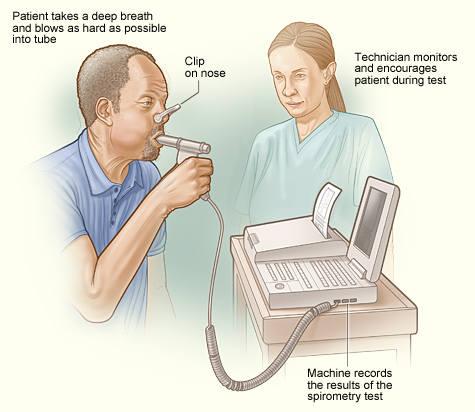
Diagnosis of COPD relies on clinical history, symptom assessment, and confirmatory tests. Spirometry is the most important diagnostic tool, measuring how much air the lungs can hold and how quickly air can be expelled. Based on spirometry results, COPD is staged according to severity, guiding treatment decisions. However, diagnosis is often delayed or missed, as symptoms may resemble other respiratory conditions.
Treatment and Management
There is no definitive cure for COPD, but effective management can slow disease progression and reduce symptom severity. The most crucial intervention is smoking cessation, supported by tobacco cessation programmes.
Treatment options include:
- Medications such as inhaled bronchodilators (to relax airway muscles) and corticosteroids (to reduce inflammation)
- Nebulised medicines for severe cases
- Antibiotics and oral steroids during flare-ups
- Oxygen therapy for patients with advanced disease
- Pulmonary rehabilitation, combining exercise training, breathing techniques, and patient education
In selected cases, surgical interventions may be recommended, including lung volume reduction surgery, removal of large air spaces (bullectomy), placement of endobronchial valves, or even lung transplantation.
Preventive measures include avoiding tobacco and pollutants, vaccination against influenza and pneumonia, maintaining physical activity, and practicing respiratory hygiene.
COPD in India and the Global South
COPD poses a particularly serious challenge for India. WHO estimates place COPD as the eighth leading cause of poor health globally, measured in disability-adjusted life years (DALYs). Nearly 90 per cent of COPD deaths among people under 70 years occur in LMICs.
Studies suggest that the prevalence of COPD in India is about 7.4 per cent, with higher prevalence in urban areas (11 per cent) compared to rural areas (5.6 per cent). Given India’s population distribution and the fact that COPD occurs at a younger age (above 35 years), the estimated burden of spirometry-defined COPD in India is approximately 37.6 million people. Importantly, a substantial proportion of cases arise from non-smoking causes, especially household air pollution.