
Strengthening India’s Tsunami Early Warning System
- 11 Feb 2026
implemented by the Indian National Centre for Ocean Information Services (INCOIS), which operates the Indian Tsunami Early Warning Centre (ITEWC).
Location and Regional Role
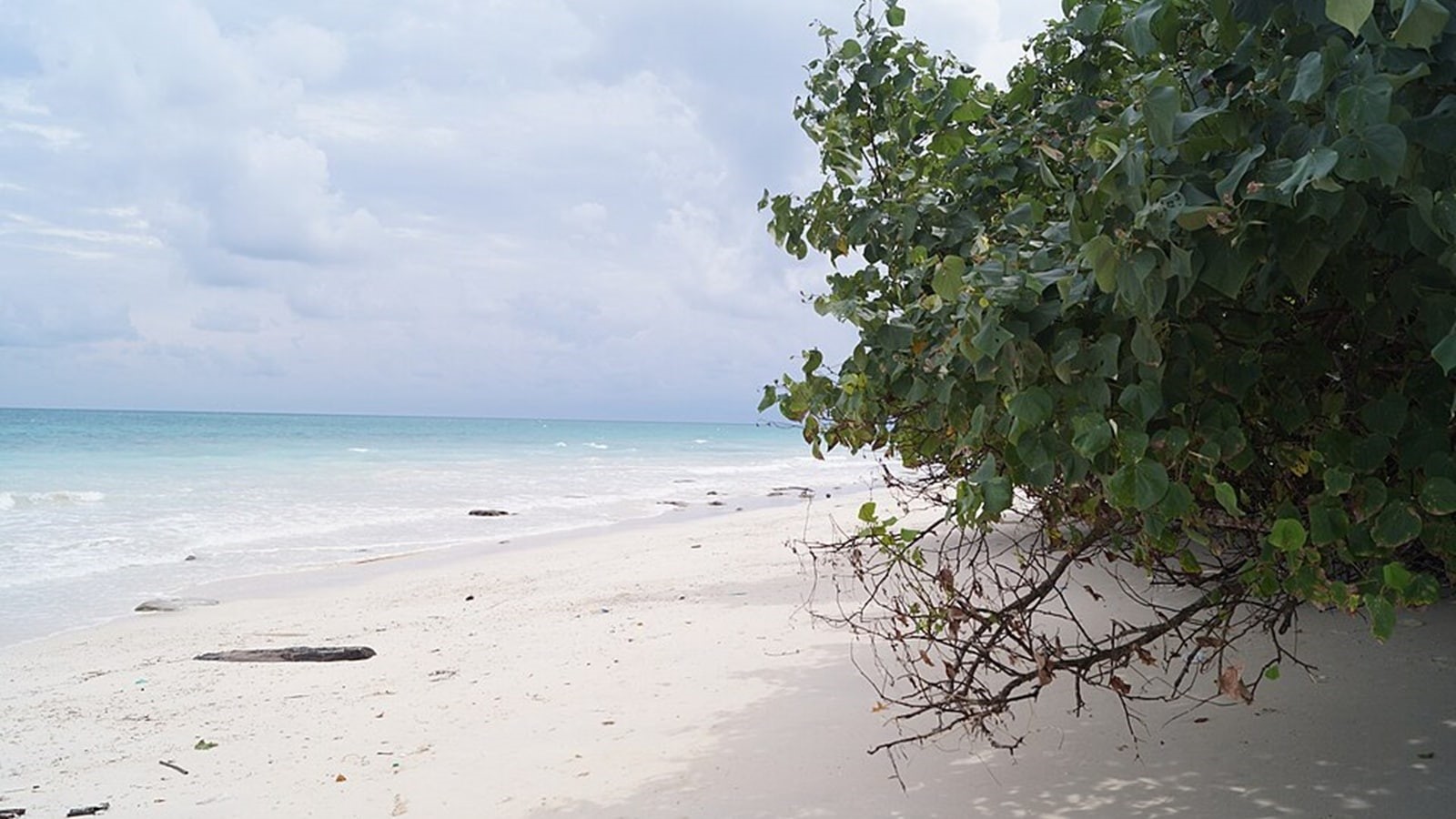
- Proposed site: Vijaynagar on Swaraj Dweep, Andaman and Nicobar Islands
- Project cost: ?300 crore
- First-of-its-kind tsunami coordination centre in India
- Will provide warning services to Indian Ocean countries, including Sri Lanka
The Andaman and Nicobar Islands lie close to major tectonic activity zones, making them strategically important for tsunami detection.
Limitations of the Current System
Currently, tsunami warnings are processed at INCOIS headquarters in Hyderabad. The system relies on:
- Seismic signals
- Tidal gauges along the Indian coast
- Surface buoys deployed in the Indian Ocean
- Satellite data
However, the existing system primarily detects earthquake-triggered tsunamis, which account for about 80% of global tsunamis. Nearly 20% are caused by non-seismic sources such as:
- Submarine landslides
- Volcanic eruptions
- Mudslides
Surface buoys are also vulnerable to vandalism and theft, and satellite data sometimes has gaps.
Next-Generation Capabilities
The new RSC will develop a system capable of detecting both seismic and non-seismic tsunamis, significantly enhancing early warning capacity.
Key Technological Features:
- Laying of 270 km-long sub-sea cables along tectonic subduction zones
- Improved monitoring of acoustic signals, which travel faster than conventional seismic signals
- Reduced data gaps compared to surface buoys
Subduction zones are regions where one tectonic plate moves beneath another, often generating earthquakes and volcanic activity.
Vulnerability of Indian Coasts
While India’s east coast has experienced past tsunamis (notably in 2004), experts highlight emerging risks:
- The west coast of India may be vulnerable to non-seismic tsunamis due to fragile marine geology.
- Presence of underwater mud volcanoes along the Makran coast increases risk potential.
- India’s only active volcano at Barren Island in the Andaman Sea also poses a latent threat.
- If an epicentre is located close to the Andaman and Nicobar Islands, the islands themselves could face severe impact.