
Form 7 and the Electoral Roll Revision Controversy
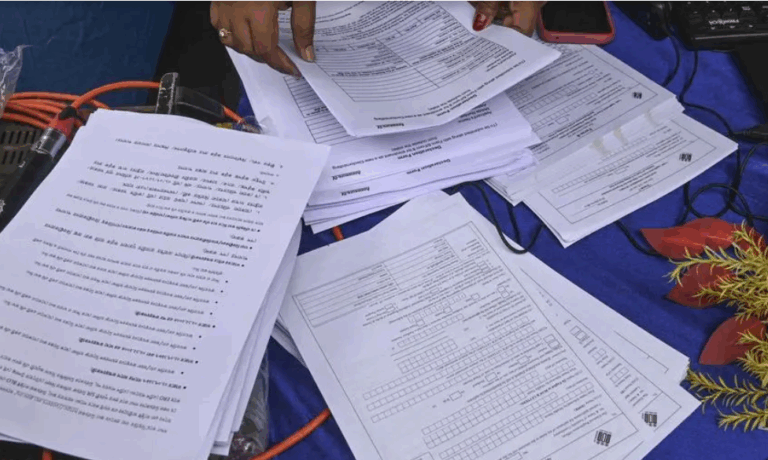
- 10 Feb 2026
In News:
The bulk submission of Form 7 applications during the ongoing Special Intensive Revision (SIR) of electoral rolls has triggered controversy, with allegations of fraudulent or anonymous deletion requests targeting eligible voters. The issue has brought attention to the legal framework governing voter deletion and the safeguards built into the system.
What is Form 7?
Form 7 is a statutory form used to object to the inclusion of a name in the electoral roll. It can be used:
- To seek deletion of another person’s name
- To request deletion of one’s own name
Grounds for Objection
Deletion can be sought on specific legally recognised grounds:
- Death of the voter
- Duplicate entry
- Shifting of residence
- Ineligibility due to age
- Non-citizenship
- Misrepresentation
Legal Basis
Form 7 is governed by:
- Representation of the People Act, 1950
- Registration of Electors Rules, 1960
Under Section 13(2) of the Registration of Electors Rules, objections must be filed in Form 7 by a person whose name is already included in the electoral roll. Booth Level Agents (BLAs), appointed by political parties, are also authorised to file objections.
The process is administered by the Election Commission of India.
2022 Amendment: Expanded Scope
In 2022, the Election Commission amended the rules to allow any registered voter within a constituency (not just from the same polling booth) to file objections. This widened the scope of Form 7 and was aimed at improving electoral roll accuracy.
Verification and Safeguards
To ensure due process and prevent arbitrary deletions, the following steps are mandatory:
- Physical Verification by Booth Level Officers (BLOs).
- In case of death:
- Death certificate verification
- Confirmation by three neighbours
- If the voter is absent: BLO must make three visits to verify shifting of residence
- Notice and Hearing: The concerned voter is issued a notice and given an opportunity to be heard before the Electoral Registration Officer (ERO).
- Appeal Mechanism: Appeals against the ERO’s decision can be filed before the District Magistrate within 15 days.
Penal Provision: Under Section 32 of the Representation of the People Act, 1950, filing a false declaration is punishable with imprisonment up to one year, or fine, or both