
India’s First Lung Cancer Treatment Guidelines
- 09 Feb 2026
In News:
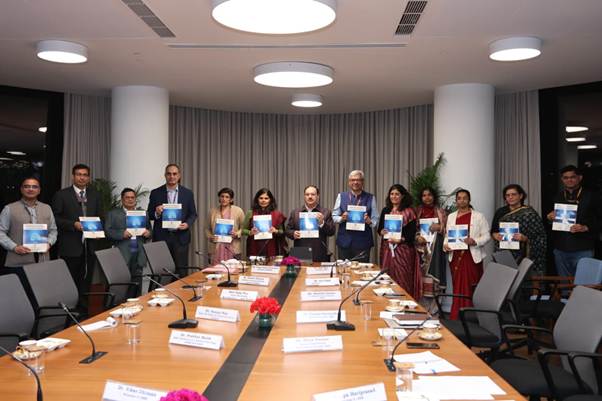
The Union Minister for Health & Family Welfare, Jagat Prakash Nadda, released India’s first nationally developed, evidence-based Lung Cancer Treatment and Palliation Guidelines at Kartavya Bhavan, New Delhi, on the eve of World Cancer Day. The guidelines aim to standardise lung cancer care across India and reduce disparities in treatment outcomes.
Objective
- To provide a uniform, evidence-based framework for diagnosis, treatment, and palliative care of lung cancer
- To minimise variations in clinical practice across public and private healthcare systems
- To ensure accessible, patient-centric, and quality cancer care suited to Indian healthcare realities
Key Features
- Comprise 15 evidence-based recommendations covering both curative treatment and palliation
- Developed using systematic evidence synthesis and internationally accepted methodologies
- Contextualised to India’s disease burden, resource settings, and healthcare infrastructure
- Focus on science-driven and indigenous solutions, rather than direct replication of Western protocols
Focus Areas
- Early diagnosis, identified as a major challenge in lung cancer management
- Strengthened screening and prevention, especially for high-risk populations
- Standardised treatment pathways to improve clinical decision-making
- Enhanced palliative care services to improve quality of life and survivorship
Institutional Framework
- Developed by the Department of Health Research (DHR) and the Directorate General of Health Services (DGHS)
- Prepared in collaboration with leading oncology experts and partner institutions
- Released under the aegis of the Ministry of Health & Family Welfare
Significance
- Marks a milestone as India’s first national, evidence-based cancer guideline
- Strengthens credibility, consistency, and validity of clinical decision-making
- Reinforces India’s leadership in context-specific healthcare policymaking
- Supports the national fight against cancer through scientific rigour, compassion, and inclusivity
Accessibility
- Full guidelines hosted on the DHR website
- A plain-language summary to be released for patients, families, and caregivers