
Virtual Museum of Stolen Cultural Objects
- 15 Oct 2025
In News:
Recently, UNESCO launched the world’s first Virtual Museum of Stolen Cultural Objects during the MONDIACULT 2025 Conference. This global digital initiative marks a vital step in protecting cultural heritage, raising awareness about illicit trafficking, and facilitating the return of stolen artefacts to their countries of origin.
Key Features and Objectives
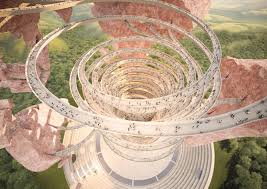
The virtual museum serves as an immersive digital platform reconnecting community with cultural treasures lost to theft, smuggling, and colonial-era plundering. Unlike traditional museums, its purpose is not to accumulate artefacts but to systematically empty itself by aiding restitution efforts. Visitors can explore high-resolution 2D and 3D reconstructions of objects, along with contextual history and cultural significance.
The project contributes to the goals of UNESCO’s 1970 Convention on preventing illicit trafficking of cultural property and aligns with a recent UN General Assembly resolution urging stronger international cooperation to restore stolen heritage.
Institutional Framework
- Developed by UNESCO in collaboration with INTERPOL
- Financially supported by Saudi Arabia; additional contribution from the United States
- Announced earlier at MONDIACULT 2022 and launched in September 2025
- Currently displays ~240 missing cultural objects from 46 countries
- Represents diverse cultural forms: manuscripts, sculptures, ritual objects, architectural fragments, artworks, coins, and archaeological finds
The digital experience is designed like a baobab tree, symbolizing resilience and interconnectedness, created by renowned Burkinabe architect Francis Kéré. The platform includes:
- Gallery of Stolen Objects
- Auditorium
- Return & Restitution Room, highlighting successful repatriation stories
India’s Contribution and Significance
Three culturally significant Indian artefacts are showcased:
- 9th-century sandstone sculptures of Nataraja and Brahma from Mahadev Temple, Pali (Chhattisgarh)
- Stone sculpture of Bhairava (undated)
These items reflect India’s rich temple heritage and spiritual aesthetic. Their listing reinforces India’s continuing struggle against antiquities smuggling.
India has intensified its efforts to recover stolen heritage in recent years. Since 2014, over 600 antiquities have been brought back to India. The leadership has repeatedly emphasized ethical cultural restitution, with an official stance that “no museum should hold artefacts acquired unethically.”
Global and Youth Focus
The platform especially targets youth and digital natives, using interactive storytelling to:
- Promote cultural sensitivity
- Highlight community identities tied to artefacts
- Encourage global cooperation on heritage protection