
Parrot bornavirus 4 (PaBV-4)
- 14 Jul 2026
In News:
For the first time in India, scientists have identified and genetically characterised Parrot Bornavirus 4 (PaBV-4), a virus responsible for causing Proventricular Dilatation Disease (PDD)—a severe and often fatal disease affecting captive parrots and other psittacine birds.
About Parrot Bornavirus 4 (PaBV-4)
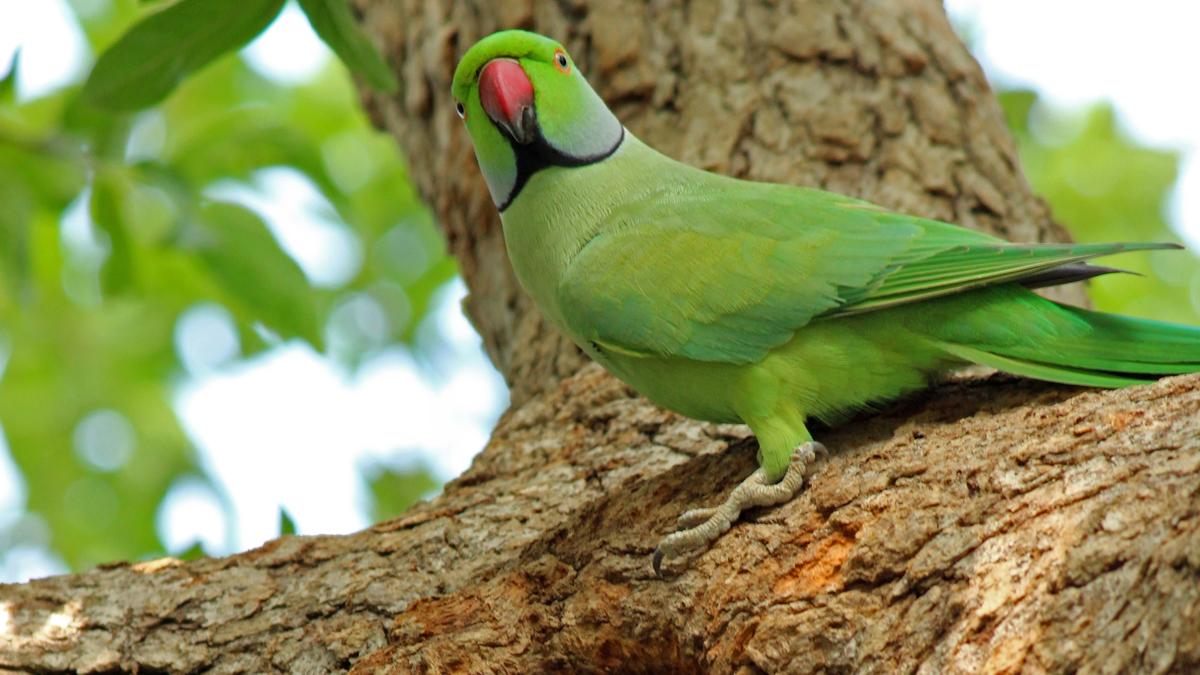
Parrot Bornavirus 4 (PaBV-4) is an enveloped, single-stranded RNA virus belonging to the genus Orthobornavirus under the family Bornaviridae. It infects psittacine birds, including parrots, macaws, cockatoos, parakeets and conures, and is among the most commonly detected parrot bornaviruses in captive birds worldwide.
The virus causes Proventricular Dilatation Disease (PDD), a progressive and largely fatal disease that affects both the digestive and nervous systems of infected birds.
Clinical Manifestations
Affected birds may exhibit both gastrointestinal and neurological symptoms, including:
- Weight loss despite a normal appetite.
- Regurgitation or vomiting.
- Passage of undigested seeds in droppings.
- Enlargement (dilatation) of the proventriculus (glandular stomach).
- Neurological signs such as tremors, ataxia (loss of coordination), seizures and paralysis.
Transmission
The virus is believed to spread primarily through direct contact with infected birds, their droppings, and feather dust, although the exact transmission route remains unclear.
A major challenge is that infected birds can remain asymptomatic while continuously shedding the virus, facilitating silent transmission within captive bird populations.
Treatment and Prevention
At present, no specific antiviral treatment or vaccine is available for PaBV-4. Management is limited to supportive care, including reducing inflammation and maintaining adequate nutrition.
Preventive measures include:
- Strict biosecurity practices.
- Quarantine of newly acquired birds.
- Routine health screening.
- Minimising contact between infected and healthy birds.