
Solid Waste Management (SWM) Rules, 2026
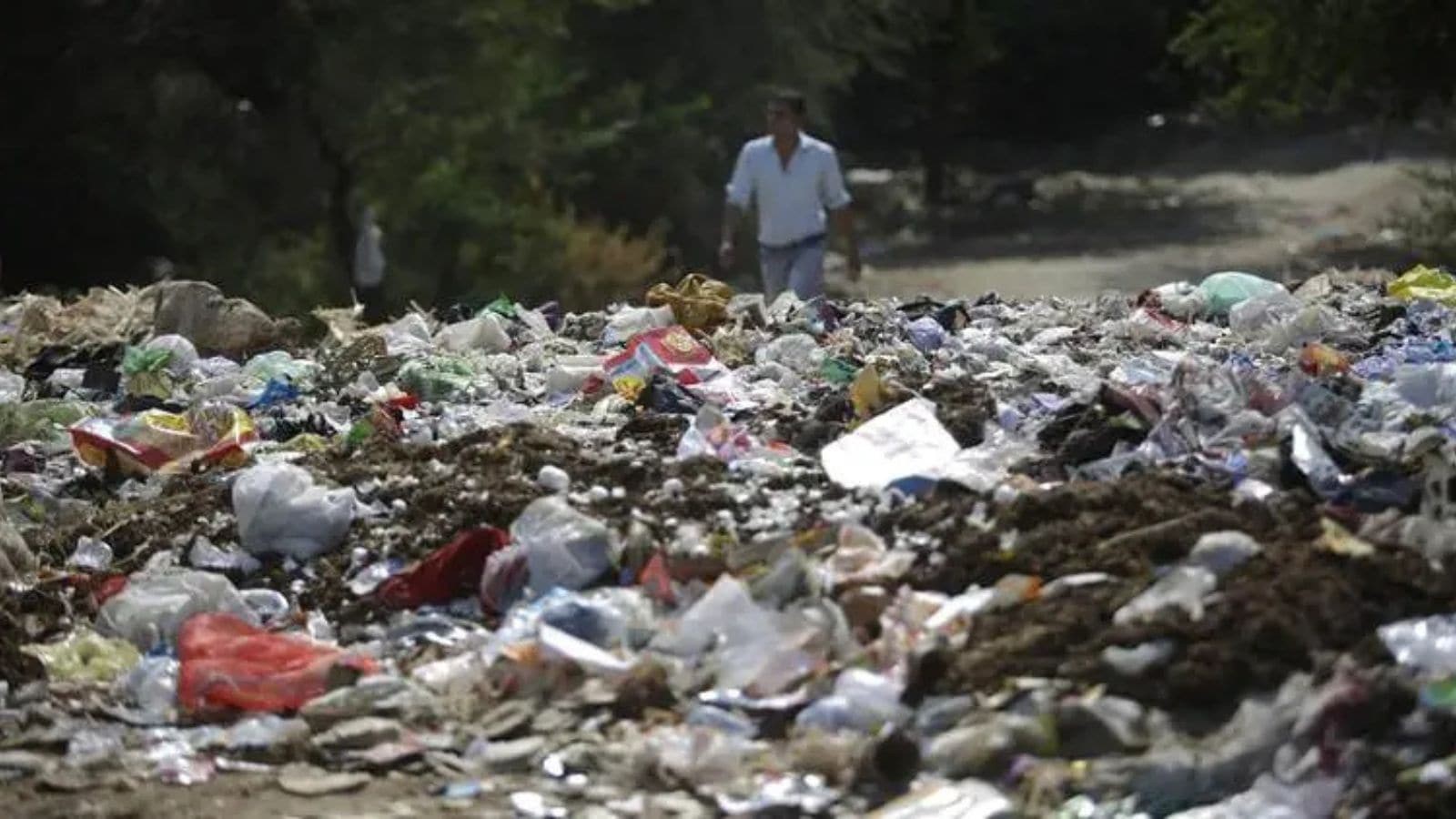
- 05 Feb 2026
In News:
The Ministry of Environment Forest and Climate Change has notified the Solid Waste Management Rules, 2026, replacing the 2016 rules under the Environment Protection Act. The new framework comes into force from 1 April 2026 and aims to strengthen segregation, accountability, and circular use of waste.
Key Objectives
The rules seek to reduce landfill dependence, promote scientific waste processing, operationalise the polluter pays principle, and align waste governance with circular economy goals under urban missions like Swachh Bharat Mission 2.0 and AMRUT 2.0.
Major Features
- Four-Stream Segregation at Source (Mandatory): Households, institutions, and establishments must segregate waste into:
- Wet waste: Kitchen and biodegradable waste; to be composted or bio-methanated
- Dry waste: Plastic, paper, metal, glass, etc.; to be sent to Material Recovery Facilities (MRFs)
- Sanitary waste: Diapers, sanitary pads, etc.; to be securely wrapped and separately stored
- Special care waste: Bulbs, medicines, paint containers, batteries; to be handed to authorised agencies
- Polluter Pays Principle: Environmental compensation will be imposed for violations such as non-registration, false reporting, and improper disposal. Guidelines will be framed by the Central Pollution Control Board, while enforcement will be done by State Pollution Control Boards and Pollution Control Committees.
- Bulk Waste Generators (BWGs) – Clear Definition: Entities are classified as BWGs if they meet any one of these thresholds:
- Floor area ≥ 20,000 sq m
- Water consumption ≥ 40,000 litres/day
- Waste generation ≥ 100 kg/day
This includes government offices, residential societies, institutions, universities, and commercial complexes—together accounting for nearly 30% of total waste.
- Extended Bulk Waste Generator Responsibility (EBWGR): BWGs must process wet waste on-site wherever feasible or obtain an EBWGR certificate. This reduces pressure on urban local bodies and enforces accountability at the source.
- Centralised Digital Monitoring: A national online portal will track registration, authorisation, waste processing, audits, and legacy waste remediation, replacing manual systems and improving transparency.
- Faster Land Allocation for Processing Facilities: Graded siting criteria and buffer norms for facilities handling over 5 tonnes/day will speed up infrastructure creation, guided by CPCB norms.
- Refuse Derived Fuel (RDF) Mandate: Industries such as cement kilns and waste-to-energy plants must increase RDF use from 5% to 15% over six years. RDF is high-calorific fuel made from non-recyclable dry waste, promoting resource recovery.
- Restrictions on Landfilling: Only inert, non-recyclable, and non-energy-recoverable waste can be landfilled. Higher landfill fees for unsegregated waste are intended to incentivise segregation.
- Legacy Waste Remediation: Mandatory biomining and bioremediation of old dumpsites with time-bound targets and quarterly reporting via the portal. District Collectors will oversee audits.
- Duties of Local Bodies and MRFs: Urban local bodies must ensure collection, segregation, and transportation. MRFs are formally recognised as key facilities for sorting and can also receive sanitary and other waste streams.
- Special Provisions for Hilly Areas and Islands: Local bodies can levy tourist user fees, regulate visitor numbers, and promote decentralised processing of biodegradable waste by hotels and institutions.
- Institutional Mechanism: State-level committees chaired by Chief Secretaries (or UT Administrators) will supervise implementation and advise CPCB.
Significance
India generates roughly 1.85 lakh tonnes of municipal solid waste per day (CPCB data). The 2026 rules emphasise prevention, segregation, recycling, and energy recovery before disposal, embedding circular economy principles in urban governance. Scientific waste handling reduces pollution, greenhouse gas emissions from landfills, and public health risks such as vector-borne diseases.
Challenges
Implementation gaps at municipal levels, inadequate processing infrastructure, weak segregation at household level, financial stress on smaller towns, and the need to formally integrate waste pickers remain major hurdles.
Way Forward
Success depends on strengthening urban local body capacity, behavioural change campaigns for segregation, private sector participation in recycling, technological tools for monitoring, and integration with climate, plastic, and renewable energy policies. If effectively executed, the SWM Rules, 2026 can transform India’s waste burden into an opportunity for sustainable and resource-efficient urban development.